Axolotl breeding has become an increasingly popular pursuit among amphibian enthusiasts and aquatic pet keepers, yet it requires careful preparation, deep understanding of neotenic salamander biology, and a substantial time commitment. Whether you are considering your first breeding attempt or looking to refine established techniques, mastering the complete process from environmental triggers to juvenile care is essential for producing healthy offspring. This comprehensive guide covers everything from selecting compatible breeding pairs and triggering courtship behavior to raising hundreds of delicate larvae, with practical advice grounded in current best practices for working with Ambystoma mexicanum in 2026.
Before attempting to breed axolotls, it is crucial to understand that this process demands significant dedication and resources. A single successful spawning can produce anywhere from 100 to 1,500 eggs, each requiring meticulous care, daily feeding with live foods, and careful monitoring throughout the 2 to 4 week incubation period and subsequent months of larval development. Many first-time breeders find themselves overwhelmed by the sheer volume of offspring and the ongoing expense of maintaining separate containers, live food cultures, and pristine water conditions. This guide will walk you through each stage of the axolotl breeding journey, ensuring you are fully prepared for the responsibilities that come with propagating these remarkable aquatic salamanders.
The captive axolotl population faces ongoing challenges from decades of inbreeding, making responsible breeding practices more important than ever. By prioritizing genetic diversity, tracking lineages, and committing to the highest standards of animal welfare, you contribute positively to the preservation of healthy axolotl bloodlines while experiencing one of nature's most fascinating reproductive processes. From understanding the critical difference between male and female cloacal structures to managing the cannibalistic tendencies of growing larvae, every aspect of axolotl breeding rewards careful study and attentive care.
Table of Contents
Understanding Axolotl Biology and Natural History
Where Are Axolotls Found In The Wild
The axolotl, scientifically known as Ambystoma mexicanum, is native exclusively to the ancient lake complex surrounding Mexico City, particularly Lake Xochimilco and the now-drained Lake Chalco. These high-altitude freshwater ecosystems once provided ideal habitat with cool, stable water temperatures between 60 to 68 degrees Fahrenheit, abundant aquatic vegetation, and a stable food web that supported healthy axolotl populations for centuries. Unlike most salamanders that undergo metamorphosis and transition to terrestrial life, axolotls have adapted to a permanently aquatic existence, retaining their larval characteristics throughout adulthood.

Unfortunately, axolotls are now classified as critically endangered in their native habitat due to extensive urbanization, water pollution from agricultural runoff and sewage, and the introduction of invasive predatory fish species such as tilapia and perch. These invasive species compete with axolotls for food and prey upon their eggs and young. The wild population has declined catastrophically over the past several decades, with current estimates suggesting fewer than 1,000 individuals remain in their natural habitat. Understanding their threatened status in the wild adds importance to responsible captive breeding programs that maintain genetic diversity and healthy bloodlines.
Today, the axolotls available in the pet trade originate almost exclusively from captive breeding programs, many tracing back to laboratory populations established decades ago for scientific research. Understanding their natural habitat helps explain their specific care requirements in captivity, including their preference for cool water, relatively low light conditions, and plenty of hiding spaces among aquatic vegetation. If you are exploring aquatic pet care more broadly, you may find our guide on compatible axolotl tank mates and Koi Betta care helpful for understanding species that share similar water parameter requirements and husbandry principles.
What Makes Axolotls Special for Breeding
Axolotls possess several extraordinary biological characteristics that make them unique among vertebrates and particularly interesting for breeding programs. Their most famous trait is neoteny, the retention of juvenile characteristics into sexual maturity and throughout adulthood. While most salamanders undergo metamorphosis to become land-dwelling adults, axolotls remain aquatic with their external feathery gills, finned tails, and fully aquatic adaptations throughout their entire lives. This permanent larval state is genetically programmed and occurs naturally without any environmental triggers or hormonal intervention.

Perhaps even more impressive is their extraordinary regenerative ability. Axolotls can regenerate entire limbs, including bones, muscles, nerves, and blood vessels, without any scarring. They can also regrow their spinal cord, heart tissue, and even portions of their brain. This remarkable healing capacity has made them invaluable to scientific research in tissue regeneration and developmental biology. From a breeding perspective, this means healthy adults can recover quickly from minor injuries and breed multiple times throughout their 10 to 15 year lifespan with proper care and recovery periods between spawnings.
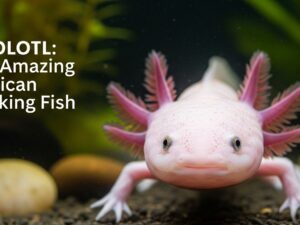
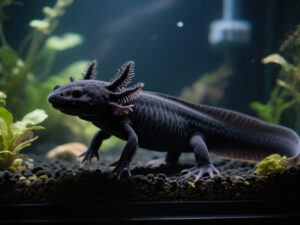
Additionally, axolotls display a wide variety of color morphs that have been developed through selective breeding, including wild type (olive-brown with gold speckles), leucistic (pink with black eyes), albino (white with red eyes), melanoid (solid black), golden albino, and copper varieties. Each morph carries specific genetic traits, and understanding the inheritance patterns of these color variations adds another layer of interest for dedicated breeders. Understanding the fundamentals of amphibian care is essential before attempting to breed. For additional aquatic pet guidance, explore our other amphibian care guides that cover similar husbandry principles and water quality management techniques.
Axolotl Breeding Fundamentals
Understanding Sexual Maturity and Breeding Readiness
Axolotls reach sexual maturity at different rates depending on their living conditions, genetic background, nutrition, and overall health. Most axolotls become sexually mature between 12 and 18 months of age, though this timeline varies significantly based on environmental factors. In optimal conditions with excellent nutrition, stable water parameters, and cool temperatures, some individuals may mature as early as 10 months, while others may take up to 24 months. Size is often a more reliable indicator of breeding readiness than chronological age alone.
Before considering breeding, both male and female axolotls should reach adequate size to ensure healthy offspring and minimize stress on the female during egg production. Females should be at least 8 inches (20 centimeters) in length and ideally closer to 10 to 12 inches before their first breeding attempt. Breeding females that are too young, too small, or in suboptimal body condition can lead to complications, smaller egg clutches, and health issues that may affect their long-term wellbeing and future breeding potential. Males can typically breed at slightly smaller sizes, around 7 to 8 inches, but patience and proper conditioning ensure better outcomes for all involved.
Assess body condition before attempting to breed. Females should have good fat reserves and a rounded, healthy appearance, while males should display active behavior and the characteristic swollen cloaca that indicates sexual maturity. Never attempt to breed axolotls that are underweight, recovering from illness, or showing signs of stress, as this can harm both the parents and any resulting offspring.
How To Identify If An Axolotl Is Male Or Female
Correctly sexing axolotls is essential for successful breeding, and this requires observing several physical characteristics rather than looking for external genitalia, as axolotls possess cloacas like all amphibians. The most reliable indicators become apparent once axolotls reach sexual maturity, typically when they are at least 12 months old and adequately sized. Juvenile axolotls under 8 inches cannot be reliably sexed, as the physical differences between males and females only develop with sexual maturity.
Male axolotls display a distinctly swollen, rounded cloaca that appears as a prominent bump at the base of the tail, just behind the hind legs. This swelling results from the presence of internal reproductive organs and spermatophore-producing glands housed within the cloacal chamber. The male's cloaca typically looks like a small dome or bubble shape and is noticeably larger and more pronounced than the female's, particularly during breeding season when it may appear almost spherical. Additionally, mature males often have longer, more muscular tails and slightly slimmer overall body profiles compared to females.
Female axolotls have a much smaller, less conspicuous cloaca that appears as a simple vertical slit without significant swelling or protrusion. Females typically display wider, rounder bodies when viewed from above, especially when gravid (carrying developing eggs). Their tails are generally shorter and less muscular than those of males, and their overall body shape is more rounded. During breeding season, a female's cloaca may appear slightly more open or swollen than usual as her body prepares for egg laying, but it never reaches the pronounced dome shape characteristic of sexually mature males.
Behavioral differences can also help with sex identification, particularly during breeding season. Males become noticeably more active and may display restless swimming behavior, frequently circling the tank and investigating other axolotls. During actual courtship, males initiate the breeding dance, nudge females with their snout, and deposit spermatophores on the substrate. These behaviors definitively identify a male and typically begin within days to weeks of applying breeding triggers.
Does Axolotl Change Gender
No, axolotls do not change gender at any point in their lives. They are born with their sex genetically determined and will remain either male or female throughout their entire lifespan. Unlike some fish species such as clownfish or wrasses that can change sex in response to social hierarchies or environmental conditions, axolotls maintain consistent sexual characteristics once they reach maturity. The biological mechanism for sex change, known as sequential hermaphroditism, does not occur in axolotls or any other salamander species.
Some confusion about axolotl gender may arise from the difficulty in sexing young animals accurately. Juvenile axolotls under 12 months of age show no external sexual characteristics, making it impossible to distinguish males from females visually. Additionally, some axolotls develop more slowly than others, and late-maturing males may temporarily be mistaken for females until their cloacal swelling becomes pronounced. Once an axolotl reaches 18 to 24 months without showing male characteristics, you can be reasonably confident you have a female, though the only definitive confirmation comes through observing breeding behaviors.
The genetic sex determination in axolotls follows a standard XY chromosomal system, with males being heterogametic (XY) and females homogametic (XX). This means that, genetically speaking, sex is fixed from conception and cannot be altered by environmental factors, hormones, temperature variations, or other interventions. Understanding this biological certainty helps breeders plan their programs appropriately, knowing that their male will always remain male and their female will always remain female, allowing for predictable pairing decisions.
How Often Can You Breed Axolotls
Healthy female axolotls can breed every 3 to 6 months under optimal conditions, but responsible breeding practices require allowing females adequate recovery time between spawnings to maintain their health and ensure future breeding success. Egg production demands tremendous metabolic resources from females, who must produce hundreds of nutrient-rich eggs in a relatively short period. Without adequate rest and recovery, frequent breeding can lead to physical exhaustion, reduced egg quality, smaller clutch sizes, and significantly shortened lifespans.
After laying eggs, females should receive a recovery period of at least 1 to 2 months before being considered for another breeding attempt. During this recovery time, they require excellent nutrition with high-quality protein sources, pristine water conditions, and minimal stress to rebuild their energy reserves and body condition. Some experienced breeders choose to breed their females only once or twice per year to prioritize long-term health and longevity over maximum production, recognizing that a healthy female can continue breeding for many years when managed responsibly.
Male axolotls can typically breed more frequently than females because they do not invest the same enormous metabolic energy in gamete production. However, even males benefit from rest periods between intensive breeding cycles. Over-breeding males can result in decreased sperm quality, reduced fertilization rates, and general physical exhaustion. Allowing males at least one month of recovery between breeding attempts helps maintain their health, vigor, and breeding effectiveness over their 10 to 15 year lifespan.
Preparing For Axolotl Breeding
What Are The Tank Conditions For Breeding Axolotls
Creating an appropriate breeding environment is crucial for successful spawning, healthy egg development, and the wellbeing of your breeding pair. The breeding tank should hold at least 30 to 40 gallons to provide adequate space for courtship behaviors, which involve active swimming and circular chasing patterns. Larger tanks of 55 gallons or more provide even better results by giving the female room to escape the male's persistent advances when she needs breaks and reducing overall stress on both animals. Axolotls prefer horizontal swimming space over vertical depth, so longer tanks are preferable to tall ones.

Water temperature should be maintained between 60 to 68 degrees Fahrenheit (15 to 20 degrees Celsius) throughout most of the breeding conditioning period, with many breeders finding 64 to 66 degrees ideal for stimulating breeding activity. When applying thermal triggers, you can temporarily lower temperatures to 55 to 58 degrees, but return to the optimal range once breeding behaviors begin. The pH should remain between 6.5 and 7.5, with slightly acidic to neutral water being preferable. Ammonia and nitrites must remain at zero, while nitrates should stay below 20 parts per million through regular water changes and proper biological filtration.
Substrate choice matters significantly for breeding tanks. A soft, sandy substrate works best, as axolotls naturally dig and rest on the bottom. Avoid gravel that could be accidentally ingested, as this can cause dangerous impactions. Bare-bottom tanks are acceptable for breeding and actually make egg spotting, counting, and removal easier, though they do not provide the naturalistic environment that axolotls prefer. If using sand, choose fine-grained aquarium sand sold specifically for aquatic use, avoiding play sand or construction sand that may contain harmful contaminants.
The tank should include ample flat surfaces for egg deposition. Large flat rocks, slate tiles, live or silk plants with broad leaves, PVC pipes cut lengthwise, or even plastic craft mesh provide excellent egg-laying sites. Females prefer depositing eggs on stable, horizontal surfaces, though they will also attach eggs to vertical glass, filter tubes, or any available surface in the tank. Remove any decorations with sharp edges that could damage eggs or the adults' delicate skin during the active courtship period. During actual breeding, gentle filtration via sponge filters is preferred over powerful hang-on-back filters, as strong currents can disrupt spermatophore placement, dislodge freshly laid eggs, and stress breeding axolotls.
Breeding Triggers: Temperature and Light Methods
In their native habitat in Lake Xochimilco, axolotls naturally breed during the cooler months from December through June, with environmental cues triggering reproductive behaviors. Seasonal changes in temperature and daylight hours signal to axolotls that conditions are favorable for reproduction. In captivity, axolotls may breed year-round, especially in climate-controlled homes, but simulating these natural seasonal triggers often encourages more reliable and vigorous spawning, particularly for axolotls that have not shown spontaneous breeding behaviors.
The thermal shock method is one of the most reliable techniques for triggering axolotl breeding. This approach involves gradually lowering the tank temperature over a period of 1 to 2 weeks to approximately 55 to 58 degrees Fahrenheit, simulating the arrival of winter conditions. After maintaining these cooler temperatures for 7 to 14 days, perform a substantial water change using water that is 3 to 5 degrees cooler than the current tank temperature, which further emphasizes the "cold season" signal. Then, allow the tank to gradually warm back to normal breeding temperatures of 60 to 68 degrees over several days. This warming period simulates the arrival of spring rains and warmer weather, which historically signaled optimal breeding conditions in their native lakes.
The light period manipulation method works by adjusting photoperiod to simulate seasonal changes in daylight hours. Gradually reduce the amount of light the axolotls receive each day over a two-week period, dropping from a standard 12-hour photoperiod down to 8 to 10 hours, simulating the shorter days of winter. After this reduced-light period, suddenly increase lighting back to 12 to 14 hours per day, simulating the lengthening days of spring. Some breeders combine reduced lighting with lower temperatures for a week, then restore both light and temperature to optimal breeding ranges simultaneously for maximum effect.
Many breeders find success combining both thermal and light methods. Start with reduced lighting and slightly cooler temperatures for one to two weeks, then simultaneously increase both light duration and water temperature while performing a significant water change of 30 to 50 percent. This multi-factor approach closely replicates the natural spring conditions that prompt wild axolotls to begin their courtship activities. Observe your axolotls closely after applying triggers, as not all pairs will respond immediately. Factors such as age, health, recent feeding history, and previous breeding experience all influence how quickly a pair responds to environmental cues.
Genetics and Lineage Considerations
Before breeding axolotls, understanding genetics and maintaining proper lineage records is essential for responsible breeding practices. The captive axolotl population faces significant challenges from decades of inbreeding, and many bloodlines carry genetic defects that can result in deformities, reduced viability, or health problems in offspring. Many pet store axolotls originate from common wholesale suppliers and may be siblings or closely related individuals, concentrating harmful recessive genes in their offspring.
When selecting breeding pairs, research the lineage of both animals whenever possible. Request information about parentage from the breeder or supplier when you purchase your axolotls. Avoid breeding siblings or closely related individuals, as this increases the risk of inbreeding depression and the expression of harmful recessive traits. Ideally, source breeding stock from different, unrelated bloodlines to maximize genetic diversity in your offspring. Track the parentage of any offspring you produce, maintaining detailed records that include hatch dates, parent identification, morph types, and any notable characteristics.
Certain morphs carry known genetic risks that responsible breeders must understand. For example, heavily inbred albino lines may have reduced visual acuity or other developmental issues, while some melanoid populations can display skeletal deformities or other abnormalities. Research the specific genetic history and known issues associated with your chosen morphs before pairing. Never breed axolotls showing any deformities, including curved spines, missing or extra limbs, eye abnormalities, or unusual body shapes, as these conditions are often heritable and will be passed to offspring.
Have a clear plan for your offspring before you breed. The axolotl pet market is often saturated, and many irresponsible breeders dump unwanted babies on the market or, worse, euthanize them improperly. Know how you will find appropriate homes for potentially hundreds of babies, and be prepared to house and care for any that do not sell for an extended period. Some breeders choose to cull eggs or early larvae showing obvious severe deformities, doing so humanely to prevent future suffering and the propagation of genetic problems. Be prepared to cull humanely using approved methods if necessary, though prevention through careful pair selection is always preferable.
The Breeding Process
Courtship Behavior and Spermatophore Transfer
Understanding the actual breeding process helps breeders recognize healthy courtship behaviors and know when to expect eggs and when to intervene. When a male axolotl enters breeding condition, typically within 24 to 72 hours after environmental triggers are applied, he initiates courtship by actively seeking out the female and nudging her flank and cloaca with his snout. This persistent nudging, sometimes described as a mating dance or courtship walk, stimulates the female and clearly indicates the male's readiness to deposit spermatophores. The male may also perform a distinctive leading behavior, swimming in circular or figure-eight patterns while maintaining contact with the female.
The critical moment in axolotl reproduction involves the spermatophore, a small cone-shaped structure containing sperm packets that the male deposits on the tank bottom. A spermatophore appears as a clear, jelly-like cone, typically about 1 to 2 centimeters tall with a distinct white or creamy cap containing the actual sperm cells. The male deposits multiple spermatophores throughout the breeding tank over several hours, often producing 10 to 30 or more during a single breeding session. These structures are delicate and can be disrupted by strong water currents, which is why gentle filtration is important during breeding.
The female follows behind the male, often investigating the deposited spermatophores and eventually picking up the sperm cap from each one with her cloaca. She positions herself over the cone and presses her cloaca down onto it, effectively "sitting" on the spermatophore to collect the sperm inside her body. This process, called sperm induction or sperm uptake, results in internal fertilization of her eggs. Once the sperm is collected, the eggs begin developing immediately inside her body, though they remain within the female for 12 to 72 hours before being externally deposited.
This courtship and fertilization process may repeat multiple times over 24 to 48 hours, with the male depositing new spermatophores and the female picking up sperm from each. Not all spermatophores will be picked up by the female, which is completely normal, and the male may continue producing them even after the female has collected sufficient sperm. The entire courtship period can be subtle and easily missed if you are not actively observing, so check your tank frequently during breeding attempts. Once the female has collected adequate sperm, she will typically begin searching for suitable egg-laying sites within 12 to 72 hours.
Axolotl Egg Laying and Fertilization
Following successful sperm pickup and internal fertilization, the female axolotl will begin laying eggs within 12 to 72 hours, with the exact timing varying based on the individual and environmental conditions. The female actively seeks out suitable surfaces to deposit her eggs, typically preferring plants, rocks, broad-leaved surfaces, or even the aquarium glass. Egg laying is a deliberate process that can take anywhere from several hours to an entire day or more, depending on the number of eggs being deposited and the female's individual behavior.

A single female axolotl typically lays between 100 and 1,500 eggs in one spawning event, with the exact number depending on her size, age, health, genetic background, and previous breeding history. First-time breeders and younger females typically produce smaller clutches of 100 to 300 eggs, while experienced females in prime condition may produce 800 or more eggs. Each egg is individually attached to a surface using a sticky gelatinous coating that helps it adhere and protects it from predators and environmental hazards.
Axolotl eggs are approximately 2 to 3 millimeters in diameter, appearing as small white or cream-colored spheres enclosed in a transparent jelly envelope. Healthy, fertile eggs show a distinct dark spot (the developing embryo) within 24 to 48 hours of laying, visible as a small crescent or dot at the animal pole of the egg. This developmental progress is visible to the naked eye and confirms that fertilization was successful. Remove the adults immediately after egg laying is complete, as axolotls will readily eat their own eggs and any hatched larvae if given the opportunity. This parental cannibalism is a natural behavior in the wild where eggs represent a high-protein food source.
Females deposit eggs in discrete batches, attaching 5 to 20 eggs at each location before moving to the next suitable site. They typically favor horizontal surfaces like plant leaves, rocks, or the tank bottom, but will also attach eggs to vertical glass, filter tubes, heater lines, or any available surface in the aquarium. The female moves deliberately between laying spots, carefully positioning each egg to ensure proper adhesion and water flow around the developing embryo. Once egg laying is complete, the female's body will appear noticeably slimmer, and she should be removed to a recovery tank immediately.
How Long Does It Take For Axolotl Eggs To Hatch
Axolotl eggs typically hatch within 10 to 21 days after being laid, with the exact timing heavily dependent on water temperature and to a lesser extent on water chemistry and oxygen levels. At standard room temperatures between 64 and 68 degrees Fahrenheit, hatching most commonly occurs around the 14-day mark. At cooler temperatures around 60 degrees, hatching may extend to 18 to 21 days. Conversely, at warmer temperatures near 70 to 72 degrees, hatching can occur as early as 10 to 12 days, though these faster-developing larvae may be smaller and less robust than those incubated at cooler temperatures.
During the incubation period, you can observe fascinating developmental changes within the eggs. Within the first week, the embryo elongates and begins taking on the characteristic axolotl shape. External gill buds become visible around day 7 to 10, appearing as tiny feathery protrusions on either side of the head. The eyes develop as distinct dark spots, and you can observe the tail and body taking clear shape. By day 12 to 14, the embryos look like miniature axolotls with visible eyes, gill filaments, and curled tails wrapped around their bodies.
The eggs gradually darken slightly as hatching approaches, and you may see increased movement inside the egg cases as the embryos become active and prepare to emerge. When hatching begins, larvae use a small temporary egg tooth on their snout to break through the jelly envelope. This process can take several hours for each individual, and you may see partially hatched larvae with their heads free while their tails remain within the egg case. Do not attempt to help hatchlings escape their eggs, as they need to absorb the remaining yolk sac completely before becoming free-swimming. Premature interference can damage the delicate newborns, introduce infections, or result in premature yolk sac rupture that can be fatal.
Caring For Axolotl Eggs and Larvae
What To Do Once Axolotl Eggs Have Been Laid
The immediate aftermath of egg laying requires swift action to protect the clutch and care for the exhausted parents. Contrary to some outdated information still circulating in older care guides, axolotls absolutely will eat their own eggs if given the opportunity. Both male and female axolotls view eggs as a convenient food source and will consume them readily. Once you observe that the female has completed egg laying, immediately remove both parents from the breeding tank using a soft net to minimize stress and transfer them to separate recovery tanks.
The female requires particular attention after egg laying. Transfer her to a clean tank with pristine water conditions and offer high-quality, easily digestible foods such as soft earthworms, high-quality pellets, or small pieces of salmon to help her rebuild her energy reserves. She may refuse food for 24 to 48 hours after breeding, which is normal, but should resume eating within a few days. The male should also be placed in a separate recovery tank, as he may attempt to continue breeding behaviors if left near the eggs or returned to the female's tank.
Once the parents are removed, carefully assess the egg distribution throughout the tank. Examine the eggs using a flashlight to identify any that show signs of fungus, which appears as white, cotton-like growths on the egg surface. Remove affected eggs promptly using tweezers, a pipette, or gentle suction to prevent the fungus from spreading to healthy eggs. Some breeders treat the egg tank with methylene blue according to package directions or add Indian almond leaves, which release tannins with natural antifungal properties. Maintain stable water parameters throughout incubation, performing gentle water changes of 10 to 15 percent every other day using temperature-matched, dechlorinated water.
Preventing Cannibalism In Axolotl Larvae
Cannibalism represents one of the single biggest challenges and leading causes of mortality when raising axolotl larvae. Baby axolotls are naturally predatory from birth and will eat anything that fits in their mouths, including their siblings. This cannibalistic tendency is instinctive and serves a survival purpose in the wild, where food may be scarce. In captivity, however, it can decimate an entire clutch within weeks if not properly managed. Young axolotls have poor eyesight and identify food primarily by movement; to a hungry larva, the waving external gills of a sibling look exactly like delicious prey.
The most reliable and effective method to prevent cannibalism is housing each larva in its own individual container once they reach approximately 1 inch in length, typically around 2 to 3 weeks after hatching. Small plastic containers, Critter Keepers, plastic cups floating in a larger heated water bath, or specialized larval racks with individual compartments all work well for this purpose. While this approach is labor-intensive and requires significant space, individual housing ensures nearly 100 percent survival from cannibalism and allows you to track the growth, development, and lineage of each animal accurately. This method becomes essential for valuable morphs, genetically important lineages, or when raising smaller clutches of 100 or fewer larvae.
For larger clutches where individual housing is impractical due to space or time constraints, frequent feeding and size-based separation become critical management strategies. Feed larvae heavily three or more times daily to reduce hunger-driven cannibalism, as well-fed axolotls are significantly less likely to view siblings as food. Every few days, sort larvae by size and move faster-growing individuals to separate containers or different sections of a divided tank. Size differences as small as one-quarter inch can lead to cannibalism, so maintain groups of very similar-sized animals. Provide plenty of hiding places using plants, plastic mesh, or other structures to give smaller larvae refuge from larger, more aggressive siblings.
What To Feed Baby Axolotls
Newly hatched axolotl larvae rely entirely on their internal yolk sac for nutrition during the first 24 to 72 hours of life outside the egg. Do not attempt to feed during this period, as the larvae are still absorbing their yolk reserves and will not show interest in external food. You will know yolk absorption is complete when the larva's belly appears empty rather than swollen with a yellowish or cream-colored sac, and when the babies begin actively swimming and hunting rather than resting motionless on the tank bottom. Once this yolk is fully absorbed, the larvae immediately require live food, as they will not recognize or accept non-moving food items.
The gold standard first food for axolotl larvae is freshly hatched brine shrimp, also known as Artemia nauplii. These tiny crustaceans are the perfect size for newborn axolotls, provide excellent nutrition including essential fatty acids, and trigger the hunting instinct with their constant swimming movement. You will need to maintain brine shrimp hatcheries continuously, as larvae require daily feedings. Hatcheries can be simple two-liter bottles with air stones or specialized commercial hatching containers. Feed brine shrimp twice daily, offering as many nauplii as the larvae can consume in 30 minutes. Rinse brine shrimp in fresh water before feeding to remove salt residue that could affect your tank's water chemistry.
After approximately two weeks, when larvae have grown to about 1 inch, begin introducing additional food sources for variety and enhanced nutrition. Microworms, vinegar eels, and small daphnia are excellent options that can be cultured at home relatively easily. At three to four weeks, start offering chopped blackworms or small frozen bloodworms that have been thoroughly thawed and rinsed. Chop worms into pieces no larger than the width of the larva's head to prevent choking or digestion issues. By two months of age, most larvae can handle whole small worms or larger chopped pieces, and you can begin the transition to a more varied diet including pellets.
How To Look After Axolotl Larvae
Larval care demands consistent daily attention for the first several months to ensure healthy development and high survival rates. Water quality is absolutely paramount during this vulnerable life stage, as developing axolotls are highly sensitive to ammonia, nitrite, and rapid changes in water chemistry. Perform partial water changes daily or every other day, removing 25 to 50 percent of the water and replacing it with fresh, dechlorinated, temperature-matched water. Larvae produce surprising amounts of waste relative to their small size, and ammonia builds up quickly in small containers or densely populated tanks.
Monitor larvae closely for signs of gas bubble disease, a potentially fatal condition where air becomes trapped under the skin, particularly around the belly and limbs. This occurs when water becomes supersaturated with gases, often from rapid temperature changes during water changes, excessive aeration, or using water that has not been properly aged. Affected larvae may float uncontrollably, show visible bubbles under the skin, or display buoyancy problems. Treat by performing gentle water changes with properly aged water and ensuring gradual temperature adjustments of no more than 2 degrees at a time.
Watch for developmental abnormalities including curved or kinked spines, missing limbs, extra limbs, unusual swelling, or eye deformities. Minor issues may resolve as the animal grows and regenerates tissue, but severe deformities affecting mobility, feeding, or basic function may require humane euthanasia to prevent prolonged suffering. Front legs typically appear first at approximately 2 to 3 weeks post-hatching, followed by hind legs at 4 to 6 weeks. By three months, larvae should display all four limbs and begin resembling miniature adults. Growth rates vary significantly based on feeding frequency, temperature, and genetics, with healthy larvae reaching 3 to 4 inches by three months of age.
Raising Juvenile Axolotls
How To Care For A Baby Axolotl
Once axolotls reach 2 to 3 inches in length at approximately 2 to 3 months of age, they enter the juvenile stage and can be transitioned to larger, more permanent housing. A 10-gallon tank can comfortably house three to four juveniles if they are similar in size and adequately fed, though continue monitoring for any size differences that could lead to bullying. Cannibalism risk decreases significantly by this stage but never disappears entirely until axolotls reach 4 to 5 inches, so maintain vigilance and separate any individuals that show aggressive behavior.
Juvenile axolotls can transition from exclusive live food diets to more convenient and varied options. High-quality sinking carnivore pellets specifically formulated for aquatic salamanders provide balanced nutrition and convenience. Supplement pellets with live or frozen foods including earthworms, bloodworms, and occasional treats like small pieces of shrimp or fish several times weekly for optimal health, growth, and color development. Maintain strict water parameters during this critical growth phase, as juvenile axolotls are building body mass and developing organ systems that must support them throughout their 10 to 15 year lifespan.
By 6 to 8 months of age, most axolotls have reached sufficient size to be sexed reliably and are considered sexually mature adults. At this point, they can be housed in standard adult tanks with appropriate filtration and hiding spots, though males and females should be separated if you are not prepared for breeding. Continue feeding every two to three days, adjusting portion sizes based on body condition and avoiding obesity. A healthy juvenile should have a rounded body profile without appearing bloated, clear eyes, full external gills, and active, alert behavior.
The Life Expectancy Of An Axolotl
With proper care, optimal nutrition, and stable water conditions, captive axolotls typically live 10 to 15 years, with exceptional individuals reaching 20 years or more documented in laboratory settings. This considerable lifespan represents a significant long-term commitment for anyone considering breeding, as the axolotls you breed today may remain part of your life for well over a decade. The breeding adults you select will require consistent care throughout their lives, and their offspring will need dedicated attention for many years if they do not find homes immediately.
Genetic factors also influence lifespan, with axolotls from healthy, diverse bloodlines with no history of inbreeding typically living longer and resisting disease better than those from poor genetic backgrounds. This reinforces the importance of responsible breeding practices and thorough research when acquiring breeding stock. Females that are bred excessively or without adequate recovery periods often have shortened lifespans compared to females bred responsibly or kept as non-breeding pets. Plan for the long-term when embarking on an axolotl breeding program, ensuring you have the resources and commitment to care for your animals for their full natural lifespan.
Frequently Asked Questions About Axolotl Breeding
Are axolotls easy to breed?
Axolotls are moderately easy to trigger into breeding once proper environmental conditions are established. The physical process of courtship and fertilization requires minimal human intervention. However, raising the resulting offspring is demanding and time-intensive, requiring daily feeding with live foods, frequent water changes, constant monitoring for health issues, and careful cannibalism prevention measures for several months. The challenge lies primarily in the time commitment and resources needed to raise 100 to 1,500 offspring per spawning to a sellable size, not in triggering the initial breeding behaviors.
How many babies do axolotls have at one time?
A single female axolotl typically lays between 100 and 1,500 eggs in one spawning event, with the exact number depending on the female's size, age, overall health, genetics, and previous breeding history. First-time mothers or younger females usually produce smaller clutches of 100 to 300 eggs, while experienced females in prime condition may produce 800 or more eggs. Not all eggs will be fertilized successfully, and not all larvae will survive to adulthood without intensive care and proper management.
Can axolotls reproduce on their own?
No, axolotls cannot reproduce on their own or asexually. They reproduce sexually and absolutely require both a male and a female to produce offspring. The male deposits spermatophores on the substrate that the female must pick up with her cloaca for internal fertilization to occur. A single female cannot produce fertile eggs without first mating with a male and collecting his sperm packets. Axolotls do not reproduce through parthenogenesis, fission, or any other asexual method.
How can you tell if axolotls are mating?
Mating axolotls display distinct courtship behaviors including the male actively nudging the female's cloaca with his snout, performing circular or figure-eight swimming patterns around the female, and tail raising or vibrating. The male will deposit small jelly-like cones called spermatophores on the tank bottom, which appear as clear structures approximately 1 to 2 centimeters tall with distinct white or cream-colored tips containing sperm. The female follows the male and picks up these sperm packets with her cloaca through a rocking or sitting motion. These courtship behaviors typically last from 30 minutes to several hours and may continue intermittently over 24 to 48 hours.
How hard is it to breed an axolotl?
Breeding axolotls successfully requires moderate effort with significant preparation and ongoing commitment. Triggering breeding through temperature manipulation or light period adjustments is relatively straightforward, and the courtship process itself requires no human intervention. The true difficulty comes from managing everything that follows: safely housing hundreds of eggs, preventing fungal infections, feeding larvae daily with live foods for two to three months, preventing cannibalism through constant size-sorting and separation, maintaining pristine water quality, and finding appropriate homes for all surviving offspring.
How old is a 12 inch axolotl?
A 12-inch axolotl is typically 12 to 18 months old, assuming normal growth rates, proper feeding, and optimal water conditions. Axolotls grow rapidly during their first year, generally reaching 8 to 10 inches by 6 to 8 months of age and their full adult size of 9 to 12 inches by 12 to 18 months. Growth rates vary considerably based on diet quality, water temperature, genetic factors, and tank conditions. Some individuals may reach 12 inches earlier with optimal care, while others may take up to 24 months to reach full size. Once they reach 12 inches, they will not grow significantly larger.
Will axolotls be extinct by 2026?
Axolotls are critically endangered in their native habitat of Lake Xochimilco, Mexico, with wild populations having declined drastically over recent decades due to urbanization, water pollution, and invasive species. Without significant conservation intervention and habitat restoration, they face possible functional extinction in the wild. However, axolotls are thriving in captivity through the pet trade, laboratory populations, and dedicated breeding programs. While wild populations may continue to decline, captive populations numbering in the tens of thousands ensure the species will not disappear entirely. Responsible captive breeding programs actually support conservation by maintaining genetic diversity and raising awareness.
Why can't we touch axolotls?
Axolotls have extremely delicate, permeable skin that serves multiple critical functions including respiration, osmoregulation, and protection. Their skin absorbs chemicals directly from the water and from anything they contact. Human skin naturally carries oils, soaps, lotions, perfumes, and bacteria that can harm axolotls, disrupt their protective slime coating, or introduce infections. Additionally, their bodies are soft and fragile, with easily damaged external gills and skin that can be injured by rough handling. If you absolutely must move an axolotl, thoroughly wet your hands with dechlorinated tank water first to remove contaminants, handle gently without squeezing, and minimize contact time to reduce stress and injury risk.
Conclusion
Axolotl breeding represents one of the most rewarding yet demanding pursuits in the world of amphibian and aquatic pet keeping. From the fascinating courtship dance and spermatophore transfer to the intensive daily care required for raising hundreds of delicate larvae, each stage offers unique challenges and profound insights into the biology of these remarkable neotenic salamanders. Success depends on thorough preparation, unwavering dedication, and a genuine commitment to the welfare of both the breeding adults and their offspring throughout the entire process.
As you consider or continue your axolotl breeding journey in 2026, remember that responsible breeding extends far beyond simply producing babies. By prioritizing genetic diversity through careful pair selection, maintaining detailed lineage records, ensuring proper recovery periods for females, and having solid plans for placing offspring in appropriate homes, you contribute meaningfully to the preservation of healthy captive axolotl populations. The challenges are substantial, from preventing cannibalism in larvae to managing daily live food requirements, but the experience of witnessing the complete life cycle and raising healthy axolotls from eggs to adulthood provides unmatched satisfaction for dedicated breeders.
Whether you are preparing for your first breeding attempt or seeking to refine your established practices, the guidelines outlined in this comprehensive axolotl breeding guide provide the foundation for ethical, successful propagation of these endangered amphibians. Continue learning from experienced breeders, engage with axolotl communities online and locally, and always prioritize the health and long-term welfare of your animals over production numbers. For more aquatic pet care resources and information on maintaining healthy aquarium environments, continue exploring our detailed care guides. If you are considering various aquatic species for your home aquarium, learn about compatible axolotl tank mates and Koi Betta care requirements to expand your knowledge of responsible aquatic pet keeping.