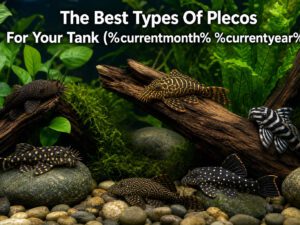
Bottom feeder fish are the unsung heroes of freshwater aquariums. These helpful scavengers patrol the substrate, devouring leftover food, algae, and organic debris that would otherwise pollute your water. In 2026, more aquarists than ever are discovering how these active bottom dwellers not only keep tanks cleaner but also add fascinating movement and personality to the lower regions of their aquascapes.
Choosing the right bottom feeder depends on your tank size, existing inhabitants, and experience level. Some species like Corydoras catfish work brilliantly for beginners with small community tanks. Others such as Plecostomus require much larger aquariums and more specialized care. Understanding these differences before adding them to your setup ensures both your new fish and existing tank mates thrive together.
In this comprehensive guide, we cover the best bottom feeder fishes available to aquarium hobbyists today. You will discover which species suit nano tanks under 10 gallons, which work best for beginners, and which provide the most effective cleanup crew duties. We also highlight which species to avoid and why certain popular fish are actually mid-water swimmers rather than true bottom dwellers. For help selecting the right nutrition, check out our guide to bottom feeder fish food to keep your scavengers healthy and active.
Table of Contents
Bottom Feeder Comparison by Tank Size
Not all bottom feeders suit every aquarium. Some species grow too large for small tanks while others need specific water conditions. This comparison table helps you quickly identify which bottom dweller matches your setup. Consider your tank dimensions, filtration capacity, and existing community fish when making your selection.
| Fish Species | Min Tank Size | Care Level | Temperament | School Size |
|---|---|---|---|---|
| Corydoras Catfish | 10 gallons | Easy | Peaceful | 6+ |
| Otocinclus | 10 gallons | Moderate | Peaceful | 6+ |
| Pygmy Corydoras | 10 gallons | Easy | Peaceful | 8+ |
| Kuhli Loach | 20 gallons | Easy | Peaceful | 3+ |
| Bristlenose Pleco | 30 gallons | Easy | Peaceful | Solitary |
| Siamese Algae Eater | 30 gallons | Easy | Peaceful | 3+ |
| Zebra Loach | 30 gallons | Moderate | Peaceful | 6+ |
| Flying Fox | 30 gallons | Moderate | Semi-aggressive | Solitary |
| Chinese Algae Eater | 55 gallons | Easy | Semi-aggressive | Solitary |
| Bumblebee Goby | 10 gallons | Moderate | Peaceful | 6+ |
| Hillstream Loach | 20 gallons | Moderate | Peaceful | 3+ |
| Clown Loach | 75 gallons | Easy | Peaceful | 5+ |
| Synodontis Catfish | 75 gallons | Easy | Peaceful | 1+ |
| Plecostomus | 100 gallons | Moderate | Peaceful | Solitary |
The 14 Best Bottom Feeder Fishes for 2026
The following list features fourteen excellent bottom feeder fish species for freshwater aquariums. Each entry includes scientific information, care requirements, and practical advice to help you succeed with these fascinating substrate dwellers. We selected these species based on their cleaning abilities, tank compatibility, and availability to hobbyists.
Remember that bottom feeders complement your regular maintenance routine rather than replacing it entirely. While they consume algae, detritus, and leftover food, they still require proper feeding and water conditions to remain healthy. Most bottom feeders make excellent community fish when paired correctly with appropriate tank mates.
1. Corydoras Catfish
| Scientific name | Corydoras spp. |
| Origin: | South America |
| Size | 1 to 3 inches |
| Lifespan | 5 to 10 years |
| Activity Level | Peaceful |
| Care level: | Easy |
| pH level: | 6.0-7.5 |
| Temperature: | 72-78°F |
Corydoras catfish rank as the most popular bottom feeder among aquarium hobbyists for good reason. These small, armored catfish sport barbels around their mouths that help them detect food in the substrate. They spend their days sifting through gravel or sand, searching for edible bits while providing endless entertainment with their active, social behavior.
Several varieties exist to suit different tank sizes and aesthetics. Pygmy Corydoras stay under one inch and work perfectly in nano tanks as small as ten gallons. Bronze Corydoras, the classic variety, reach about two and a half inches with beautiful coppery-green coloration. Albino Corydoras offer striking pink-white bodies with red eyes. For something more exotic, consider Salt and Pepper Corydoras, Panda Corydoras, Sterbai Corydoras with their orange pectoral fins, or the stunning Green Laser Corydoras with their iridescent stripe.
Corydoras absolutely must be kept in groups of six or more. These schooling fish display natural behaviors, improved coloration, and reduced stress only when maintained in proper numbers. Single Corydoras often hide, refuse food, and waste away from isolation stress. In well-sized groups, they transform into confident, active fish that constantly explore the bottom layer of your aquarium.
These catfish thrive on a varied diet including sinking pellets, wafers, frozen bloodworms, and occasional vegetables like blanched zucchini. They appreciate sandy substrates that protect their sensitive barbels during sifting. Corydoras breathe air from the surface occasionally, so ensure your tank has open swimming space beneath the hood. They work brilliantly in planted community tanks with other peaceful freshwater catfish and small community fish.
2. Plecostomus
| Scientific name | Hypostomus plecostomus |
| Origin: | Amazon River, Brazil |
| Size | Up to 24 inches |
| Lifespan | 10 to 15 years |
| Activity Level | Nocturnal |
| Care level: | Moderate |
| pH level: | 6.5-7.5 |
| Temperature: | 72-78°F |
The common Plecostomus, often called the Common Pleco, remains one of the most recognized bottom feeders in the aquarium hobby. These impressive sucker-mouth catfish use their specialized lips to attach to glass, rocks, and driftwood while scraping algae and biofilm. Their heavy bodies and distinctive appearance make them a focal point in larger community tanks.
However, prospective owners must understand the full adult size these fish reach. Pet stores often sell juvenile Plecos under three inches, but they eventually grow into massive fish exceeding twenty inches in length. This growth necessitates aquariums of at least one hundred gallons with powerful filtration. Many aquarists unknowingly purchase these fish for small tanks, leading to problems when the fish outgrow their home within a year or two.
Plecostomus develop strong personalities and establish territories as they mature. They generally tolerate community fish but may become aggressive toward other bottom dwellers encroaching on their space. They require driftwood in their diet for proper digestion, alongside algae wafers, fresh vegetables like cucumber and zucchini, and occasional protein from sinking pellets. They prefer dim lighting and plenty of hiding spots where they retreat during daylight hours.
Despite their cleaning reputation, Plecos produce considerable waste themselves. Their bioload requires robust filtration and regular water changes. They work best in established tanks with algae growth to sustain them, though they cannot survive on algae alone. Consider whether you can accommodate their long-term needs before bringing one home, as rehoming oversized Plecos proves challenging.
3. Clown Loach
| Scientific name | Chromobotia macracanthus |
| Origin: | Indonesia |
| Size | Up to 12 inches |
| Lifespan | 15 to 20 years |
| Activity Level | Active |
| Care level: | Easy |
| pH level: | 6.0-7.5 |
| Temperature: | 75-85°F |
Clown Loaches bring personality and vibrant coloration to the bottom regions of large aquariums. Their orange bodies adorned with three bold black stripes create an eye-catching display, while their active behavior and social nature endear them to aquarists. These fish are true characters that recognize their owners, play during feeding time, and even produce clicking sounds when communicating or eating.
These loaches need substantial aquariums of at least seventy-five gallons, though larger is better given their potential twelve-inch adult size and active swimming habits. They are social fish that must be kept in groups of five or more to display natural behaviors and prevent stress. Single Clown Loaches often become withdrawn, whereas groups constantly interact, chase each other playfully, and pile together in resting piles.
Clown Loaches possess subocular spines beneath their eyes that they can extend when threatened or during handling. They use these spines to wedge themselves into crevices in the wild. During transport or net handling, these spines can snag in nets, so handle them carefully using containers rather than nets when possible. They appreciate smooth rocks, driftwood caves, and soft substrates where they root for food.
Their diet should include high-quality sinking pellets, algae wafers, frozen foods like bloodworms and brine shrimp, and fresh vegetables. They are particularly fond of snails and help control pest snail populations in planted tanks. Clown Loaches require clean, well-oxygenated water with excellent filtration. Their long lifespan means they become decade-long companions when properly cared for, making them a serious commitment but a rewarding one.
4. Kuhli Loach
| Scientific name | Pangio kuhlii |
| Origin: | Southeast Asia |
| Size | Up to 4 inches |
| Lifespan | 8 to 10 years |
| Activity Level | Nocturnal |
| Care level: | Easy |
| pH level: | 5.5-7.0 |
| Temperature: | 75-86°F |
Kuhli Loaches resemble tiny aquatic snakes with their elongated, eel-like bodies and alternating pinkish-brown and dark brown bands. These fascinating bottom dwellers spend daylight hours hiding under driftwood, rocks, or within plant thickets, emerging at dusk to forage across the substrate with surprising speed and agility.
Despite their shy daytime behavior, Kuhli Loaches become remarkably active once the aquarium lights dim. They work best in groups of four or more, where their confidence increases and they exhibit fascinating social interactions. Multiple loaches often intertwine together in hiding spots or chase each other playfully during evening feeding sessions. Their peaceful nature makes them perfect for community tanks with other non-aggressive fish.
These loaches appreciate soft, acidic water conditions mimicking their forest stream origins. They thrive in planted tanks with plenty of hiding opportunities created by driftwood, rock caves, and dense vegetation. A soft substrate prevents injury to their delicate bellies as they burrow partially into sand. Ensure your aquarium has a tight-fitting lid, as Kuhli Loaches are notorious escape artists that can squeeze through surprisingly small gaps.
Kuhli Loaches accept sinking pellets, frozen foods, and live options like bloodworms or tubifex worms. They scavenge leftover food but require targeted feeding to ensure adequate nutrition since they are nocturnal when other fish may be less active. They make excellent tank mates for shy or peaceful community fish, dwarf shrimp, and other small bottom feeders. Their unique appearance and behaviors add intrigue to any appropriate aquarium.
5. Chinese Algae Eater
| Scientific name | Gyrinocheilus aymonieri |
| Origin: | Thailand, Vietnam |
| Size | Up to 11 inches |
| Lifespan | 5 to 10 years |
| Activity Level | Active |
| Care level: | Easy |
| pH level: | 6.8-8.0 |
| Temperature: | 75-82°F |
The Chinese Algae Eater serves as a functional bottom dweller particularly prized for controlling algae growth during its juvenile stage. Young specimens actively graze glass, rocks, and plant leaves, consuming various algae types including difficult hair algae. Their sucker-like mouths allow them to attach firmly to surfaces while scraping food, similar to Plecostomus species.
However, aquarists should understand how these fish change as they mature. Juvenile Chinese Algae Eaters are peaceful and focused on grazing. Adult specimens, reaching up to eleven inches, often become territorial and semi-aggressive. They may harass slower-moving fish, particularly those with broad flat bodies similar to their own. This behavioral shift means they work best in tanks with active, similarly-sized fish or as solitary specimens in appropriate community setups.
Their algae-eating efficiency decreases significantly with age. Adult Chinese Algae Eaters often prefer protein-rich foods over algae, requiring sinking pellets and wafers to supplement their diet. Provide driftwood, rocks, and sturdy plants for grazing surfaces. They appreciate moderate water flow and well-oxygenated conditions reflecting their riverine origins. Regular water changes help maintain the clean conditions they prefer.
Chinese Algae Eaters need aquariums of at least fifty-five gallons for long-term success given their adult size and activity level. They are not suitable for small community tanks or delicate planted setups where their size and potential aggression cause problems. When kept in appropriate conditions with suitable tank mates, they remain interesting, active bottom dwellers that contribute to aquarium maintenance.
6. Bristlenose Pleco
| Scientific name | Ancistrus spp. |
| Origin: | Amazon River basin |
| Size | 4 to 6 inches |
| Lifespan | 5 to 12 years |
| Activity Level | Nocturnal |
| Care level: | Easy |
| pH level: | 6.0-7.5 |
| Temperature: | 72-79°F |
Bristlenose Plecos offer the algae-eating benefits of their larger Plecostomus cousins in a much more manageable package. These compact catfish reach only four to six inches, making them suitable for medium-sized community tanks of thirty gallons or more. Their distinctive bristled noses, particularly pronounced in mature males, give them their common name and unique appearance.
These Plecos rank among the most efficient algae eaters available to hobbyists. They consume green spot algae, brown diatoms, and various surface films that other fish ignore. Their smaller size allows them to squeeze into tighter spaces between rocks and plants, cleaning areas larger Plecos cannot reach. They work particularly well in planted tanks where their plant-safe grazing helps maintain aesthetic glass and leaf surfaces.
Bristlenose Plecos are generally peaceful and ignore tank mates, though mature males may spar over territory or breeding caves. They require driftwood in their diet, which provides essential fiber for their digestion. Supplement their grazing with algae wafers, blanched vegetables like zucchini and cucumber, and occasional protein from sinking pellets. They prefer dim lighting and appreciate caves or hiding spots where they rest during the day.
These fish come in several color variations including common brown, albino, super red, and calico patterns. All varieties share the same care requirements and helpful cleaning behaviors. Bristlenose Plecos occasionally breed in home aquariums, with males guarding eggs and fry in caves. Their manageable size, peaceful nature, and effective cleaning make them an ideal choice for aquarists wanting Pleco benefits without the massive tank requirements.
7. Flying Fox
| Scientific name | Epalzeorhynchos kalopterus |
| Origin: | Thailand, Malaysia, Indonesia |
| Size | Up to 6 inches |
| Lifespan | 5 to 8 years |
| Activity Level | Active |
| Care level: | Moderate |
| pH level: | 6.0-7.5 |
| Temperature: | 75-80°F |
The Flying Fox is a striking bottom-dwelling fish known for the bold black stripe running horizontally along its golden-orange body. Native to fast-flowing streams and rivers of Southeast Asia, this active fish adds movement and algae-control capabilities to appropriate community aquariums. Their streamlined bodies and constant motion make them fascinating additions to the lower water column.
Flying Foxes are often confused with the similar-looking Siamese Algae Eater, but several differences distinguish them. Flying Foxes possess a distinctive black stripe that extends through their tail fin, while Siamese Algae Eaters have a stripe that fades before the tail. Flying Foxes also develop a more slender, elongated body shape and can become slightly more territorial as they mature. Understanding these differences helps aquarists select the right species for their needs.
These fish excel at controlling algae during their juvenile phase, grazing on green spot algae and hair algae with enthusiasm. As they mature, their algae consumption decreases, and they require more supplemental feeding with algae wafers, sinking pellets, and fresh vegetables. They appreciate aquariums with moderate water flow, which mimics their natural stream habitats and keeps them active and healthy.
Flying Foxes need aquariums of at least thirty gallons with plenty of swimming space and stable water parameters. They can become territorial toward similar-looking fish or other bottom feeders encroaching on their territory. Keep them with active, non-aggressive community fish that occupy different tank regions. Provide driftwood, rocks, and sturdy plants for grazing surfaces and territorial boundaries. With proper care, they remain colorful, active contributors to your aquarium cleanup crew.
8. Otocinclus
| Scientific name | Otocinclus spp. |
| Origin: | South America |
| Size | Up to 2 inches |
| Lifespan | 3 to 5 years |
| Activity Level | Active |
| Care level: | Moderate |
| pH level: | 6.0-7.5 |
| Temperature: | 70-79°F |
Otocinclus catfish, affectionately called "Otos" by aquarists, are tiny algae-eating powerhouses perfect for nano and small community tanks. These diminutive fish rarely exceed two inches yet work tirelessly to keep aquarium surfaces clean of diatoms and soft algae films. Their small size and peaceful nature allow them to fit into tanks as small as ten gallons, where larger algae eaters would be inappropriate.
Otocinclus catfish should always be kept in groups of six or more despite their small size. They are social fish that gain confidence and exhibit better cleaning behaviors in proper schools. Groups of Otos can be observed grazing together on the same patch of algae or glass, creating charming scenes of miniature cooperation. Their schooling behavior also reduces stress and encourages more active daytime feeding.
These fish are somewhat delicate and require established aquariums with stable water parameters and sufficient algae growth to sustain them. New tanks often lack adequate food sources, leading to starvation. Supplement their diet with algae wafers, blanched vegetables, and high-quality sinking pellets. They prefer planted tanks with broad-leafed plants like Anubias and Java Fern that collect edible biofilms and provide grazing surfaces.
Otos have a unique defense mechanism, possessing a small spine beneath each eye that can be extended when threatened. They are completely peaceful with all community fish and invertebrates, including shrimp. Their tiny mouths cannot harm plants or bother tank mates. However, they are sensitive to poor water conditions and medications, so maintain excellent water quality and quarantine them properly before introducing to main tanks.
9. Siamese Algae Eater
| Scientific name | Crossocheilus oblongus |
| Origin: | Southeast Asia |
| Size | Up to 6 inches |
| Lifespan | 8 to 10 years |
| Activity Level | Active |
| Care level: | Easy |
| pH level: | 6.5-8.0 |
| Temperature: | 75-79°F |
The Siamese Algae Eater stands out as one of the few fish that continues eating algae voraciously throughout its entire life, not just during juvenile stages. These hardworking bottom dwellers possess an insatiable appetite for various algae types including the dreaded black beard algae that many other cleaners ignore. Their constant grazing makes them invaluable additions to planted community tanks.
Identification proves crucial since several similar-looking fish are sold under the same name. True Siamese Algae Eaters have a distinctive black stripe running from nose to tail that does not extend into the tail fin itself. They also lack the bold coloration of Flying Foxes, appearing more silvery-gray. Purchasing from reputable sources ensures you receive the genuine algae-eating species rather than lookalikes that may become aggressive or stop eating algae.
These fish remain peaceful throughout their lives, making them safe additions to community tanks with small fish and shrimp. They are active swimmers that appreciate moderate water flow and plenty of horizontal swimming space. Groups of three or more display better confidence and cleaning coverage across the tank. However, they can also thrive as solitary specimens if tank size limits the number of bottom dwellers.
Siamese Algae Eaters need aquariums of at least thirty gallons given their adult size and activity level. While they subsist primarily on algae in established tanks, supplement their diet with algae wafers, blanched vegetables, and occasional protein. They are jumpers, so keep a secure lid on your aquarium. Their peaceful nature, persistent algae-eating habits, and manageable care requirements make them an excellent choice for aquarists seeking effective tank maintenance help.
10. Zebra Loach
| Scientific name | Botia striata |
| Origin: | India |
| Size | Up to 4 inches |
| Lifespan | 8 to 12 years |
| Activity Level | Active |
| Care level: | Moderate |
| pH level: | 6.0-7.5 |
| Temperature: | 75-82°F |
Zebra Loaches are striking bottom dwellers named for the bold black and silver vertical stripes covering their elongated bodies. These active, social fish bring both beauty and functionality to community aquariums, constantly foraging across the substrate for edible morsels. Their smaller size compared to Clown Loaches makes them suitable for more modestly-sized tanks while maintaining similar charming personalities.
Like other loaches, Zebras require the company of their own kind to thrive. Keep them in groups of six or more to encourage natural behaviors, reduce stress, and display their best coloration. In proper schools, they become remarkably bold and active, whereas solitary specimens often hide and waste away. Their social interactions include playful chasing, group foraging expeditions, and resting in cozy piles under driftwood or rocks.
These loaches are excellent snail controllers, making them popular choices for planted tanks suffering from pest snail explosions. They use their subocular spines and determined persistence to extract snails from shells without harming plants. Beyond snails, they accept sinking pellets, frozen foods, algae wafers, and fresh vegetables. They particularly appreciate protein-rich foods while maintaining their bottom-feeding duties.
Zebra Loaches need aquariums of at least thirty gallons with soft substrate and plenty of hiding spots. They prefer moderate water flow and well-oxygenated conditions. While generally peaceful, they may spar among themselves in harmless displays of dominance. They work excellently with other peaceful community fish but avoid housing them with aggressive or fin-nipping species. Their long lifespan and engaging behavior make them rewarding long-term aquarium residents.
11. Bumblebee Goby
| Scientific name | Brachygobius spp. |
| Origin: | Thailand, Indonesia |
| Size | Up to 1.5 inches |
| Lifespan | 2 to 3 years |
| Activity Level | Active |
| Care level: | Moderate |
| pH level: | 7.0-8.5 |
| Temperature: | 72-84°F |
Bumblebee Gobies are tiny, vividly colored bottom dwellers resembling their namesake insects with alternating black and yellow-orange bands. These diminutive fish stay under two inches yet pack personality into small aquariums. Their bold coloration and active perching behavior make them standout additions to nano tanks and specialized setups that can accommodate their specific requirements.
Unlike many bottom feeders on this list, Bumblebee Gobies prefer slightly brackish water conditions. They originate from estuaries and coastal streams where freshwater meets saltwater. While some aquarists keep them in pure freshwater successfully, they display better health and coloration in lightly brackish conditions with a specific gravity around 1.003 to 1.005. This requirement limits their tank mate options to other brackish-tolerant species.
These gobies are social fish that should be kept in groups of six or more. They establish little territories among rocks and caves but generally coexist peacefully when maintained in proper schools. Males display brighter colors and spar harmlessly for dominance. They appreciate tanks with smooth gravel or sand, plenty of small caves or rock piles, and moderate water flow that prevents debris accumulation without being too strong for their small size.
Bumblebee Gobies accept small frozen foods like daphnia, baby brine shrimp, and cyclops. They often ignore flake foods, requiring more specialized feeding approaches. They are excellent scavengers that pick at tiny food particles between regular feedings. Their small size means they work best in species-only tanks or with other tiny, peaceful brackish fish. Their unique appearance and behaviors reward aquarists willing to meet their specific care needs.
12. Hillstream Loach
| Scientific name | Sewellia lineolata |
| Origin: | Vietnam, Laos |
| Size | Up to 3 inches |
| Lifespan | 8 to 10 years |
| Activity Level | Very active |
| Care level: | Moderate |
| pH level: | 6.5-7.5 |
| Temperature: | 68-75°F |
Hillstream Loaches are fascinating flattened fish perfectly adapted to life in fast-flowing streams. Their specialized body shape and modified fins allow them to cling to rocks in powerful currents that would sweep away conventional fish. This unique adaptation makes them exceptional algae eaters for aquariums that can provide appropriate water flow and cool temperatures.
These loaches possess a striking reticulated pattern of dark lines over a golden-brown base, giving them a butterfly or ray-like appearance. Their undersides feature modified fins that create suction cups, letting them attach firmly to smooth surfaces even in strong currents. They spend their time grazing on algae, biofilm, and microorganisms that colonize rocks and aquarium glass in areas with good water movement.
Successfully keeping Hillstream Loaches requires specific environmental conditions. They need cooler temperatures between sixty-eight and seventy-five degrees Fahrenheit, well below tropical community tank standards. Strong water flow is essential, achieved through powerheads or specialized river-tank setups. Without adequate flow, they become lethargic and fail to thrive. Their specialized needs make them unsuitable for standard heated community tanks but perfect for cooler water or hillstream biotope setups.
Keep Hillstream Loaches in groups of three or more to encourage natural grazing behaviors and reduce stress. They are completely peaceful and safe with all community fish and shrimp. Supplement their grazing with algae wafers, blanched vegetables, and small amounts of protein. Their unique appearance, active behavior, and specialized care requirements make them rewarding fish for dedicated aquarists willing to create appropriate environments.
13. Synodontis Catfish
| Scientific name | Synodontis spp. |
| Origin: | Africa |
| Size | 3 to 12 inches |
| Lifespan | 8 to 15 years |
| Activity Level | Nocturnal |
| Care level: | Easy |
| pH level: | 6.5-8.0 |
| Temperature: | 72-82°F |
Synodontis Catfish represent a diverse genus of African catfish known for their hardiness, unique appearances, and upside-down swimming behaviors. These fascinating bottom dwellers originate from the lakes and rivers of Africa, particularly Lake Tanganyika, where many species evolved alongside cichlids. Their adaptability and interesting behaviors make them popular choices for larger community tanks and African cichlid setups.
The most commonly available species include Synodontis nigriventris, known for its habit of swimming inverted beneath driftwood and decorations. Other popular varieties include the spotted Synodontis angelicus and the elegant Synodontis decorus. Sizes vary significantly by species, ranging from compact three-inch varieties to impressive foot-long specimens. Research your chosen species carefully to ensure appropriate tank sizing.
These catfish are primarily nocturnal, spending daylight hours hidden in caves or under decorations before emerging at night to forage actively. They accept virtually any food offered including sinking pellets, frozen foods, algae wafers, and fresh vegetables. Some species develop the interesting habit of grazing algae upside down on tank surfaces. They are generally peaceful though large specimens may eat very small fish or shrimp.
Synodontis Catfish need aquariums of at least seventy-five gallons for larger species, with smaller varieties requiring forty gallons minimum. They appreciate rocky caves, driftwood hiding spots, and subdued lighting. While often kept with African cichlids, they work equally well in other large community setups with appropriate tank mates. Their long lifespans and hardy nature make them excellent long-term additions to spacious aquariums needing reliable bottom-dwelling cleanup crew members.
14. Rosy Loach
| Scientific name | Petruichthys sp. 'rosy' |
| Origin: | Myanmar |
| Size | Up to 2 inches |
| Lifespan | 4 to 6 years |
| Activity Level | Active |
| Care level: | Easy |
| pH level: | 6.0-7.5 |
| Temperature: | 68-77°F |
Rosy Loaches are relatively new additions to the aquarium hobby but have quickly gained popularity for their small size, active behavior, and beautiful coloration. These tiny bottom dwellers reach only two inches yet display remarkable social behaviors and striking pinkish-orange hues that intensify during spawning conditions. Their peaceful nature and adaptability make them excellent choices for nano and small community tanks.
These loaches are closely related to dwarf chain loaches and share similar active, gregarious behaviors. They must be kept in groups of six or more to display their best colors and confidence. In proper schools, they constantly forage across the substrate together, creating delightful displays of coordinated movement. Their small size allows them to work effectively in tanks as small as ten gallons where larger bottom feeders would be inappropriate.
Rosy Loaches thrive in planted tanks with soft substrate and moderate water flow. They appreciate temperatures on the cooler side of tropical standards, overlapping with the preferences of White Cloud Mountain Minnows and some danio species. They accept a wide variety of foods including sinking micro-pellets, frozen cyclops, baby brine shrimp, and algae wafers crushed into appropriate sizes. They are particularly fond of small frozen foods they can hunt from the substrate.
These fish work brilliantly with other small, peaceful community fish and invertebrates. Their diminutive size means they cannot be kept with larger or aggressive species that might bully them or mistake them for food. They are excellent scavengers that help control uneaten food and detritus in small tanks. Their active daytime behavior, attractive coloration, and manageable care requirements make them ideal bottom feeders for aquarists with limited tank space seeking something beyond the standard Corydoras option.
Frequently Asked Questions
Which bottom feeder fish is best?
Corydoras catfish are widely considered the best bottom feeder fish for most aquarists. They stay small, are completely peaceful, easy to care for, and work in tanks as small as 10 gallons. They also come in many varieties to suit different preferences. For larger tanks requiring heavy algae control, Siamese Algae Eaters or Bristlenose Plecos are excellent choices.
What bottom feeding fish should I avoid?
Avoid the Common Plecostomus unless you have a 100+ gallon aquarium, as they grow to 24 inches. Chinese Algae Eaters can become aggressive as adults. African Butterfly Fish are actually top-dwelling predators, not bottom feeders. Oscar Fish and many cichlids are not specialized bottom feeders despite sometimes digging in the substrate. Always research adult size and temperament before purchasing.
What are the best bottom feeder fish to keep the tank clean?
Siamese Algae Eaters and Otocinclus excel at algae control throughout their lives. Corydoras and loaches help remove leftover food and detritus from the substrate. Bristlenose Plecos clean glass and decorations effectively. For comprehensive tank cleaning, combine an algae specialist with a substrate sifter like Corydoras or Kuhli Loaches.
What fish are friendly bottom feeders?
Corydoras catfish are the friendliest bottom feeders, completely peaceful with all community fish including bettas and shrimp. Kuhli Loaches, Otocinclus, and Rosy Loaches are also extremely peaceful. Zebra Loaches and Hillstream Loaches rarely cause problems. Avoid semi-aggressive species like Chinese Algae Eaters and territorial Plecostomus in peaceful community tanks.
Do bottom feeders eat algae?
Many bottom feeders eat algae, but not all. Otocinclus, Siamese Algae Eaters, and Bristlenose Plecos are specialized algae grazers. Corydoras primarily eat leftover food and detritus, not algae. Loaches generally prefer protein and plant matter over algae. Choose your bottom feeder based on what type of cleaning you need most.
How many bottom feeders do I need per gallon?
For schooling bottom feeders like Corydoras or Otocinclus, keep groups of 6 in tanks of 10-20 gallons minimum. Larger species like Plecos need 30+ gallons per individual. Consider bioload rather than just numbers. Two small Corydoras produce less waste than one large Pleco. A good rule is having enough bottom feeders to clean visible debris without overstocking your tank.
Conclusion
Bottom feeder fish transform ordinary aquariums into thriving, balanced ecosystems while reducing maintenance demands. The key to success lies in matching the right species to your specific tank size, water parameters, and community inhabitants. Corydoras catfish remain the top choice for most aquarists in 2026 due to their peaceful nature, manageable size, and engaging social behaviors. For specialized needs, consider Bristlenose Plecos for algae control, Kuhli Loaches for nocturnal interest, or Hillstream Loaches for cooler water setups.
Avoid common mistakes like purchasing Common Plecos for small tanks or confusing mid-water swimmers like Rasboras with true bottom dwellers. Remember that bottom feeders complement rather than replace regular aquarium maintenance. They need proper nutrition, stable water conditions, and appropriate tank mates to thrive. Browse our complete bottom feeder guides for detailed species information, and explore our recommendations for specialized bottom feeder nutrition to keep your cleanup crew healthy and active.
Whether you are setting up your first community tank or expanding an established aquarium, the right bottom feeder adds both functional benefits and fascinating behaviors to your underwater world. Choose wisely, provide appropriate care, and enjoy watching these helpful scavengers patrol the substrate of your aquatic ecosystem.