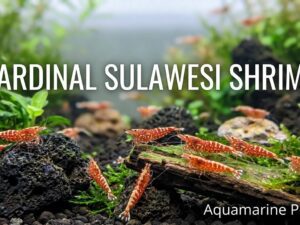
Cherry shrimp have become the gateway to freshwater invertebrate keeping for thousands of aquarium hobbyists, and it is easy to see why. These tiny, vibrant scavengers add movement and color to planted tanks while performing the valuable service of consuming algae and organic debris. Whether you are setting up your first nano aquarium or expanding an established community, understanding proper cherry shrimp care creates the foundation for a thriving colony that breeds readily and displays intense coloration.
Despite their reputation as beginner-friendly livestock, cherry shrimp have specific requirements that differ from fish keeping. They need stable water parameters with adequate minerals for shell development, mature tanks with established biofilm, and careful attention to copper levels in medications and fertilizers. When these needs are met, a small group of ten shrimp can multiply into hundreds within months.
This cherry shrimp care guide covers everything from scientific classification and color grading to breeding techniques and disease prevention. By following these evidence-based recommendations, you will provide an environment where your Neocaridina davidi not only survive but display the brilliant reds, blues, and yellows that make them aquarium favorites.
Table of Contents
- Species Summary
- Cherry Shrimp Care
- Tank Size For Cherry Shrimp
- Water Parameters For Cherry Shrimp
- Filtration
- Heating
- Lighting
- Substrate For Cherry Shrimp
- Plants
- Decorations
- Biofilm and Surface Preparation
- Water Changes
- Cleaning The Tank
- Cleaning The Filter
- Testing The Water
- Cherry Shrimp Molting Process
- Molting Troubleshooting (White Ring of Death)
- Cherry Shrimp Common Possible Diseases
- Symptoms Of Diseases In Cherry Shrimp
- Preventing Diseases
- Cherry Shrimp Treatment And Medications
- Cherry Shrimp Food & Diet
- Cherry Shrimp Diet Foods To Avoid
- Cherry Shrimp Feeding Schedule
- Cherry Shrimp Tank Mates
- Fish To Avoid
- Advantages Of Having Cherry Shrimp In Your Tank
- Disadvantages Of Having Cherry Shrimp In Your Tank
- Frequently Asked Questions
- Are cherry shrimp hard to care for?
- How many cherry shrimp should I keep together?
- How many cherry shrimp can live in a 1 gallon tank?
- What makes cherry shrimp happy?
- How long do cherry shrimp eggs take to hatch?
- What is the white ring of death in cherry shrimp?
- Can cherry shrimp live with betta fish?
- Do cherry shrimp need a heater?
- Conclusion
Species Summary
| Scientific name: | Neocaridina davidi (formerly heteropoda) |
| Common name: | Cherry shrimp, Red Cherry shrimp, RCS |
| Family: | Atyidae |
| Origin: | Taiwan and mainland China |
| Size: | 1 to 1.5 inches (2.5 to 4 cm) |
| Life span: | 1 to 2 years (up to 3 with optimal care) |
| Habitat: | Freshwater streams and ponds |
| Behavior: | Peaceful, social, active scavengers |
| Tank size: | Minimum 5 gallons (20 liters) |
| Temperature range: | 65° to 85°F (18° to 29°C) |
| pH Range: | 6.5 to 8.0 |
| GH (General Hardness): | 6 to 14 dGH (100 to 250 ppm) |
| KH (Carbonate Hardness): | 2 to 7 dKH (36 to 125 ppm) |
| TDS (Total Dissolved Solids): | 150 to 250 ppm |
| Water type: | Freshwater, moderately hard |
| Activity Level: | Moderate to high |
| Compatibility: | Peaceful community members |
| Care requirements: | Easy to moderate; stable parameters essential |
| Breeding: | Easy in proper conditions |
| Diet: | Omnivorous detritivores (biofilm, algae, prepared foods) |
Neocaridina davidi, commonly called cherry shrimp or red cherry shrimp, represents one of the most successful ornamental invertebrates in the aquarium trade. Originally classified as Neocaridina heteropoda and later Neocaridina denticulata sinensis, modern taxonomy recognizes N. davidi as the correct scientific name. These dwarf shrimp belong to the Atyidae family and originate from the subtropical freshwater systems of Taiwan and surrounding regions.
Through decades of selective breeding, hobbyists have developed dozens of color morphs beyond the original red. Wild populations display brownish-green camouflage coloring, but captive strains now include fire red, sakura grades, blue dream, blue velvet, green jade, yellow, orange, rili patterns, and the deep red bloody mary variant. Despite color differences, all variants share identical care requirements.

Cherry Shrimp Appearance
Cherry shrimp display an unmistakable profile with a curved rostrum projecting from the head and a segmented body divided into cephalothorax and abdomen. Their exoskeleton provides both protection and the canvas for their celebrated coloration. Two pairs of antennae constantly sweep the environment, detecting chemical signals and food sources while the compound eyes on short stalks monitor for predators.

Sexual dimorphism becomes apparent once shrimp reach sexual maturity at three to four months of age. Females grow noticeably larger, reaching up to 1.5 inches while males typically remain under 1.25 inches. Female bodies appear rounder and more deeply curved, especially when carrying eggs. A distinguishing feature is the saddle, a yellowish or greenish patch visible through the carapace on the female's upper back, which represents developing eggs in the ovaries before transfer to the swimmerets.
The swimmerets, also called pleopods, are the small appendages beneath the tail where females carry fertilized eggs. During the berried stage, females use these swimmerets to fan oxygenated water over the eggs, preventing fungal growth and ensuring proper development. Males lack this specialized structure and display slimmer, more streamlined abdomens.
Cherry Shrimp Size & Growth Rate
Newborn cherry shrimp, called shrimplets or fry, emerge from eggs measuring approximately 2 millimeters in length, barely visible to the naked eye. These miniature versions of adults immediately begin grazing on biofilm and microscopic organisms coating surfaces. Under optimal conditions with abundant food and stable parameters, shrimplets reach juvenile size of 0.5 inches within six to eight weeks.

The growth rate from juvenile to adult typically spans two to three months, with full sexual maturity achieved around five months of age. Adult females reach 1 to 1.5 inches while males peak at approximately 1 inch. Growth rates correlate directly with temperature and food availability, warmer water between 72° and 78°F accelerates metabolism and growth, while cooler temperatures below 70°F slow development but may extend lifespan.
Maximum size potential varies somewhat between color strains, with some selectively bred lines like bloody mary reaching slightly larger dimensions than lower-grade cherry reds. Individual genetics, diet quality, and water chemistry all influence whether a shrimp reaches the upper end of the size range or remains somewhat smaller.
Cherry Shrimp Lifespan
Under average aquarium conditions, cherry shrimp live between 12 and 18 months. With optimal care including stable water parameters, excellent diet, and cool temperatures between 68° and 72°F, individuals occasionally reach two years and rare specimens survive up to three years. Cooler temperatures slow metabolism and reduce the physiological stress that accelerates aging.
Lifespan correlates inversely with breeding intensity. Females that breed continuously, carrying eggs every three to four weeks throughout their adult lives, typically exhaust themselves within 12 to 15 months. In species-only tanks where breeding occurs unchecked, you may notice the original adult population declining just as the first generation of offspring reaches breeding age, creating a self-sustaining but constantly renewing colony.
Sudden deaths in shrimp under six months of age usually indicate water quality issues, parameter swings, or copper exposure rather than natural lifespan expiration. Consistent testing of ammonia, nitrite, and nitrate alongside stable GH and KH levels prevents premature mortality and supports the full genetic lifespan potential of your colony.
Cherry Shrimp Behavior & Temperament
Cherry shrimp exhibit peaceful, social behavior that makes them ideal community tank residents and excellent additions to planted aquariums. They spend the majority of their waking hours actively foraging across every surface, consuming biofilm, algae, and detritus with constant motion. Unlike many fish that establish territories, shrimp freely share feeding areas and will cluster together when a particularly rich food source is discovered.

Their activity level follows a predictable daily rhythm. Most active during dawn and dusk periods, shrimp also display continuous low-level grazing throughout daylight hours when the aquarium light is on. At night, with lights off, they retreat to shelter areas and rest in place, though they will emerge briefly if food is introduced during evening hours.
When threatened or during the vulnerable post-molt period, cherry shrimp seek immediate shelter. Providing adequate hiding places through dense planting, driftwood caves, or shrimp tubes ensures these peaceful invertebrates display confident, visible behavior rather than remaining in constant hiding. A colony that feels secure will spend most of its time in open view, performing their valuable scavenging work throughout the tank.
Cherry Shrimp Breeding
Breeding cherry shrimp requires no special intervention beyond maintaining healthy water parameters and providing a mature, cycled tank. The breeding process begins when a female develops visible eggs in her saddle, the yellowish-green patch on her back. After molting, she releases pheromones into the water that signal her readiness to mate, triggering increased activity and pursuit by males.

During mating, the male deposits sperm packets that the female stores internally. Within hours, she transfers the developed eggs from her saddle through the reproductive opening and past the sperm storage area, fertilizing them in the process. The now-berried female carries 15 to 30 bright yellow eggs beneath her tail, attached to her swimmerets.
The incubation period lasts approximately three to four weeks depending on temperature. Females fan their eggs constantly, oxygenating them and preventing fungal growth. During this period, berried females may become more secretive and less active, spending time in sheltered areas to protect their precious cargo.
Once hatched, miniature shrimplets emerge as perfect copies of adults, requiring no larval stage or special feeding. They immediately begin grazing on biofilm and microscopic organisms. Survival rates depend heavily on the presence of biofilm, sponge filtration to prevent intake deaths, and the absence of predatory tank mates.
Baby Shrimp (Shrimplet) Care
Newborn shrimplets face their most vulnerable period during the first two weeks of life. At less than 3 millimeters in length, they can be sucked into conventional filter intakes, consumed by fish that ignore adult shrimp, and starve without adequate microscopic food sources. Successful shrimplet rearing requires specific preparation and attention to detail.
Sponge filters provide the essential mechanical protection shrimplets need. Unlike hang-on-back or canister filters with exposed intake tubes, sponge filters allow even the tiniest babies to graze safely on the sponge surface without risk of entrapment. When using other filter types, a pre-filter sponge covering the intake is absolutely mandatory in breeding tanks.
Food for shrimplets differs from adult fare. While adults can consume algae wafers and blanched vegetables, babies require powdered or liquid foods that disperse throughout the water column and coat surfaces with edible particles. Commercial products like Bacter AE, Hikari First Bites, and powdered versions of quality shrimp pellets provide the protein and minerals necessary for rapid growth. Feeding small amounts twice daily ensures constant food availability without polluting the water.
Java moss and other dense, fine-leaved plants serve as both refuge and food source for shrimplets. The intricate structure traps detritus and biofilm while offering protection from any curious adult shrimp or small fish. A tank heavily planted with mosses will successfully raise far more shrimplets to adulthood than a sparsely decorated setup.
Cherry Shrimp Color Grading
The cherry shrimp hobby maintains a well-established color grading system that allows buyers and sellers to communicate quality expectations. Grading focuses on the percentage of red (or other base color) covering the shrimp's body, with higher grades commanding premium prices and displaying more intense, opaque coloration.

Low Grade (Cherry Grade): Translucent bodies with patches of color, often showing significant clear or brown areas. These shrimp may have color only on the head and tail with a clear midsection. While healthy and prolific breeders, they lack the visual impact of higher grades.
Medium Grade (Sakura Grade): More extensive color coverage with only small translucent patches remaining, typically on the joints between body segments. Color appears more intense and less see-through than low grades.
Medium-High Grade (Fire Red): Nearly solid coloration with minimal transparency. Fire reds show bright, vibrant color across at least 80 percent of the body surface. Only the joints and underbelly may show slight translucence.
High Grade (Painted Fire Red): Opaque, solid coloration covering 100 percent of the visible exoskeleton including the legs. These shrimp appear as solid blocks of color with no visible transparency even under bright light.
Bloody Mary: A specialized high-grade variant with deep wine-red coloration throughout the body and even internal organs. Unlike painted fire reds, bloody marys show their intense coloration through transparent tissue rather than opaque shell pigmentation.
Selective Breeding and Culling: Maintaining color quality in a breeding colony requires selective culling of lower-grade offspring. While this term sounds harsh, culling simply means removing lower-grade shrimp to either a separate tank or rehoming them. Without culling, colonies gradually revert to wild-type brown-green coloration within several generations. Serious breeders maintain separate tanks for different grades and remove off-color juveniles before they reach breeding age.
Cherry Shrimp Care
Successful cherry shrimp keeping balances water chemistry, biological maturity, and appropriate tank equipment. While these dwarf shrimp tolerate a wide parameter range, stability matters more than achieving perfect numbers. Sudden changes kill more shrimp than slightly imperfect but consistent conditions.
This section covers the fundamental care requirements every keeper should understand before acquiring their first colony.
Tank Size For Cherry Shrimp
Modern shrimp keeping standards recommend a minimum of 5 gallons (20 liters) for a small cherry shrimp colony. While individual shrimp are tiny, they produce waste that accumulates quickly in smaller volumes, and the biological stability of larger water volumes protects against the parameter crashes that kill entire colonies overnight.
For breeding purposes or colonies exceeding 20 individuals, 10 gallons provides significantly better outcomes. The larger volume supports more stable temperatures, dilutes waste products, and provides adequate surface area for the biofilm that forms the shrimp's primary food source. A 10-gallon tank also accommodates the dense planting that shrimplets need for survival.
Stocking density follows a general guideline of 5 to 10 shrimp per gallon in established, mature tanks. However, this assumes excellent filtration, regular maintenance, and heavy planting. New tanks or sparsely decorated setups should stock conservatively with 5 shrimp per gallon maximum until the colony establishes and breeding begins.
Water Parameters For Cherry Shrimp
Cherry shrimp thrive in moderately hard freshwater with specific mineral content supporting their exoskeleton development. Understanding general hardness (GH), carbonate hardness (KH), and total dissolved solids (TDS) separates successful keepers from those struggling with mysterious deaths and failed molts.
Temperature: 65° to 85°F (18° to 29°C). The optimal range for breeding and activity is 72° to 78°F. Cooler temperatures slow metabolism and extend lifespan but reduce breeding frequency. Temperatures above 80°F increase metabolism, accelerate growth and breeding, but shorten individual lifespan.
pH: 6.5 to 8.0. Cherry shrimp adapt to a wide pH range, but stability matters most. Avoid fluctuations greater than 0.5 pH units within 24 hours. KH levels above 2 dKH buffer against dangerous pH swings.
GH (General Hardness): 6 to 14 dGH (100 to 250 ppm). This parameter measures calcium and magnesium ions essential for shell formation. GH below 6 dGH causes molting failures and the white ring of death. GH above 14 dGH may inhibit breeding.
KH (Carbonate Hardness): 2 to 7 dKH (36 to 125 ppm). KH measures carbonate and bicarbonate ions that buffer pH against swings. Adequate KH prevents the dangerous pH crashes that kill shrimp overnight.
TDS (Total Dissolved Solids): 150 to 250 ppm. TDS measures all dissolved substances in water. While less critical than GH, monitoring TDS helps track overall water quality and mineral content. RO water remineralized specifically for shrimp keeping allows precise TDS control.
Ammonia, Nitrite, Nitrate: Ammonia and nitrite must remain at 0 ppm at all times. These compounds are toxic even in small amounts. Nitrate should stay below 20 ppm through regular water changes. Shrimp are more sensitive to nitrate than many fish species.
Copper Sensitivity: Cherry shrimp are extraordinarily sensitive to copper, which is toxic at concentrations above 0.02 ppm. Many fish medications, algaecides, and trace element fertilizers contain copper. Always verify copper-free status before adding any chemical to a shrimp tank. Even small amounts of copper-based medication can wipe out an entire colony.
Filtration
Sponge filters represent the gold standard for cherry shrimp aquariums. These simple, air-driven devices provide biological filtration through the sponge's massive surface area for beneficial bacteria while offering mechanical protection for shrimplets. The gentle flow doesn't create strong currents that stress shrimp, and the sponge itself becomes a grazing surface covered in edible biofilm.
When using hang-on-back or canister filters, a pre-filter sponge covering the intake tube is absolutely essential. Baby shrimp measuring mere millimeters can be sucked into exposed filter intakes, never to be seen again. Pre-filter sponges prevent these losses while also serving as additional biofilm grazing areas.
Filter flow rate should create gentle circulation without producing strong currents. Shrimp naturally inhabit calm waters with slow flow rates. Excessive current forces shrimp to seek sheltered areas and reduces their foraging efficiency throughout the tank.
Maintain filter media without destroying beneficial bacteria. When cleaning sponge filters or pre-filters, rinse only in removed tank water, never in chlorinated tap water. Chlorine kills the nitrifying bacteria that maintain your nitrogen cycle, potentially causing dangerous ammonia spikes.
Heating
Reliable heaters maintain stable temperatures within the 72° to 78°F optimal range. In room-temperature environments staying between 68° and 74°F year-round, heating may be unnecessary, but most homes experience seasonal fluctuations requiring supplemental heat. Choose heaters rated appropriately for your tank size, oversizing slightly provides more stable temperatures and longer heater life.
Temperature affects shrimp biology in measurable ways. Warmer water between 76° and 80°F accelerates metabolism, increasing feeding frequency, growth rate, and breeding activity. However, this comes at a cost of reduced lifespan. Cooler temperatures between 68° and 72°F slow all metabolic processes, extending individual lifespan but reducing breeding frequency.
Always use a reliable thermometer to verify heater function. Digital thermometers with temperature probes offer more accuracy than adhesive strip thermometers. Check temperature daily, as heater failures in small tanks can cause fatal temperature swings within hours.
Lighting
Cherry shrimp do not require intense lighting and thrive under standard aquarium illumination. Their primary need is enough light to support plant growth, which in turn supports the biofilm and algae they consume. Moderate LED lighting on a 6 to 8 hour photoperiod provides the ideal balance.
Excessive lighting promotes nuisance algae growth that can overwhelm a tank faster than shrimp can consume it. If green algae covers glass and plants within days of cleaning, reduce lighting duration by one hour weekly until the problem subsides. Shrimp consume algae but cannot out-eat severe outbreaks.
For planted tanks with demanding species, higher light levels work fine provided CO2 injection and fertilizers are used cautiously. Never use copper-containing fertilizers in shrimp tanks. Many all-in-one liquid fertilizers contain copper at concentrations toxic to invertebrates.
Substrate For Cherry Shrimp
Dark substrates enhance cherry shrimp coloration by reducing stress and providing visual contrast. Natural aquarium soils, dark gravel, and black sand all work well. Avoid bright white or reflective substrates that may cause shrimp to appear washed out or pale as they attempt to camouflage against the light background.
Active aquasoils designed for planted tanks provide excellent rooting for plants and buffer pH into slightly acidic ranges that shrimp tolerate well. However, these substrates may initially release ammonia during the first weeks of use, making them unsuitable for newly set up shrimp tanks until fully cycled and matured.
Inert substrates like gravel and sand work perfectly for shrimp keeping and provide the added benefit of collecting detritus that shrimp graze upon. Fine gravel between 2 and 5 millimeters allows shrimp to forage comfortably without the particles becoming trapped in their swimmerets.
Plants
Live plants serve multiple essential functions in cherry shrimp tanks. They remove nitrogen compounds from water, provide surface area for biofilm growth, offer hiding places for vulnerable molting shrimp, and give shrimplets refuge from any curious adults. Java moss stands as the single most valuable plant for shrimp keepers due to its dense structure and surface area.
Recommended plants for cherry shrimp:
- Java moss: Provides infinite hiding spots for shrimplets and traps detritus for grazing
- Christmas moss: Similar benefits to Java moss with a more structured appearance
- Anubias species: Broad leaves become grazing platforms and egg-laying sites
- Water wisteria: Fast-growing stem plant providing dense cover
- Hornwort: Floating or planted, excellent for water quality and shrimplet refuge
- Guppy grass: Fine leaves create perfect shrimplet nurseries
- Subwassertang: Liverwort that shrimp love to graze upon
Avoid plants requiring copper-based fertilizers or extreme high-light conditions that necessitate CO2 injection with associated pH fluctuations. Simple, low-tech plants create the most stable shrimp environments.
Decorations
Beyond plants, shrimp benefit from hardscape elements that create caves and grazing surfaces. Cholla wood, the skeleton of cholla cactus, provides excellent structure with its porous, hole-filled structure that shrimp explore and graze upon. The wood releases beneficial tannins and grows substantial biofilm.
Indian almond leaves, also called catappa leaves, serve dual purposes. As they decompose, they release tannins that have mild antibacterial properties and tint water slightly amber, creating natural-looking conditions that shrimp prefer. The decomposing leaf matter also feeds biofilm and provides grazing material. Replace leaves every few weeks as they break down.
Smooth stones, driftwood pieces, and ceramic shrimp caves all provide additional shelter and visual barriers. Create a landscape with multiple hiding spots distributed throughout the tank rather than concentrated in one area. This encourages confident, visible behavior as shrimp know refuge is always nearby.
Biofilm and Surface Preparation
Biofilm represents the invisible foundation of cherry shrimp nutrition. This thin layer of bacteria, algae, protozoans, and microscopic organisms coats every submerged surface in a mature aquarium. Shrimp spend their entire lives grazing this living film, extracting essential nutrients and minerals. A tank without established biofilm starves shrimp regardless of how much commercial food is offered.
New tanks must mature for at least one month before adding shrimp. During this cycling period, allow the tank to run with plants, substrate, and hardscape in place. The nitrogen cycle establishes, but equally important, the invisible biofilm community develops. Heavily planting with mosses accelerates this process by providing extensive surface area.
Bacter AE and similar biofilm-promoting products seed tanks with beneficial bacteria and microorganisms that establish the grazing foundation shrimplets need. These powdered products can be dusted lightly onto tank surfaces weekly during the maturation phase and continued after shrimp introduction to support the food web.
Surface area directly correlates to carrying capacity. A 10-gallon tank with two large sponge filters, cholla wood, rock piles, and dense Java moss supports significantly more shrimp than a bare tank of the same volume. Every additional surface becomes grazing territory.
Water Changes
Regular water changes maintain low nitrate levels and replenish minerals consumed by shrimp and plants. A weekly 10 to 15 percent water change suits most established shrimp tanks. Larger changes of 25 to 30 percent may be necessary in heavily stocked breeding colonies or tanks without live plants.
Match new water parameters to existing tank conditions. Temperature should be within 2 degrees, and GH/KH should match closely. Large parameter swings during water changes cause stress and molting failures. When topping off evaporation, use remineralized water rather than pure RO or distilled water, as evaporation leaves minerals behind while pure top-off water dilutes them.
Always treat tap water with dechlorinator before adding to the tank. Chlorine and chloramine kill beneficial bacteria and harm shrimp directly. Use a product specifically rated for chloramine removal if your municipal water supply uses this disinfectant.
Cleaning The Tank
Cherry shrimp tanks require less intensive cleaning than fish-only setups because shrimp consume much of the organic debris that would otherwise foul the water. However, maintenance remains essential for long-term health and aesthetics. Balance thorough cleaning with preservation of the biofilm shrimp depend upon.
Remove visible debris from the substrate using a gravel vacuum during water changes, but do not over-clean. A thin layer of detritus in less visible areas feeds biofilm and provides grazing opportunities. Aggressive gravel vacuuming every inch of substrate strips away the food web.
Clean glass only when algae obstructs viewing. Brown diatom algae and green spot algae that shrimp consume should be left on side and back glass to provide constant food availability. Only clean the viewing front panel regularly.
Never use soap, detergents, or chemical cleaners inside shrimp tanks. Residues from cleaning products are toxic to invertebrates. Use dedicated aquarium sponges and tools that have never contacted household cleaners.
Cleaning The Filter
Sponge filters require cleaning every 2 to 4 weeks depending on bioload. Squeeze the sponge gently in removed tank water until debris releases and water runs clearer. Never squeeze under tap water, chlorine kills nitrifying bacteria. The brown tint squeezed from a healthy sponge contains beneficial microorganisms, return this water to the tank.
Pre-filter sponges on hang-on-back or canister intakes need more frequent cleaning, every 1 to 2 weeks, because they trap debris before it reaches the main filter. These sponges often become dense with shrimplets grazing upon them, inspect carefully and return any babies to the tank during cleaning.
Replace filter media according to manufacturer schedules, but always retain some established media when adding new material. This preserves the beneficial bacteria colony and prevents mini-cycles that harm shrimp.
Testing The Water
Regular water testing prevents problems before they become fatal. Test ammonia, nitrite, and nitrate weekly in new tanks and bi-weekly in established colonies. Test GH, KH, and pH monthly to track mineral consumption and stability.
Liquid test kits provide more accuracy than test strips for critical parameters. The API Freshwater Master Test Kit covers ammonia, nitrite, nitrate, and pH. Add GH and KH test kits for complete shrimp parameter monitoring. Record results in a log to identify trends over time.
TDS meters provide instant readings of total dissolved solids. While not specific about which minerals are present, TDS tracking reveals when water changes are needed and whether remineralization is working correctly. Compare TDS readings to GH test results to understand your water's mineral composition.
Cherry Shrimp Molting Process
Molting, the process of shedding the exoskeleton to allow growth, occurs every 3 to 6 weeks in adult cherry shrimp. Young shrimp molt more frequently as they grow rapidly. The shrimp absorbs water to expand body size, splits the old shell along the back, and wiggles free, leaving behind a perfect translucent copy of itself.
During the 24 to 48 hours following a molt, shrimp remain vulnerable with soft new shells. They typically hide in sheltered areas until the new exoskeleton hardens. Do not disturb molting shrimp or remove molted shells immediately, shrimp often consume their old shells to recycle calcium and minerals.
Water parameters directly impact molting success. GH below 6 dGH provides insufficient calcium carbonate for proper shell formation. KH below 2 dKH allows dangerous pH swings that stress shrimp during the vulnerable post-molt period. Maintaining parameters within recommended ranges prevents the vast majority of molting problems.
Molting Troubleshooting (White Ring of Death)
The white ring of death appears as a distinct white line encircling the shrimp's body between the carapace and tail sections. This indicates a molting failure where the old shell cracked but couldn't be shed completely. The white line is exposed tissue where the shell should have separated cleanly.
Causes of molting failure include:
- Insufficient GH: Low calcium and magnesium prevent proper new shell hardening
- Sudden parameter swings: Rapid pH or temperature changes disrupt the hormonal molting process
- Inadequate nutrition: Missing minerals in diet prevent shell development
- Old age: Very old shrimp sometimes lack the energy for successful molts
Treatment focuses on prevention through proper water chemistry. For shrimp already showing the white ring, some keepers attempt emergency calcium supplementation through Wonder Shells or cuttlebone pieces, but success rates are low. The most effective approach is maintaining stable GH between 6 and 10 dGH through weekly testing and remineralization when needed.
After any molting failure in a colony, test GH immediately and add crushed coral, Wonder Shell, or commercial GH booster if readings fall below 6 dGH. Addressing the underlying mineral deficiency prevents further losses.
Cherry Shrimp Common Possible Diseases
Cherry shrimp face specific health challenges distinct from fish diseases. Bacterial and fungal infections occur, but parasitic infections unique to invertebrates present more common threats. Understanding these shrimp-specific ailments enables rapid identification and treatment.
Vorticella: This protozoan appears as white fuzzy growths on the shrimp's rostrum, body, or appendages, resembling tufts of cotton. Often triggered by poor water conditions, Vorticella is treatable with aquarium salt dips or specific invertebrate-safe medications. Remove affected shrimp to a hospital tank for treatment to prevent spread.
Ellobiopsidae (Green Fungus): Also called Cladogonium, this parasite appears as green, branching growths emerging from the shrimp's joints or swimmerets. Highly contagious and difficult to treat, infected shrimp should be isolated immediately. Some success has been reported with salt baths and Paraguard at reduced doses, but prognosis is guarded.
Scutariella: These flatworms attach to the gills and rostrum, appearing as tiny white dots or, in heavy infestations, visible worm segments. They spread to shrimp during molts when the old shell provides transmission opportunity. Treatment with Panacur (fenbendazole) at carefully calculated shrimp-safe doses eliminates these parasites.
Bacterial Infections: Appear as pink, raw patches on the shell (shell rot), cloudy eyes, or complete opacity of the body. Usually secondary to poor water quality or failed molts. Improve water conditions immediately and consider antibiotic treatment in a hospital tank using shrimp-safe medications only.
Planaria and Hydra: These predatory pests threaten shrimplets. Planaria, visible as flat worms on glass, and Hydra, tiny anemone-like polyps on plants, both capture and consume baby shrimp. Planaria Zero or No Planaria products eliminate them without harming adult shrimp, but remove shrimplets during treatment if possible.
Symptoms Of Diseases In Cherry Shrimp
Early disease detection in shrimp requires careful observation. Healthy shrimp display bright coloration, active foraging behavior, and quick response to stimuli. Any deviation from these baselines warrants investigation.
Warning signs to watch for:
- Color fading or appearing washed out
- Loss of appetite or not grazing actively
- Lethargy or remaining in one spot for extended periods
- Difficulty swimming or listing to one side
- White, green, or cottony growths on body
- White ring around body midsection (molting failure)
- Missing limbs or damaged antennae
- Cloudy or milky appearance to body tissues
Isolate affected shrimp immediately upon observing symptoms. Many treatments safe for fish kill shrimp, and sick individuals may be targeted by healthy tank mates. A small hospital tank with established sponge filter allows observation and treatment without affecting the main colony.
Preventing Diseases
Prevention proves far more effective than treatment with cherry shrimp. The foundation of disease prevention rests upon stable water parameters, particularly GH and KH levels supporting proper molting. Failed molts create entry points for bacterial infections and stress that invites parasitic infestation.
Quarantine all new shrimp additions for two weeks before introducing them to established colonies. Observe for any signs of disease and verify they are active and eating well. Quarantine tanks need not be elaborate, a 2.5-gallon container with heater, sponge filter, and Java moss suffices for observation.
Never introduce plants or hardscape from tanks with unknown health status without sterilization. Snail-ridden plants often carry unwanted parasites. Dip new plants in dilute bleach solution or alum to kill hitchhiking pests before adding to shrimp tanks.
Avoid copper in any form. Read fertilizer and medication labels carefully. The copper concentrations harmless to fish and plants prove lethal to shrimp at levels difficult to detect without specialized testing.
Cherry Shrimp Treatment And Medications
Treating sick shrimp requires caution, as many standard fish medications contain copper or other ingredients toxic to invertebrates. Always verify copper-free status and shrimp safety before administering any treatment.
Safe treatment options:
- Aquarium salt: Effective for Vorticella and external parasites. Use 1 tablespoon per 5 gallons in short-term baths
- Indian almond leaves: Natural antibacterial and antifungal properties through tannin release
- Paraguard (reduced dose): Some keepers report success at half recommended fish dosage for external parasites
- Fenbendazole: Effective against Scutariella and planaria at carefully calculated shrimp-safe doses
- Aquarium-cooperative medications: Products specifically formulated for shrimp safety
When in doubt, use hospital tanks for treatment rather than medicating the main display. This protects healthy shrimp and establishes whether the medication is tolerated before colony-wide application. Many successful shrimp keepers maintain a basic quarantine protocol for all new acquisitions regardless of apparent health.
Cherry Shrimp Food & Diet
Cherry shrimp are omnivorous detritivores, evolved to consume biofilm, algae, decaying plant matter, and microscopic organisms. In the aquarium, this natural diet must be supplemented with quality prepared foods to ensure complete nutrition and optimal coloration.
Primary food categories:
- Biofilm and algae: The natural grazing foundation in mature tanks
- Shrimp pellets: Hikari Shrimp Cuisine, Xtreme Shrimpee, and similar quality foods provide balanced nutrition
- Algae wafers: Supplemental grazing for communities and active tanks
- Blanched vegetables: Zucchini, spinach, kale, and cucumber provide fiber and variety
- Leaf litter: Indian almond leaves, oak leaves, and mulberry leaves decompose into edible biofilm
- Biofilm boosters: Bacter AE and similar products seed tanks with microorganisms
- Calcium sources: Cuttlebone, Wonder Shells, and calcium-rich foods support molting
Rotate food types throughout the week to ensure nutritional variety. Shrimp benefit from diverse protein, mineral, and plant matter sources. High-quality shrimp pellets form the dietary base, with vegetables offered 2 to 3 times weekly and biofilm products used to supplement natural grazing.
Feed only what shrimp consume within 2 to 3 hours. Remove uneaten food to prevent water quality deterioration. A properly matured tank with heavy planting requires less supplemental feeding than a bare tank, as natural biofilm provides continuous nutrition.
Cherry Shrimp Diet Foods To Avoid
Certain foods harm cherry shrimp or create dangerous water conditions. Understanding prohibited items prevents accidental poisoning or tank crashes.
- Copper-containing foods: Some fish foods and supplements contain copper toxic to shrimp
- Raw meat and seafood: Risk of bacterial contamination and inappropriate protein sources
- Processed human foods: Salt, preservatives, and seasonings harm invertebrates
- Uncooked grains and starches: Difficult to digest and may ferment in tank
- Citrus fruits and acidic foods: Alter pH and contain inappropriate sugars
- Overfeeding of any food: Excess food rots, causing ammonia spikes and bacterial blooms
Blanch all vegetables before feeding. Raw vegetables decompose slowly and may carry pesticides. Brief boiling or freezing breaks down cell walls, making nutrients accessible to shrimp while removing surface contaminants.
Cherry Shrimp Feeding Schedule
Feed adult cherry shrimp once daily, providing an amount consumed completely within 2 to 4 hours. In heavily planted, mature tanks with visible algae and biofilm, feeding every other day may suffice. Underfed shrimp remain more active and colorful than overfed ones, as they spend more time grazing naturally.
A sample weekly feeding schedule:
- Monday: Quality shrimp pellets (Hikari Shrimp Cuisine or Xtreme Shrimpee)
- Tuesday: Blanched zucchini or spinach
- Wednesday: Algae wafers or biofilm powder (Bacter AE)
- Thursday: Shrimp pellets
- Friday: Blanched leafy greens (kale, spinach)
- Saturday: Pellets or specialty shrimp food
- Sunday: Fast day or light biofilm powder only
Breeding colonies and tanks with shrimplets benefit from twice-daily feeding with appropriate foods. Morning offerings of powdered foods for babies and evening feeding of pellets for adults ensures all size classes receive adequate nutrition.
Cherry Shrimp Tank Mates
Selecting compatible tank mates for cherry shrimp requires careful consideration of size, temperament, and predatory instincts. Even peaceful fish may consume shrimplets, so breeding success rates vary dramatically between species-only and community setups.
Excellent tank mates for cherry shrimp:
- Amano shrimp: Larger, peaceful algae eaters that ignore cherry shrimp entirely
- Ghost shrimp: Transparent and peaceful, though they may compete for food
- Nerite snails: Excellent algae control with no predation risk
- Mystery snails: Large, colorful, and completely shrimp-safe
- Bristlenose plecos: Peaceful algae eaters too slow to catch even baby shrimp
- Otocinclus catfish: Tiny, peaceful algae specialists perfect for shrimp tanks
- Chili rasboras: Micro fish too small to threaten adult or baby shrimp
- Phoenix rasboras: Similar to chili rasboras, excellent nano tank companions
- Ember tetras: Tiny tetras safe with shrimp colonies
- Neon tetras: Generally safe with adults but may eat shrimplets
- Cardinal tetras: Similar to neons, observe carefully with babies
- Pygmy Corydoras: Miniature catfish peaceful with all shrimp sizes
- Endler's livebearers: Small, colorful, and peaceful with adequate planting
Species-only tanks provide the highest breeding success rates. When keeping shrimp with fish, expect some shrimplet losses. Dense planting and moss coverage improves baby survival rates by providing refuge.
Fish To Avoid
Certain fish pose immediate threats to cherry shrimp populations. These species either hunt adult shrimp actively or consume shrimplets so efficiently that breeding becomes impossible.
- Bettas: Individual temperament varies, but most bettas view shrimp as prey
- Angelfish: Adult angels eat adult shrimp readily
- Discus: Large, predatory, and require different water parameters
- Cichlids (most): African, South American, and Central American cichlids hunt shrimp
- Goldfish: Too large, messy, and will consume any shrimp they can catch
- Barbs: Tiger barbs, cherry barbs, and rosy barbs nip and harass shrimp
- Gouramis: Most species large enough to eat shrimp and may be aggressive
- Large tetras: Congo tetras, Buenos Aires tetras, and similar sizes eat shrimp
- Predatory catfish: Synodontis, larger Corydoras species, and similar bottom dwellers
- Pufferfish: All puffers hunt invertebrates as primary food source
- Loaches: Clown loaches, yo-yo loaches, and similar active bottom dwellers
When uncertain about a specific fish species, research thoroughly before adding to a shrimp tank. The algae eater section provides additional guidance on shrimp-compatible cleanup crew options.
Advantages Of Having Cherry Shrimp In Your Tank
Cherry shrimp deliver multiple tangible benefits that justify their popularity among aquarists of all experience levels. Understanding these advantages helps new keepers set appropriate expectations and maximize shrimp contributions to their aquarium ecosystem.
- Exceptional algae control: Cherry shrimp consume hair algae, diatoms, and biofilm constantly, reducing manual cleaning and improving aesthetics
- Detritus removal: Their scavenging reduces organic waste accumulation that would otherwise fuel algae blooms and bacterial issues
- Plant health support: By removing decaying leaf matter and algae from plant surfaces, shrimp improve plant photosynthesis and growth
- Entertainment value: Active, visible behavior and fascinating social interactions provide endless observation opportunities
- Breeding potential: Easy reproduction allows colonies to become self-sustaining and can generate surplus for sale or trade
- Color enhancement: Vibrant reds, blues, and yellows add visual interest to planted tanks
- Nano tank suitability: Perfect size for small aquariums where fish stocking would be limited
- Educational value: Observing molting, breeding, and shrimplet development teaches invertebrate biology
- Peaceful community members: No aggression toward tank mates of appropriate size
- Snail population control: Shrimp outcompete pest snails for food, naturally limiting their numbers
Disadvantages Of Having Cherry Shrimp In Your Tank
Despite their many benefits, cherry shrimp present certain challenges that keepers should understand before purchasing. Honest assessment of these limitations prevents disappointment and ensures appropriate setup decisions.
- Species sensitivity: Cherry shrimp are more sensitive to water parameter changes than most common aquarium fish, requiring careful acclimation and maintenance
- Copper vulnerability: Their extreme sensitivity to copper complicates medication and fertilization decisions
- Molting risks: Failed molts can kill healthy adults unexpectedly, particularly when GH levels drop
- Potential overpopulation: Successful breeding can lead to tank overcrowding without population management
- Tank mate restrictions: Many popular aquarium fish cannot be safely kept with shrimp due to predation
- Water change requirements: Tanks require consistent maintenance to prevent parameter swings that harm shrimp
- Initial cost for quality: High-grade colored variants command premium prices compared to basic cherry grades
- Shrimplet vulnerability: Babies face high mortality without proper sponge filtration and biofilm establishment
- Equipment limitations: Standard filters require modification with pre-filter sponges to prevent baby loss
- Food competition: In community tanks, fish may outcompete shrimp for food, requiring targeted feeding strategies
Frequently Asked Questions
Are cherry shrimp hard to care for?
Cherry shrimp are moderately easy to care for, making them suitable for dedicated beginners. They require stable water parameters rather than perfect parameters, but they are less forgiving than hardy fish like guppies or zebra danios. Success requires understanding their need for mature tanks with biofilm, proper mineral levels (GH 6-14 dGH), and copper-free environments. With a 5-gallon minimum tank, sponge filtration, and regular testing, most keepers find them rewarding and prolific.
How many cherry shrimp should I keep together?
Start with at least 10 cherry shrimp for a 5-gallon tank. Shrimp are social creatures that establish colonies and communicate through chemical signals. Small groups of fewer than 6 individuals often hide constantly and fail to thrive. For active, visible colonies, 10 to 20 shrimp in a 5 or 10-gallon tank provides adequate social structure while allowing room for the inevitable breeding that follows. Always start with more than you think you need, as acclimation losses sometimes occur.
How many cherry shrimp can live in a 1 gallon tank?
A 1-gallon tank is unsuitable for cherry shrimp and should be avoided. While individual shrimp are tiny, they produce waste that accumulates dangerously in such small volumes. Parameter crashes in 1-gallon containers can kill entire colonies overnight. The minimum recommended tank size is 5 gallons, which provides the water volume and surface area needed for stable conditions. Even experienced breeders use 1-gallon containers only for temporary holding, never for permanent colonies.
What makes cherry shrimp happy?
Happy cherry shrimp display bright coloration, active foraging behavior, and visible social interaction. Key factors for shrimp happiness include stable water parameters with GH between 6-14 dGH, mature tanks with abundant biofilm for grazing, dense planting with Java moss for security, sponge filters for safety, compatible tank mates or species-only conditions, varied diet with quality foods and vegetables, and hiding places that provide security during vulnerable molting periods. Shrimp that feel secure spend time in open view rather than hiding.
How long do cherry shrimp eggs take to hatch?
Cherry shrimp eggs hatch after approximately 3 to 4 weeks of incubation, depending on temperature. Warmer water around 78°F shortens incubation to about 21 days, while cooler temperatures around 72°F extend it to 30 days. During incubation, the berried female fans her eggs constantly with her swimmerets to oxygenate them and prevent fungal growth. The eggs transition from bright yellow to darker brownish as hatching approaches.
What is the white ring of death in cherry shrimp?
The white ring of death appears as a distinct white line encircling a shrimp's body between the carapace and abdomen, indicating molting failure. The old shell cracked but couldn't shed completely, exposing tissue that appears white against the colored exoskeleton. This condition results from insufficient GH (below 6 dGH), sudden parameter swings, or inadequate calcium in the diet. Prevention through proper mineral supplementation and stable water chemistry is essential, as treatment success rates are low once the white ring appears.
Can cherry shrimp live with betta fish?
Cherry shrimp generally cannot live safely with betta fish. While individual betta temperament varies, most view shrimp as prey and will hunt them persistently. Some keepers report success with heavily planted tanks over 10 gallons with plenty of moss refuge, but shrimplets almost never survive with bettas present. For dedicated shrimp keeping or breeding, species-only tanks provide far better outcomes. If attempting the combination, introduce shrimp first and provide abundant hiding places.
Do cherry shrimp need a heater?
Cherry shrimp need heaters if room temperature falls below 68°F or fluctuates significantly. Their optimal range is 72° to 78°F for breeding and activity. In stable room temperature environments maintaining 70° to 74°F year-round, heating may be unnecessary. However, most homes experience seasonal fluctuations requiring supplemental heat. Choose reliable heaters rated for your tank size and verify function with a separate thermometer, as temperature swings stress shrimp and cause molting failures.
Conclusion
Cherry shrimp represent an ideal entry point into freshwater invertebrate keeping, offering beauty, utility, and fascinating behavior in a compact package. Success with Neocaridina davidi requires understanding their specific needs: stable mineral parameters with GH between 6 and 14 dGH, mature tanks supporting biofilm growth, sponge filtration protecting vulnerable shrimplets, and copper-free environments that safeguard their sensitive physiology.
The reward for meeting these requirements is a self-sustaining colony of colorful scavengers that enhance planted tanks while reducing maintenance through their constant grazing. From the first generation of shrimplets hiding in Java moss to established adults displaying painted fire red coloration, cherry shrimp provide continuous interest and the satisfaction of successfully keeping creatures that bridge the gap between simple pets and complex ecosystem members.
Whether you maintain a species-only breeding colony or integrate shrimp with compatible nano fish like chili rasboras and otocinclus, the principles outlined in this cherry shrimp care guide provide the foundation for years of successful keeping. Start with adequate tank size, prioritize water stability over perfection, and enjoy watching these remarkable dwarf shrimp thrive in your aquarium.
![Dwarf Crayfish Care Guide101: Appearance, Diet, & More |[cy]](https://www.aquamarinepower.com/wp-content/uploads/2026/07/featured-update-5842-1783855536283-300x225.jpg)