Coastal Georgia stretches across 100 miles of salt marsh, tidal creeks, and estuaries that create ideal conditions for blue crab populations. If you are looking to fill a bushel basket with sweet, flaky meat, crabbing in Georgia offers year-round opportunities that rival anywhere on the Atlantic seaboard. From the historic docks of Savannah to the quiet marshes around Cumberland Island, recreational crabbing connects you with a tradition that spans generations of coastal families.
This guide delivers everything you need for a successful 2026 crabbing season. You will learn where to find the best crabbing in Georgia, understand current regulations including trap requirements and terrapin excluder devices, discover proven techniques for catching limits, and get specific safety advisories for waterways with PCB contamination concerns.
Whether you prefer setting traps from a skiff, hand-lining from a public pier, or exploring tidal sloughs with a dip net, Georgia's brackish waters reward those who understand crab behavior and habitat. Let us explore how you can turn an afternoon on the water into a dinner table feast of Georgia blue crabs.
What You Need for Crabbing in Georgia?
Essential Licenses and Permits
Before you cast your first line or drop a trap, you must obtain proper licensing from the Georgia Department of Natural Resources. State law requires anyone aged 16 or older to carry a valid fishing license when engaged in recreational crabbing, regardless of whether you are on a pier, dock, or boat.
Current licensing fees for 2026 are:
- Georgia Residents: $15 annual license
- Non-Residents: $50 annual license
- Saltwater Information Permit (SIP): Free but mandatory for all saltwater fishing including crabbing
- DNR Ranger Hotline for violations: 800-241-4113
Purchase your license through three convenient channels. Visit GoOutdoorsGeorgia.com for instant digital licenses, call 800-366-2661 for phone purchases, or stop by authorized retailers including Walmart, sporting goods stores, and coastal bait shops. Keep your license accessible during crabbing trips as conservation officers conduct regular checks at popular locations.
Basic Gear Checklist
Success in crab catching in Georgia starts with proper equipment. While you can begin with minimal gear, having the right tools improves both your catch rate and safety on the water.
Essential Crabbing Equipment:
- Crab traps, ring nets, or hand lines (maximum 6 traps per person)
- Heavy-duty line or rope (minimum 25 feet per trap)
- Bait: chicken necks, turkey necks, fish heads, or bunker
- 5-gallon bucket with aerated lid for live storage
- Measuring gauge for spike-to-spike carapace width verification
- Long-handled dip net for hand-lining
- Heavy gloves or crab tongs for safe handling
- Cooler with ice for transport home
Chicken necks remain the most popular bait choice among Georgia crabbers due to their durability and strong scent trail. Purchase them frozen in bulk from butcher shops or bait stores for the best value. Some experienced anglers age chicken necks in the sun for 24 hours to intensify the odor that attracts crabs from distance.
Best Crabbing Spots in Georgia (Interactive Map Included)
Finding productive locations makes the difference between a full bushel and an empty bucket. Georgia's coastal ecosystem spans tidal creeks, estuaries, and barrier islands that support abundant blue crab populations. The following breakdown covers prime crabbing piers in Georgia and boat-accessible zones from Savannah to Cumberland Island.
Savannah Area Crabbing Locations
The Wilmington River system surrounding Savannah offers exceptional crabbing opportunities with convenient public access. W.E. Honey Park stands out as a local favorite, featuring a 200-foot fishing pier positioned over productive intertidal zone habitat where blue crabs feed during tidal movements.
This location suits families with young crabbers. The park provides ample parking, playground equipment, picnic pavilions, and restroom facilities. During low tide, you can access the exposed beach beyond rock barriers for cast netting in shallow pools where crabs become concentrated.
Fort McAllister State Park, located south of Savannah in Richmond Hill, charges a $5 entrance fee but delivers excellent value. The 100-foot pier extends into the fast-moving Ogeechee River, where larger jimmy crabs and sook crabs congregate in impressive numbers. Park amenities include well-maintained restrooms, hiking trails, and historical exhibits that extend your day trip beyond crabbing.
Additional Savannah hotspots include Thunderbolt, Moon River, Lazaretto Creek, and the back river fishing pier. Local crabbers also report consistent catches at Salt Creek Park and along the marsh edges of Turner Creek.
Tybee Island Crabbing Hotspots
Tybee Island ranks among Georgia's most reliable crabbing destinations for both tourists and locals. The rock jetties at the island's southern tip, near the Wilmington River mouth, consistently produce limits of hard shell crabs. These structures create eddies where crabs seek shelter while feeding in strong currents.
The northern jetties offer equally productive opportunities, especially during incoming tides when baitfish concentrate near the rocks. Arrive early to secure prime positions on these popular structures, particularly during summer weekends when competition increases.
The back river pier on Tybee provides calmer waters ideal for families teaching children hand-lining techniques. This sheltered area produces consistent catches without the waves and wind exposure of ocean-side locations. Monitor tide charts closely when planning Tybee trips, as the two hours before and after high tide typically yield peak activity.
Golden Isles Prime Locations
Jekyll Island's Clam Creek Fishing Pier remains one of the best crab fishing in Georgia destinations throughout the year. The pier sits at the confluence of fresh and saltwater, creating prime habitat where crabs feed aggressively. A small bridge east of the main pier offers additional shoreline access for those preferring to work from land.
St. Simons Island Pier attracts both vacationing families and serious crabbers. The structure extends far enough to reach deeper channels where mature crabs travel during tidal exchanges. Nearby bait shops within walking distance make resupplying convenient during extended crabbing sessions.
For less crowded experiences, explore the Lanier Island Boat Ramp area near Brunswick. Take the FJ Torras Causeway and locate the old Mackay River Bridge, now closed to vehicles but open for foot traffic and crabbing. This quiet spot produces excellent results during falling tides when crabs exit the marsh.
Central and South Georgia Hidden Gems
The historic town of Darien sits amid vast tidal estuaries that support healthy blue crab populations. Less developed than northern coastal areas, these marshes offer pristine crabbing environments for adventurous anglers willing to explore lesser-known waters by boat or kayak.
Blackbeard Creek surrounds St. Catherine's and Sapelo Islands with miles of productive waterways accessible via multiple boat ramps. Belleville and Sunbury ramps provide entry points to these crab-rich waters where oyster bars and marsh edges concentrate populations. The area's pirate history adds atmosphere to your expedition.
Cumberland National Seashore, Georgia's southernmost barrier island, offers unique crabbing opportunities in isolated marshes. The area supports both blue crabs and stone crabs, though access requires planning around limited ferry schedules to the undeveloped island.
Georgia Crab Laws and Regulations 2026 Edition
Understanding current Georgia crab laws ensures sustainable harvests for future generations while avoiding citations that can reach $150 per violation. The Georgia Department of Natural Resources enforces regulations designed to maintain healthy crab populations through size limits, harvest restrictions, and gear specifications.
This section covers the rules every recreational crabber must follow in 2026, including recent updates regarding terrapin conservation and trap requirements.
Blue Crab Size and Harvest Limits
Georgia enforces strict size and quantity limits that apply to all recreational crabbing methods. These regulations protect juvenile crabs before they reach reproductive maturity while ensuring fair access to the resource.
Current Blue Crab Regulations for 2026:
- Minimum size: 5 inches spike-to-spike measurement across the carapace
- Daily harvest limit: 1 bushel per person per 24-hour period
- Boat limit: Maximum 2 bushels per vessel regardless of passenger count
- Sponge crabs (egg-bearing females) are strictly prohibited from harvest
- Peeler crabs (molting soft shells) must measure at least 3 inches spike-to-spike
Always measure crabs immediately upon capture using a spike-to-spike measurement from the tip of one lateral spine to the other. The 5-inch minimum ensures crabs have reached sexual maturity and contributed to population reproduction before harvest. Release undersized crabs gently back into the water to maximize their survival chances.
Sponge crabs carry orange egg masses beneath their apron and must be returned to the water immediately. These egg-bearing females produce the next generation of crabs, and their protection is essential for maintaining sustainable populations in Georgia waters.
Trap Regulations and Requirements
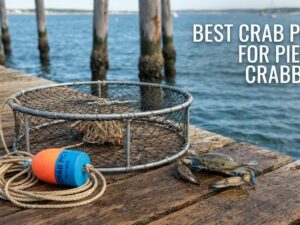
Recreational crabbers may deploy up to six standard-size traps per person, with each trap defined as 2 feet by 2 feet or smaller. Every trap must meet specific legal requirements to prevent wildlife mortality and ensure accountability.
Mandatory Trap Features:
- Fluorescent green float or lime green float bearing the owner's name and permanent address in letters at least one inch tall
- Two unobstructed escapement rings with 2 3/8 inch inside diameter installed on outside vertical walls
- Properly installed terrapin excluder devices on all funnels
The terrapin excluder device requirement protects diamondback terrapins, small turtles that inhabit the same marsh habitats as blue crabs. These devices attach to trap funnels with metal rings or cable ties, creating a barrier that prevents terrapins from entering while allowing crabs to pass through.
Diamondback terrapins frequently enter crab traps through the funnel openings to eat bait, then drown when they cannot escape. By installing terrapin excluders on all recreational crab traps, Georgia crabbers help conserve this native turtle species while maintaining productive crabbing.
Escapement rings allow undersized crabs to exit traps, reducing juvenile mortality and supporting sustainable harvests. Check your rings regularly to ensure they remain unobstructed by debris or algae growth that could trap small crabs inside.
Stone Crab Special Guidelines
While Georgia does not impose specific regulations on stone crab harvest, responsible practices ensure sustainable populations for future seasons. The state recommends harvesting only one claw per crab, allowing the animal to survive and regenerate its claw through future molts.
When removing stone crab claws, measure from the elbow joint to the tip of the lower immovable finger. Only harvest claws measuring at least 2 3/4 inches. Proper removal involves a quick, twisting motion at the natural breaking point near the body, leaving the crab capable of feeding and defending itself with its remaining claw.
How to Catch Crabs: Methods and Techniques
Mastering multiple crab catching in Georgia techniques increases your success rate and adapts your approach to different locations and conditions. Each method offers distinct advantages depending on your equipment, experience level, and whether you are crabbing from shore, pier, or boat.
Using Crab Traps and Pots
Box traps and pyramid traps deliver the most efficient method for catching multiple crabs with minimal active effort. Position your traps in channels, near oyster bars, or along drop-offs where crabs travel while foraging.
Proper baiting determines whether you pull up a full trap or an empty one. Secure bait tightly in the center of the trap using wire, zip ties, or string. This prevents crabs from stealing bait without fully entering the trap. Chicken necks excel here because their tough texture resists theft while releasing a strong scent that draws crabs from surrounding areas.
Monitor your traps every 15 to 20 minutes during initial deployment to gauge activity levels. In productive areas, you may need more frequent checks to prevent crabs from escaping or killing each other. Less active spots allow 30 to 45 minute intervals. Always pull traps slowly and steadily, as jerking motions cause crabs to release their grip and swim free.
Hand Line Crabbing Method
Hand-lining offers an engaging, traditional approach perfect for introducing children to crabbing. This simple technique requires minimal equipment but delivers maximum excitement when executed properly.
Attach your bait to a weighted line, then lower it to the bottom in likely crab habitat. Wait for the telltale tugging sensation that indicates a crab has seized the bait. Resist the urge to jerk immediately. Instead, raise the line slowly and smoothly while keeping a long-handled dip net ready.
Success with hand-lining depends on timing and stealth. As the crab nears the surface, position your net behind the crab and scoop upward in one smooth motion. Quick, decisive movements secure your catch before the crab senses danger and releases the bait. This technique shines on piers and docks where trap deployment is impractical.
Ring Net and Collapsible Trap Tips
Ring nets and collapsible traps bridge the gap between hand-lining and rigid box traps. These versatile tools work effectively from piers, docks, and boats across various water depths.
When using ring nets from elevated piers, add sufficient weight to ensure rapid descent to the bottom. Fast descent prevents currents from carrying your net off target. In shallow water with vegetation, reduce weight to avoid tangling in grass or oyster beds.
Collapsible traps offer portability advantages for crabbers walking to distant spots. Their compact design fits easily in backpacks, and setup takes seconds upon reaching your location. However, expect lower catch rates per pull compared to rigid traps, as collapsible designs typically offer smaller entry points and less interior space.
When to Go Crabbing in Georgia?
Best Seasons and Months
Georgia permits year-round recreational crabbing, but certain months produce dramatically better results than others. Peak season runs from late May through October when water temperatures climb above 70°F and crabs move into shallow waters for spawning activity.
During summer months, crabs remain active throughout daylight and nighttime hours. Early morning trips often yield the largest specimens, as crabs have fed all night and congregate in accessible areas. Afternoon crabbing proves equally productive on overcast days when reduced sunlight keeps crabs active near the surface.
Fall crabbing from October through November offers excellent harvests with fewer competing crabbers. Blue crabs feed aggressively before winter to build energy reserves, making them more likely to enter traps and take bait. As water temperatures drop into the 60s, crabs begin moving toward deeper channels but remain catchable.
Winter crabbing demands patience but rewards dedicated anglers willing to adapt their techniques. Crabs concentrate in deeper channels during cold months but emerge on warmer days. Focus your efforts during midday when water temperatures reach their daily peak.
Optimal Tide and Time Conditions
Understanding tidal influence dramatically improves your crabbing success rate. Blue crabs follow predictable patterns based on water movement that you can anticipate using tide charts and local knowledge.
The two hours before and after high tide consistently produce peak crabbing activity. During these periods, crabs move aggressively through channels and along structure edges hunting for food. Strong incoming tides push baitfish and crabs into accessible shallow areas.
Slack tide periods, when water movement pauses between tide changes, also offer excellent opportunities. Crabs often feed aggressively during these calm intervals when they do not need to fight strong currents. Position traps in main channels just before slack tide for maximum effectiveness.
Crabbing Piers in Georgia: Detailed Reviews
Public piers provide convenient crabbing access for anglers without boats. The following comparison covers Georgia's top-rated crabbing piers with details on amenities, access, and productivity.
| Pier Name | Location | Length | Amenities | Parking | Entry Fee | Best For |
|---|---|---|---|---|---|---|
| Jekyll Island Pier | Jekyll Island | 1,000 ft | Restrooms, Cleaning Station | Free | None | Families |
| St. Simons Pier | St. Simons Island | 750 ft | Nearby shops, Restrooms | Free | None | All levels |
| Tybee Island Pier | Tybee Island | 700 ft | Bait shop, Restrooms | Paid | $5 | Tourists |
| Fort McAllister | Richmond Hill | 100 ft | Full park amenities | Free | $5 park | Day trips |
| W.E. Honey Park | Savannah | 200 ft | Playground, Pavilion | Free | None | Locals |
Each pier offers unique advantages depending on your needs. Families with children often prefer Jekyll Island's longer pier with multiple access points and cleaning stations. Serious crabbers appreciate St. Simons' proximity to deep channels where larger crabs congregate.
Best Crab Fishing Areas by Boat
Wilmington River System
The Wilmington River provides miles of productive crabbing waters accessible from multiple public launches. This tidal river system connects to vast marsh networks where blue crabs thrive throughout the year.
Launch from Frank W Spencer Park or Turner Creek Boat Ramp for quick access to prime zones. Focus your trap placement where smaller creeks join the main river. These confluence areas concentrate crabs during both incoming and outgoing tides as they travel between feeding and shelter areas.
Blackbeard Creek Waterways
Blackbeard Creek's extensive network surrounds pristine barrier islands largely untouched by coastal development. This isolation supports healthy crab populations with less fishing pressure than areas near major population centers.
The Belleville Boat Ramp provides excellent access to northern sections, while Sunbury Ramp serves southern areas. Navigation requires attention due to shallow oyster bars, but the rewards include limits of large blue crabs in scenic surroundings. Bring a depth finder and tide chart, as shallow areas become impassable during low tide.
Brunswick Peninsula Marshes
The Brunswick Peninsula features seemingly endless tidal waterways perfect for boat-based crabbing. Multiple access points allow you to explore different areas until you locate active crab populations.
These marshes produce exceptionally well during falling tides when crabs exit shallow feeding areas. Set traps along channel edges where depth changes create natural travel corridors. Blythe Island County Park ramp offers modern facilities and protected launch areas for small boats and kayaks.
East River Access Points
South Georgia's East River system provides excellent crabbing opportunities with minimal competition. St. Mary's Howard Gilman Memorial Waterfront Park offers convenient launching with nearby amenities for day trips.
Crooked River State Park's boat ramp accesses prime habitat where freshwater mixes with salt in productive brackish conditions. This diverse environment supports various marine life while producing consistent blue crab catches throughout the warmer months.
Safety Warnings and Health Advisories
Responsible crabbing requires awareness of potential health risks in specific Georgia waterways. The Department of Natural Resources has identified certain areas with contamination concerns requiring special handling procedures.
Recent DNR studies detected elevated PCB (polychlorinated biphenyl) levels in blue crabs from three specific waterways: Middle Turtle River, Purvis Creek, and Gibson Creek. These industrial chemicals accumulate in the hepatopancreas, commonly called the green gland or tomalley, which appears as the yellow-green mustard inside the crab's body cavity.
When crabbing in these specific areas, follow these safety guidelines to minimize health risks:
- Remove and discard the hepatopancreas (green gland) before cooking any crabs from these waterways
- Clean crabs thoroughly, removing all internal organs including the gills and digestive tract
- Limit consumption to recommended amounts stated in DNR advisories
- Never use cooking liquid from whole crabs in sauces or stocks
- Consume only the white muscle meat from the claws and body sections
The crab meat itself remains safe when properly cleaned and consumed in moderation. The PCB contamination concentrates in the fatty organs rather than the muscle tissue. Many experienced crabbers recommend learning proper backing and cleaning techniques before your first harvest to ensure safe preparation.
For current advisory updates, contact the Georgia DNR or check their website for the latest consumption guidelines for Middle Turtle River, Purvis Creek, and Gibson Creek crabs.
How to Clean and Cook Georgia Blue Crabs?
Storing and Preparing Live Crabs
Proper storage keeps crabs alive and fresh until cooking time. Blue crabs survive several hours with minimal water, requiring only enough moisture to keep their gills wet.
Place crabs in a ventilated container with about one inch of saltwater or damp seaweed. Never submerge them completely, as they deplete oxygen quickly and suffocate. A bushel basket or modified cooler with drain holes works perfectly for temporary storage during your crabbing trip.
Avoid storing crabs in freshwater or sealed containers. The chlorine in tap water kills crabs rapidly, while airtight containers cause suffocation from carbon dioxide buildup. Keep stored crabs shaded and below 50°F for best survival rates between capture and cooking.
Step-by-Step Cleaning Process
Cleaning crabs before cooking, known as backing, reduces health risks and makes eating easier. This process removes the inedible parts while preserving the sweet white meat that makes blue crabs so prized.
Begin by stunning crabs in ice water for 3 to 5 minutes. This humane method reduces movement during handling. Using tongs, grasp the crab firmly from behind to avoid the powerful claws.
Cleaning Steps:
- Remove the top shell (carapace) by grasping the back edge and pulling upward firmly
- Remove and discard the feathery gills (devil's fingers) from both sides of the body
- Scrape out the green or yellow hepatopancreas, especially important for crabs from advisory areas
- Snap off the triangular abdominal apron by pulling downward
- Rinse thoroughly under cold running water to remove remaining viscera
- Break the body in half or leave whole depending on your cooking method
Classic Georgia Crab Boil Recipe
Georgia's traditional crab boil brings out the sweet flavor of fresh blue crabs while adding regional spice. This time-tested recipe serves 4 to 6 people generously.
Ingredients:
- 2 dozen cleaned blue crabs
- 1/2 cup Old Bay seasoning
- 2 tablespoons salt
- 1 lemon, halved
- 4 cloves garlic, crushed
- 1 bottle beer (optional but traditional)
- Water to cover by 2 inches
Fill a large pot with enough water to cover crabs by 2 inches. Add seasonings, lemon, and garlic, bringing to a rolling boil over high heat. The beer adds flavor depth and is a coastal tradition, though water alone works fine.
Add cleaned crabs to the boiling water, maintaining high heat throughout the cooking process. Boil for 12 to 15 minutes until shells turn bright orange-red. Avoid overcooking, which makes meat tough and stringy. Serve immediately with melted butter, additional Old Bay, and cold beverages.
Pro Tips from Local Crabbers
Seasoned Georgia crabbers have developed techniques through decades of experience that consistently produce impressive catches. These insider strategies separate successful trips from frustrating outings.
Bait Enhancement Secrets: Many successful crabbers enhance standard chicken necks by aging them in the sun for 24 hours before use. This process intensifies the scent trail that attracts crabs from greater distances. Store aged bait separately from fresh supplies to avoid cross-contamination.
Weather Pattern Insights: Overcast days with light rain often produce better crabbing than bright sunny conditions. Reduced visibility makes crabs feel safer venturing into open areas. Barometric pressure drops before storms trigger feeding frenzies that you can exploit with increased trap checks.
Equipment Modifications: Attach glow sticks to trap floats for easy location during pre-dawn trips. Drill small holes in bait containers to release scent while preventing theft. Use zip ties instead of string for securing bait; they are stronger, reusable, and faster to replace.
Money-Saving Strategies: Purchase chicken necks in bulk during supermarket sales, freezing portions in saltwater brine. This pre-brining process improves bait effectiveness and extends storage life. Join local crabbing groups on social media for real-time catch reports and equipment exchanges.
Common Mistakes to Avoid
Learning from common errors accelerates your crabbing success and prevents costly violations. These mistakes cost novice crabbers time, money, and potential catches.
Regulatory Violations: Keeping undersized crabs remains the most frequent violation, with fines reaching $150 per illegal crab. Always measure immediately upon capture and release questionable specimens. Game wardens actively patrol popular crabbing areas during peak season.
Safety Hazards: Never reach directly into the water or buckets for crabs. Their powerful claws can crush fingers or cause deep lacerations. Wearing sandals on slippery piers causes numerous injuries annually. Always use proper footwear with good traction on wet surfaces.
Ineffective Techniques: Checking traps too frequently disturbs feeding crabs and prevents proper catch accumulation. Allow at least 15 minutes between checks unless you observe obvious surface activity. Pulling traps too quickly causes many crabs to release their grip and escape.
Equipment Errors: Using lightweight string that breaks under strain loses both crabs and expensive gear. Inadequate trap weights in strong currents cause traps to drift into boat channels. Forgetting to mark traps with your name and address results in confiscation by authorities.
Frequently Asked Questions
Do I Need a License to Crab from a Public Pier in Georgia?
Yes, anyone aged 16 or older needs a valid Georgia fishing license and Saltwater Information Permit (SIP) to crab from public piers. The same regulations apply whether you are crabbing from shore, pier, dock, or boat. No exceptions exist for pier-only crabbing. Purchase your license at GoOutdoorsGeorgia.com or through authorized retailers before your trip.
When's the Best Month to Go Crabbing?
June through September marks peak crabbing season in Georgia when water temperatures exceed 70°F and crabs move into shallow spawning areas. However, crabbing remains productive from May through October along the entire coast. Fall crabbing in October and November offers excellent catches with fewer crowds as crabs feed heavily before winter.
How Many Crabs Equal 1 Pound?
Approximately 3 to 4 medium-sized blue crabs weigh 1 pound, though this varies significantly based on crab size and whether you are weighing whole crabs or just the meat. Large jimmy crabs may weigh half a pound each, while smaller sally crabs require 5 or 6 to reach a pound. A full bushel of crabs typically weighs 40 to 60 pounds depending on size distribution.
What Bait Works Best for Blue Crabs in Georgia?
Chicken necks reign supreme as the most effective and economical bait for Georgia blue crabs. Their tough texture stays secured on lines, and the strong scent attracts crabs from distance. Turkey necks and fish heads (particularly menhaden or bunker) also produce excellent results. Some crabbers use spoiled chicken or aged bait for enhanced scent trails.
Can You Crab at Night in Georgia?
Georgia allows recreational crabbing 24 hours a day, year-round in most areas. Night crabbing often produces excellent results, especially during summer months when crabs remain active after dark. Bring adequate lighting and use reflective markers on your fluorescent green floats for safety. Many experienced crabbers prefer night trips during peak summer heat.
What Size Crab Trap is Legal in Georgia?
Recreational crab traps must measure 2 feet by 2 feet or smaller. Each trap requires two escapement rings with 2 3/8 inch inside diameter and a terrapin excluder device on each funnel. All traps must display a fluorescent green float with the owner's name and address. The limit is six traps per person.
Where Can I Buy Crabbing Equipment Near Savannah?
Numerous tackle shops around Savannah stock complete crabbing supplies including traps, lines, and bait. Popular options include Fairway Outdoor Sports, Hancock's Bait and Tackle, and Sea Island Sports. Most shops near crabbing piers offer equipment rentals for visitors who want to try crabbing without investing in gear.
Conclusion
Georgia's coastline offers exceptional opportunities for recreational crabbing, from the historic marshes around Savannah to the pristine waters surrounding Cumberland Island. With proper licenses, appropriate gear including terrapin excluder devices, and knowledge of productive locations, you are prepared to experience this rewarding coastal tradition.
Remember to follow all Georgia crab laws for 2026, practice sustainable harvesting by releasing sponge crabs and undersized specimens, and respect private property when accessing shoreline areas. Each crabbing trip teaches new lessons about tidal patterns, crab behavior, and Georgia's remarkable coastal ecosystem.
For more crabbing guides and coastal fishing resources, explore our complete collection of articles covering techniques, locations, and regulations. Whether you are creating family memories on a pier or exploring remote creeks by boat, crabbing connects you with generations of Georgia maritime heritage. Share your favorite spots and techniques with fellow crabbers, helping preserve this tradition for the future.
Check your gear, review the tide charts, and head out to discover why crabbing in Georgia remains a beloved coastal pastime. Your next seafood feast of sweet Georgia blue crabs awaits just beneath the surface of the tidal creeks and estuaries that define this beautiful coastline.