Fungal infections remain one of the most common and frustrating health issues that aquarium hobbyists face in 2026. Whether you are caring for a simple community tank or a complex aquascape, understanding how to identify, treat, and prevent fish fungus is essential for maintaining healthy aquatic life. This comprehensive guide will walk you through everything you need to know about fish fungus treatment, from recognizing early symptoms to selecting the most effective medications.
The difference between a thriving aquarium and a disease outbreak often comes down to how quickly you respond to the first signs of trouble. Fungal infections can spread rapidly through an aquarium, but with the right knowledge and proper treatment protocols, most fish recover fully. We have compiled the latest veterinary recommendations and tested treatment methods to help you tackle fungus effectively.
By the end of this guide, you will understand the various types of fungal diseases, know which medications work best for different situations, and have a clear protocol for both treating affected fish and preventing future outbreaks. Let us begin with the fundamentals of what fish fungus actually is and how it affects your aquarium inhabitants.
Table of Contents
- What Is Fish Fungus
- Treatment and Medication
- Top Medication Recommendations
- Fritz Maracyn - for Saltwater and Freshwater...
- Aquarium Solutions® Liquid Ich-X® Formula, White...
- API PIMAFIX Antifungal Freshwater and Saltwater...
- API AQUARIUM SALT Freshwater Aquarium Salt...
- Kanaplex, 5 g(0.18 oz)
- Kordon Methylene Blue Disease Preventative...
- Salt Treatment Protocol
- Quarantine Protocol
- Prevention
- FAQ
- Conclusion
What Is Fish Fungus
When aquarists talk about fish fungus, they are often referring to a group of organisms called oomycetes, commonly known as water molds. While many hobbyists use the term fungus broadly, technically Saprolegnia and related pathogens are not true fungi. They belong to the Stramenopila kingdom, not the Fungi kingdom. However, for practical purposes, the aquarium hobby uses fungus and water mold interchangeably since they look and behave similarly.
True fungi like Aphanomyces and Achlya can also infect fish, but the majority of aquarium fungal infections involve Saprolegnia species. These organisms are ubiquitous in aquatic environments, existing as free-living decomposers that only become problematic when fish health deteriorates. Understanding this distinction matters because it explains why fungal outbreaks typically signal underlying problems with water quality or fish stress.
Water molds and true fungi share important characteristics. They are heterotrophic organisms that cannot photosynthesize and must absorb nutrients from organic matter. Both reproduce via spores that travel through water and can infect fish when their immune defenses are compromised. These spores germinate on fish surfaces, producing the characteristic white, cotton-like growths that signal an active infection.
Most fish fungi are opportunistic pathogens, meaning they attack fish that are already weakened. Healthy fish with intact slime coats and strong immune systems typically resist infection even when fungal spores are present. This is why prevention through proper care matters more than reactive treatment. By maintaining optimal conditions, you create an environment where fish can naturally defend themselves against these persistent pathogens.
Causes of Fungal Diseases
Fungal spores exist in virtually every aquarium environment. Under normal conditions, these spores pose no threat because healthy fish possess robust immune defenses. However, several factors can compromise fish health and create conditions where fungal infections take hold. Understanding these triggers helps you prevent outbreaks before they start.
Poor water quality remains the single most common cause of fungal disease. Elevated ammonia and nitrite levels stress fish and damage their protective slime coat, creating entry points for fungal spores. High organic loads from overfeeding, dead plant matter, or inadequate filtration also feed fungal growth, allowing spore populations to explode. Regular water testing and maintenance form your first line of defense against fungal problems.
Physical injury opens direct pathways for fungal infection. Fish may sustain wounds from aggressive tank mates, sharp decorations, rough handling during netting, or breeding activities. Any break in the skin or fin tissue provides an opportunity for fungal spores to establish themselves. Even minor injuries can develop serious secondary fungal infections if water conditions are suboptimal.
Environmental stress significantly weakens fish immune systems. Sudden temperature fluctuations, improper pH levels, inappropriate hardness, or incompatible tank mates all contribute to chronic stress. Transport stress affects newly purchased fish particularly severely, which explains why quarantine protocols are so important. Stressed fish cannot allocate resources to immune defense, making them vulnerable to opportunistic pathogens.
Nutritional deficiencies also play a role in fungal susceptibility. Fish receiving inadequate or inappropriate diets lack the resources needed to maintain healthy immune function and regenerate damaged tissue. Varied, high-quality nutrition supports overall health and resistance to disease. For more information on maintaining fish health through proper care, read our guide on common causes of fish death and how to prevent them.
Common Fungal Diseases
While many fungal pathogens exist in aquarium environments, only a few cause most of the diseases hobbyists encounter. Learning to recognize these specific conditions helps you choose appropriate treatments and understand the prognosis for affected fish. Here are the fungal infections you are most likely to encounter.
Cotton-Wool Disease (Saprolegniasis)

Saprolegniasis, commonly called cotton-wool disease or cotton mouth disease, represents the most frequently encountered fungal infection in aquarium fish. The causative organisms are various Saprolegnia species, water molds that produce distinctive white or grayish cotton-like growths on fish skin, fins, and mouth areas. These fluffy patches may start small but can rapidly expand to cover large body areas if left untreated.
Infections typically begin at wound sites or areas where the slime coat has been compromised. The cottony growth consists of fungal hyphae extending into tissue and producing external spore-bearing structures. As the disease progresses, affected areas may develop red inflammation and secondary bacterial infections. Fish with advanced cases often display lethargy, loss of appetite, and clamped fins.
Common symptoms of cotton-wool disease include:
- White or gray cotton-like patches on skin, fins, or mouth
- Fuzzy growths that expand rapidly over 24-48 hours
- Reddened or inflamed skin surrounding affected areas
- Loss of appetite and decreased activity
- Clamped fins and hiding behavior
- Difficulty breathing in advanced cases
Treatment for cotton-wool disease requires addressing both the fungal infection and the underlying cause. Commercial antifungal medications containing malachite green, formalin, or natural alternatives like API PIMAFIX prove effective when applied according to directions. Most cases show improvement within 3-5 days of proper treatment, though severe infections may require 7-10 days for complete resolution.
Gill Rot (Branchiomycosis)

Branchiomycosis, or gill rot, is a serious fungal disease caused by Branchiomyces species. Unlike external body fungus, this condition attacks the delicate gill tissue, making it particularly dangerous. Infected fish struggle to extract oxygen from water, leading to rapid deterioration. The disease is more common in pond fish like carp and koi but can affect aquarium species under certain conditions.
The fungi invade gill blood vessels, causing tissue death that appears as pale or necrotic areas on the gill filaments. As the disease progresses, affected gill tissue dies and sloughs off, leaving fish unable to oxygenate their blood effectively. Secondary bacterial infections commonly follow, creating a deadly combination that can kill fish within days.
Key symptoms of gill rot include:
- Rapid, labored breathing or gasping at the surface
- Flashing or rubbing against tank objects
- Visible pale or mottled areas on gill tissue
- Loss of appetite progressing to complete lethargy
- Clamped fins and isolation from tank mates
Treating gill rot presents challenges because the affected tissue is internal and difficult for medications to reach. Prompt action with broad-spectrum antibiotics and antifungal agents offers the best chance of success. Fritz Maracyn and Seachem Kanaplex, both effective against gram-positive bacterial infections that often accompany gill rot, should be considered. Treatment requires carefully following dosing instructions and maintaining pristine water conditions throughout the recovery period.
Systemic Fungal Infection (Ichthyophonus)

Ichthyophonus hoferi is a true fungal pathogen that causes systemic infections in both freshwater and saltwater fish. Unlike the superficial water molds that cause cotton-wool disease, this organism penetrates deep into tissues and organs, making it particularly difficult to treat. The disease progresses slowly but is often fatal if not caught in early stages.
The fungus typically enters through the digestive tract when fish eat contaminated food or prey items. It then spreads through the bloodstream to vital organs including the liver, kidneys, heart, and eventually the muscles. As the infection advances, it causes progressive organ damage that manifests through various external symptoms. Unfortunately, by the time external signs appear, the disease is often quite advanced internally.
Symptoms of Ichthyophonus infection include:
- Progressive weight loss despite normal feeding
- Darkening of skin coloration
- Difficulty swimming or loss of equilibrium
- Visible nodules or cysts under the skin in later stages
- Loss of appetite and lethargy
- Scales may protrude giving a rough appearance
Treatment options for systemic fungal infections are limited because most aquarium medications cannot effectively penetrate internal tissues. Early detection offers the best prognosis, with antifungal medications like those containing nystatin showing some effectiveness. For valuable fish, veterinary consultation may provide access to oral antifungal treatments. Prevention through feeding high-quality, properly stored foods remains the most effective strategy against this devastating disease.
Exophiala sp. (Black Spot Disease)

Exophiala species, particularly Exophiala dermatitidis and Exophiala salmonis, cause black spot disease in aquarium fish. These true fungi create characteristic dark pigmented lesions on fish skin and fins. While relatively uncommon in home aquariums, infections can occur in poorly maintained tanks or when introducing infected wild-caught fish.
The fungi produce melanized hyphae that appear as black or dark brown spots ranging from pinhead-sized dots to larger irregular patches. Lesions typically start on the fins or tail before spreading to the body. Unlike the fluffy growths of Saprolegnia, Exophiala infections form firm, raised lesions that may ulcerate in advanced cases.
Common symptoms include:
- Small black or dark brown spots on fins and body
- Spots may coalesce into larger irregular patches
- Raised, firm lesions distinct from surrounding tissue
- Flashing and rubbing behavior
- Secondary infections at lesion sites
Treatment involves antifungal medications combined with improved water conditions. Because Exophiala species are true fungi rather than water molds, treatments effective against Saprolegnia may not work as well. Medications containing copper compounds or specific antifungal agents are typically required. Early treatment before lesions become extensive offers the best chance of complete recovery.
Egg Fungus

Fish eggs are particularly vulnerable to fungal infections from various species including Aspergillus, Penicillium, and Rhodotorula. These fungi can penetrate egg shells and kill developing embryos, making egg fungus a major concern for breeders. Fungal spores are ubiquitous in water and readily colonize any eggs that are damaged, infertile, or slow to develop.
The characteristic sign is white or fuzzy growth spreading across egg surfaces. Infected eggs turn opaque white and become covered with cotton-like mycelium. The fungus produces enzymes that digest the egg contents, killing the embryo. Critically, fungal infections spread rapidly from egg to egg, potentially destroying entire clutches within 24-48 hours.
Prevention and treatment strategies for egg fungus include:
- Removing infertile or damaged eggs immediately
- Maintaining excellent water circulation around eggs
- Using antifungal treatments like methylene blue in breeding tanks
- Adding hydrogen peroxide dips for certain species
- Ensuring proper water parameters for the specific species
Kordon Methylene Blue serves as an excellent preventative for egg fungus. Adding this medication to breeding tanks at recommended doses creates conditions where fungal spores cannot germinate. Breeders often add methylene blue when eggs are first laid, then remove it once fry hatch since it can affect beneficial bacteria at higher concentrations.
Treatment and Medication
Successfully treating fish fungus requires selecting appropriate medications based on the specific disease, fish species, and aquarium conditions. The treatment section covers the most effective medications available to aquarium hobbyists, along with proper dosing and application methods. Remember that medication treats symptoms while addressing underlying causes prevents recurrence.
Before beginning any treatment, remove activated carbon from your filter system. Carbon adsorbs medications, rendering them ineffective. Continue mechanical and biological filtration without carbon during treatment periods. Also ensure you have a reliable test kit available since some medications can affect water parameters.
Top Medication Recommendations
The following medications represent the most effective treatments for various fungal infections in aquarium fish. Each has specific applications, advantages, and limitations that determine when to use them. Understanding these differences helps you choose the right treatment for your particular situation.
Fritz Maracyn - Best Antibiotic Treatment

Fritz Maracyn - for Saltwater and Freshwater...
Broad-spectrum antibiotic
Treats body fungus, popeye, mouth fungus
Contains erythromycin
Pre-measured packets
Safe for freshwater and saltwater
What we like
- Effective against gram-positive bacterial infections
- Pre-measured packets eliminate dosing errors
- Trusted by aquarium professionals
- Fast results in 3-5 days
What could be better
- May cause water cloudiness during treatment
- Can affect biological filter - requires monitoring
- Higher price point than some alternatives
Fritz Maracyn stands as the go-to treatment for bacterial infections that often accompany or mimic fungal diseases. While technically an antibiotic targeting gram-positive bacteria, it proves essential because many white, fluffy growths on fish are actually bacterial Columnaris rather than true fungus. The erythromycin-based formula treats body fungus, popeye, mouth fungus, open lesions, and hemorrhagic septicemia.
Dosing is straightforward with pre-measured packets. Each packet treats 10 gallons of water. For best results, dose daily for five consecutive days, performing a 25% water change before each new dose. Remove carbon filtration during treatment but maintain biological filtration. Most hobbyists report visible improvement within 3-5 days, though full courses should always be completed to prevent resistance development.
Maracyn works particularly well when combined with Ich-X for infections where you are unsure whether you are dealing with fungus, bacteria, or both. The two medications can be used together safely following the directions on each package. This combination covers most external disease presentations you are likely to encounter.
Keep in mind that Maracyn may cause temporary water cloudiness as it works. This is normal and clears after treatment completion. Monitor ammonia and nitrite levels during treatment since any antibiotic can potentially affect beneficial bacteria in your filter, though Maracyn is designed to minimize this impact compared to older antibiotics.
After completing the five-day course, perform a substantial water change and return carbon filtration to the system. Wait 48 hours, then test water parameters to ensure the biological filter has fully recovered before adding any new fish or performing additional treatments.
Hikari Ich-X - Best Ich and Fungus Combo Treatment
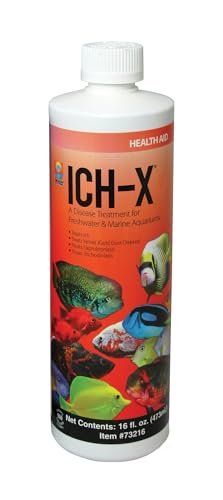
Aquarium Solutions® Liquid Ich-X® Formula, White...
Treats Ich and Velvet
Saprolegniasis treatment
Safe for freshwater and saltwater
Won't harm biological filters
Fast acting formula
What we like
- Highly effective against ich and fungal infections
- Won't harm bio filter when used correctly
- Safe for most invertebrates
- Fast acting - ich cleared in 3-7 days
- Good value for money
What could be better
- Can stain if spilled
- Requires daily water changes between doses
- Strong smell
Hikari Ich-X provides exceptional value as a multi-purpose treatment effective against Ich (white spot disease), Velvet (Gold Dust), Saprolegniasis (fungal infections), and Cryptocaryoniasis. The formalin and malachite green formula has been trusted by aquarists for over a decade and remains one of the most reliable treatments for external parasites and fungal infections.
Unlike some harsh medications, Ich-X will not harm biological filters when used as directed. This is crucial because maintaining beneficial bacteria prevents the ammonia spikes that often kill sick fish. The formula is also safe for most invertebrates including snails and shrimp when used at recommended doses, making it ideal for community tanks.
Standard dosing involves adding 1 teaspoon (5 ml) per 10 gallons of aquarium water daily until symptoms disappear. Continue treatment for at least three days after the last visible signs of disease to ensure complete elimination. Daily water changes between doses help maintain water quality while removing parasites and fungal spores.
Most fungal infections show significant improvement within 3-7 days of consistent treatment. Ich-X works particularly fast against Saprolegnia, with the cotton-like growths typically shrinking noticeably within 48 hours of the first dose. The combination of Maracyn for bacterial issues and Ich-X for fungal problems handles the vast majority of disease presentations.
Take care when handling Ich-X as the malachite green component can stain surfaces, skin, and clothing blue-green. Use disposable gloves and have paper towels ready. While the smell is noticeable, it dissipates quickly and indicates the active ingredients are present in the concentration needed for effective treatment.
API PIMAFIX - Best Natural Antifungal
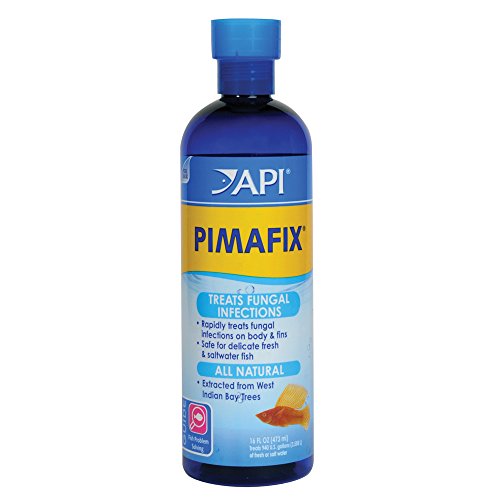
API PIMAFIX Antifungal Freshwater and Saltwater...
All-natural antifungal
West Indian Bay Tree extract
Treats cottony fungal growth
Safe for reef aquariums
Helps heal bacterial infections
What we like
- All-natural formula with no harsh chemicals
- Safe for reef aquariums and sensitive fish
- Works quickly - improvement in 1-2 days
- Does not cloud water
- Affordable and long-lasting
What could be better
- Strong mint/peppery smell
- Requires removal of carbon filter
- May need combining for severe infections
API PIMAFIX offers an all-natural alternative for treating fungal infections without harsh chemicals. The active ingredient, West Indian Bay Tree extract, has demonstrated antifungal properties that effectively combat cottony growth on body and fins. This makes PIMAFIX an excellent choice for reef aquariums, sensitive fish species, or hobbyists preferring natural treatments.
The formula works quickly, with many users reporting visible improvement in fungal growth within 24-48 hours of starting treatment. Unlike some medications that cloud water, PIMAFIX remains clear, allowing you to monitor your fish easily throughout the treatment period. The 16-ounce bottle treats up to 946 gallons, making it economical for ongoing use.
Dosing requires 5 ml per 10 gallons of aquarium water. Treat daily for seven days, performing water changes between doses as needed to maintain quality. For best results, remove carbon filtration during the treatment period since activated carbon adsorbs the natural compounds before they can work.
While PIMAFIX handles mild to moderate fungal infections effectively, severe cases may require combining with stronger medications like Maracyn or Ich-X. The natural formula provides a gentler first-line treatment that reduces stress on already compromised fish. Many breeders keep PIMAFIX on hand for treating sensitive species or as a preventative when introducing new fish.
The distinctive minty-peppery smell indicates the presence of active compounds. This scent dissipates shortly after dosing and does not linger in the aquarium. PIMAFIX can be used safely with invertebrates and plants, making it versatile for diverse community tanks where stronger chemicals might cause collateral damage.
API Aquarium Salt - Best Preventative Treatment

API AQUARIUM SALT Freshwater Aquarium Salt...
Made from evaporated sea water
Promotes fish health
Increases electrolytes
All-natural results
What we like
- Excellent for treating fin rot and minor injuries
- Reduces fish stress during water changes
- Supports healthy gill function
- Safe for planted tanks at recommended doses
- Large quantity lasts a long time
What could be better
- Cardboard packaging may leak if damaged
- Not suitable for all fish types - research required
- Requires careful dosing measurement
API Aquarium Salt represents one of the most versatile and economical treatments for fungal infections and general fish health. Made from evaporated seawater, this natural product increases electrolytes that improve respiration, reduce stress, and support the immune system. The 65-ounce box, an Amazon best-seller in fish medication, treats thousands of gallons at preventive doses.
Salt works against fungus through osmotic pressure. The higher salinity draws water out of fungal cells, dehydrating and killing them while fish tolerate the concentration. Salt also stimulates fish to produce more protective mucus, speeds wound healing, and improves gill function. These combined effects make salt an excellent first-line treatment for external infections.
For fungal treatment, use 1 tablespoon per 3 gallons of water or 1 teaspoon per gallon for a milder approach. Gradually increase concentration over 24-48 hours to avoid shocking fish. Maintain this level for 7-14 days, performing regular water changes to remove parasites and spores while replenishing salt. Gradually reduce concentration when treatment concludes.
Not all fish tolerate salt well. Avoid salt treatments with scaleless fish like corydoras catfish, loaches, and certain tetras. Some plants are also sensitive to salt. For these situations, consider medications like PIMAFIX or Ich-X instead. Betta fish generally tolerate salt well, making this an excellent option for betta fungus treatment. Learn more about betta fish fin rot care and fungal treatment in our detailed guide.
Beyond treatment, aquarium salt serves as a preventive during water changes and when setting up new tanks. Adding a small amount reduces stress and helps fish maintain their natural defenses. Always dissolve salt completely in dechlorinated water before adding to the aquarium, and never use table salt which contains harmful additives.
Seachem Kanaplex - Best for Serious Bacterial Infections
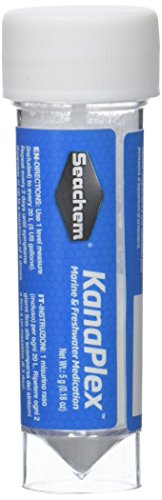
Kanaplex, 5 g(0.18 oz)
Broad-spectrum kanamycin antibiotic
Treats dropsy, popeye, fin rot
Easily absorbed through skin
Does not adversely affect filter bed
Safe for invertebrates in food
What we like
- Highly effective against stubborn bacterial infections
- Does not destroy beneficial bacteria
- Can be used in main tank or hospital tank
- Safe for invertebrates when mixed with food
- Fast results in 2-3 days
What could be better
- Small package size may not treat large tanks
- Must follow strict dosing schedule
- Can be hard to find in local stores
Seachem Kanaplex provides a powerful broad-spectrum antibiotic option when fungal infections have led to or are accompanied by serious bacterial complications. The kanamycin-based formula treats dropsy, popeye, fin and tail rot, and septicemia. Unlike some antibiotics that destroy beneficial bacteria, Kanaplex is designed not to adversely affect your filter bed when used correctly.
What distinguishes Kanaplex is its ability to absorb through both skin and gills, meaning fish do not need to eat the medication for it to work. This is crucial for sick fish that have lost their appetite. The medication can also be mixed with food for fish that are still eating, providing dual delivery methods for maximum effectiveness.
Dosing requires 1 scoop per 5 gallons every 48 hours for up to three doses. After three doses, perform a substantial water change and observe. The small 5-gram container treats approximately 80 gallons total, making it economical despite the compact size. Keep unused portion sealed and dry for future needs.
Fast results are a hallmark of Kanaplex. Many aquarists report visible improvement within 2-3 days of starting treatment. The medication works particularly well when fungal infections have created open wounds vulnerable to bacterial invasion. For severe cases, some hobbyists combine Kanaplex with other treatments under close observation.
Because Kanaplex is removed by carbon filtration, ensure all chemical filtration is removed before dosing. The medication is easily cleared from water using carbon after treatment concludes. For invertebrate tanks, mixing Kanaplex with food rather than dosing water allows treating fish without affecting snails, shrimp, or other tank inhabitants.
Kordon Methylene Blue - Best for Fungus Prevention and Egg Treatment

Kordon Methylene Blue Disease Preventative...
Prevents fungal infections
Treats external parasites
Reduces fish stress
Safe for freshwater and saltwater
Made in the USA
What we like
- Excellent for preventing fungus on fish eggs
- Fast acting against external fungal infections
- Safe for most fish including bettas
- Can be used as preventive dip
- Provides extra oxygen to stressed fish
What could be better
- Stains everything blue
- Not recommended for planted tanks
- May stain aquarium decorations permanently
- Requires careful handling to avoid stains
Kordon Methylene Blue serves multiple roles in the aquarist's medicine cabinet. As a disease preventative, it stops fungal infections before they establish on fish or eggs. As a treatment, it combats external parasites and fungal growths. As a stress reducer, it provides auxiliary oxygen transport that helps fish in distress. This versatility makes it particularly valuable for breeders and those treating new fish arrivals.
For egg fungus prevention, methylene blue is unmatched. When added to breeding tanks at 1 teaspoon per 10 gallons, it creates conditions where fungal spores cannot germinate. The medication penetrates egg shells just enough to prevent fungal establishment without harming developing embryos. Breeders often add it when eggs are laid and maintain concentration until fry hatch.
As a dip treatment for new arrivals, mix 1 teaspoon per gallon of water and expose fish for 10-15 seconds before releasing into the main tank. This brief exposure kills external parasites and fungal spores without stressing fish excessively. For active infections, add directly to the aquarium at 1 teaspoon per 10 gallons, repeating every 24 hours for three days.
The staining properties of methylene blue are both a warning and a feature. Everything it touches turns blue, including aquarium silicone, decorations, and your hands. Wear gloves and protect surfaces when handling. Do not use in planted tanks as it will dye plants and can affect photosynthesis. The color fades over time but may persist on some materials.
Betta keepers particularly value methylene blue for its safety with these sensitive fish. It treats external fungus and parasites effectively while providing the extra oxygen bettas sometimes need. For new betta acquisitions, a brief methylene blue dip provides peace of mind that external pathogens have been addressed before introduction to community tanks.
Salt Treatment Protocol
Aquarium salt represents one of the most accessible and effective treatments for external fungal infections. The osmotic pressure created by salt concentrations draws water from fungal cells, effectively dehydrating and killing them. Fish can tolerate salt levels that fungi cannot survive, making this a targeted treatment when applied correctly.
Standard treatment dosing calls for 1 tablespoon of aquarium salt per 3 gallons of water, or approximately 1 teaspoon per gallon for a milder concentration. Never add salt directly to the aquarium. Instead, dissolve it completely in dechlorinated water first, then add the solution gradually over several hours to avoid shocking your fish.
For a more aggressive salt bath approach, prepare a separate container with 1 tablespoon per gallon concentration. Place affected fish in this bath for 5-30 minutes depending on their reaction. Monitor closely and return fish to the main tank if they show signs of distress. This concentrated exposure kills surface fungi quickly but requires careful observation.
Sensitive fish species require modified salt protocols. Scaleless fish like corydoras, loaches, and certain catfish tolerate only minimal salt concentrations. For these species, reduce doses by half or choose alternative medications. Tetras vary in salt tolerance, with some species like neon tetras being particularly sensitive. When in doubt, start with lower concentrations and observe carefully.
Maintain salt treatment for 7-14 days, performing 25% water changes every 2-3 days to remove fungal spores and parasites while replenishing salt. Calculate the amount of salt removed during water changes and add that amount back to maintain therapeutic concentration. Gradually reduce salt levels over several days when treatment concludes rather than removing it suddenly.
Quarantine Protocol
Establishing a quarantine tank is essential for both treating infected fish and preventing disease spread to healthy tank mates. A proper quarantine setup isolates sick fish while providing controlled conditions for medication delivery. Even without active disease, quarantining new arrivals for 2-4 weeks prevents introducing pathogens to established aquariums.
Minimum quarantine requirements include a 10-20 gallon tank with sponge filtration, heater maintaining appropriate temperature, and hiding places to reduce stress. Sponge filters are ideal because they provide biological filtration without carbon that would remove medications. A bare-bottom or lightly gravelled tank allows easy cleaning and observation of fish waste.
When treating fungal infections in quarantine, maintain water temperature at the upper end of the species' preferred range, typically 77-82 degrees Fahrenheit for tropical fish. Warmer water speeds fish metabolism and immune response while potentially inhibiting some fungal growth. However, do not exceed safe temperature ranges, as overheating stresses fish and reduces oxygen solubility.
Water quality in quarantine must remain excellent. Sick fish produce more waste while medications may affect beneficial bacteria. Test ammonia and nitrite daily, performing water changes as needed to maintain zero readings. When medicating, replace any water removed with properly conditioned water before redosing to maintain therapeutic medication levels.
Keep fish in quarantine for at least one week after visible symptoms disappear. This ensures the infection is fully eliminated before potential exposure to other fish. Some pathogens persist internally even when external signs vanish. The observation period also confirms that the original stressor, whether water quality or aggression, has been resolved.
Prevention
Preventing fungal infections requires understanding that fungi are opportunists. They exploit weaknesses in fish health or aquarium conditions. By addressing these vulnerabilities proactively, you create an environment where fungal spores remain harmless background organisms rather than deadly pathogens.
Maintaining excellent water quality forms the foundation of fungal prevention. Regular water changes remove organic waste that feeds fungal growth. Proper filtration eliminates debris that harbors spores. Testing water parameters ensures ammonia and nitrite remain at zero, preventing the immune suppression that invites infection. Aim for weekly water changes of 25-50% depending on your bioload.
Quarantining new fish for 2-4 weeks before adding them to main tanks prevents introducing pathogens. Observe new arrivals closely during this period, watching for any signs of disease. Treat prophylactically with brief salt or medication dips if the source is questionable. This simple step prevents most disease outbreaks in established tanks.
Reducing stress throughout your aquarium directly supports fish immune function. Avoid overcrowding, which increases aggression and waste production. Research compatibility before mixing species. Provide appropriate hiding spots and territory definition. Maintain stable temperatures and parameters, avoiding the fluctuations that stress fish. Healthy, unstressed fish naturally resist fungal infection.
Proper nutrition strengthens fish against disease. Offer varied, high-quality diets appropriate for each species. Avoid overfeeding, which pollutes water and creates fungal breeding grounds. Store food properly to prevent spoilage and mycotoxin contamination. Well-nourished fish regenerate damaged tissue faster and mount stronger immune responses. For more health tips, explore our guide on preventing common causes of fish death.
Regular observation catches problems early. Watch for behavioral changes, appetite loss, or physical symptoms. The sooner you identify fungal issues, the easier they are to treat. Know your fish species' specific vulnerabilities. Goldfish are prone to certain infections, while goldfish color changes can indicate various health issues. Betta fish commonly develop fin issues that may accompany fungal problems.
Maintain appropriate aquarium temperatures. While some fungi thrive in warmth, the stress from temperature fluctuations matters more than absolute values. Keep heaters functioning and sized correctly for your tank volume. Avoid placing tanks near heating vents, air conditioning, or drafty windows. Stable temperatures support consistent fish health year-round.
FAQ
How to cure fungus on aquarium fish?
To cure fungus on aquarium fish, first isolate affected fish in a quarantine tank. Remove carbon filtration from your filter, then treat with antifungal medication such as API PIMAFIX for natural treatment, or Ich-X containing malachite green for stronger infections. Alternatively, use aquarium salt at 1 tablespoon per 3 gallons. Maintain treatment for 5-7 days after symptoms disappear, perform regular water changes, and address any underlying water quality issues that caused the outbreak.
How to remove fungus from a fish tank?
To remove fungus from a fish tank, start by removing infected fish to a quarantine tank for treatment. Perform a 50% water change and thoroughly clean all decorations and filter media in old tank water. Increase water temperature slightly to 78-80°F and add aquarium salt at 1 teaspoon per gallon. Remove activated carbon from filtration. Treat the entire tank with antifungal medication if multiple fish are affected. Continue water changes and treatment for at least 7 days.
What is the best antifungal for fish?
The best antifungal for fish depends on the infection type and severity. For natural treatment, API PIMAFIX with West Indian Bay Tree extract works well for mild infections. For established fungal infections, Hikari Ich-X containing malachite green and formalin is highly effective. Fritz Maracyn is best when bacterial Columnaris mimics fungus. For egg fungus or prevention, Kordon Methylene Blue is preferred. Most aquarists keep multiple medications since fungal and bacterial infections often appear similar.
Can fish recover from fungus?
Yes, fish can recover from fungus with prompt and proper treatment. Most external fungal infections like Saprolegniasis (cotton-wool disease) resolve completely within 5-10 days of appropriate medication. Success depends on catching the infection early, maintaining excellent water quality during treatment, and addressing underlying causes like poor water conditions or stress. Severe infections covering large body areas or affecting gills have lower survival rates but can still recover with aggressive treatment in a hospital tank.
How long does it take to cure fish fungus?
Fish fungus typically takes 5-10 days to cure with proper treatment. Mild infections may show improvement within 3 days, while severe cases require up to two weeks. Continue treatment for at least 3 days after visible symptoms disappear to ensure complete elimination of the pathogen. Treatment duration depends on the medication used, infection severity, water temperature (warmer speeds recovery), and whether underlying stressors have been resolved. Always complete full treatment courses even if fish appear healthy sooner.
Conclusion
Treating and preventing fish fungus requires understanding both the pathogens involved and the conditions that allow them to thrive. The 2026 approach to aquarium health emphasizes prevention through excellent water quality, proper quarantine protocols, and attentive observation. When infections do occur, prompt treatment with appropriate medications like Fritz Maracyn, Hikari Ich-X, or API Aquarium Salt gives fish the best chance of recovery.
Remember that fungal infections are almost always secondary to another problem. Whether the root cause is poor water quality, physical injury, stress, or nutritional deficiency, addressing this underlying issue is essential for long-term success. Medications clear symptoms, but proper care prevents recurrence.
Keep a well-stocked medicine cabinet with the medications discussed in this guide. The combination of Maracyn for bacterial issues, Ich-X for fungus and parasites, and aquarium salt for general treatment covers most disease scenarios. Add PIMAFIX for natural treatment options and methylene blue for egg protection or new fish dips. With these tools and the knowledge from this guide, you are well-equipped to handle fish fungus treatment whenever it appears.
Your fish depend on you to maintain their environment and recognize when something goes wrong. Regular observation, consistent maintenance, and swift response to disease signs distinguish successful aquarists from those who struggle with recurring health problems. Apply the principles in this guide, and enjoy healthy, vibrant fish for years to come.