Freshwater aquarium catfish are the unsung heroes of the fishkeeping world. These remarkable bottom dwellers serve as nature's cleanup crew, tirelessly scavenging for leftover food, controlling algae growth, and keeping your substrate spotless. With their distinctive barbels resembling cat whiskers and their peaceful nature, catfish have earned a special place in the hearts of aquarists everywhere.
Whether you are setting up your first community tank or looking to add some personality to an established aquarium, choosing the right catfish species makes all the difference. Some species excel at algae control, others specialize in sifting through gravel for detritus, and a few add unique behaviors that make them fascinating to observe.
This comprehensive guide covers the 9 best types of freshwater aquarium catfish that stay manageable in size while providing maximum benefit to your tank ecosystem. Every species listed here thrives in home aquariums under 75 gallons, making them perfect for most hobbyists. Let's dive into the wonderful world of these whiskered wonders and find the perfect cleanup crew for your aquatic setup.
Table of Contents
- Quick Comparison: 9 Best Freshwater Aquarium Catfish
- Things to Consider Before Selecting Your Freshwater Aquarium Catfish
- 1. Corydoras Catfish - The Perfect Beginner Choice
- 2. Bristlenose Catfish - The Ultimate Algae Eater
- 3. Otocinclus Catfish - The Nano Tank Algae Specialist
- 4. Clown Plecostomus - The Colorful Wood Grazer
- 5. Striped Raphael Catfish - The Armored Bottom Dweller
- 6. Tra Catfish - The Active Mid-Water Swimmer
- 7. Panda Cory - The Adorable Miniature Scavenger
- 8. Longfin Banded Shark - The Elegant Algae Grazer
- 9. Glass Catfish - The Transparent Wonder
- Catfish Species to Avoid for Home Aquariums
- Frequently Asked Questions About Freshwater Aquarium Catfish
- Conclusion: Choosing the Right Catfish for Your Aquarium
Quick Comparison: 9 Best Freshwater Aquarium Catfish
Before diving into individual species profiles, here is a quick reference table comparing all nine catfish types at a glance. This overview helps you quickly identify which species fits your tank size, experience level, and specific needs.
| Species | Adult Size | Tank Size | Temperament | Primary Role | Care Level |
|---|---|---|---|---|---|
| Corydoras Catfish | 2 inches | 20 gallons | Peaceful | Bottom scavenger | Beginner |
| Bristlenose Pleco | 4-5 inches | 30 gallons | Peaceful | Algae eater | Beginner |
| Otocinclus Catfish | 1-2 inches | 10 gallons | Peaceful | Algae specialist | Intermediate |
| Clown Pleco | 3-4 inches | 20 gallons | Peaceful | Wood eater | Beginner |
| Striped Raphael Catfish | 5-6 inches | 40 gallons | Peaceful | Bottom dweller | Beginner |
| Tra Catfish | 3-4 inches | 30 gallons | Peaceful | Active swimmer | Beginner |
| Panda Cory | 2 inches | 20 gallons | Peaceful | Bottom scavenger | Beginner |
| Longfin Banded Shark | 4-6 inches | 30 gallons | Semi-aggressive | Algae grazer | Beginner |
| Glass Catfish | 3-4 inches | 30 gallons | Peaceful | Mid-water swimmer | Intermediate |
Things to Consider Before Selecting Your Freshwater Aquarium Catfish
Before adding any catfish to your aquarium, several key factors deserve careful consideration. The right preparation ensures your new bottom dwellers thrive and contribute positively to your tank ecosystem.
Tank Size Requirements
Always plan for the adult size of your catfish, not the juvenile size you purchase. Many catfish sold as cute two-inch babies grow into massive adults requiring tanks of 100 gallons or more. The species featured in this guide all remain under 10 inches at maturity, making them suitable for tanks ranging from 10 to 55 gallons.
Substrate Matters
Most catfish are bottom feeders that spend their days sifting through the substrate in search of food. Sharp gravel can damage their sensitive barbels and mouths. Sand substrate is strongly recommended for all catfish species, especially Corydoras which actively root around in search of morsels.
Water Parameters
Different catfish species originate from different environments. South American species like Corydoras and Bristlenose Plecos prefer slightly acidic, soft water with pH between 6.0 and 7.5. Asian species like Glass Catfish and Longfin Banded Sharks often tolerate a wider pH range from 6.5 to 7.5. Always research the specific needs of your chosen species and ensure they match your existing tank conditions.
Social Requirements
Many popular aquarium catfish are schooling fish that require groups to feel secure and display natural behaviors. Corydoras and Otocinclus specifically need groups of six or more to thrive. Keeping these species in insufficient numbers leads to stress, decreased activity, and poor health. Solitary catfish options like Bristlenose Plecos and Striped Raphael Catfish work well for aquarists who cannot accommodate large schools.
Feeding Considerations
While catfish are excellent scavengers, they cannot survive on leftovers alone. Supplement their diet with species-appropriate foods: sinking pellets for bottom feeders, algae wafers for algae eaters, and fresh vegetables for herbivorous plecos. Some nocturnal species like Striped Raphael Catfish prefer feeding after lights out.
1. Corydoras Catfish - The Perfect Beginner Choice

Species Overview
- Scientific Name: Corydoras aeneus (Bronze Corydoras)
- Common Names: Bronze Cory, Green Cory, Albino Cory
- Adult Size: 2 inches (5 cm)
- Lifespan: 5 years or longer
- Minimum Tank Size: 20 gallons
- Temperament: Peaceful, social schooling fish
- Diet: Omnivore - sinking pellets, algae wafers, frozen foods
- Water Temperature: 72-82°F (22-28°C)
- pH Level: 6.0-7.5
- Water Hardness: Soft to moderately hard
Corydoras Catfish rank among the most beloved freshwater aquarium catfish in the hobby, and for good reason. These charming bottom dwellers from South American rivers combine peaceful temperaments with entertaining behaviors that make them a joy to watch. Their whiskered faces and armored bodies give them a prehistoric appearance that fascinates both children and adults.
Their popularity stems from their manageable size, easy care requirements, and active daytime behavior. Unlike many nocturnal catfish species, Corydoras remain active throughout the day, constantly grazing the substrate and occasionally darting to the surface for a quick gulp of air. This surface-gulping behavior is completely normal and fascinating to observe.
Corydoras Catfish absolutely must be kept in groups of six or more to thrive. In adequate numbers, they display schooling behaviors, confidence, and significantly more activity. Keeping them in smaller groups results in stress, hiding, and poor health. A 20-gallon tank provides the minimum space for a small group, though larger tanks allow for more impressive schooling displays.
These fish prefer soft, slightly acidic water that mimics their South American river origins. Plenty of hiding places among plants, rocks, and driftwood help them feel secure. Sand substrate is essential to protect their delicate barbels from damage. For those interested in learning about other Corydoras varieties beyond the common Bronze Cory, check out our complete guide to the types of Corydoras catfish.
Best For
Corydoras Catfish excel in community tanks with other peaceful species such as tetras, rasboras, and guppies. They are ideal for beginners due to their hardiness and forgiving nature. Their constant substrate sifting helps keep the tank bottom clean of leftover food and debris.
Not Ideal For
Avoid keeping Corydoras with aggressive fish or large cichlids that may bully them. Their small size and peaceful nature make them unsuitable for tanks with predatory species. They also struggle in tanks with coarse gravel that damages their barbels.
2. Bristlenose Catfish - The Ultimate Algae Eater

Species Overview
- Scientific Name: Ancistrus cirrhosus
- Common Names: Bristlenose Pleco, Bushynose Pleco, Albino Bristlenose
- Adult Size: 4-5 inches (10-13 cm)
- Lifespan: 5+ years, often reaching 10 years
- Minimum Tank Size: 30 gallons
- Temperament: Peaceful, solitary
- Diet: Herbivore - algae, vegetables, driftwood
- Water Temperature: 64-78°F (18-26°C)
- pH Level: 6.0-7.5
- Water Hardness: Soft to moderately hard
The Bristlenose Catfish, also known as the Bristlenose Pleco, stands out as one of the most practical and attractive algae-eating catfish available to aquarists. Unlike their massive Common Pleco cousins that grow to over a foot long, Bristlenose Plecos stay compact at 4-5 inches, making them suitable for community tanks as small as 30 gallons.
Mature males develop distinctive fleshy tentacles on their snouts resembling bristles, giving this species its common name. These whiskers are actually sensory organs that help the fish navigate and find food in dimly lit environments. Females have much smaller bristles or none at all, making sexing adults relatively easy.
Bristlenose Catfish are primarily nocturnal but often become active during the day once established in a tank. They spend most of their time clinging to glass, rocks, and driftwood using their sucker mouths while scraping off algae. Their ability to keep aquarium glass and decorations clean of algae makes them invaluable members of any cleanup crew.
These fish absolutely require driftwood in their diet. Unlike many catfish that are pure scavengers, Bristlenose Plecos are specialized wood eaters that consume driftwood for digestion and nutrition. Without adequate driftwood, they may become malnourished or develop health problems. Supplement their diet with blanched vegetables like zucchini, cucumber, and spinach along with high-quality algae wafers.
For aquarists interested in exploring more pleco varieties beyond the Bristlenose, our guide to the types of plecos covers 15 excellent options for different tank sizes and setups.
Best For
Bristlenose Catfish are perfect for planted tanks and community aquariums where algae control is desired. They work well as solitary specimens and do not require groups. Their peaceful nature allows them to coexist with nearly any non-aggressive tank mates.
Not Ideal For
These catfish are not suitable for tanks without driftwood. They also produce significant waste and should not be kept in tanks smaller than 30 gallons. Avoid keeping them with aggressive fish that may harass them during their vulnerable feeding periods.
3. Otocinclus Catfish - The Nano Tank Algae Specialist
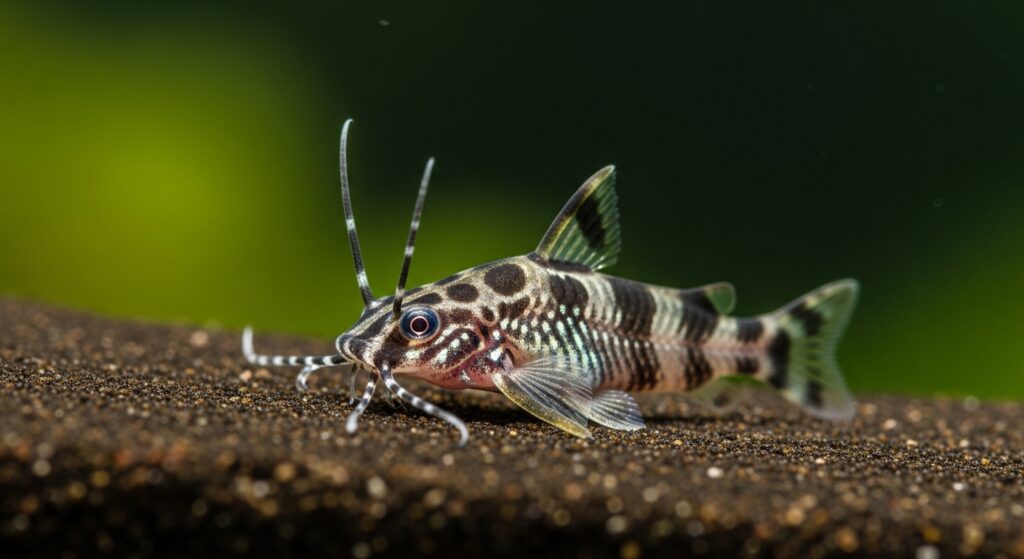
Note: Image placeholder for Otocinclus Catfish - small algae-eating catfish with slender body
Species Overview
- Scientific Name: Otocinclus vittatus (Common Oto)
- Common Names: Oto Catfish, Dwarf Sucker, Algae Eater
- Adult Size: 1-2 inches (2-5 cm)
- Lifespan: 3-5 years
- Minimum Tank Size: 10 gallons
- Temperament: Peaceful, social schooling fish
- Diet: Herbivore - diatom algae, green algae, algae wafers
- Water Temperature: 72-78°F (22-26°C)
- pH Level: 6.0-7.5
- Water Hardness: Soft to moderately hard
Otocinclus Catfish, affectionately known as "Otos" in the aquarium hobby, represent the perfect solution for algae control in smaller tanks. These tiny catfish reach only 1-2 inches in length yet possess an incredible appetite for algae, particularly the stubborn diatom algae that coats glass and decorations in newer tanks.
Native to South American streams and rivers, Otocinclus have adapted to life in fast-flowing waters with abundant plant cover. Their streamlined bodies and powerful sucker mouths allow them to cling to surfaces even in strong currents, making them efficient algae grazers in any tank setup.
Unlike many algae eaters that only consume certain types of algae, Otos are specialized diatom eaters that excel at cleaning the fine brown film that often coats new aquariums. They also consume green algae and biofilm, making them invaluable for maintaining pristine glass and plant leaves.
While generally hardy once established, Otocinclus have a reputation for being delicate when first introduced to a tank. This sensitivity usually stems from poor handling during shipping and importation rather than inherent weakness. Purchasing from reputable local breeders or well-established fish stores significantly increases success rates.
Otocinclus must be kept in groups of six or more to display natural behaviors and feel secure. In adequate numbers, they become active and entertaining to watch as they race across the glass and leaves in constant search of algae. A 10-gallon tank provides the minimum space for a small group, though 20 gallons or larger allows for better algae sustainability and more stable water parameters.
For more detailed care information specific to these tiny algae-eating powerhouses, visit our complete Otocinclus catfish care guide.
Best For
Otocinclus are ideal for nano tanks, planted aquariums, and any setup struggling with diatom or green algae. They excel in established tanks with plenty of surfaces for grazing. Their tiny size and peaceful nature make them compatible with virtually all small community fish.
Not Ideal For
Avoid adding Otos to brand new tanks without established algae growth. They should not be kept with large or aggressive fish that may view them as food. Their small size also makes them unsuitable for tanks with fish large enough to swallow them whole.
4. Clown Plecostomus - The Colorful Wood Grazer

Species Overview
- Scientific Name: Panaqolus maccus
- Common Names: Clown Pleco, Clown Panaque, Ringlet Pleco
- Adult Size: 3-4 inches (8-10 cm)
- Lifespan: 10+ years with proper care
- Minimum Tank Size: 20 gallons
- Temperament: Peaceful, solitary, nocturnal
- Diet: Herbivore - driftwood, algae, vegetables
- Water Temperature: 72-82°F (22-28°C)
- pH Level: 6.5-7.5
- Water Hardness: Soft to moderately hard
The Clown Plecostomus delivers striking beauty in a compact package. With its bold orange and black striped pattern, this small pleco adds visual interest to any aquarium while performing valuable cleanup duties. Unlike many plecos that grow into tank-busting giants, Clown Plecos stay under 4 inches, making them perfect for smaller community tanks.
Native to the Amazon River basin in Venezuela and Colombia, Clown Plecos inhabit fast-flowing streams rich in driftwood. They have developed specialized digestive systems that allow them to consume and process wood, making driftwood an essential component of their diet rather than just a decorative element.
Clown Plecos are primarily nocturnal, spending daylight hours hiding in caves, under driftwood, or inside decorations. As lights dim, they emerge to graze on algae, biofilm, and most importantly, driftwood. Their nocturnal habits mean they are often overlooked during the day but become surprisingly active in the evening hours.
A 20-gallon tank provides adequate space for a single Clown Pleco, though larger tanks allow for more natural behavior and better water stability. The aquarium should contain plenty of driftwood pieces, as these fish require wood in their diet for proper digestion and nutrition. Supplement their diet with blanched vegetables and high-quality algae wafers.
Despite their small size, Clown Plecos can be territorial with other plecos. They generally do best as the only pleco in a tank or with plenty of space and hiding spots to establish personal territories. Their peaceful nature extends to other fish species, making them excellent community tank inhabitants.
If you are interested in exploring more pleco varieties for your aquarium, our comprehensive guide covering types of plecos showcases 15 excellent species for every tank size.
Best For
Clown Plecos are perfect for aquarists seeking a colorful, small pleco that will not outgrow their tank. They work beautifully in planted tanks and community setups with peaceful tank mates. Their wood-eating habits make them ideal for tanks with plenty of driftwood hardscaping.
Not Ideal For
These catfish are not suitable for tanks without driftwood. They are also poor choices for aquarists who want to observe active fish during the day, as their nocturnal nature keeps them hidden until evening. Tanks with aggressive fish may stress these shy plecos into hiding constantly.
5. Striped Raphael Catfish - The Armored Bottom Dweller
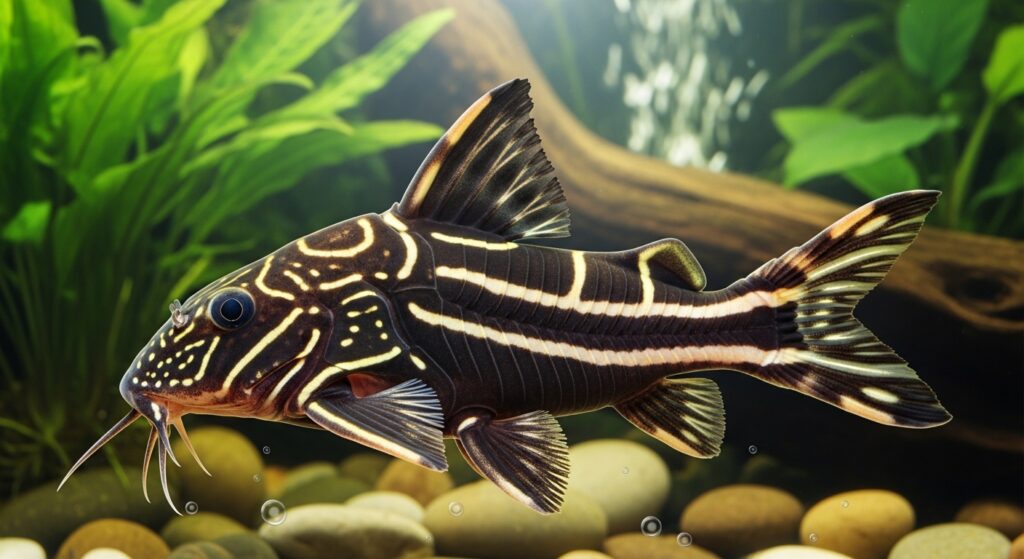
Note: Image placeholder for Striped Raphael Catfish - armored catfish with distinctive stripes
Species Overview
- Scientific Name: Platydoras armatulus
- Common Names: Striped Raphael Catfish, Talking Catfish, Chocolate Doradid
- Adult Size: 5-6 inches (13-15 cm)
- Lifespan: 15-20 years
- Minimum Tank Size: 40 gallons
- Temperament: Peaceful, solitary, nocturnal
- Diet: Omnivore - sinking pellets, frozen foods, vegetables
- Water Temperature: 72-82°F (22-28°C)
- pH Level: 6.0-7.5
- Water Hardness: Soft to moderately hard
The Striped Raphael Catfish brings a prehistoric aesthetic to freshwater aquariums with its heavily armored body and bold black-and-white striped pattern. This fascinating bottom dweller possesses bony plates covering its entire body, providing protection that allows it to coexist with larger, semi-aggressive fish that might bully more delicate species.
Native to the Amazon and Orinoco river basins in South America, Striped Raphael Catfish inhabit slow-moving waters with sandy bottoms and abundant hiding places. They have adapted to life in dim conditions and spend most daylight hours tucked away in caves or under decorations.
One of the most interesting characteristics of this species is its ability to produce audible sounds. When threatened or handled, Striped Raphael Catfish can create clicking or grinding noises using their pectoral fin spines. This "talking" behavior has earned them the nickname "Talking Catfish" among hobbyists.
Striped Raphael Catfish are solitary by nature and do not require companions of their own species. In fact, they may become territorial with other bottom-dwelling catfish if space is limited. A single specimen thrives alone in a 40-gallon tank, though larger aquariums allow for more natural territory establishment.
These catfish are entirely nocturnal and will not be seen during the day unless the aquarium has very dim lighting. They emerge at night to scavenge for food along the bottom, consuming leftover fish food, sinking pellets, and even small frozen foods. Their armored bodies allow them to navigate through tight spaces in search of morsels.
For a more detailed exploration of this fascinating armored catfish, including advanced care tips and breeding information, visit our dedicated Striped Raphael catfish care guide.
Best For
Striped Raphael Catfish are ideal for aquarists seeking a unique, long-lived catfish that does not require a school. Their armored bodies allow them to coexist with larger community fish and even semi-aggressive species that might harass softer-bodied catfish. They are perfect for tanks with plenty of caves and hiding spots.
Not Ideal For
These catfish are not suitable for small tanks under 40 gallons or for aquarists who want to observe active fish during daylight hours. Their nocturnal nature means they remain hidden until lights dim. They should also be handled carefully, as their sharp fin spines can deliver painful pricks if the fish feels threatened.
6. Tra Catfish - The Active Mid-Water Swimmer

Species Overview
- Scientific Name: Pangasius hypophthalmus (also known as Iridescent Shark)
- Common Names: Tra Catfish, Swai, Iridescent Shark
- Adult Size: 3-4 inches in aquariums (can grow much larger in ponds)
- Lifespan: 10+ years
- Minimum Tank Size: 30 gallons
- Temperament: Peaceful, active schooling fish
- Diet: Omnivore - sinking pellets, flakes, frozen foods
- Water Temperature: 72-82°F (22-28°C)
- pH Level: 6.0-7.5
- Water Hardness: Soft to moderately hard
Tra Catfish, also known as Iridescent Sharks despite being true catfish, bring impressive energy and activity to larger community tanks. These sleek, silver fish possess an elongated body shape and deeply forked tail that allows for fast, agile swimming throughout the water column rather than just hugging the bottom.
Native to the Mekong River basin in Southeast Asia, Tra Catfish inhabit large rivers and floodplains. In the wild, they can grow to impressive sizes, but aquarium specimens typically remain much smaller when kept in appropriate tanks. Their growth is directly related to tank size, making them manageable in aquariums under 75 gallons.
The most distinctive feature of Tra Catfish is their constant movement. Unlike many catfish that rest during the day, Tra Catfish swim continuously, creating a dynamic display as they dart through the tank. Their iridescent silver scales catch the light beautifully as they move, adding shimmer and life to any aquarium.
Tra Catfish are schooling fish that must be kept in groups of five or more to feel secure and display natural behaviors. In adequate numbers, they become bold and confident, constantly swimming throughout the tank. Inadequate group sizes lead to skittish, stressed fish that hide constantly.
A 30-gallon tank represents the minimum for a small group of juvenile Tra Catfish, though larger tanks are strongly recommended as they grow. These fish need plenty of open swimming space with minimal obstacles. While they appreciate some plants and driftwood for security, too much hardscape restricts their movement.
Also Read: The 11 Most Popular Pond Fish for more aquatic species suitable for outdoor setups.
Best For
Tra Catfish are excellent for aquarists seeking active, mid-water swimming catfish that add movement to the tank. They work beautifully in larger community tanks with other peaceful, similarly sized fish. Their schooling behavior creates an impressive display when kept in adequate numbers.
Not Ideal For
These catfish are not suitable for small tanks under 30 gallons or for aquarists who cannot accommodate a school of five or more. Their active swimming and eventual size require significant open space. They also become nervous and prone to injury in tanks with aggressive tank mates or those containing sharp decorations.
7. Panda Cory - The Adorable Miniature Scavenger

Species Overview
- Scientific Name: Corydoras panda
- Common Names: Panda Cory, Panda Corydoras
- Adult Size: 2 inches (5 cm)
- Lifespan: 5-10 years
- Minimum Tank Size: 20 gallons
- Temperament: Peaceful, social schooling fish
- Diet: Omnivore - sinking pellets, algae wafers, frozen foods
- Water Temperature: 72-78°F (22-26°C)
- pH Level: 6.0-7.0
- Water Hardness: Soft to moderately hard
The Panda Cory stands out as one of the most visually striking and endearing members of the Corydoras family. Named for their distinctive black patches around the eyes that resemble a panda's markings, these tiny catfish bring personality and charm to any community aquarium. Their small size and peaceful nature make them perfect for nano tanks and planted setups.
Native to the upper Amazon tributaries in Peru, Panda Corys inhabit cool, clear streams with sandy bottoms and abundant leaf litter. They have adapted to slightly cooler temperatures than many tropical fish, preferring water between 72-78°F. This makes them excellent companions for other fish that appreciate slightly cooler conditions.
Panda Corys display all the endearing behaviors that make Corydoras so popular among aquarists. They actively graze the substrate in search of food, occasionally dart to the surface for air, and display charming "winking" behaviors as they move their eyes. In well-planted tanks with adequate groups, they become confident and active throughout the day.
Like all Corydoras, Panda Corys are social fish that require groups of six or more to thrive. In adequate numbers, they school together, feed as a group, and display significantly more confidence and activity. Keeping them in smaller groups leads to stress, reduced activity, and shortened lifespans.
A 20-gallon tank provides the minimum space for a group of Panda Corys. They appreciate soft, sandy substrate that protects their delicate barbels, along with plenty of plants and hiding places. Driftwood and leaf litter help recreate their natural habitat while providing additional grazing surfaces for microorganisms.
Panda Cory is just one of many popular Corydoras varieties available to hobbyists. For a comprehensive exploration of the diverse Corydoras family, including detailed care guides for each species, check out our complete guide to the types of Corydoras catfish.
Best For
Panda Corys are perfect for planted tanks, nano aquariums, and any setup with peaceful community fish. Their adorable appearance and active behaviors make them especially appealing to beginners and experienced aquarists alike. They excel at keeping the substrate clean of leftover food and debris.
Not Ideal For
These catfish are not suitable for tanks with aggressive fish or large cichlids. Their small size and peaceful nature make them vulnerable to bullying. They also struggle in tanks with coarse gravel that damages their barbels and require stable, clean water conditions that may challenge beginners with brand new tanks.
8. Longfin Banded Shark - The Elegant Algae Grazer

Species Overview
- Scientific Name: Epalzeorhynchos kallopterus (Longfin variant of Red-Tailed Shark)
- Common Names: Longfin Banded Shark, Red-Tailed Shark, Red-Tailed Black Shark
- Adult Size: 4-6 inches (10-15 cm)
- Lifespan: 5-8 years
- Minimum Tank Size: 30 gallons
- Temperament: Semi-aggressive, territorial
- Diet: Omnivore - algae, vegetables, flakes, frozen foods
- Water Temperature: 72-79°F (22-26°C)
- pH Level: 6.5-7.5
- Water Hardness: Moderately hard
The Longfin Banded Shark, a variant of the popular Red-Tailed Shark, brings dramatic elegance to freshwater aquariums with its flowing fin extensions and bold coloration. Despite the name "shark," this is actually a cyprinid related to carp and minnows, not a true shark. However, it shares the bottom-dwelling and algae-grazing habits of many catfish species.
Native to Thailand, the Red-Tailed Shark is considered extinct in the wild due to habitat destruction, making all aquarium specimens captive-bred. The Longfin variant has been selectively bred for its extended, flowing fins that add grace and movement to the tank as the fish swims.
These fish possess a striking appearance with their deep black bodies contrasted against bright red or orange tail fins. The Longfin variant adds flowing, veil-like extensions to the dorsal, anal, and tail fins that trail behind the fish as it moves. This combination of bold colors and elegant fins makes them a centerpiece species in many community tanks.
Longfin Banded Sharks are active bottom dwellers that spend their time grazing on algae and patrolling their territory. They require plenty of horizontal swimming space and appreciate caves or hiding spots where they can establish a home base. While primarily bottom-oriented, they will swim throughout the water column when active.
These fish are territorial and must be kept singly. Only one Longfin Banded Shark should inhabit any tank unless the aquarium is exceptionally large with multiple visual barriers. They become aggressive toward their own kind and other similar-looking fish like Rainbow Sharks, often chasing and harassing them relentlessly.
A 30-gallon tank provides the minimum space for a single specimen, though larger tanks allow for more natural territory and reduce stress. They appreciate stable water conditions with moderate filtration. While generally hardy, their long fins are susceptible to damage from sharp decorations or aggressive tank mates.
Best For
Longfin Banded Sharks are ideal for aquarists seeking a colorful, active centerpiece fish with algae-grazing capabilities. They work well in community tanks with other semi-aggressive or fast-moving fish that can hold their own. Their constant activity adds life and movement to the lower portions of the aquarium.
Not Ideal For
These fish are not suitable for peaceful community tanks with slow-moving or long-finned fish like bettas, guppies, or angelfish. Their semi-aggressive nature leads to bullying of more docile species. They also should not be kept with other Red-Tailed Sharks or Rainbow Sharks due to intense territorial aggression.
9. Glass Catfish - The Transparent Wonder
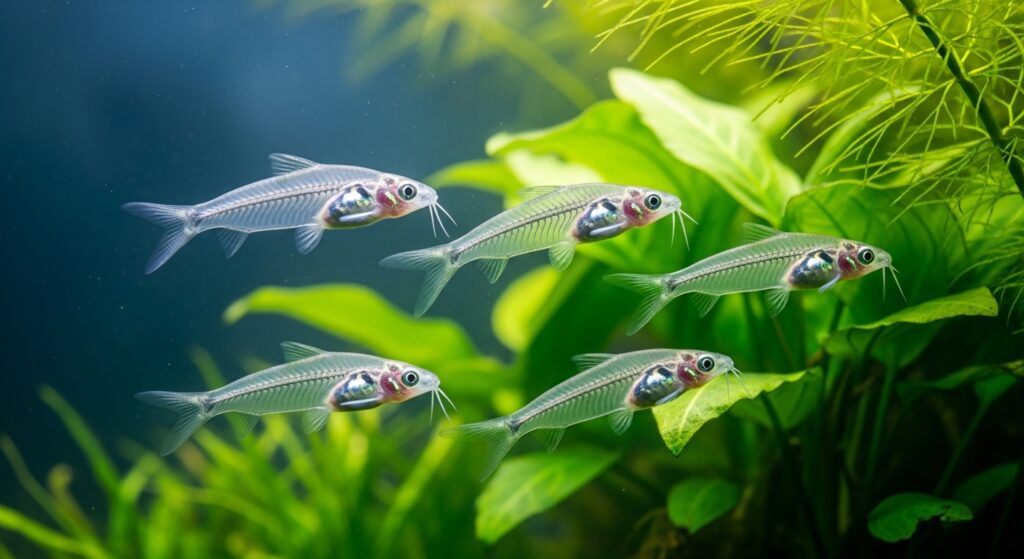
Note: Image placeholder for Glass Catfish - transparent catfish showing internal organs
Species Overview
- Scientific Name: Kryptopterus vitreolus
- Common Names: Glass Catfish, Ghost Catfish, Phantom Catfish
- Adult Size: 3-4 inches (8-10 cm)
- Lifespan: 7-8 years
- Minimum Tank Size: 30 gallons
- Temperament: Peaceful, social schooling fish
- Diet: Omnivore - small frozen foods, flakes, live foods
- Water Temperature: 75-80°F (24-27°C)
- pH Level: 6.5-7.0
- Water Hardness: Soft to moderately hard
The Glass Catfish stands as one of nature's most fascinating aquatic oddities. These remarkable fish possess completely transparent bodies that reveal their internal organs, bones, and even the food in their digestive tracts. Swimming through an aquarium like living glass sculptures, they create an otherworldly display that captivates everyone who sees them.
Native to slow-moving rivers and streams in Thailand, Glass Catfish have evolved their transparency as a defense mechanism against predators. In their murky natural habitat, being see-through makes them nearly invisible. This remarkable adaptation has made them highly sought after by aquarists seeking unique centerpiece fish.
Glass Catfish are primarily mid-water swimmers rather than bottom dwellers, which sets them apart from most other aquarium catfish. They prefer to hover in the water column, often orienting themselves at unusual angles as they drift in the current. Their long, delicate barbels trail behind them as they swim, adding to their ethereal appearance.
These fish are highly social and must be kept in groups of six or more to display natural behaviors and feel secure. In adequate numbers, they school together in tight formations, creating a mesmerizing display as their transparent bodies catch the light. Single specimens become stressed, lose their transparency, and often waste away.
Glass Catfish require pristine water conditions with stable parameters. They are sensitive to ammonia, nitrites, and fluctuations in temperature or pH. A well-established tank with stable conditions is essential before adding these delicate fish. Their care requirements place them in the intermediate difficulty category.
A 30-gallon tank provides adequate space for a school of Glass Catfish. They appreciate dim lighting, plenty of plants for security, and gentle water flow that mimics their slow-moving river origins. Hiding spots among driftwood and vegetation help them feel secure enough to display their full transparent beauty.
Best For
Glass Catfish are perfect for experienced aquarists seeking a unique, conversation-starting species for established planted tanks. Their transparent bodies create stunning visual effects when properly illuminated. They work beautifully with other peaceful community fish in well-maintained aquariums.
Not Ideal For
These catfish are definitely not suitable for beginners or brand new tanks. Their sensitivity to water parameters makes them poor choices for aquarists still mastering water quality management. They also should not be kept with aggressive fish, large tank mates, or in tanks with unstable conditions.
Catfish Species to Avoid for Home Aquariums
While the nine species above represent excellent choices for home aquariums, the catfish family includes many species that grow far too large or aggressive for typical tanks. Pet stores sometimes sell these species as juveniles without properly educating buyers about their adult requirements. Adding one of these giants to a standard aquarium inevitably leads to disaster for both the fish and the owner.
Redtail Catfish (Phractocephalus hemioliopterus)
The Redtail Catfish represents perhaps the most commonly sold "tank buster" in the aquarium trade. Available as adorable three-inch juveniles with striking red tails and spotted bodies, these fish grow into massive predators reaching over four feet in length and weighing more than 100 pounds. They require ponds or aquariums of 1000+ gallons, making them completely unsuitable for home aquariums.
Despite their appealing appearance as babies, Redtail Catfish grow rapidly and will consume any tank mates small enough to fit in their enormous mouths. Many well-meaning aquarists purchase these fish only to find themselves with an unmanageable giant within a year or two. Responsible hobbyists should never purchase Redtail Catfish unless prepared to house them in massive pond facilities.
Tiger Shovelnose Catfish (Pseudoplatystoma fasciatum)
The Tiger Shovelnose Catfish presents another common tank buster sold under misleading circumstances. As juveniles, they display beautiful tiger-like striping and an unusual flattened snout. However, they grow to over three feet in length and require enormous tanks or ponds to thrive. Their massive mouths can swallow surprisingly large prey, including fish nearly half their own size.
These active predators need swimming space measured in hundreds of gallons, not tens. Their predatory nature means they cannot be kept with community fish, and their size makes them expensive to feed and maintain. Like Redtails, Tiger Shovelnose Catfish belong only in professional aquariums or large pond facilities.
Common Pleco (Hypostomus plecostomus)
The Common Pleco, often sold generically as an "algae eater" in pet stores, routinely grows to 12-24 inches and produces massive amounts of waste. While not as extreme as Redtails or Tiger Shovelnoses, these fish quickly outgrow standard aquariums and require 75+ gallons to thrive. Their reputation as magical algae solutions leads many beginners to purchase them for 10 or 20-gallon tanks.
As Common Plecos grow, they often lose interest in algae altogether and require substantial vegetable supplementation. Their waste output can overwhelm filtration systems in smaller tanks, leading to water quality crashes. Aquarists seeking algae control should choose Bristlenose Plecos or Otocinclus instead, which remain manageable sizes.
Walking Catfish (Clarias batrachus)
The Walking Catfish, named for its ability to wiggle across land using its pectoral fins, represents another species occasionally sold in the aquarium trade. These fish can reach 18 inches and possess aggressive temperaments. Their ability to survive out of water and escape tanks creates additional problems for owners.
Walking Catfish are predatory, hardy, and active escape artists. They require large tanks with tight-fitting lids and cannot be trusted with smaller tank mates. Their invasive status in many regions also makes them illegal to own in some areas. Aquarists should avoid these problematic fish in favor of the peaceful alternatives listed earlier.
Frequently Asked Questions About Freshwater Aquarium Catfish
What type of catfish are good for aquariums?
Good aquarium catfish species include Corydoras, Bristlenose Plecos, Otocinclus, Clown Plecos, and smaller Synodontis varieties. These species stay under 6 inches, have peaceful temperaments, and thrive in tanks under 75 gallons. The best catfish for your aquarium depends on tank size, existing fish, and whether you need algae control or bottom scavenging.
What is the best catfish for beginners?
Corydoras Catfish are the best choice for beginners due to their hardiness, peaceful nature, and easy care requirements. Bronze Corydoras and Panda Corys tolerate a wide range of water conditions and readily accept prepared foods. Bristlenose Plecos also make excellent beginner catfish because they stay small, eat algae, and adapt well to community tanks.
Do catfish need sand substrate?
Yes, most catfish strongly prefer sand substrate over gravel. Species like Corydoras actively root through the bottom searching for food, and sharp gravel can damage their sensitive barbels and mouths. Sand protects their delicate sensory organs while allowing natural sifting behaviors. Smooth gravel can work, but sand is strongly recommended for all bottom-dwelling catfish species.
How many Corydoras should be kept together?
Corydoras must be kept in groups of six or more to display natural behaviors and feel secure. In adequate numbers, they school together, become more active, and show confidence. Keeping Corydoras in smaller groups causes stress, hiding, and shortened lifespans. Larger groups of ten or more create even more impressive schooling displays and healthier fish.
Are catfish good for cleaning aquariums?
Catfish help clean aquariums by eating leftover food, controlling algae, and scavenging debris from the substrate. However, they cannot replace regular maintenance. Species like Otocinclus and Bristlenose Plecos excel at algae control, while Corydoras keep the bottom clean of uneaten food. Despite their cleaning benefits, catfish still produce waste and require proper filtration and water changes.
Conclusion: Choosing the Right Catfish for Your Aquarium
Freshwater aquarium catfish offer aquarists an incredible diversity of options for adding personality, functionality, and beauty to their tanks. From the tiny algae-eating Otocinclus to the striking transparent Glass Catfish, each species brings unique characteristics that enhance the aquarium experience. These nine species represent the best balance of manageable size, peaceful temperament, and beneficial tank contributions.
When selecting the perfect catfish for your setup, consider your tank size, existing inhabitants, and specific needs. Corydoras and Panda Corys excel as social bottom scavengers in community tanks. Bristlenose and Clown Plecos provide excellent algae control while remaining compact. Otocinclus tackle stubborn diatom algae in smaller tanks. For something truly unique, the transparent Glass Catfish or armored Striped Raphael offer visual appeal unlike any other fish.
Remember that even the best cleanup crew cannot replace regular aquarium maintenance. Water changes, filter maintenance, and proper feeding remain essential for healthy fish and pristine water quality. Choose your catfish based on their adult requirements, not their juvenile size, and always provide appropriate substrate, hiding places, and diet for long-term success.
Which of these fascinating freshwater aquarium catfish catches your interest? Whether you are drawn to the social antics of a Corydoras school, the algae-eating efficiency of an Otocinclus group, or the unique appearance of a Glass Catfish, there is a perfect catfish waiting to join your aquatic family. Share your experiences and questions in the comments below, and do not forget to explore our other aquarium guides for more fishkeeping inspiration.
Related: Learn more about maintaining a healthy aquatic ecosystem with our guide to the 28 best algae eaters and discover additional catfish species in our Corydoras care guide. Happy fishkeeping!