Color variations range from bright neon green with contrasting pink or purple tips to golden yellow with orange highlights. Some specimens display more subdued brown or cream coloration, though these are less commonly sought after in the aquarium trade. The fluorescent pigments in frogspawn coral glow vividly under actinic lighting, creating a striking display in reef tanks.
Two distinct morphological types exist within this species. Fimbriaphyllia divisa forms wall-like colonies with a continuous skeleton base, while Fimbriaphyllia paradivisa develops true branching structures with separate bases. The branching variety grows more quickly and fragments more easily, making it popular for propagation. Both types share the same care requirements and aggressive tendencies.
The polyps contain specialized stinging cells called nematocysts in their tentacles. These cells help capture prey and defend territory against competing corals. Under optimal conditions, tentacle extension can reach three to four times the length of the coral's base, creating a flowing, flower-like appearance that moves with the water current.
Average Size And Growth Of Frogspawn Corals
Frogspawn coral exhibits indeterminate growth, meaning colonies can continue expanding indefinitely given adequate space and resources. In captivity, individual colonies typically reach 8 to 12 inches in diameter over several years. Wild specimens can grow even larger, sometimes exceeding 18 inches across in ideal reef conditions with abundant nutrients and light.

Growth rate depends on multiple factors including lighting quality, water flow, feeding frequency, and available calcium for skeleton building. Under optimal conditions, frogspawn coral grows approximately 1 to 2 inches per year in colony diameter. Branching varieties typically grow faster than wall types due to their modular growth pattern.
Individual polyps start small, around 1/8 inch in diameter when newly settled. They gradually develop into larger specimens with tentacle extension increasing proportionally. Mature colonies can weigh several pounds when fully hydrated, requiring stable mounting on rockwork to prevent toppling in the aquarium.
Habitat
Frogspawn coral inhabits the Indo-Pacific region, ranging from the east coast of Africa through the Indian Ocean to the western Pacific. Key collection areas include Fiji, Tonga, the Solomon Islands, the Great Barrier Reef, Indonesia, and the Philippines. They are also found in parts of the Red Sea and around islands throughout the Pacific.

In the wild, these corals occupy reef slopes, lagoons, and protected areas with moderate water movement. They typically reside at depths ranging from 3 to 40 meters (10 to 130 feet), though most common collection occurs in shallower ranges where light penetration supports photosynthesis. They often anchor to rocky substrates or dead coral bases in areas with good water exchange.
Natural habitat conditions include water temperatures between 74 to 78 degrees Fahrenheit (23 to 26 degrees Celsius) and moderate to high lighting from natural sunlight. The IUCN Red List classifies frogspawn coral as Vulnerable due to habitat destruction, bleaching events, and collection pressures. This status has increased the importance of aquaculture and sustainable mariculture practices within the aquarium trade.
Breeding Of Frogspawn Corals
Frogspawn coral reproduces both sexually and asexually in natural environments. Sexual reproduction involves the simultaneous release of eggs and sperm during spawning events, typically synchronized with lunar cycles and water temperature changes. In the wild, these mass spawning events occur annually, allowing genetic exchange between different colonies and maintaining population diversity.

Asexual reproduction occurs through natural fragmentation, where pieces break off due to storms or physical damage and reattach elsewhere to form new colonies. This propagation method allows populations to expand locally without requiring genetic exchange with distant colonies.
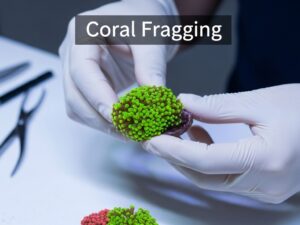
In aquarium settings, sexual reproduction is extremely rare due to the specific environmental triggers required. Captive breeding typically focuses on artificial propagation through fragmentation, commonly called fragging. Hobbyists and commercial operations cut small pieces from parent colonies and attach them to frag plugs or rock rubble. These fragments develop into genetically identical clones of the parent coral.
Propagation through fragging has become the primary method of supplying the aquarium trade, reducing pressure on wild populations. A single healthy colony can produce numerous fragments over its lifetime, making frogspawn coral a sustainable choice when purchased from aquaculture sources. Proper fragging techniques ensure clean cuts that heal quickly and develop into robust new colonies.
Temperament Of Frogspawn Corals
Frogspawn coral exhibits aggressive behavior toward other corals due to its sweeper tentacles. These specialized defense tentacles extend several inches beyond the normal polyp perimeter and contain concentrated nematocysts capable of delivering powerful stings. Sweeper tentacles typically develop on the side of the colony facing competing corals and can extend up to six inches in length.

The aggression level varies based on proximity to other corals and available space. When placed with adequate separation from neighbors, frogspawn coral remains relatively peaceful within its own territory. However, when crowded or competing for space, it will actively attack nearby corals using its sweeper tentacles to clear space and reduce competition for light and nutrients.
Stress responses include polyp retraction, color fading, and mucus production. When severely stressed by temperature fluctuations, poor water quality, or physical disturbance, frogspawn coral may retract its tentacles completely and remain closed for extended periods. This defensive behavior protects vulnerable tissue but prevents feeding and photosynthesis, potentially leading to decline if stressors persist.
Unlike some corals that can actively move or relocate, frogspawn coral remains permanently attached to its substrate. Once settled, the coral cannot change position and relies entirely on polyp extension and sweeper tentacles to interact with its environment. This sessile nature makes initial placement crucial for long-term success in the aquarium.
Social Structure
In natural reef environments, frogspawn corals often form loose aggregations where multiple colonies occupy favorable habitat areas. These groupings result from suitable conditions rather than cooperative behavior. Individual colonies compete for resources including light, nutrients, and space while sharing the general area due to optimal environmental conditions.

Colonies consist of genetically identical polyps connected by shared tissue and a common skeleton. This colonial structure allows nutrient sharing between polyps, with healthier polyps potentially supporting stressed neighbors. The shared skeleton provides structural support and attachment points for new polyp development as the colony expands.
During spawning events in the wild, synchronous gamete release occurs across multiple colonies. This timing maximizes fertilization success by ensuring eggs and sperm mix in the water column. The collective spawning strategy represents an adaptation for species survival rather than social cooperation in the traditional sense.
In aquarium settings, frogspawn corals can coexist with other LPS corals provided adequate spacing prevents physical contact. They do not exhibit schooling or shoaling behaviors and do not benefit from proximity to conspecifics beyond the reproductive advantages in wild spawning scenarios. Each colony functions as an independent organism despite physical connections between its component polyps.
Frogspawn Coral Care Guide
Providing proper care for frogspawn coral requires attention to water quality, lighting, flow, and nutrition. While not the most demanding LPS coral, frogspawn does require stable conditions and intermediate-level reef keeping skills to thrive long-term. Understanding specific requirements helps prevent common issues like tissue recession, bleaching, and disease susceptibility.
Tank Requirements
Minimum tank size for frogspawn coral is 30 gallons, though larger systems provide more stable parameters and better long-term success. The coral requires adequate space for growth and sufficient distance from neighboring corals to prevent aggression issues. A larger water volume helps buffer against parameter swings that can stress sensitive LPS specimens.

Substrate requirements include stable live rock or epoxy mounts for attachment. Frogspawn coral must attach firmly to prevent falling or being knocked over by water flow or tank inhabitants. The base should rest on flat rockwork where the coral can anchor without risk of toppling as it grows larger and heavier over time.
Water flow equipment should provide moderate, irregular currents rather than direct blasts from powerheads. Random flow patterns prevent detritus accumulation while allowing polyps to extend fully for feeding. Strong directional flow can damage tentacles or cause the coral to retract, while insufficient flow allows waste buildup on tissue surfaces.
Tank inhabitants must be selected carefully to avoid coral predators. Certain butterflyfish, angelfish, and large crabs may nip at frogspawn tentacles. Compatible tank mates include most reef-safe fish that do not bother sessile invertebrates. Proper acclimation protocols help ensure successful introduction to established reef systems.
Water parameters
Maintaining stable water parameters is crucial for frogspawn coral health. The following table outlines ideal ranges based on successful husbandry practices and competitor research from leading coral care sources:
| Parameter | Ideal Range | Notes |
|---|---|---|
| Temperature | 74-78°F (23-26°C) | Stable temperature critical; avoid fluctuations over 2°F |
| pH | 8.1-8.4 | Natural seawater range preferred |
| Salinity | 1.023-1.025 sg | 35 ppt optimal; match source water if possible |
| Alkalinity | 8-12 dKH | 8-9 dKH ideal for calcification |
| Calcium | 400-450 ppm | Required for skeleton building |
| Magnesium | 1300-1400 ppm | Maintains calcium and alkalinity balance |
| Nitrates | <5 ppm | Low nutrients preferred; some acceptable |
| Phosphates | <0.1 ppm | Keep low to prevent algae issues |
Parameter stability matters more than hitting exact numbers. Sudden changes in alkalinity, temperature, or salinity stress frogspawn coral and can trigger polyp retraction or tissue recession. Gradual adjustments over several days allow corals to acclimate without shock.
Testing frequency should include weekly checks of alkalinity and calcium, with monthly full panel tests including magnesium, nitrates, and phosphates. Automated dosing systems help maintain stable parameters in heavily stocked reef tanks with high calcification demands.
Water changes of 10-20 percent every two weeks help maintain trace elements and remove accumulated waste products. Using high-quality salt mix matched to natural seawater composition provides necessary major, minor, and trace elements for coral health.
Lighting
Frogspawn coral requires moderate to high lighting with PAR values between 100-150 being optimal for most specimens. This range provides sufficient energy for photosynthesis without risking light shock or bleaching. Starting new specimens at lower PAR levels around 80-100 and gradually increasing over several weeks allows proper acclimation.

Lighting spectrum should include both white and blue wavelengths. Blue light (actinic spectrum) enhances coral fluorescence and supports photosynthesis at depths where these corals naturally occur. A mix of 10,000K to 20,000K spectrum with supplemental actinic lighting produces optimal coloration and growth.
Photoperiod recommendations include 8-10 hours of main lighting with gradual ramping up and down to simulate natural dawn and dusk periods. Sudden light changes stress corals and should be avoided. LED fixtures with programmable schedules provide the most consistent and customizable lighting for reef tanks.
Signs of inadequate lighting include reduced polyp extension, loss of color vibrancy, and slowed growth. Excessive lighting causes bleaching, where corals expel zooxanthellae and turn white or pale. Adjusting placement or intensity based on coral response optimizes health and appearance.
Feeding
Frogspawn coral obtains most nutrition through photosynthesis from its symbiotic zooxanthellae algae. However, supplemental feeding enhances growth, coloration, and overall health. Target feeding meaty foods two to three times per week provides additional protein and lipids.

Appropriate foods include mysis shrimp, brine shrimp, cyclopeeze, and finely chopped seafood. Commercial coral foods designed for LPS corals also provide balanced nutrition. Feeding should occur when polyps are fully extended, typically in the evening when tank lights begin dimming.
Target feeding technique involves using a turkey baster or pipette to place food directly on tentacles. This ensures the coral receives nutrition rather than fish stealing the food. Turn off water flow temporarily during feeding to allow the coral to capture prey before it disperses.
Broadcast feeding involves adding food to the water column for filter feeding. While frogspawn corals can capture floating particles, this method is less efficient than target feeding and may contribute to nutrient accumulation. Combining both methods provides optimal nutrition while maintaining water quality.
Propagation Of Frogspawn Corals
Propagating frogspawn coral through fragmentation allows hobbyists to expand their collections and share specimens with other aquarists. This asexual reproduction method creates genetically identical clones that develop into full colonies over time.
Fragging technique requires a clean, sharp tool such as bone cutters, dremel with diamond blade, or specialized coral cutters. The process involves cutting a branch or section from the parent colony, ensuring the fragment includes healthy tissue and some skeleton. Cuts should be clean rather than crushed to promote faster healing.
Fragment placement involves attaching the cut piece to a frag plug or rock rubble using coral glue or epoxy. The fragment should rest securely without rolling or shifting. Some aquarists place frags in low-flow areas initially to allow tissue to seal before moving to permanent placement.
Recovery time varies from several days to several weeks depending on fragment size and tank conditions. During healing, the fragment may retract polyps and produce excess mucus. Maintaining stable parameters and target feeding helps new frags establish and begin growing.
Commercial propagation through mariculture has reduced wild collection pressure. Purchasing aquacultured specimens supports sustainable practices and typically provides hardier corals already adapted to captive conditions. Many vendors now offer frags from domestic aquaculture operations rather than wild-harvested colonies.
Common Diseases And Their Treatments
Frogspawn coral faces several disease threats in captivity. Early identification and treatment improve survival rates when problems occur. Quarantine procedures for new specimens help prevent introducing pathogens to established systems.

Brown jelly disease represents the most serious threat to frogspawn coral. This bacterial infection appears as brown, gelatinous material oozing from coral tissue. It spreads rapidly between LPS corals and can kill affected specimens within days. Treatment involves removing infected tissue, applying iodine or antibiotic dips, and isolating affected corals. Immediate intervention is essential as this disease progresses quickly.
Bacterial infections may present as tissue recession, unusual slime production, or color changes. Broad-spectrum antibiotic treatments including chloramphenicol or tetracycline compounds can be effective when administered as dips or added to quarantine tank water. Removing affected tissue may be necessary to prevent spread.
Parasitic infections from flatworms or nudibranchs occasionally affect frogspawn coral. Copper-based treatments eliminate most parasites but must be used carefully as copper is toxic to corals at therapeutic doses. Dipping in concentrated solutions for brief periods removes external parasites without prolonged copper exposure.
Coral dipping as a preventive measure helps eliminate pests before introducing new specimens to display tanks. Commercial coral dips containing iodine, chlorinated compounds, or plant extracts kill common hitchhikers. Drip acclimation to match water parameters between source and destination tanks reduces stress that predisposes corals to disease.
Prevention remains the best strategy. Maintaining excellent water quality, avoiding physical damage, providing proper nutrition, and quarantining new additions significantly reduce disease occurrence. Regular observation allows early detection of problems when intervention is most effective.
Frogspawn Coral Placement
Proper placement ensures frogspawn coral receives adequate light and flow while preventing aggressive interactions with neighbors. Initial positioning should account for growth potential over multiple years as colonies expand significantly.
Vertical placement in the tank depends on lighting intensity. Under high-output LEDs or metal halides, frogspawn coral thrives in the middle to lower regions where PAR readings fall in the 100-150 range. Under moderate lighting, placement higher in the tank may be necessary to achieve optimal intensity.
Horizontal spacing requires minimum six inches between frogspawn coral and other corals. This distance prevents sweeper tentacles from reaching neighbors while allowing growth room. Species particularly vulnerable to frogspawn stings include other LPS corals, zoanthids, and soft corals with delicate tissue.
Flow placement should provide moderate, random water movement without direct blasts that can damage tissue. Positions with gyre flow or multiple flow sources create ideal conditions. Avoid placing directly in front of powerheads or return flow where constant strong current stresses polyps.
Attachment options include live rock, epoxy mounts, or frag plugs embedded in rockwork. The coral must attach firmly to prevent toppling as it grows. Initial placement on flat, stable surfaces allows natural attachment over several weeks. Once attached, frogspawn coral should not be moved unless absolutely necessary.
Frequently Asked Questions
Is frogspawn coral hard to keep?
Frogspawn coral is moderately difficult to keep and best suited for intermediate aquarists rather than complete beginners. While the coral tolerates a range of conditions, its susceptibility to brown jelly disease and specific lighting requirements make it more challenging than truly beginner-friendly corals like mushroom corals or zoanthids. Success requires stable water parameters, proper lighting between 100-150 PAR, adequate spacing from other corals, and attention to water flow. Experienced reef keepers can maintain frogspawn coral for many years with proper care.
Is frogspawn coral aggressive?
Yes, frogspawn coral is considered aggressive due to its sweeper tentacles. These specialized defense tentacles extend up to six inches beyond the coral's base and contain powerful stinging cells called nematocysts. Frogspawn coral uses these tentacles to attack neighboring corals and clear space for expansion. Maintain at least six inches of space between frogspawn and other corals to prevent damage. Compatible tank mates include other robust LPS corals with similar aggression levels, provided adequate spacing exists.
Do frogspawn corals like flow?
Frogspawn corals prefer moderate water flow—not too strong and not too weak. Ideal flow patterns are random and indirect, mimicking natural reef conditions where water movement varies in direction and intensity. Too much direct flow causes polyps to retract and can damage delicate tissue. Insufficient flow allows detritus to accumulate on the coral, potentially leading to tissue recession or bacterial infections. Position powerheads or flow sources to create gyre patterns that move water around the coral without blasting it directly.
How much light do frogspawn corals need?
Frogspawn corals require moderate to high lighting with PAR values between 100-150 being optimal. This range provides sufficient energy for photosynthesis while avoiding light shock or bleaching. When introducing new specimens, start at the lower end of this range (80-100 PAR) and gradually increase over several weeks to allow proper acclimation. Use a mix of white and blue (actinic) lighting to enhance coral fluorescence and support photosynthesis. LED fixtures with programmable schedules work well for maintaining consistent photoperiods of 8-10 hours daily.
Conclusion
Frogspawn coral remains one of the most visually striking LPS corals available to reef aquarists in 2026. Its flowing tentacles, vibrant coloration, and distinctive appearance make it a worthy centerpiece for properly planned reef systems. Understanding the updated scientific classification as Fimbriaphyllia divisa, recognizing the distinction between wall and branching varieties, and respecting its Vulnerable conservation status helps hobbyists make informed decisions about their reef keeping practices.
Success with frogspawn coral requires attention to specific care requirements including lighting between 100-150 PAR, stable water parameters with proper alkalinity and calcium levels, adequate spacing from other corals to prevent aggression, and vigilance against brown jelly disease. While not a beginner coral, intermediate aquarists willing to provide proper conditions can enjoy this species for many years.
Choosing aquacultured specimens supports sustainable reef keeping while providing hardier corals adapted to captive conditions. With proper placement, appropriate tank mates, and consistent maintenance, frogspawn coral adds flowing movement and natural beauty to marine aquariums. Whether selecting the classic wall variety or the faster-growing branching type, this species rewards dedicated reef keepers with spectacular displays of living color.
![Crabbing Regulations [cy]: Size Limits, Licenses & Legal](https://www.aquamarinepower.com/wp-content/uploads/2026/07/featured-update-8866-1783659929593-300x225.jpg)
![Best Time to Buy a Kayak in [cy] | Full Guide & Expert Tips](https://www.aquamarinepower.com/wp-content/uploads/2026/07/featured-update-10111-1783328021165-300x225.jpg)