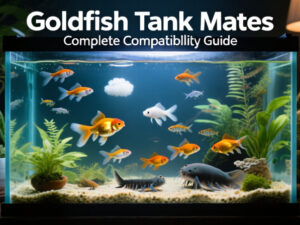
Finding suitable goldfish tank mates can feel like navigating a maze of conflicting advice. Pet stores often recommend fish that are destined to become expensive snacks, and online forums overflow with contradictory opinions about what works and what doesn't. After years of keeping goldfish and experimenting with various companions, I have learned that success depends on understanding a few fundamental rules before adding any new fish to your aquarium.
Goldfish are surprisingly social creatures that thrive in groups of their own kind, but many aquarists want to create a diverse community tank. The challenge lies in finding species that can handle cooler water temperatures, compete for food against eager goldfish, and resist becoming dinner for these opportunistic eaters. Temperature compatibility, temperament matching, and size considerations form the foundation of any successful mixed-species goldfish setup.
This guide breaks down everything you need to know about creating a harmonious goldfish community. We will cover the essential ground rules for selecting tank mates, explore proven compatible species with specific care requirements, identify fish to avoid, and answer the most common questions about goldfish companionship. Whether you have a 20-gallon fancy goldfish tank or a spacious 75-gallon setup, you will find practical recommendations that actually work in real aquariums.
Table of Contents
Origin of Goldfish
Goldfish were originally bred from the Prussian carp or Gibel Carp, Carassius auratus. They were first domesticated in China over a thousand years ago and later introduced to Europe via trade ships during the 1600s. What started as a simple silver-gray carp has transformed through selective breeding into the colorful varieties we see today.

These fish are remarkably hardy and long-lived when properly cared for, with lifespans reaching 10 to 15 years in well-maintained aquariums. Some breeds of goldfish can grow up to 12 inches, though most stay smaller in home aquariums due to space constraints and diet management. Understanding their origin helps explain why goldfish prefer cooler temperatures and have such hearty appetites.
Goldfish possess surprising intelligence and can learn new behaviors. They can be trained to swim through hoops, push balls into nets, and even eat directly from your hand. This intelligence also means they recognize patterns, including feeding times and the presence of potential tank mates, making proper introductions crucial for community success.
The largest goldfish on record measured 22 inches long and was caught in China in the year 2000.
Requirements For Goldfish Tank
Creating the right environment for goldfish and their tank mates requires understanding specific water parameters and space needs. Goldfish are cold-water fish that thrive in temperatures between 65-75°F, though they can tolerate slightly cooler conditions down to 60°F. This temperature range immediately eliminates most tropical fish from consideration, as they typically need 75-82°F to remain healthy.
Water chemistry plays a critical role in long-term health. Goldfish prefer neutral to slightly alkaline water with a pH between 7.0 and 8.0. Contrary to outdated advice, they do not require soft acidic water. In fact, the slightly harder, more alkaline conditions suit them better and support their robust immune systems. Aim for general hardness between 100-300 ppm to keep both goldfish and compatible species comfortable.
- Tank size: Minimum 20 gallons for one fancy goldfish, plus 10 gallons for each additional fish. Common goldfish and comets need 30 gallons minimum due to their larger adult size and higher activity levels.
- Temperature range: 65-75°F ideal, with tolerance down to 60°F. Avoid heaters unless room temperature drops below 65°F consistently.
- Water parameters: pH 7.0-8.0, moderate hardness (100-300 ppm), ammonia and nitrite at 0 ppm, nitrates below 40 ppm.
- Filtration: Heavy filtration required due to goldfish bioload. Choose a filter rated for at least twice your tank's volume.
- Substrate: Smooth gravel or sand works well. Avoid sharp substrates that could damage delicate fancy goldfish fins.
- Decorations: Provide hiding spots with caves, driftwood, and sturdy plants. Goldfish may nibble on soft plants, so choose hardier species like anubias and java fern.
Ground Rules for Goldfish Tank Mates
Before selecting any companion for your goldfish, understanding these fundamental principles will save you from costly mistakes and heartbreaking losses. The first and most important rule involves size compatibility. Goldfish are opportunistic feeders with surprisingly large mouths relative to their body size. Any fish small enough to fit in their mouth eventually will, regardless of how well-fed your goldfish appear. This eliminates neon tetras, guppies, and other small community fish from consideration.
Temperature matching forms the second critical pillar of compatibility. Goldfish are temperate fish that thrive in cooler water between 65-75°F. Most tropical aquarium fish require 75-82°F, creating an immediate conflict. Attempting to compromise at 72-74°F usually results in stressed, unhealthy fish on both sides. The ideal goldfish tank mate must tolerate the same temperature range without becoming lethargic or susceptible to disease.
Feeding dynamics present another challenge. Goldfish are enthusiastic eaters that consume food quickly and aggressively. Slower, more timid fish often starve in goldfish tanks simply because they cannot compete during feeding time. Successful tank mates need to match goldfish feeding intensity or have alternative food sources, such as bottom-dwelling scavengers that clean up uneaten food from the substrate.
Temperament considerations extend beyond aggression. Goldfish are generally peaceful but can be persistent fin-nippers when bored or underfed. They also produce significant waste that alters water chemistry rapidly. Tank mates must tolerate occasional chasing and handle the higher bioload without becoming stressed. Fast swimmers that can dart away from curious goldfish tend to fare better than slow, docile species.
Types Of Goldfish
Understanding different goldfish varieties helps determine appropriate tank mates. Fancy goldfish varieties include fantails, orandas, ryukins, and black moors. These fish have shorter bodies, flowing fins, and slower swimming speeds due to their egg-shaped bodies and elaborate finnage. Their reduced mobility makes them vulnerable to fast, boisterous tank mates that might outcompete them for food or nip at their delicate fins.
Fantail goldfish rank among the most popular fancy varieties. They have two large tail fins that droop down and curve back under to create a distinctive teardrop shape. Their elegant appearance comes with reduced swimming ability, making them poor competitors against faster fish.
The Ryukin features a prominent hump on its back just behind the head, visible when the fish flares its tail fins. This distinctive profile requires ample swimming space and makes them poor candidates for cramped community tanks. Their hump can make them top-heavy and less agile than streamlined varieties.
Black Moor goldfish display longer bodies with short stubby fins and an upturned mouth surrounded by a black mask above the eyes. Their protruding eyes are particularly vulnerable to injury from sharp decorations or aggressive tank mates. They need the gentlest companions and carefully planned tank layouts.
Bubble Eye goldfish have distinctive fluid-filled sacs beneath their eyes that give them a unique appearance. These delicate sacs are easily damaged, making Bubble Eyes suitable only for species-only tanks or the most peaceful community setups with no sharp objects or fin-nipping species.
Common goldfish, comets, and shubunkins represent the single-tail varieties. These fish grow larger, swim faster, and handle cooler temperatures better than fancies. They are hardier and more competitive at feeding time, making them slightly easier to pair with active tank mates. However, their size and speed mean they pose greater predation risks to smaller companions.
List of Compatible Goldfish Tank Mates
Building a successful goldfish community requires selecting species that match their temperature needs, can handle their enthusiastic feeding style, and will not become dinner. The following species have proven track records in goldfish aquariums when provided with appropriate tank sizes and proper introduction protocols. Each entry includes specific temperature ranges and key compatibility factors to help you make informed decisions.
Remember that even compatible species require adequate space. A 30-gallon tank represents the minimum for mixing species, while 55 gallons or larger provides significantly better outcomes. Overcrowding amplifies aggression, increases waste buildup, and stresses all inhabitants regardless of theoretical compatibility.
1. Hillstream Loach
Hillstream loaches rank among the best algae eaters for goldfish tanks, offering exceptional cleaning power while tolerating cooler temperatures. These fascinating fish prefer temperatures between 65-75°F, matching goldfish requirements perfectly. Their specialized mouthparts allow them to grip onto glass and rocks, consuming algae that other fish miss. They grow to about 2-3 inches and remain active during daylight hours.
Their flattened bodies and powerful suction abilities make them unique additions to any goldfish setup. Unlike plecos, Hillstream loaches rarely bother goldfish and focus entirely on their algae-cleaning duties. They appreciate moderate water flow and plenty of flat surfaces for grazing. Provide smooth rocks or driftwood to give them adequate feeding stations away from curious goldfish.
2. Bristlenose Pleco (Ancistrus)

Bristlenose plecos, also called Bushynose catfish, make excellent goldfish companions when properly cared for. These fish tolerate temperatures from 68-78°F, with the lower end matching goldfish preferences. They stay relatively small at 4-5 inches, making them suitable for tanks 30 gallons and up. Their peaceful nature and nocturnal habits allow them to coexist with most goldfish varieties.
However, bristlenose plecos require target feeding to prevent them from sucking on goldfish slime coats when hungry. Supplement their algae diet with sinking wafers and blanched vegetables like zucchini and cucumber. The bristles on mature males look like whiskers and give these fish their common name. Avoid keeping two males together, as territorial disputes can occur in smaller tanks.
3. Dojo Loach (Weather Loach)
Dojo loaches, often called weather loaches due to their sensitivity to barometric pressure changes, make entertaining and compatible goldfish tank mates. These active, personable fish thrive in temperatures between 65-75°F and grow to an impressive 6-8 inches. Their eel-like bodies and playful behavior add diversity to any goldfish aquarium.
Unlike many loaches, Dojos are active during the day and will burrow in soft substrates, stirring the gravel in ways that benefit plant roots and prevent anaerobic pockets. They are social creatures that should be kept in groups of three or more. Their larger size means they need spacious tanks, with 55 gallons representing the minimum for a small group alongside goldfish.
4. Rosy Barb
Rosy barbs bring color and activity to goldfish tanks while tolerating cooler temperatures between 65-75°F. These active schooling fish grow to about 4-6 inches and require groups of six or more to display their best behavior. Their orange and pink coloration complements goldfish nicely, creating an attractive display.
Longfin varieties of rosy barbs should be avoided with fancy goldfish, as their flowing fins may trigger nipping. Standard fin rosy barbs work better, as their faster swimming speed keeps them ahead of curious goldfish while their size prevents predation. For detailed care information, see our complete rosy barb care guide. Keep them in larger tanks of 40 gallons or more to provide adequate swimming space.
5. Hoplo Catfish
Hoplo catfish offer a unique alternative to plecos for goldfish tanks. These South American catfish tolerate temperatures from 68-77°F and reach 4-6 inches in length. Unlike nocturnal plecos, Hoplos are active during the day, providing visible bottom-dwelling activity that many aquarists appreciate.
Their peaceful temperament and armored bodies make them resistant to occasional goldfish curiosity. They scavenge effectively, cleaning up uneaten food from the substrate without disturbing plants or decorations. Hoplos appreciate groups of their own kind and soft substrates for their barbels. They represent an excellent choice for aquarists wanting daytime-active bottom dwellers.
6. Ricefish
Ricefish provide an excellent schooling option for goldfish tanks, tolerating temperatures from 65-77°F with ease. These small, slender fish reach only 2-3 inches but reproduce readily in home aquariums, maintaining their population despite occasional predation by larger goldfish. Their prolific breeding actually benefits the aquarium ecosystem.
Japanese ricefish and related species swim at the surface and mid-water levels, occupying different zones than bottom-dwelling goldfish scavengers. Their constant movement adds visual interest without overwhelming slower fancy varieties. They are peaceful, adaptable, and accept the same foods as goldfish, making feeding simple and straightforward.
7. Zebra Danio

Zebra danios are active, fast-swimming fish that tolerate temperatures from 65-75°F, making them suitable companions for common goldfish and comets. Their speed allows them to avoid even the most determined goldfish chasers, while their 2-inch size keeps them safe from predation in appropriately sized tanks.
These fish should be kept in schools of six or more to display their best behavior and reduce stress. Their constant movement in the upper water column provides activity without competing directly with goldfish for food. They accept flakes, pellets, and small frozen foods readily.
8. White Cloud Mountain Minnow
White cloud mountain minnows thrive in cooler temperatures between 60-72°F, making them ideal for unheated goldfish tanks. These small, colorful fish display iridescent stripes and red fins that add visual appeal to any aquarium. They remain active and healthy in conditions that would stress tropical fish.
However, their small size makes them risky companions for larger common goldfish or comets. They work best with fancy goldfish varieties that have slower swimming speeds and smaller mouths. Keep them in groups of six or more to encourage schooling behavior and reduce individual predation risk.
9. Cory Catfish

Cory catfish can work with goldfish in larger tanks with careful monitoring. They prefer temperatures from 72-78°F, so they sit at the upper edge of goldfish comfort. Their bottom-dwelling habits keep them out of direct competition, and their armored bodies provide protection from curious nipping.
Keep corys in groups of six or more to encourage natural schooling behavior. They need soft substrates to protect their sensitive barbels and appreciate areas with gentle water flow. Monitor water quality closely, as goldfish bioload combined with cory sensitivity to ammonia requires diligent maintenance.
10. Siamese Algae Eater

Siamese algae eaters tolerate temperatures from 75-79°F, pushing the upper limits of goldfish comfort but workable in well-maintained tanks kept at 74-75°F. These fish excel at consuming hair algae and black beard algae that other cleaners ignore. They grow to about 6 inches and remain active throughout the day.
Adult Siamese algae eaters can become somewhat territorial, so provide plenty of space and hiding spots. They should be added to established goldfish tanks rather than new setups to ensure stable conditions. Their effectiveness at algae control makes them valuable additions despite the temperature compromise required.
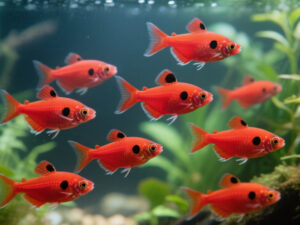
11. Cherry Barb

Cherry barbs are peaceful, easy-to-care-for fish that tolerate temperatures from 68-77°F. Males display brilliant red coloration that creates stunning contrast against orange and white goldfish. They grow to about 2 inches and should be kept in groups of six or more to encourage their best behavior.
These barbs are less nippy than tiger barbs and other related species, making them safer choices for fancy goldfish with flowing fins. Their small size means they work best with slower fancy varieties rather than fast common goldfish. Provide plenty of plants for hiding spots and visual barriers.
12. Giant Danio
Giant danios offer a larger, more robust alternative to zebra danios for goldfish tanks. These active swimmers tolerate temperatures from 72-75°F and grow to 4 inches, making them too large for predation by all but the biggest goldfish. Their speed and constant movement add dynamic energy to the aquarium.
Keep giant danios in schools of six or more in tanks of 55 gallons or larger. Their active nature requires significant swimming space, and they may outcompete slower fancy goldfish at feeding time. They work best with common goldfish and comets that can match their energy levels.
Shrimp and Snails for Goldfish Tanks
Beyond fish companions, many aquarists want to add invertebrates to their goldfish tanks as clean-up crew members. Understanding which invertebrates can survive goldfish predation helps set realistic expectations for these additions.
Nerite Snails
Nerite snails represent the best snail option for goldfish tanks due to their hard shells and exceptional algae-eating abilities. These snails tolerate temperatures from 65-80°F, covering the full goldfish range. Their tough shells resist crushing by curious goldfish, though very large goldfish may still pose a threat.
Nerites cannot reproduce in freshwater, preventing the population explosions that plague other snail species. They excel at cleaning glass, decorations, and plant leaves of algae. Provide calcium supplementation through cuttlebone or calcium-rich foods to maintain strong shell development.
Mystery Snails
Mystery snails are larger, more colorful options that can work with goldfish in spacious tanks. They prefer temperatures from 68-82°F and grow to 2 inches in diameter. Their size makes them visible and interesting tank inhabitants, but also potential goldfish targets if the fish are large enough and determined.
These snails are active and engaging, often seen crawling on glass, decorations, and plants. They lay eggs above the waterline, making reproduction easy to control. Their larger bioload compared to nerite snails means they add to the tank's waste production, requiring adequate filtration.
Freshwater Shrimp
Freshwater shrimp like cherry shrimp and amano shrimp are challenging to keep with goldfish due to predation. Goldfish will eat any shrimp small enough to fit in their mouths, and even adult shrimp may be harassed. However, in heavily planted tanks with plenty of hiding spots, some shrimp may survive and establish breeding populations.
Amano shrimp are larger and more likely to survive than cherry shrimp, growing to 2 inches and tolerating temperatures from 65-80°F. They are exceptional algae eaters and can contribute to tank maintenance if they avoid becoming snacks. Do not add expensive shrimp to goldfish tanks unless you accept they may become food.
List of Non-Compatible Goldfish Tank Mates
Goldfish are big eaters and opportunistic predators that will attempt to consume any fish small enough to fit in their mouths. Even well-fed goldfish retain these predatory instincts, and the results are rarely pleasant for the smaller fish. Understanding which species to avoid prevents costly mistakes and unnecessary losses.
The most common compatibility failures stem from three factors: size disparity, temperature mismatch, and behavioral conflict. Small community fish like tetras and guppies are immediate prey. Tropical fish requiring warm water suffer in cool goldfish tanks. Aggressive or territorial species create constant stress that damages goldfish health.
1. Neon Tetra and Cardinal Tetra

Neon tetras and cardinal tetras are incompatible with goldfish for multiple reasons. Their small size, typically under 1.5 inches, makes them easy prey for even medium-sized goldfish. Additionally, they require tropical temperatures between 72-82°F, creating a fundamental conflict with goldfish temperature needs.
Even if size and temperature were not issues, tetras are fin nippers that may harass fancy goldfish with flowing fins. Their fast, darting movements can also stress slower goldfish varieties. Keep tetras in species-appropriate tropical community tanks instead.
2. Gourami Fish

Gouramis are tropical fish requiring temperatures between 75-82°F, immediately disqualifying them from goldfish tanks. They are also territorial and aggressive, particularly towards fish with long fins. Male gouramis will establish territories and fight any intruders, including curious goldfish.
Their labyrinth breathing organ requires access to the surface, putting them in direct competition with goldfish for space and food. The combination of temperature needs, aggression, and surface-dwelling habits makes gouramis completely unsuitable for goldfish aquariums.
3. Betta Fish
Betta fish are incompatible with goldfish due to temperature requirements, aggression, and physical vulnerability. Bettas need 76-82°F water, significantly warmer than goldfish prefer. Their long, flowing fins attract fin-nipping from curious goldfish, while their territorial nature leads to constant stress and fighting.
Goldfish may also attempt to eat bettas, particularly smaller males. Even if physical harm does not occur immediately, the stress of cohabitation weakens both species and leads to disease susceptibility. Bettas belong in species-only tanks or carefully selected tropical communities.
4. African Cichlids
African cichlids are aggressive, territorial fish that require warm, hard water conditions between 75-82°F. Their constant aggression and fin-nipping behavior make them dangerous companions for peaceful goldfish. Cichlids will establish territories and attack goldfish that enter their claimed areas.
The dietary differences also cause problems, as cichlids need protein-rich foods that goldfish should not consume regularly. The combination of aggression, temperature needs, and dietary conflict makes all cichlid species poor choices for goldfish tanks.
5. Killifish

Killifish are generally small, territorial fish with specific temperature requirements between 72-78°F. Their small size makes them easy prey for goldfish, while their territorial nature leads to constant hiding and stress. Most killifish are not active swimmers and cannot escape predation attempts.
Their dietary preferences and breeding habits also differ significantly from goldfish needs. Killifish are best kept in species-specific setups or carefully planned community tanks without large, opportunistic feeders like goldfish.
6. Blood Parrot Cichlid

Blood parrot cichlids are aggressive, territorial fish created through hybridization. They require tropical temperatures between 76-80°F and will harass or attack goldfish in shared tanks. Their aggression combined with temperature requirements makes them completely unsuitable companions.
Even if aggression could be managed, the temperature gap between blood parrot needs and goldfish comfort creates health risks for both species. Blood parrots belong in cichlid-specific tanks with appropriate tank mates of similar temperament and temperature requirements.
Frequently Asked Questions
What fish go well with goldfish in a tank?
The best fish for goldfish tanks include species that tolerate cooler water (65-75°F), are too large to be eaten, and can handle the goldfish feeding style. Top recommendations include Hillstream Loaches, Dojo Loaches, Bristlenose Plecos, Rosy Barbs, and White Cloud Mountain Minnows. These species match goldfish temperature needs and have proven track records in mixed community setups.
Which fish will stay with goldfish?
Fish that stay with goldfish long-term are those that cannot fit in the goldfish mouth and tolerate the same water conditions. Bottom-dwelling scavengers like Bristlenose Plecos and Hillstream Loaches tend to stay in the tank because they occupy different zones and have defense mechanisms. Fast-sw schooling fish like Zebra Danios and White Cloud Minnows can also survive if they are large enough and have plenty of space.
What is the best clean up crew for a goldfish tank?
The best clean-up crew for goldfish tanks includes Nerite Snails, Hillstream Loaches, and Bristlenose Plecos. Nerite snails excel at algae control and cannot reproduce in freshwater. Hillstream loaches grip surfaces tightly and clean glass effectively. Bristlenose plecos handle uneaten food and algae but need target feeding to prevent slime coat sucking. Avoid small shrimp as they usually become expensive snacks.
What fish can goldfish not live with?
Goldfish cannot live with tropical fish requiring warm water (75°F+), small fish that fit in their mouths, or aggressive territorial species. Avoid Neon Tetras, Cardinal Tetras, Gouramis, Bettas, African Cichlids, and Killifish. These either have incompatible temperature needs, become prey, or create aggressive conflicts that stress all tank inhabitants.
Do goldfish get lonely?
Goldfish are social creatures that thrive in groups of their own kind. While they do not get lonely in the human sense, they display better colors, more natural behaviors, and reduced stress when kept with other goldfish. A group of three or more goldfish is ideal. If adding other species, ensure the tank is large enough to prevent overcrowding while maintaining the social group.
Can goldfish live with plecos?
Goldfish can live with certain plecos, specifically Bristlenose Plecos and smaller species that stay under 6 inches. Common plecos grow too large and may suck on goldfish slime coats when hungry. Always provide target feeding for plecos to prevent this behavior. Hillstream Loaches are often better alternatives as they rarely bother goldfish and tolerate the same temperature range.
Conclusion
Creating a successful goldfish community tank requires careful planning, appropriate tank sizing, and species selection based on temperature compatibility and temperament matching. The key to success lies in respecting goldfish needs for cooler water (65-75°F), providing adequate space (minimum 20-30 gallons for fancies, 55+ gallons for mixed communities), and choosing tank mates that can handle their enthusiastic feeding style.
The species covered in this guide represent proven options that aquarists have successfully kept with goldfish for years. Hillstream Loaches and Dojo Loaches stand out as exceptional choices, offering cleaning benefits and interesting behaviors while thriving in goldfish temperature ranges. Bristlenose Plecos provide algae control when properly target-fed, while Rosy Barbs and Zebra Danios add color and movement when kept in appropriate schools.
Remember that every aquarium is unique, and individual fish personalities vary. What works in one tank may not work in another. Always have a backup plan or separate tank available when introducing new species, and monitor behavior closely during the critical first few weeks. With proper planning and realistic expectations, your goldfish tank can become a thriving community that brings enjoyment for years to come.
Looking for more community tank ideas? Check out our complete guide to community fish or explore our detailed care guides for specific species mentioned in this article.