The Honey Gourami (Trichogaster chuna) is one of the most delightful nano fish you can add to your freshwater aquarium in 2026. With their vibrant golden-orange coloration, peaceful temperament, and manageable size, these fish have earned their place among the most colorful freshwater fish for community tanks. Unlike their more aggressive cousins, honey gouramis bring personality without the drama, making them ideal for beginners and experienced aquarists alike.
Native to the slow-moving waters, ponds, and ditches of India and Bangladesh, these fish have adapted to thrive in various conditions. Their unique labyrinth organ allows them to breathe air from the surface, an evolutionary advantage that makes them remarkably hardy. Whether you are setting up your first planted aquarium or adding to an established community tank, this Honey Gourami care guide covers everything you need to know about tank size, water parameters, compatible tank mates, breeding, and essential care tips for keeping these fish healthy and vibrant for years to come.
Table of Contents
- Honey Gourami Quick Facts
- Honey Gourami: Species Summary
- Understanding the Labyrinth Organ
- Dwarf Gourami vs Honey Gourami: Key Differences
- Male vs Female Honey Gourami: Identification Guide
- Honey Gourami: Food and Diet
- Honey Gourami: Care and Tank Setup
- Honey Gourami: Tank Size Requirements
- Honey Gourami: Water Parameters
- API Freshwater Master Test Kit 800-Test Freshwater...
- Filtration for Honey Gourami Tanks
- AQUANEAT 3 Pack Aquarium Bio Sponge Filter...
- Heating Requirements
- Tetra 100W Submersible Aquarium Heater For...
- Lighting for Honey Gourami Tanks
- hygger Clip On 24/7 Lighting Aquarium LED...
- Substrate Options
- Aqua Natural Substrate, Sugar White Sand, 10lb
- Live Plants for Honey Gourami Tanks
- Java Fern and Anubias Aquatic Plants Bundle
- Decorations and Hiding Spots
- majoywoo Natural Large Driftwood for Aquarium...
- Honey Gourami: Tank Maintenance and Cleaning
- Honey Gourami: Common Diseases and Health Issues
- Honey Gourami: Tank Mates
- Honey Gourami: Fish To Avoid
- Honey Gourami: Breeding Guide
- Frequently Asked Questions
- Conclusion: Is the Honey Gourami Right for Your Aquarium?
Honey Gourami Quick Facts
Before diving into detailed care instructions, here is a quick reference table covering the essential facts about Honey Gouramis that every aquarist should know:
| Scientific name: | Trichogaster chuna (formerly Colisa chuna) |
| Common names: | Honey Gourami, Sunset Honey Gourami, Red Flame Gourami, Red Honey Gourami, Dwarf Honey Gourami |
| Family: | Osphronemidae (labyrinth fish family) |
| Origin: | India and Bangladesh, Southeast Asia |
| Adult size: | 2 inches (5 cm), occasionally up to 2.5 inches |
| Lifespan: | 5-8 years with proper care, up to 10 years possible |
| Temperament: | Peaceful, shy, shoaling fish |
| Care level: | Beginner-friendly, hardy |
| Minimum tank size: | 10 gallons for a single fish, 20 gallons recommended for pairs or groups |
| Temperature: | 72-82°F (22-28°C), ideal at 76-80°F |
| pH range: | 6.0-7.5, tolerates 6.0-8.0 |
| Water hardness: | 4-15 dGH (soft to moderately hard) |
| Diet: | Omnivore - flakes, pellets, frozen and live foods |
| Breeding: | Bubble nest builder, relatively easy to breed |
| Special needs: | Requires tank lid (jumpers), calm water flow, access to surface for breathing |
Honey Gourami: Species Summary
The Honey Gourami, scientifically known as Trichogaster chuna, belongs to the Osphronemidae family, which includes all labyrinth fish. These fish are true surface breathers, possessing a specialized labyrinth organ that allows them to extract oxygen directly from air. This remarkable adaptation evolved to help them survive in oxygen-poor waters during the dry season when monsoon rains recede and their natural habitats become stagnant pools.
In their natural environment of slow-moving waters, ponds, and flooded plains across India and Bangladesh, honey gouramis thrive among dense vegetation. They prefer calm, heavily planted areas where they can hide when startled and surface to breathe without strong currents disturbing the water. Understanding this natural habitat is key to recreating optimal conditions in your home aquarium.
One of the most significant advantages of keeping honey gouramis is their beginner-friendly nature. These hardy fish tolerate a wide range of water conditions and are forgiving of minor mistakes that might stress more delicate species. However, they do have specific needs that must be met for them to display their best colors and behaviors, which we will explore throughout this guide.
Honey Gourami: Appearance
Honey gouramis display a stunning color palette that changes throughout their lives and particularly during breeding. Their base body color ranges from pale yellow to vibrant golden-orange, with males developing spectacular "breeding dress" when ready to spawn. During this time, males transform into a brilliant sunset orange or red honey gourami coloration with iridescent turquoise highlights on their throat and ventral fins.

Their body shape is flat and oblong, typical of gouramis, with a pointed snout and small terminal mouth. Two modified ventral fins extend like long feelers or whiskers below their body, which they use to sense their environment, navigate tight spaces, and communicate with other fish. These feelers are delicate and should never be touched or handled.
Females remain more subdued in coloration, typically showing a silvery-gray to light honey base with a dark lateral stripe running from head to tail. While attractive, they lack the intense coloration of displaying males. Both sexes have transparent gill plates and anal fins, with tiny scales covering most of their body giving them a sleek, streamlined appearance perfect for navigating through vegetation.
Honey Gourami: Size and Growth Rate
Adult honey gouramis reach approximately 2 inches (5 cm) in total length, with some exceptional specimens growing up to 2.5 inches. Females are often slightly larger and plumper than males, particularly when carrying eggs. This modest size makes them ideal for nano tanks and smaller community aquariums where larger fish would be cramped.
Their growth rate is moderate. Under optimal conditions with frequent feedings and excellent water quality, fry can reach sellable size (approximately 1 inch) in 8-12 weeks. Full adult size is typically achieved within 6 months, though fish continue to fill out and develop their best coloration over their first year of life.
When purchasing honey gouramis from fish stores, you will often find juveniles measuring around 1 to 1.5 inches. Do not be concerned if males are not yet showing their bright breeding colors, as this color enhancement occurs with sexual maturity and ideal water conditions. Providing a varied diet high in protein will help them develop their best appearance over time.
Honey Gourami: Lifespan
With proper care, honey gouramis typically live 5 to 8 years in captivity. Exceptional specimens have been documented living up to 10 years when kept in pristine conditions with consistent maintenance routines. Their longevity depends heavily on water quality, diet variety, stress levels, and the absence of disease.
Tank-bred honey gouramis are generally hardier than wild-caught specimens and more likely to reach their maximum lifespan. Wild-caught fish may carry parasites or have difficulty adapting to prepared foods and captive water parameters. When purchasing, look for active fish with clear eyes, intact fins, and good body condition to give yourself the best chance at a long-lived pet.
To maximize lifespan, maintain stable water parameters within their preferred range, perform weekly water changes, feed a varied diet, and provide plenty of hiding spots to reduce stress. Avoid keeping them with aggressive tank mates or in bare tanks without vegetation, as chronic stress significantly reduces their life expectancy.
Honey Gourami: Behavior and Temperament
Honey gouramis are peaceful fish that rank among the most community-friendly options in the aquarium hobby. They are shoaling fish, meaning they appreciate the presence of their own kind but do not school tightly like tetras or rasboras. Instead, they establish loose social hierarchies and often interact with each other through displays and gentle chasing, particularly when establishing territories or during breeding periods.

These curious and interactive fish develop distinct personalities over time. Many aquarists report their honey gouramis learning to recognize them and coming to the front of the aquarium to beg for food. They may even follow your movements outside the tank, showing surprising intelligence for such small fish. This interactive behavior makes them favorites among aquarists who enjoy observing fish behavior.
However, honey gouramis can be shy, especially when first introduced to a new tank or if kept in bare aquariums without plants or hiding spots. They appreciate densely planted areas where they can retreat when startled by sudden movements or loud noises. Given time to settle in and establish territories, they become much bolder and more visible, spending much of their time exploring the middle and upper levels of the tank while occasionally darting to the surface for a breath of air.
Males may show mild territoriality toward each other, especially in smaller tanks or during breeding, but this rarely escalates beyond displaying and chasing. Unlike bettas or even dwarf gouramis, serious aggression is uncommon. To minimize territorial disputes, provide at least 10 gallons per male and plenty of visual barriers using plants and decorations.
Understanding the Labyrinth Organ
One of the most fascinating aspects of honey gourami care is understanding their unique labyrinth organ. This specialized breathing apparatus, which gives the Osphronemidae family its common name "labyrinth fish," allows these fish to breathe atmospheric air directly from the water surface. This remarkable adaptation is crucial to their care requirements and behavior.
The labyrinth organ consists of folded plates of bone covered in tissue with a dense blood supply, located in a chamber above the gills. When a honey gourami swims to the surface and gulps air, this oxygen-rich air passes into the labyrinth organ where gas exchange occurs. This allows them to survive in oxygen-depleted waters that would kill most other fish species, such as stagnant pools during the dry season in their native range.
For aquarists, this means several important things. First, honey gouramis absolutely require access to the surface. Strong surface agitation from filters or air stones can stress them by making it difficult to gulp air easily. Always ensure gentle water flow and unobstructed surface access. Second, sudden temperature differences between tank water and room air can damage the labyrinth organ. Never keep them in unheated tanks in cold rooms where the air they breathe is significantly colder than the water.
Finally, juvenile honey gouramis must develop their labyrinth organ over the first few weeks of life. During this critical period, they rely entirely on their gills like other fish. This is why fry are so sensitive to water quality and why breeding tanks need excellent filtration and frequent maintenance. Once the labyrinth organ develops, they become significantly hardier.
Dwarf Gourami vs Honey Gourami: Key Differences
A common point of confusion in fish stores is distinguishing between dwarf gouramis and honey gouramis. These two species are frequently mislabeled, and understanding the differences is crucial because their care requirements and temperaments vary significantly. Both belong to the genus Trichogaster but have distinct characteristics that set them apart.
The most obvious difference is size. Honey gouramis stay smaller, reaching about 2 inches maximum, while dwarf gouramis (Trichogaster lalius) grow to 3 inches or slightly larger. This size difference impacts appropriate tank size and stocking decisions. Honey gouramis are better suited for smaller 10-20 gallon community tanks, while dwarf gouramis need more space and are more appropriate for 20-30 gallon setups.
Temperament represents the most significant behavioral difference. Dwarf gouramis have a well-earned reputation for aggression, particularly among males. They can be territorial bullies that harass tank mates and each other relentlessly. In contrast, honey gouramis are genuinely peaceful community fish. While males may show mild territoriality, they rarely cause serious harm and typically coexist peacefully with a wide variety of tank mates.
Another critical distinction is disease susceptibility. Dwarf gouramis are notoriously prone to Dwarf Gourami Iridovirus (DGIV), a fatal and highly contagious disease that has devastated captive populations. Honey gouramis do not suffer from this specific disease, making them a much safer choice for your aquarium. If you have had bad experiences with sick dwarf gouramis, honey gouramis offer a colorful, peaceful alternative without the same health risks.
Coloration differs as well. Dwarf gouramis display powder blue or bright red stripes with bold patterning, while honey gouramis show solid golden, orange, or red coloration (particularly in males during breeding dress). The thick-lipped gourami is another lookalike species occasionally mislabeled as honey gouramis, but true honey gouramis have a more streamlined body and smaller mouth.
Male vs Female Honey Gourami: Identification Guide
Properly sexing honey gouramis is essential for breeding projects and for creating harmonious community tanks. While sexing can be challenging with young or stressed fish, there are several reliable indicators once you know what to look for. Understanding sexual dimorphism in this species helps you select appropriate group compositions and identify when fish are ready to spawn.
Coloration is the most obvious difference. Males develop vibrant breeding dress with bright golden-orange to red coloration and iridescent turquoise on the throat and ventral fins. Females remain more subdued, showing silvery-gray to pale yellow bodies with a distinct dark lateral stripe running horizontally from behind the gills to the tail. Outside of breeding condition, males may appear paler, but they always show more color than females of the same age.
Body shape provides another reliable clue. Females have rounder, plumper bodies, especially when carrying eggs. Their bellies swell noticeably as eggs develop. Males are more slender and streamlined, with a pointed dorsal fin that becomes elongated and flowing during breeding displays. The female's dorsal fin remains shorter and more rounded throughout her life.
Behavioral differences help confirm sex. Males are more active, territorial, and likely to display by flaring their fins and intensifying their colors. They will often claim a territory and defend it against other males while courting females. Females are generally more subdued in behavior, spending more time foraging and less time displaying. When ready to spawn, females will approach males and show submissive postures, triggering the male's bubble nest building behavior.
For community tanks, many aquarists recommend keeping one male with one or two females, or groups with females outnumbering males. This ratio helps distribute male attention and reduces stress on individual females. Multiple males can coexist in larger tanks (30+ gallons) with plenty of visual barriers, but expect some chasing and displaying as they establish territories.
Honey Gourami: Food and Diet
Honey gouramis are omnivores with a preference for protein-rich foods. In their natural habitat, they feed on small invertebrates, insect larvae, zooplankton, and plant matter. Replicating this varied diet in captivity ensures optimal health, vibrant coloration, and successful breeding. A diverse feeding regimen prevents nutritional deficiencies and keeps these fish looking their best.
A quality staple diet should include high-quality flake food or small pellets formulated for tropical community fish. Choose foods with protein as the primary ingredient and avoid those with excessive fillers. Feed small amounts twice daily, only what the fish can consume within 2-3 minutes. Overfeeding leads to poor water quality and health problems, while underfeeding results in stunted growth and faded colors.
For optimal color enhancement and breeding condition, supplement their diet with frozen and live foods. Frozen bloodworms, brine shrimp, and daphnia provide excellent nutrition and are readily accepted. Live foods like mosquito larvae, vinegar eels, and wingless fruit flies trigger natural hunting behaviors and provide enrichment. During breeding conditioning, increase the proportion of high-protein foods to help females develop eggs and males display their best colors.

Fluval Bug Bites Tropical Fish Food, 1.6 oz.
40% Black Soldier Fly Larvae
High protein micro granules
Slow sinking 0.7-1mm size
No artificial fillers
What we like
- High quality insect protein main ingredient
- Perfect size for honey gouramis
- Slow sinking allows surface feeding
- Improves fish coloration naturally
- Does not cloud water
What could be better
- May need crushing for very small fish
- Some fish may need time to accept granules
The Fluval Bug Bites Tropical Fish Food represents an excellent choice for honey gourami keepers. With Black Soldier Fly Larvae as the primary ingredient comprising up to 40% of the formula, this food provides the high-quality insect protein these fish crave in nature. The slow-sinking micro granules (0.7-1mm) are perfectly sized for honey gouramis and allow them to feed at their preferred surface and mid-water levels.
Honey Gourami: Diet Foods To Avoid
While honey gouramis are generally unfussy eaters, certain foods should be avoided to maintain their health. Large pellets or flakes that are difficult to swallow can cause choking or digestive issues. Always choose appropriately sized foods for their small mouths. Fatty foods like beef heart or excessive amounts of tubifex worms can cause digestive problems and obesity, leading to reduced lifespan and breeding issues.
Avoid foods with artificial colorings, excessive starch fillers, or expired products. These provide little nutritional value and can pollute your tank water. Never feed human foods like bread, crackers, or meat products, as these lack proper nutrition and can cause serious health problems. Stick to quality commercial aquarium foods and appropriate live or frozen supplements for best results.
Honey Gourami: Care and Tank Setup
Creating the ideal environment for honey gouramis involves replicating their natural habitat of slow-moving, heavily vegetated waters. While they are forgiving of beginner mistakes and can adapt to various conditions, providing optimal care ensures they display their best colors, exhibit natural behaviors, and live long healthy lives. The following sections detail every aspect of proper tank setup and maintenance.

Honey Gourami: Tank Size Requirements
The minimum tank size for a single honey gourami is 10 gallons. While they are small fish, they are active swimmers that appreciate horizontal swimming space and territory to establish. A 10-gallon tank can house one fish comfortably or a bonded pair if heavily planted with excellent filtration and maintenance.
For keeping groups or pairs with tank mates, a 20-gallon tank or larger is strongly recommended. This provides adequate space for territories, reduces aggression between males, and allows for stable water parameters. The common question "how many honey gouramis in a 20 gallon?" is best answered with one male and two females, or two males with multiple females in a heavily planted setup with plenty of visual barriers.
A critical but often overlooked requirement is a secure tank lid. Honey gouramis are notorious jumpers, and their habit of swimming at the surface puts them at risk of leaping out of open tanks. Many aquarists have lost fish to jumping accidents, often during the night or when startled. A tight-fitting lid with no gaps is absolutely essential for their safety. Ensure any equipment cutouts are covered or minimize openings that fish could squeeze through.
Honey Gourami: Water Parameters
Honey gouramis are adaptable fish that tolerate a range of water conditions, but providing parameters within their preferred range promotes the best health and coloration. Ideal water parameters include temperature between 72-82°F (22-28°C) with 76-80°F being optimal, pH between 6.0-7.5, and general hardness (dGH) of 4-15 degrees.
Stable parameters matter more than perfect numbers. Sudden changes in temperature, pH, or hardness stress fish and can lead to disease. When performing water changes, ensure new water is temperature-matched to the tank and treated with a quality dechlorinator to remove chlorine and chloramine that harm beneficial bacteria and fish gills.

API Freshwater Master Test Kit 800-Test Freshwater...
Complete 800-test kit
Tests pH, ammonia, nitrite, nitrate
High range pH included
Industry standard accuracy
What we like
- Tests all critical nitrogen cycle parameters
- Far more accurate than test strips
- 800 tests means years of use
- Essential for cycling new tanks
- Trusted by professional aquarists
What could be better
- Takes more time than test strips
- Color matching requires good lighting
- Multiple components to organize
Regular water testing is crucial for maintaining healthy conditions. The API Freshwater Master Test Kit is the industry standard for home aquarium testing, providing accurate readings for pH, ammonia, nitrite, and nitrate. For honey gouramis, aim for zero ammonia and nitrite at all times, with nitrate kept below 20 ppm through regular water changes. Testing weekly helps catch problems before they harm your fish.
Filtration for Honey Gourami Tanks
Proper filtration keeps water clean while maintaining the gentle flow honey gouramis prefer. These fish evolved in slow-moving waters and struggle with strong currents that push them around and make surface breathing difficult. The key is finding filtration that provides adequate biological and mechanical filtration without creating excessive water flow.
Sponge filters are the top choice for honey gourami tanks. They provide gentle, diffused water flow that does not stress fish, while offering excellent biological filtration through the porous sponge material. The gentle bubbling action also creates mild surface agitation without disrupting the calm water surface these fish need for labyrinth organ breathing. Sponge filters are also fry-safe, making them ideal for breeding setups.

AQUANEAT 3 Pack Aquarium Bio Sponge Filter...
Provides gentle mechanical and biological filtration
Safe for fry and shrimp
Minimal current perfect for gouramis
Easy setup and maintenance
What we like
- Extremely gentle water flow
- Very affordable 3-pack value
- Won't harm small or delicate fish
- Excellent biological filtration
- Easy maintenance in tank water
What could be better
- Requires separate air pump
- May need frequent cleaning
- Buoyant when first installed
The AQUANEAT 3 Pack Aquarium Bio Sponge Filter offers exceptional value for honey gourami keepers. These filters provide the gentle water movement these fish need while maintaining excellent biological filtration. The soft sponge material will not suck up fry or shrimp, making them perfect for community tanks or breeding setups. Simply connect to an air pump for quiet, effective filtration that keeps water parameters stable without stressing your fish.
If using hang-on-back filters, choose models with adjustable flow rates and baffle the output to reduce current. Place a sponge pre-filter over the intake to prevent small fish or fry from being sucked in. Canister filters work well for larger tanks but require careful positioning of output nozzles to avoid creating strong currents in areas where gouramis swim.
Heating Requirements
Unless your home remains consistently between 72-82°F year-round, you will need an aquarium heater for honey gouramis. Temperature stability is crucial, as these fish are sensitive to sudden drops that can stress their immune system and damage their labyrinth organ. Choose a heater rated for your tank size, generally 5 watts per gallon as a baseline.
Position heaters near the filter outflow to distribute heated water evenly throughout the tank. Always use a thermometer to verify the temperature, as heater dials are often inaccurate. When water changes are performed, ensure new water matches the tank temperature to avoid shocking the fish or damaging their labyrinth organ with sudden temperature differentials.
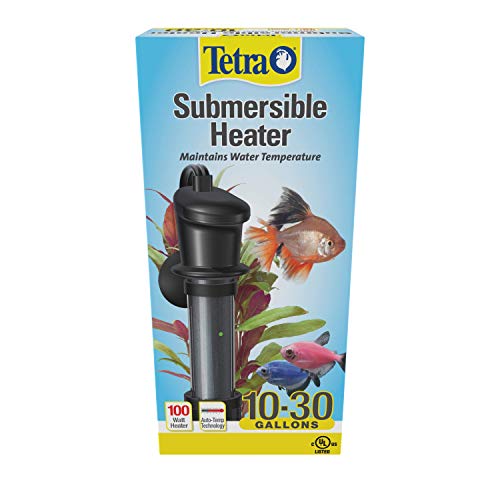
Tetra 100W Submersible Aquarium Heater For...
Electronic thermostat maintains 78°F
Red/green indicator light
100-watt for 10-30 gallons
UL Listed safety
What we like
- No dial needed - auto 78°F
- Electronic thermostat reliable
- Strong suction cup mounting
- Compact and easy to hide
- Great price for quality
What could be better
- Fixed temperature not adjustable
- Single suction cup design
- Not for specialized temp needs
The Tetra HT Submersible Aquarium Heater is an excellent choice for honey gourami tanks from 10 to 30 gallons. Its electronic thermostat maintains a steady 78°F without needing adjustment, taking the guesswork out of temperature control. The indicator light shows red when heating and green when on standby, making it easy to verify proper function at a glance. This reliability is essential for maintaining the stable conditions honey gouramis need for long-term health.
Lighting for Honey Gourami Tanks
Honey gouramis prefer moderate lighting and will display more natural behaviors in dimmer conditions that mimic their shaded natural habitat. Bright, unshaded lighting often causes them to hide more and can increase stress levels. LED lighting with adjustable brightness allows you to find the right balance for both fish comfort and plant growth.
Providing areas of shade is as important as providing light. Use floating plants like Amazon frogbit, Salvinia, or water sprite to create dappled lighting that honey gouramis find comforting. These floating plants also make the fish feel more secure and encourage them to display their natural surface-breathing behavior. Dense planting throughout the tank creates additional shaded retreats.
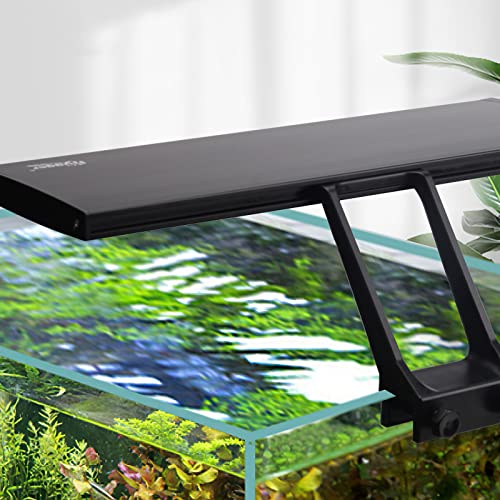
hygger Clip On 24/7 Lighting Aquarium LED...
24/7 Natural Mode with sunrise/daylight/moonlight
Adjustable timer and brightness
Full spectrum CRI 85
Clip-on design
What we like
- True day/night cycle mimics nature
- Adjustable brightness for fish comfort
- Promotes healthy plant growth
- Reliable timer function
- Space-saving clip design
What could be better
- Preset intervals only in DIY mode
- Not as powerful as high-end lights
- Limited coverage on wide tanks
The hygger Clip On 24/7 Lighting Aquarium LED Light offers honey gourami keepers the ability to create natural lighting cycles that benefit fish health. The 24/7 Natural Mode gradually transitions from sunrise through daylight to moonlight, reducing stress compared to abrupt on/off lighting changes. The adjustable brightness lets you provide the dimmer conditions honey gouramis prefer while still supporting plant growth. The clip-on design fits various tank sizes and the 14W output is perfect for 12-20 inch tanks housing small groups.
Substrate Options
While honey gouramis primarily inhabit the middle and upper levels of the aquarium, appropriate substrate matters for overall tank health and for any bottom-dwelling tank mates you may keep. Fine gravel or aquarium sand both work well, with grain sizes between 1-3mm being ideal. Avoid sharp gravel that could damage delicate fins if fish venture to the bottom.
Sand substrates offer several advantages for planted honey gourami tanks. They allow plant roots to spread easily, do not trap debris as readily as coarse gravel, and are preferred by bottom-dwelling tank mates like Corydoras catfish. Darker substrates also help display the honey gouramis' bright colors more effectively than light-colored options.

Aqua Natural Substrate, Sugar White Sand, 10lb
Triple washed and kiln dried
0.5-1mm grain size
Ethically sourced
Off-white sugar color
What we like
- Extremely clean minimal rinsing needed
- Does not cloud water when added
- Soft texture safe for bottom dwellers
- Brightens tank and shows off fish
- Does not discolor from tannins
What could be better
- 10lb may not cover larger tanks
- May need supplemental gravel for plants
- Fine texture requires careful vacuuming
The Aqua Natural Sugar White Sand provides a clean, bright substrate option that makes honey gourami colors pop while being gentle on any bottom-dwelling tank mates. The triple-washed, kiln-dried preparation means minimal rinsing is required before use, and the fine grain size (0.5-1mm) is soft enough for sensitive barbels on Corydoras catfish. The off-white color creates a clean aesthetic that reflects light upward, brightening the middle and upper water column where honey gouramis spend most of their time.
Live Plants for Honey Gourami Tanks
Live plants are absolutely essential for honey gourami health and wellbeing, not optional decorations. These fish evolved in heavily vegetated waters and feel most secure in planted aquariums. Dense vegetation provides hiding spots that reduce stress, encourages natural behaviors, improves water quality, and creates a more attractive display. Without adequate plant cover, honey gouramis often become shy, washed out in color, and may hide continuously.
Ideal plant choices include low-maintenance options that thrive in the moderate lighting honey gouramis prefer. Hornwort and water wisteria grow quickly and provide excellent cover throughout the water column. Water sprite and Amazon frogbit create floating canopies that diffuse light and make fish feel secure at the surface. Java fern and Anubias attach to driftwood or rocks, creating mid-level shelter without needing substrate planting.
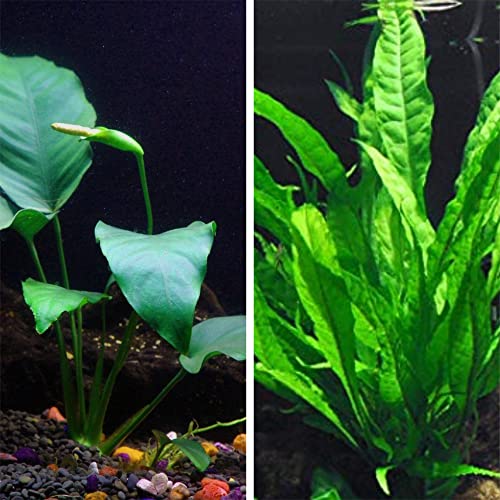
Java Fern and Anubias Aquatic Plants Bundle
Includes Java Fern and Anubias
Low light easy care plants
Rhizome plants - don't bury
Healthy root systems
100% freshness guarantee
What we like
- Beginner-friendly low maintenance
- Thrive in low light conditions
- Arrived healthy and green
- Good root systems for attachment
- Excellent value plant bundle
What could be better
- Plants may be smaller than expected
- Shipping may lack moisture wrap
- Occasional dead leaves possible
The Java Fern and Anubias Aquatic Plants Bundle provides excellent starter plants for honey gourami tanks. Both species are exceptionally hardy, thrive in the low to moderate lighting these fish prefer, and do not require CO2 injection or complex fertilization. Their rhizomes should be attached to rocks or driftwood rather than buried in substrate, making them easy to position where they provide the most cover for your fish. These slow-growing plants maintain their structure over time, creating permanent territories and hiding spots that help honey gouramis establish confidence in their environment.
Java moss deserves special mention for honey gourami breeding tanks, as it provides both cover for fry and a surface for infusoria growth that serves as first food for newly hatched fish. Dense moss beds also give adults places to retreat and help reduce aggression during spawning periods. Consider creating a planted aquascape with multiple plant species at different levels to maximize the comfort and natural behavior of your honey gouramis.
Decorations and Hiding Spots
Beyond plants, honey gouramis appreciate additional decorations that create territories and visual barriers. Driftwood pieces provide natural-looking hiding spots and can be used to anchor Java fern and Anubias. Caves formed from rocks, driftwood, or aquarium-safe decorations give fish places to retreat when feeling shy. Smooth stones and small caves are particularly appreciated by females looking to escape male attention.

majoywoo Natural Large Driftwood for Aquarium...
Natural unique shapes per piece
Sturdy and durable
Provides hiding spots for fish
Suitable for various tank sizes
What we like
- Beautiful natural aesthetics
- Excellent hiding spots for shy fish
- Can create caves and territories
- Well packaged for shipping
- Various sizes available
What could be better
- May need boiling to remove tannins
- Large pieces may float initially
- Each piece is unique from photos
- May develop biofilm initially
Natural driftwood like the majoywoo Natural Large Driftwood adds instant character to honey gourami tanks while serving practical purposes. Fish use driftwood as reference points for territory boundaries, hide behind it when startled, and males often establish territories around prominent pieces. The tannins released by some driftwood types slightly acidify water and create "blackwater" conditions similar to their natural habitat, which many honey gouramis find comforting. Boil new driftwood before adding to remove excess tannins and help it sink.
Honey Gourami: Tank Maintenance and Cleaning
Regular maintenance keeps honey gourami tanks healthy and stable. Weekly water changes of 25-30% remove accumulated nitrates and replenish essential minerals. Use a gravel vacuum to clean debris from the substrate during water changes, taking care not to disturb plant roots. Clean filter media monthly by rinsing in old tank water (never tap water with chlorine) to preserve beneficial bacteria while removing accumulated debris.

Clean aquarium glass with an algae magnet or scraper as needed to maintain viewing clarity. Remove visible debris and uneaten food promptly to prevent ammonia spikes. Trim dead plant leaves to prevent them from decaying in the tank. These simple maintenance tasks, performed consistently, prevent the need for harsh chemical cleaning that could harm your fish.
When cleaning decorations or equipment, never use soap, bleach, or other household chemicals. These leave residues that are toxic to fish even in tiny amounts. Instead, use hot water and physical scrubbing, or a diluted vinegar solution for stubborn deposits that is thoroughly rinsed afterward. Always return decorations to the tank promptly so beneficial bacteria living on their surfaces are not compromised.
Honey Gourami: Common Diseases and Health Issues
While honey gouramis are generally hardy and do not suffer from the Dwarf Gourami Iridovirus that affects their cousins, they are still susceptible to common freshwater fish diseases. Prevention through good water quality and quarantine practices is always more effective than treatment. Regular observation helps catch problems early when they are most treatable.
Ich (White Spot Disease) appears as small white spots resembling salt grains covering the body and fins. Affected fish may rub against objects and show rapid breathing. Treatment involves raising temperature gradually to 86°F for several days (if other tank inhabitants can tolerate it) while using appropriate ich medication. Always follow label instructions and remove carbon filtration during treatment.
Fin rot presents as frayed, ragged, or receding fin edges, often with redness at the fin base. Bacterial fin rot results from poor water quality or injury, while fungal fin rot shows white, cottony growth. Improve water conditions immediately through increased water changes and treat with appropriate antibacterial or antifungal medications depending on the type.
Swim bladder disorder causes difficulty maintaining buoyancy, with fish floating uncontrollably or sinking to the bottom. This can result from constipation, physical injury, or bacterial infection. For suspected constipation, fast the fish for 24-48 hours then offer a cooked, deshelled pea. If this does not resolve the issue, bacterial infection may be the cause requiring antibiotic treatment.
Dropsy is a symptom rather than a specific disease, presenting as a bloated body with scales that protrude like a pinecone. This indicates serious internal organ failure, often from bacterial infection. By the time dropsy is visible, prognosis is poor. Focus instead on prevention through excellent water quality and quarantining new fish to prevent introducing pathogens.
Quarantining new fish for 2-4 weeks before adding them to your main tank is the single best way to prevent disease introduction. A simple quarantine tank with sponge filtration allows you to observe fish for signs of illness and treat if necessary without risking your established community. The small investment in time prevents significant losses and heartache.
Honey Gourami: Tank Mates
Selecting appropriate tank mates is crucial for honey gourami success. Their peaceful, sometimes shy nature makes them vulnerable to bullying from aggressive or fast-moving fish. Ideal companions are similarly sized, non-aggressive species that occupy different tank levels and do not compete aggressively for food.
Excellent tank mates include small tetras like neon tetras, cardinal tetras, and ember tetras, which add color and activity to the middle water column. Small rasboras such as chili rasboras and celestial pearl danios thrive in the same water parameters and add movement without aggression. Zebra danios and other small danio species also work well when kept in groups.
Bottom dwellers like pygmy corydoras, panda corydoras, and kuhli loaches make excellent companions, cleaning up leftover food without bothering the gouramis. Small livebearers such as guppies, endlers, and smaller platy varieties also coexist peacefully. Sparkling gouramis and other peaceful small gouramis can work, though monitor for any gourami-on-gourami aggression.
Invertebrate options include Amano shrimp, cherry shrimp, and nerite snails. While adult honey gouramis may occasionally eat tiny baby shrimp, they generally leave adult shrimp alone. The shrimp help clean algae and debris, contributing to tank health. Mystery snails are another peaceful addition that adds interest without conflict.
Honey Gourami: Fish To Avoid
Avoid keeping honey gouramis with aggressive or territorial fish that may bully them. Betta fish often attack gouramis, viewing them as rivals due to their similar body shape and surface-dwelling habits. Even peaceful bettas may not tolerate gouramis in their territory. Other gourami species like three spot gouramis, opaline gouramis, and kissing gouramis often outcompete or attack honey gouramis.
Large or aggressive cichlids, angelfish, and goldfish are completely inappropriate tank mates that will either eat or harass honey gouramis. Fin-nipping species like tiger barbs, serpae tetras, and some danio varieties should be avoided as they will target the long feelers and fins of gouramis. Fast, boisterous feeders like giant danios may outcompete honey gouramis for food, leaving them undernourished.
Even peaceful but large fish may inadvertently stress honey gouramis through their sheer presence and activity level. Stick to similarly sized, calm community fish for the best success. When in doubt about compatibility, research the specific species thoroughly or consult experienced aquarists before purchasing.
Honey Gourami: Breeding Guide
Breeding honey gouramis is relatively straightforward and rewarding for aquarists of all experience levels. These bubble nest builders display fascinating parental care behaviors, with males constructing elaborate nests and diligently guarding eggs and fry. Success requires understanding their breeding triggers, proper setup, and fry care requirements.
Begin by conditioning a healthy breeding pair (or trio with two females) on high-quality live and frozen foods for 1-2 weeks. The male will begin showing intensified coloration, and females will develop noticeably rounder bellies as eggs mature. At this point, move them to a breeding tank or observe for spawning behavior in a well-planted community tank.
The breeding tank should be 10-20 gallons with shallow water (6-8 inches deep), temperature raised to 80-82°F, and gentle filtration via sponge filter. Provide floating plants or a piece of styrofoam for bubble nest attachment. Some breeders cover the tank with plastic wrap to maintain high humidity above the water surface, which helps labyrinth organ development in fry.
When ready to spawn, the male constructs a bubble nest at the surface, often incorporating plant material for stability. He then courts the female with elaborate displays, flaring fins and intensifying colors. The female signals readiness by darkening and approaching the male, eventually triggering spawning beneath the nest. Eggs are released and fertilized, then gathered by the male and placed in the bubble nest.
After spawning, remove the female as the male becomes territorial and may attack her. The male guards the nest, repairing it and returning any falling eggs. Eggs hatch in 24-36 hours, with fry remaining in the nest another 2-3 days while absorbing their yolk sacs. Once fry become free-swimming, remove the male to prevent him from eating them.
Fry care requires frequent feeding of tiny foods. Start with infusoria, vinegar eels, or liquid fry food for the first week. As they grow, transition to microworms, baby brine shrimp, and finely crushed flake food. Perform small daily water changes (10-15%) to maintain pristine water quality, as fry are sensitive to pollution. With proper care, you can raise dozens of fry to sellable size within 2-3 months.
Frequently Asked Questions
Are honey gouramis hard to keep?
No, honey gouramis are considered beginner-friendly fish. They are hardy, adaptable to various water conditions, and peaceful community fish. Their care requirements are straightforward: provide a minimum 10-gallon tank with gentle filtration, maintain temperature between 72-82°F, offer a varied diet of quality flakes and frozen foods, and include plenty of live plants for security. Their labyrinth organ allows them to breathe air from the surface, making them more tolerant of temporary water quality issues than many other species.
How many honey gouramis should be kept together?
Honey gouramis are shoaling fish that appreciate company. Keep them in pairs or small groups with females outnumbering males to reduce territorial behavior. For a 10-gallon tank, one fish or a bonded pair works well. In a 20-gallon tank, you can keep one male with two females, or two males with three females if heavily planted with plenty of visual barriers. Avoid keeping single honey gouramis long-term as they can become lonely, bored, or insecure without conspecifics nearby.
Can honey gourami live without a filter?
While honey gouramis can survive without filtration due to their labyrinth organ allowing them to breathe atmospheric air, a filter is strongly recommended for long-term health. Filters provide water movement that distributes heat and nutrients, supports beneficial bacteria that process waste, and maintains stable water parameters. A gentle sponge filter is ideal, as strong currents stress these fish that evolved in slow-moving waters. Regular water changes remain essential even with filtration.
What size tank for 2 honey gouramis?
A 20-gallon tank is the recommended size for keeping two honey gouramis together, though a heavily planted 10-gallon can work for a bonded pair. The larger tank provides space for territories, reduces aggression between males, and maintains more stable water parameters. If housing two males together, a 20-gallon minimum with dense planting and visual barriers is essential to prevent territorial disputes. For a male-female pair, a well-planted 10-15 gallon tank can suffice if maintained diligently.
Conclusion: Is the Honey Gourami Right for Your Aquarium?
The Honey Gourami stands out as one of the best choices for aquarists seeking a peaceful, colorful centerpiece fish in 2026. Their combination of vibrant golden-orange coloration, manageable 2-inch size, genuine peaceful temperament, and beginner-friendly care requirements makes them ideal for community tanks ranging from 10 to 30 gallons. Unlike their more troublesome dwarf gourami cousins, these fish bring personality without aggression and color without the health risks of iridovirus.
Success with honey gouramis comes down to understanding their specific needs: gentle water flow that does not impede their labyrinth organ breathing, plenty of live plants that make them feel secure, a secure tank lid to prevent jumping accidents, and compatible tank mates that will not bully them. Meet these requirements, and you will be rewarded with interactive, curious fish that learn to recognize you and greet you at the glass.
If you are on the fence about adding honey gouramis to your tank, we highly recommend taking the leap. They adapt well to various water parameters, thrive in planted community setups, and offer fascinating behaviors from their surface-breathing habits to their bubble-nest building during breeding. For beginners, they provide a forgiving introduction to gourami care. For experienced aquarists, they offer a peaceful alternative to more demanding species. With proper care, these charming fish will brighten your aquarium and bring you years of enjoyment. Thanks for reading this complete Honey Gourami care guide, and happy fishkeeping!