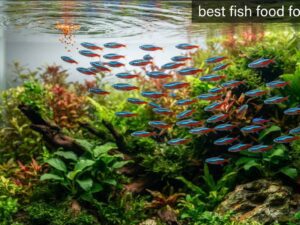
Algae in your aquarium is not the enemy you might think it is. Every fish tank, from beginner setups to professional aquascapes run by experts like Takashi Amano, contains algae as part of its ecosystem. The real problem begins when algae growth gets out of control, turning your beautiful underwater scene into a green, brown, or fuzzy mess that obscures the view and stresses your fish.
If you are searching for how to get rid of algae in your fish tank, you have come to the right place. This guide covers everything from identifying the specific algae type invading your tank to proven elimination methods that actually work in 2026. You will learn the exact hydrogen peroxide dosing protocol aquarists swear by, which algae-eating creatures target specific algae types, and how to prevent algae from taking over again. No guesswork. Just practical solutions based on what successful hobbyists do every day.
Table of Contents
How To Get Rid Of Algae: Treatment Methods That Work in 2026
When algae takes over your tank, you need targeted treatments that eliminate the problem without harming your fish or plants. The method you choose depends on the algae type, tank size, and how severe the outbreak has become. Below are the most effective approaches used by aquarists today.
Manual Removal Techniques
Physical removal remains the fastest way to reduce algae immediately. For glass surfaces, use a magnetic algae cleaner or a dedicated scraper with a razor blade attachment. Razor blades work particularly well against stubborn green spot algae that resists standard scrubbing. Always scrape from top to bottom so debris falls toward the substrate for vacuuming.
For decorations and rocks, remove the item from the tank and scrub it with a toothbrush under hot running water. For delicate plants, use your fingers or a soft brush to gently remove hair algae and thread algae strands. Remove heavily infested leaves entirely rather than trying to clean them. Each leaf removed takes algae with it and reduces the overall biological load.
Hydrogen Peroxide Spot Treatment Protocol
Hydrogen peroxide (H2O2) has become the go-to chemical treatment for spot-treating algae in 2026. It releases oxygen upon contact with water, oxidizing algae cells on contact while breaking down into harmless water and oxygen within 24 hours. This makes it safer than many commercial algaecides when used correctly.
The standard dosing protocol is 1 milliliter of 3% hydrogen peroxide per gallon of aquarium water. Turn off your filter before application to prevent the peroxide from circulating away from the target area. Use a syringe or pipette to apply the solution directly onto the algae you want to kill. Let it sit for 15 minutes, then turn your filtration back on. For severe cases, dose daily for three consecutive days, performing a 25% water change between each treatment.
For delicate plants, create a dip solution using 2-3 tablespoons of 3% hydrogen peroxide per gallon of water. Dip the affected plant for 60 seconds, then rinse in fresh tank water before returning it to the aquarium. This method kills algae on the plant surface without soaking the roots in peroxide.
Blackout Treatment for Green Water
Green water, caused by free-floating phytoplankton, responds well to complete darkness. Wrap your entire tank in thick towels or black garbage bags, blocking all light for 3-7 days. Keep filtration running but turn off all lights including room lighting that reaches the tank. Do not feed your fish during the blackout period to prevent additional nutrient loading.
After the blackout period, perform a 50% water change and gradually resume normal lighting. The algae should have died off significantly, giving you a clear view again. Combine this treatment with a UV sterilizer for maximum effectiveness on persistent green water blooms.
UV Sterilizer for Water Clarity
A UV sterilizer passes tank water through a chamber containing ultraviolet light, which kills free-floating algae cells and bacteria. For green water, expect clear results within 2-3 days of continuous operation. For prevention, run the sterilizer 8-12 hours daily. Choose a unit rated for your tank size and flow rate. Too fast a flow reduces exposure time, while too slow a flow reduces effectiveness. Position the sterilizer after mechanical filtration so debris does not block the UV chamber.
Antibiotic Treatment for Blue-Green Algae
Blue-green algae (cyanobacteria) is actually a photosynthetic bacteria, not true algae. Standard algae treatments often fail against it because it is not an algae at all. The only consistently effective treatment is erythromycin, sold under brand names like Maracyn.
Dose according to package directions, typically one packet per 10 gallons, repeating every 24 hours for five days. Turn off UV sterilizers and remove carbon filtration during treatment as these remove the antibiotic from the water. Increase aeration during treatment since bacterial die-off can reduce oxygen levels. Complete a 25% water change after the final dose. This treatment works specifically because erythromycin targets the bacteria structure of cyanobacteria.
Water Changes and Nutrient Export
Regular water changes remove the nutrients algae needs to survive. For active algae problems, increase your change frequency to twice weekly at 25-30% per change. Vacuum the substrate thoroughly during each change to remove decaying organic matter that releases nitrates and phosphates.
Test your source water before using it. Some tap water contains phosphates or silicates that fuel algae growth. If your source water tests high for these, switch to reverse osmosis (RO) or distilled water, reconstituting it with a remineralizer before adding it to the tank.
Algae-Eating Livestock by Algae Type
Adding the right algae-eating fish and invertebrates creates a natural cleanup crew that works 24 hours a day. Match your livestock to your specific algae problem for best results.
For hair algae and black beard algae, amano shrimp (Caridina multidentata) and Siamese algae eaters (Crossocheilus oblongus) are the most effective options. Florida flagfish (Jordanella floridae) also consume hair algae aggressively but may nip at slow-moving tankmates. For green spot algae, nerite snails (Neritina natalensis) excel at scraping hard surfaces clean. Be aware that nerite snails lay small white eggs that stick to decorations and glass. The eggs will not hatch in freshwater but can be unsightly.
For brown diatom algae, otocinclus catfish work well in groups of six or more. Bristlenose plecos handle general algae grazing on glass and decorations while staying smaller than common plecos. Avoid relying solely on algae eaters to solve severe algae problems. Even the best cleanup crew cannot out-eat an algae bloom caused by excess nutrients or lighting issues.
Types Of Algae in Aquariums
Correct identification is the first step toward effective treatment. Different algae types respond to different methods. For a complete visual identification guide with photos, see our detailed article on different types of aquarium algae.
Green Algae
Green algae appears as a green film or fuzz on glass, decorations, and plants. It is the most common algae in established tanks and generally indicates good water quality with normal lighting levels. While unsightly, green algae rarely harms fish or plants directly. Manual removal and reduced lighting typically control it effectively.

Brown Algae (Diatoms)
Brown algae coats surfaces in a thin, dusty layer that wipes off easily. It commonly appears in new tanks during the cycling process when silicates are present in the water or substrate. Diatoms feed on silicates, which are abundant in new aquarium setups. As the tank matures and silicates deplete, brown algae typically disappears on its own. Otocinclus catfish and nerite snails eat brown algae readily. If diatoms persist beyond two months, test your source water for silicates.

Red Algae
True red algae (Rhodophyta) appears in saltwater tanks as dark red or burgundy patches. It requires specific lighting spectrums and is uncommon in freshwater setups. In freshwater, what appears as red algae is often actually black beard algae or a particularly dark strain of hair algae. Check your lighting spectrum if you see reddish growths, as actinic or very blue-heavy lighting can trigger red algae proliferation.

Black Beard Algae (BBA)
Black beard algae appears as dark, tufted patches that look like tiny black or dark red hairs growing from surfaces. It attaches firmly to slow-growing plants like Anubias and Java Fern, wood, and filter intakes. BBA indicates low or fluctuating CO2 levels in planted tanks. It is one of the most persistent algae types and can take months to fully eradicate.
Treatment requires a multi-pronged approach: increase CO2 injection or liquid carbon dosing to 1.5x normal levels, spot treat with hydrogen peroxide daily for a week, and manually remove as much as possible. Amano shrimp and Florida flagfish will eat established BBA once it begins dying back. Expect the complete eradication process to take 6-8 weeks of consistent treatment.
Hair Algae and Staghorn Algae
Hair algae forms long, stringy strands that wave in the current, while staghorn algae grows in branching, antler-like formations. Both indicate an imbalance between nutrients and CO2 in planted tanks. These algae trap debris and can choke out plants if left untreated. They often appear when ammonia spikes occur or when fertilization is inconsistent.
Remove hair algae by twisting it around a toothbrush and pulling it free. For staghorn algae, prune affected plant leaves entirely. Treat the tank with hydrogen peroxide spot treatments and increase water change frequency to 25% twice weekly. Stabilize your CO2 and fertilization schedule to prevent return. Siamese algae eaters are the most effective fish for controlling hair algae once the outbreak is reduced.
Green Spot Algae (GSA)
Green spot algae forms hard, circular spots on glass and slow-growing leaves. Unlike film algae, these spots do not wipe off easily with a standard sponge. GSA typically indicates low phosphate levels and long photoperiods. The algae anchors itself firmly and requires a razor blade or fingernail to remove from glass surfaces.
Treatment involves balancing phosphates to 1-2 ppm and reducing light duration to 6 hours daily. Nerite snails are the best biological control, as they scrape these hard spots off glass effectively. Increase water flow in areas where GSA accumulates, as stagnant water promotes its growth on decor.
Green Water (Phytoplankton Bloom)
Green water turns your tank into a pea-soup consistency where you cannot see the back glass. It is caused by millions of free-floating single-celled algae called phytoplankton. This bloom often occurs in new tanks, after rescapes that stir up nutrients, or when direct sunlight hits the aquarium. The algae is not harmful to fish but is visually unappealing.
A UV sterilizer is the fastest cure, clearing the water in 48-72 hours. Alternatively, use the blackout method described in the treatment section. Water changes alone rarely fix green water because removing water removes algae but also removes the same proportion of water, leaving the concentration the same. Focus on light elimination and UV treatment rather than water changes for this specific algae type.
Blue-Green Algae (Cyanobacteria)
Blue-green algae is actually a photosynthetic bacteria, not true algae. It forms slimy sheets that peel off surfaces easily and has a distinct earthy or musty smell. It spreads rapidly across substrate, plants, and decorations, often starting in corners with low flow. Cyanobacteria can kill plants by blocking light and releasing toxins.

Manual removal helps but rarely eliminates cyanobacteria completely because the bacteria spreads via microscopic fragments. The only reliable treatment is erythromycin (Maracyn) as described in the treatment section. Increase water flow to the affected areas to prevent recurrence, as cyanobacteria thrives in stagnant zones with low oxygen.
Causes Of Algae Growth
Understanding why algae grows helps you prevent it from returning. Algae is a symptom of conditions in your tank, not the root problem itself. Fix the underlying cause and algae loses its foothold.
Too Much Light
Light is the primary fuel for algae photosynthesis. Tanks positioned near windows or under direct sunlight develop algae problems rapidly. Even artificial lighting contributes when left on too long. The standard photoperiod for freshwater aquariums is 6-8 hours daily. Anything beyond 10 hours significantly increases algae risk unless you are running a high-tech planted tank with CO2 injection.
Use a timer to ensure consistent lighting schedules. Inconsistent timing stresses plants and gives algae an advantage. Consider a siesta period midday where lights turn off for 2-3 hours, which can reduce algae growth without affecting plant health negatively.
Nutrient Imbalance
Think of your tank like a lawn. When nutrients are available but plants are not growing vigorously, algae acts like weeds filling the empty space. Excess nitrate and phosphate from fish waste and uneaten food feed algae blooms. Test kits should show nitrates below 20 ppm and phosphates below 1 ppm for algae control.
However, zero nutrients are not the goal either. Planted tanks need some nitrates and phosphates to thrive. The key is balance. Healthy, fast-growing plants outcompete algae for nutrients. Add more fast-growing stem plants like hornwort, water sprite, or duckweed to absorb excess nutrients before algae can use them.
Overfeeding
Uneaten food breaks down into ammonia, then nitrate and phosphate. Feed only what your fish consume in 2-3 minutes, once or twice daily. Remove uneaten food immediately after feeding with a turkey baster or siphon. High-quality foods produce less waste than cheap, filler-heavy flakes. Consider fasting your fish one day per week. This reduces the organic load entering your tank and gives filtration time to catch up.
Poor Water Quality and Organic Load
Organic load refers to the total dissolved and suspended organic compounds in your water. This includes fish waste, decaying plant matter, uneaten food, and dead microorganisms. High organic load reduces oxygen, blocks light, and provides nutrients for algae. Deep gravel beds accumulate detritus that fuels algae growth from below. Vacuum your substrate thoroughly during water changes, not just the visible surface. Clean filter media monthly in tank water to remove trapped organic waste before it decomposes and releases nutrients back into the water column.
CO2 Imbalance in Planted Tanks
In planted aquariums, inconsistent CO2 levels trigger algae outbreaks, particularly hair algae and black beard algae. When CO2 drops during the day, plants stop photosynthesizing but algae adapts more quickly to changing conditions. Use a drop checker to monitor CO2 levels, aiming for 20-30 ppm during the photoperiod. Turn CO2 on 1-2 hours before lights on and off 1 hour before lights off. This creates a stable environment where plants outcompete algae consistently.
Silicates and New Tank Syndrome
New aquariums often experience diatom algae blooms because fresh silica sand, new glass, and some rock types leach silicates into the water. Diatoms require silicates to build their cell walls. This is normal and typically resolves within 4-8 weeks as silicates deplete. If diatoms persist longer, test your source water. Some municipal water supplies contain high silicate levels. Using reverse osmosis water or adding a phosphate/silicate absorbing resin to your filter removes this fuel source.
Inadequate Circulation
Dead zones with low water flow accumulate organic debris and CO2, creating perfect conditions for algae. Blue-green algae specifically thrives in stagnant corners. Position powerheads or filter outputs to create gentle flow throughout the tank. Aim for 10-15 times turnover per hour for freshwater tanks. Ensure flow reaches behind rocks, under wood, and into planted thickets where debris settles.
Ways To Prevent Algae Growth
Prevention beats treatment every time. Once you have cleared an algae outbreak, implement these practices to keep it from returning. A consistent maintenance routine prevents the conditions that allow algae to explode in population.
Establish a Light Timer
Set your lights to run 6-8 hours daily using an inexpensive timer. This is the single most effective prevention step for most aquarists. Reduce the intensity if you have high-output LED lights. Many modern LEDs are too powerful for low-tech tanks without CO2. Raise the fixture higher above the tank or add window screen mesh between the light and water surface to reduce intensity by 30-40%.
Regular Water Changes
Change 25-30% of your water weekly without fail. This dilutes nutrients before they reach algae-promoting concentrations. Vacuum the substrate thoroughly during each change to remove organic waste. Clean glass weekly to remove algae before it establishes visible colonies. Consistency matters more than volume. A 20% change every week beats a 50% change every month because it prevents nutrient spikes.
Stock Appropriately
Overstocked tanks generate more waste than filtration can process. Follow the one inch of fish per gallon rule as a maximum, not a target. Consider the adult size of fish, not their current juvenile size. Add a cleanup crew of algae-eating fish for your aquarium appropriate to your tank size and temperature. Do not rely on algae eaters to solve existing algae problems. They prevent small amounts from growing but cannot clear established blooms.
Test Water Parameters
Test for nitrates and phosphates weekly. Keep records to spot trends. If nitrates rise week after week despite water changes, you are overstocked or overfeeding. If phosphates are high despite low feeding, test your source water. Municipal water treatment sometimes adds phosphates that fuel algae. Knowing your numbers lets you adjust before algae takes advantage.
Plant Heavily from Day One
Start new tanks with as many plants as you can afford. Fast-growing stem plants absorb nutrients immediately, preventing algae from using them during the vulnerable cycling period. Floaters like duckweed, frogbit, or water lettuce are particularly effective because they access atmospheric CO2 and grow rapidly. A tank planted heavily from the start rarely experiences severe algae issues because the plants establish nutrient dominance before algae can colonize.
How To Use Algaecides Correctly in 2026
Commercial algaecides offer a chemical solution when physical methods fail. Used correctly, they can reset a severe algae outbreak. Used incorrectly, they harm fish, invertebrates, and beneficial bacteria. Understanding when and how to use them makes the difference between success and disaster.
Choosing the Right Product
Most liquid algaecides contain either glutaraldehyde (which acts as a carbon source that algae cannot metabolize effectively) or copper-based compounds. Glutaraldehyde products like Seachem Excel or API CO2 Booster are safer for fish and shrimp when dosed correctly. Copper-based algaecides kill algae aggressively but are toxic to shrimp, snails, and scaleless fish. Never use copper treatments in tanks containing invertebrates or sensitive species like loaches and certain catfish.
For blue-green algae (cyanobacteria), skip standard algaecides entirely and use erythromycin (Maracyn) as an antibiotic treatment. For general algae control, hydrogen peroxide from your pharmacy is often safer and more effective than commercial products when following the 1ml per gallon protocol described earlier.
Application Safety Protocol
Always remove carbon filtration before adding algaecides. Activated carbon absorbs most chemical treatments, rendering them useless. Increase aeration during treatment because dying algae consumes oxygen as it decomposes. This can suffocate fish overnight if oxygen levels drop too low. Run an airstone or raise your filter output to create surface agitation.
Dose according to your actual water volume, not your tank size. Subtract the volume displaced by substrate, rocks, and decorations. A 20-gallon tank often holds only 15 gallons of water. Overdosing by 25% because you ignored displacement kills fish. If the algae problem is severe, start with a half dose and increase gradually over three days. Watch fish behavior closely. Gasping at the surface indicates oxygen depletion or chemical stress. Perform an immediate water change if you see distress.
Post-Treatment Steps
After treatment, dead algae will cloud the water and settle as debris. Vacuum thoroughly 24 hours after the final dose to remove this organic matter before it decays and releases nutrients back into the system. Replace carbon filtration 48 hours after treatment to remove residual chemicals. Resume normal lighting and feeding schedules gradually. Expect some algae to return within weeks if you have not fixed the underlying cause. Chemicals treat symptoms, not the root problems causing algae growth.
Frequently Asked Questions
What kills algae permanently?
Nothing kills algae permanently because algae is a natural part of aquatic ecosystems. Even professional aquascapers maintain algae control through ongoing balance of light, nutrients, and plant growth rather than elimination. The goal is control, not eradication. Consistent maintenance prevents algae from becoming a problem.
What kills algae without killing fish?
Hydrogen peroxide (3% solution) at 1ml per gallon kills algae without harming fish when used correctly. Manual removal, UV sterilizers, and algae-eating livestock are completely safe biological controls. Avoid copper-based algaecides in tanks with shrimp, snails, or sensitive fish species.
Is algae bad for fish tank?
Small amounts of algae are not bad and actually indicate a healthy, cycled tank. Algae produces oxygen and consumes nitrates. Problems occur only when algae overgrows, blocking light, depleting oxygen at night, or creating unsightly conditions. Controlled algae is normal and harmless.
How much light causes algae?
More than 8-10 hours of light daily typically causes algae in tanks without CO2 injection. Direct sunlight causes algae within days. The quality of light matters too. Old bulbs with shifted spectrums or very blue actinic lighting promotes algae. Use a timer for 6-8 hours and avoid direct window light.
How to remove algae naturally?
Natural removal methods include adding algae-eating livestock like amano shrimp, nerite snails, or Siamese algae eaters. Manual removal with scrapers and vacuums works without chemicals. Blackout treatments eliminate green water naturally. Heavy planting with fast-growing species outcompetes algae for nutrients.
Will Dawn dish soap kill algae?
Dawn dish soap will kill algae but should never be used in aquariums. Soap leaves residues that are extremely toxic to fish and nearly impossible to remove completely. Even small amounts destroy the surface tension fish need for gas exchange. Use aquarium-safe methods only. If you need to clean equipment, use hydrogen peroxide or vinegar, never soap.
Conclusion
Getting rid of algae in your aquarium requires understanding what type you are dealing with and addressing the root cause rather than just treating symptoms. The methods outlined in this guide work because they target specific algae types with appropriate treatments. Hydrogen peroxide spot treatment handles persistent patches. UV sterilizers clear green water. Erythromycin eliminates blue-green algae. Manual removal addresses immediate overgrowth.
Remember that even legendary aquascapers use algae eaters and maintenance routines to keep their show tanks pristine. Algae is not a sign of failure. It is a normal part of aquarium keeping that responds to the conditions you create. By limiting light to 6-8 hours, maintaining weekly water changes, stocking appropriate cleanup crews, and keeping nutrients balanced with healthy plants, you shift the advantage from algae to your desired aquascape.
Prevention remains your strongest tool. Start new tanks heavily planted. Use timers from day one. Test water parameters regularly. When algae does appear, act quickly using the identification and treatment methods above. With the right approach, your tank can remain clear and healthy throughout 2026 and beyond.