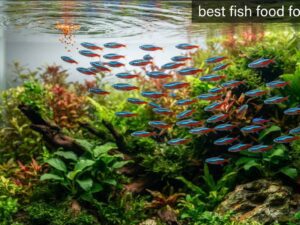
The Ruby Tetra, scientifically known as Axelrodia riesei, is a tiny, peaceful, and relatively easy-to-care-for fish that has captured the hearts of aquarists worldwide. Native to the blackwater streams of the Rio Meta in Colombia, this diminutive characin brings vibrant color and gentle activity to planted aquariums and nano tanks.
Named in honor of Dr. Herbert Axelrod, the renowned ichthyologist and publisher who helped popularize aquarium keeping, this species represents the perfect blend of beauty and manageable care requirements. Their striking ruby-red coloration and interesting shoaling behavior make them ideal for both beginner aquarists and experienced hobbyists looking to add life to smaller setups.
In this comprehensive guide, I will walk you through everything you need to know about keeping Ruby Tetras in 2026. From their natural habitat in South American blackwater streams to proper tank setup, diet, breeding, and compatible tank mates, you will find actionable information to help your Ruby Tetras thrive.
Table of Contents
- Quick Reference: Ruby Tetra Care Sheet
- How Does Ruby Tetra Look?
- Average Lifespan of Ruby Tetra
- Growth of Ruby Tetra
- Requirements For Ruby Tetra
- What to Feed Ruby Tetra?
- Omega One Freeze Dried Brine Shrimp, 1.28 oz
- Hikari Bio-Pure Freeze Dried Blood Worms for Pets...
- 8 Simple Steps to Keep Ruby Tetra
- Suitable Tank and Tank Conditions for Ruby Tetra
- Tetra 20 Gallon Deluxe Aquarium Kit for Aquatic...
- Compatible Tank Mates for Ruby Tetra
- How to Safely Breed Ruby Tetra
- Risks
- Medications
- API Liquid Super ICK Cure Freshwater and Saltwater...
- Cycling New Tank
- API Quick Start Freshwater & Saltwater Aquarium...
- API TAP WATER CONDITIONER Aquarium Water...
- Aqueon Aquarium Fish Tank Starter Kit with LED...
- Difference Between Male and Female Ruby Tetra
- Temperament of Ruby Tetra
- Frequently Asked Questions About Ruby Tetras
- Conclusion
Quick Reference: Ruby Tetra Care Sheet
Before diving into the details, here is a quick overview of the essential care parameters for Axelrodia riesei. This handy reference will help you set up the perfect environment for these nano fish:
Scientific Name: Axelrodia riesei
Common Names: Ruby Tetra, Red Ruby Tetra
Family: Characidae
Origin: Rio Meta, Colombia (South America)
Size: 0.8-1.6 inches (2-4 cm)
Lifespan: 3-5 years
Minimum Tank Size: 10 gallons
Group Size: 6-8 minimum (shoaling fish)
Temperature: 75-82°F (24-28°C)
pH: 4.0-7.0 (soft, acidic water preferred)
Hardness: 1-12 dGH
Diet: Micropredator (small live, frozen, and quality dry foods)
Temperament: Peaceful, shoaling
Difficulty: Beginner to Intermediate
How Does Ruby Tetra Look?
The Ruby Tetra is oblong in shape, with a brilliant tinge of red that makes it stand out from other tetras. Males display an intense ruby-red coloration on their bodies with golden fins that catch the light beautifully. The females are paler in color but maintain the characteristic silvery body with blue vertical lines and reddish-orange edges.

One distinguishing characteristic of this fish is its eyes, which are proportionally larger compared to other characins. These are believed to be an adaptation for hunting in the dimly lit, tannin-stained waters of their natural habitat. The blue line that separates the orange and white parts of their body is another striking feature that helps distinguish them from similar nano fish.
Under optimal conditions with soft, acidic water, their colors become remarkably intense. In harder water or poor conditions, they may appear washed out and lose their characteristic ruby brilliance. This color change serves as an excellent indicator of water quality and fish health.
Average Lifespan of Ruby Tetra
The Ruby Tetra is a hardy and adaptable fish that can survive in environments with low oxygen levels and fluctuating water temperatures. This makes it suitable for beginner aquarists, though understanding their specific needs will help them reach their full lifespan potential.

The average lifespan of a Ruby Tetra in captivity ranges from 3 to 5 years. While some sources suggest they can live up to 10 years under ideal conditions, the more realistic expectation based on aquarist experiences is the 3-5 year range. Factors that influence their longevity include water quality, diet variety, stress levels, and group size.
Ruby Tetras kept in proper shoaling groups of 6-8 or more, with stable water parameters and a varied diet, tend to live longer and display more natural behaviors. Stress from isolation or poor water conditions can significantly shorten their lifespan, which is why providing the right environment from the start is essential.
Growth of Ruby Tetra
The Ruby Tetra is a relatively fast-growing species that reaches maturity after approximately 3-4 months under optimal conditions. This means you can start observing breeding behaviors and full color development fairly quickly compared to some other tetra species.
Juvenile Ruby Tetras start as tiny fry barely visible to the naked eye, hatching from eggs that are scattered among fine-leaved plants or moss. Growth rate depends heavily on feeding frequency and food quality. Young fish fed multiple small meals of appropriate live or frozen foods daily will grow faster and develop better coloration than those fed only once or twice daily.
Once they reach adult size, growth slows considerably. Adult Ruby Tetras will continue to fill out and intensify in color until they reach about 6-8 months of age, at which point they are considered fully mature. After this point, their size remains stable, though females may appear plumper when carrying eggs.
Average Size of Ruby Tetra
Male Ruby Tetras are generally smaller and more slender than females. Females typically reach sizes of up to 1.6 inches (4 cm), while males usually stay slightly smaller at around 0.8-1.2 inches (2-3 cm). This sexual dimorphism is common among tetras, with females carrying the extra bulk needed for egg production.
Despite their small stature, these fish are active swimmers that appreciate horizontal swimming space. Their tiny size makes them excellent candidates for nano tanks, but they still need adequate room to display their natural shoaling behaviors. Do not let their small size fool you into thinking they can thrive in tiny containers or bowls.
The name "Tetra" comes from the Greek word for four, referring to the four unpaired fins these characins possess. This fin structure, combined with their compact body shape, gives them excellent maneuverability in densely planted environments.
Requirements For Ruby Tetra
All the required aspects to keep and grow your Ruby Tetra are discussed below. Understanding their natural habitat helps recreate the conditions they need to display their best colors and behaviors in captivity.
What to Feed Ruby Tetra?
Ruby Tetras are micropredators in the wild, feeding on tiny invertebrates and zooplankton in the water column. They have small mouths, so you should provide appropriately-sized foods. The main part of their diet should include high-quality live or frozen foods such as baby brine shrimp, micro worms, and daphnia.

Omega One Freeze Dried Brine Shrimp, 1.28 oz
High-protein freeze-dried brine shrimp
48% minimum crude protein
Safe alternative to live food
Ideal for small-mouthed fish
What we like
- High protein content (48% min)
- Fish love the taste
- Easy screw-on lid packaging
- Can be crushed for smaller fish
- Large quantity lasts
What could be better
- Cubes may need crushing for very small fish
Freeze-dried brine shrimp is an excellent food choice for Ruby Tetras. The high protein content supports their growth and color development, and you can easily crush the cubes into smaller pieces suitable for their tiny mouths. Feed only as much as they can consume in about two minutes to avoid water quality issues.
Bloodworms are another favorite food that brings out their best colors and encourages breeding condition. These should be offered as a treat rather than a staple diet, providing variety and essential nutrients.

Hikari Bio-Pure Freeze Dried Blood Worms for Pets...
Premium freeze-dried bloodworms
65% minimum crude protein
Patented ratcheting dispenser
Will not cloud water
Multi-vitamin rich
What we like
- Extremely high protein (65%)
- Premium Hikari quality
- Full intact worms not fragments
- Convenient dispenser top
- Safe and parasite-free
What could be better
- Smaller package size
- May need soaking before feeding
Bloodworms can be fed 2-3 times per week as a supplement to their staple diet of high-quality micro pellets or crushed flake food. The multi-vitamin enrichment in premium brands helps reduce stress and supports immune health, which is particularly important during the breeding season.
The Ruby Tetra's stomach is designed to process frequent small meals rather than large infrequent feedings. Their digestive tract is relatively short, so feeding smaller amounts 2-3 times daily works better than one large meal. This mimics their natural feeding behavior of grazing on small prey items throughout the day.
8 Simple Steps to Keep Ruby Tetra
Setting up a successful Ruby Tetra aquarium requires attention to detail and following proven steps. Here is a comprehensive guide to get you started:
- Set up at least a 10-gallon tank (20 gallons preferred for larger groups) and decorate it with plenty of plants and hiding places.
- Use aquarium-safe driftwood, rocks, and Indian almond leaves to create a blackwater environment with tannins.
- Install a gentle sponge filter or adjustable hang-on-back filter to maintain water quality without strong currents.
- Get at least 6-8 Ruby Tetras (shoaling fish need groups to feel secure and display natural behaviors).
- Set up the heater and adjust it to 75-82°F (24-28°C) for optimal health.
- Test the pH (aim for 4.0-7.0), ammonia, nitrite, and nitrate levels before adding fish.
- Feed Ruby Tetras a varied diet of brine shrimp, bloodworms, and quality micro pellets.
- Observe your fish daily for signs of stress, illness, or unusual behavior.
Remember that Ruby Tetras are shoaling fish, not schooling fish. This means they maintain loose groupings and individual spacing rather than tight coordinated swimming. However, they still require the security of a group to feel comfortable and display their best colors.
Suitable Tank and Tank Conditions for Ruby Tetra
The Ruby Tetra is a nano fish that requires specific water conditions to thrive. While they can adapt to various setups, providing an environment that mimics their natural blackwater habitat will result in healthier, more colorful fish.

Tetra 20 Gallon Deluxe Aquarium Kit for Aquatic...
Complete 20-gallon aquarium kit
Includes filter, heater, and lighting
Perfect for larger Ruby Tetra groups
Decorative 3-stage filtration
Dimensions: 30x12x12 inches
What we like
- Excellent value complete kit
- Good size for Ruby Tetra groups
- Includes heating and filtration
- Quiet filter operation
- Great for beginners
What could be better
- Filter may be strong for small fish
- Rock filter takes up tank space
A 10-gallon tank is the absolute minimum for a group of 6-8 Ruby Tetras, though a 20-gallon tank provides much better swimming space and more stable water parameters. The additional space allows them to establish natural territories and reduces stress from cramped conditions.
The water temperature should stay between 75-82°F (24-28°C) with a pH level between 4.0-7.0 and soft water hardness of 1-12 dGH. These parameters reflect their natural blackwater stream habitat in Colombia, where the water is typically stained with tannins from decaying plant matter.
They are sensitive to the amount of oxygen in their water, so try to mimic their natural habitat when setting up your tank. Keep them in a planted tank with plenty of aquatic vegetation, driftwood, and leaf litter. This not only helps boost the oxygen level through plant photosynthesis but also gives them places to hide when they feel stressed.
Lighting should be moderate to dim, as bright lights can stress these fish and cause them to lose coloration. Floating plants are excellent for diffusing light and creating the dappled lighting effect they experience in nature.
Compatible Tank Mates for Ruby Tetra
The Ruby Tetra is a peaceful creature that can be kept with other peaceful nano fish as long as they share similar water parameter requirements. Their small size means they should not be housed with larger or aggressive species that might view them as food.
Keep Ruby Tetras in groups of 6 or more because they are shoaling fish that need the security of their own kind. They will be happier, healthier, and display more natural behaviors when kept with their own species. Mixing them with other tetra species is possible but may result in the Ruby Tetras being outcompeted for food due to their timid nature.
Excellent tank mates include other small peaceful species such as Ember Tetras, Chili Rasboras, Pygmy Corydoras, Dwarf Shrimp species, and other small rasboras. These fish share similar size, temperament, and environmental preferences, creating a harmonious community aquarium.
Goldfish and Bettas
Although they can coexist with dwarf shrimp, Ruby Tetras should never be kept with Goldfish or Bettas. Goldfish require cooler temperatures and produce too much waste for the sensitive Ruby Tetra environment. Bettas may become aggressive toward the tetras, and the bright colors of the Ruby Tetras might trigger territorial behavior.
How to Safely Breed Ruby Tetra
Ruby Tetras are egg scatterers, which means they release their eggs among fine-leaved plants or moss without building nests or providing parental care. Unlike bubble nest builders such as bettas or gouramis, these fish simply scatter their eggs and may even eat them if given the opportunity.
If you want to breed Ruby Tetras, you will need a separate breeding tank of at least 10 gallons with plenty of fine-leaved plants like Java moss or spawning mops. The water should be soft (1-5 dGH), acidic (pH 5.0-6.5), and slightly warmer than the main tank at 78-80°F.
Condition the breeding pair by feeding them high-quality live foods such as baby brine shrimp, daphnia, and micro worms for 1-2 weeks before introducing them to the breeding tank. Well-fed fish produce more eggs and have better breeding success.
Spawning typically occurs in the morning hours, with the female releasing 50-100 eggs among the plants. The eggs are adhesive and stick to plant surfaces. Once spawning is complete, remove the adult fish immediately to prevent them from eating the eggs.
The eggs hatch in approximately 24-36 hours depending on temperature. The fry are extremely tiny and require infusoria or commercially available liquid fry food for their first few days. After about a week, they can graduate to baby brine shrimp nauplii and micro worms. Maintain excellent water quality through frequent small water changes during the rearing process.
Risks
Although Ruby Tetras are generally hardy, there are some health risks to be aware of. They can be susceptible to common freshwater fish diseases like ich, fin rot, and fungal infections, especially when stressed or kept in poor water conditions.
Ruby Tetras are particularly sensitive to ich (white spot disease), which often appears as tiny white dots on their fins and body. Because of their small size and sensitivity to medications, treatment requires careful attention to dosing instructions. Never use medications containing copper, as these can be lethal to small tetras.
Make sure you do not handle your tetras with dry hands as this might transfer harmful oils onto their scales. Always wash your hands before and after working with your aquarium, and use a soft net when moving fish to prevent damage to their delicate fins.
These fish are also known jumpers, so a tight-fitting lid is essential. In their natural habitat, they may leap to catch prey or escape predators, and this instinct carries over to aquarium life. Ensure your tank has a secure cover to prevent tragic losses.
Medications

API Liquid Super ICK Cure Freshwater and Saltwater...
Treats ich in freshwater fish
Kills parasite within 24 hours
Treats secondary bacterial infections
16-ounce bottle
Clear dosing instructions
What we like
- Works extremely fast
- Effective for freshwater fish
- Easy to use dosing
- Safe when used as directed
- Affordable treatment option
What could be better
- Will dye water blue temporarily
- Not safe for invertebrates
- Requires carbon removal
As mentioned before, Ruby Tetras are very sensitive to medications, so only use them as a last resort and always at half-strength initially to test their reaction. If you need to treat your tetras for ich, choose a medication specifically formulated for sensitive fish and follow the dosing instructions carefully.
When treating ich, remove any activated carbon from your filter before adding medication, as carbon will absorb the treatment and render it ineffective. Also, raise the tank temperature slightly (to around 80-82°F) to speed up the ich life cycle, making the medication more effective.
Prevention is always better than cure. Maintaining excellent water quality, providing a stress-free environment, and feeding a varied nutritious diet will keep your Ruby Tetras healthy and disease-resistant. Quarantine any new fish for 2-3 weeks before adding them to your main tank to prevent introducing diseases.
Cycling New Tank
When cycling a new tank for Ruby Tetras, remember that these fish are sensitive to ammonia and nitrites. They come from pristine blackwater environments with very low pollutants, so introducing them to an uncycled tank can be fatal.
The best way to cycle your new tank is with the fishless cycling method. This means establishing beneficial bacteria colonies without subjecting fish to dangerous ammonia spikes. Fishless cycling is safer and typically faster than cycling with fish.
You can cycle a tank fishlessly using pure ammonia or bottled beneficial bacteria products. Add ammonia to reach 2-4 ppm, then wait for beneficial bacteria to convert it to nitrites and eventually nitrates. This process typically takes 4-6 weeks but can be accelerated with bacterial supplements.
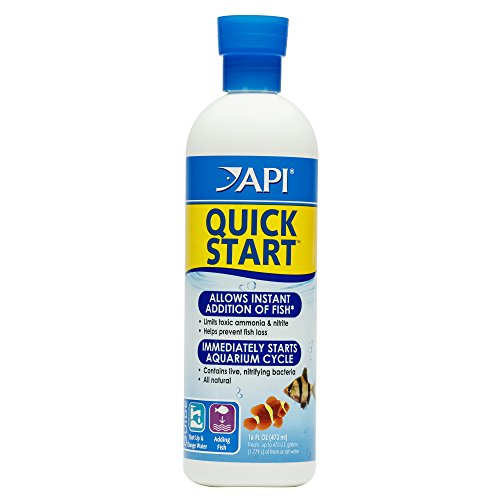
API Quick Start Freshwater & Saltwater Aquarium...
Instantly cycles new aquariums
Contains live nitrifying bacteria
Prevents fish loss
16-ounce bottle
Freshwater and saltwater safe
What we like
- Allows instant fish addition
- Excellent for new tanks
- Very easy to use
- Safe for all fish and plants
- Great value lasts long
What could be better
- May need regular dosing
- Some unsure about effectiveness
Quick Start products containing live nitrifying bacteria can significantly speed up the cycling process. These beneficial bacteria establish the biological filter quickly, allowing you to add fish sooner while preventing the dangerous ammonia and nitrite spikes that harm fish.
Use this product when starting a new aquarium, adding new fish, changing water, or replacing filter media. The live bacteria immediately begin processing ammonia, protecting your Ruby Tetras from toxic nitrogen compounds.
Cycle Time
No matter which cycling method you choose, give beneficial bacteria enough time to establish stable colonies. Using bacterial supplements, you may be able to add fish after 1-2 weeks, but always test water parameters first. Ammonia and nitrites must read zero before adding sensitive fish like Ruby Tetras.
Once cycled, continue testing water parameters weekly. The established beneficial bacteria will process ammonia from fish waste and uneaten food, converting it to relatively harmless nitrates. Regular partial water changes (20-25% weekly) keep nitrate levels in check.
Ammonia Cycle
The best way to start a fishless cycle is with pure ammonia or household ammonia without additives. Add enough to reach 2-4 ppm concentration, then test daily to watch the nitrogen cycle progress through ammonia to nitrite to nitrate phases.

API TAP WATER CONDITIONER Aquarium Water...
Neutralizes chlorine and chloramines
Super strength concentrated formula
Makes tap water safe instantly
8-ounce bottle
Freshwater and saltwater safe
What we like
- Highly concentrated formula
- Works instantly
- Easy to measure and pour
- Great value for money
- Essential for water changes
What could be better
- Has slight smell
- May need eyedropper for dosing
Before adding Ruby Tetras to your cycled tank, use a quality water conditioner to neutralize chlorine and chloramines from tap water. These chemicals are toxic to fish and beneficial bacteria alike, making dechlorination essential for every water change.
This super-concentrated formula works instantly to make tap water safe, preventing gill damage and stress. A little goes a long way, making it economical for regular use during water changes and maintenance.
Household Products Cycle
Another option for cycling a tank involves using household items such as filter media from an established tank, Indian almond leaves, or bacterial supplements. These methods introduce beneficial bacteria immediately rather than waiting for spontaneous colonization.
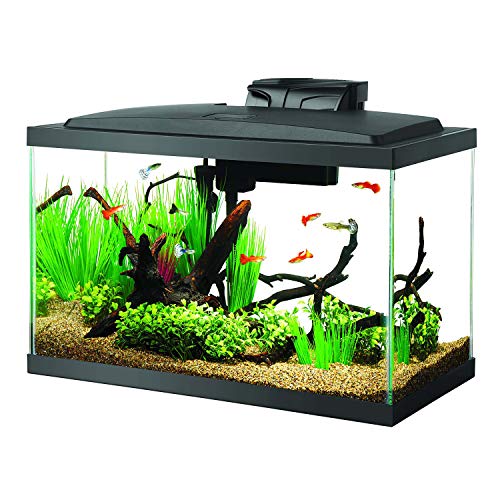
Aqueon Aquarium Fish Tank Starter Kit with LED...
Complete 10-gallon starter kit
Includes heater, filter, and LED lighting
QuietFlow filtration system
Perfect for Ruby Tetra groups
Beginner-friendly setup
What we like
- Complete all-in-one kit
- Quiet filter operation
- Good value for price
- High-quality glass
- Easy setup for beginners
What could be better
- Filter flow may need adjustment
- LED lights not dimmable
A 10-gallon starter kit provides an excellent foundation for a Ruby Tetra nano tank. The included filtration, heating, and lighting give you everything needed to establish a healthy environment for these colorful fish.
The preset heater maintains stable temperature while the QuietFlow filter keeps water clean without creating strong currents that might stress these small fish. The LED lighting is sufficient for low-to-moderate light plants that complement the blackwater aesthetic.
When cycling with household products, remember that patience is key. Even with bacterial supplements, test water parameters thoroughly before adding fish. Ruby Tetras are sensitive to ammonia and nitrites, so waiting for complete cycling protects their health.
Difference Between Male and Female Ruby Tetra
Sexing Ruby Tetras requires careful observation, especially in young fish where differences are subtle. As they mature, several distinguishing characteristics become apparent:
Size: Females grow larger and plumper than males, reaching up to 1.6 inches compared to the male's 0.8-1.2 inches. This size difference is most noticeable when viewing a group together.
Coloration: Males display more intense ruby-red coloration, particularly during breeding condition. Their bodies glow with deeper red hues, while females remain paler with more silver in their coloration.
Body Shape: Females have a rounder, fuller body shape, especially when carrying eggs. Males remain slender and more streamlined. When viewed from above, females appear noticeably plumper in the midsection.
Fins: Some aquarists report that males have a more pointed dorsal fin while females display a slightly rounded one, though this characteristic requires experience to identify reliably.
Temperament of Ruby Tetra
Ruby Tetras are peaceful, shoaling fish that prefer living in groups rather than as solitary individuals. They occupy the middle to lower portions of the water column, occasionally darting to the surface to capture food.
These tetras are active during the day but appreciate dimly lit conditions. At nighttime, they rest among plants or near the substrate, so providing a dark period is essential for their health. Covering the tank or turning off lights in the evening respects their natural circadian rhythms.
An interesting behavior of Ruby Tetras is their tendency to lose color when stressed or kept in improper conditions. If your Ruby Tetras appear washed out or pale, check water parameters, group size, and tank mate compatibility. Happy, healthy fish display vibrant ruby-red coloration.
Unlike true schooling fish that swim in tight synchronized formations, Ruby Tetras shoal loosely while maintaining visual contact with each other. This behavior distinguishes them from species like Rummy Nose Tetras that form tight schools.
Their timid nature means they appreciate plenty of hiding spots. Dense plantings, driftwood caves, and leaf litter give them security. Without adequate cover, they may remain hidden or pale in color due to stress.
Ideal tank mates share their peaceful disposition and small size. Good companions include Ember Tetras, Chili Rasboras, small Corydoras species, and various dwarf shrimp. Avoid large or aggressive fish that may bully or eat them.
Frequently Asked Questions About Ruby Tetras
Are Ruby Tetras hard to care for?
Ruby Tetras are moderately easy to care for, making them suitable for beginners with some aquarium experience. They are hardy fish that adapt well to various conditions, though they do best in soft, acidic water with stable parameters. Their main requirements are maintaining a proper shoaling group of 6-8 fish, providing dim lighting with plenty of plants, and feeding small foods appropriate for their tiny mouths.
How big do Ruby Tetras get?
Ruby Tetras are nano fish that reach a maximum size of 0.8 to 1.6 inches (2-4 cm). Females typically grow larger than males, reaching up to 1.6 inches while males usually stay around 0.8-1.2 inches. Despite their small size, they need adequate swimming space and should be kept in tanks of at least 10 gallons for a proper shoaling group.
How long do Ruby Tetras live?
Ruby Tetras have an average lifespan of 3-5 years in captivity when kept in optimal conditions. Factors that influence their longevity include water quality, diet variety, stress levels, and group size. Fish kept in proper shoaling groups with stable water parameters and a varied diet tend to live longer and display more natural behaviors.
What do Ruby Tetras eat?
Ruby Tetras are micropredators that eat tiny invertebrates and zooplankton. In aquariums, they thrive on a varied diet including high-quality micro pellets, freeze-dried brine shrimp, bloodworms, baby brine shrimp, daphnia, and micro worms. Their small mouths require appropriately-sized food, and crushed flakes or powdered foods work well for feeding fry.
Are Ruby Tetras good for beginners?
Ruby Tetras are good for beginners who understand basic aquarium cycling and water parameters. While hardy and adaptable, they do have specific needs including soft acidic water, dim lighting, and proper shoaling groups. Beginners should research blackwater aquarium setups or be willing to maintain stable water conditions with regular testing.
Are Ruby Tetras rare?
Ruby Tetras are not extremely rare but are less commonly available than popular tetras like Neon Tetras or Cardinal Tetras. Most fish stores carry them periodically, and they are readily available through online retailers and specialized aquarium shops. Their growing popularity means they are becoming more accessible in the aquarium hobby.
Are Ruby Tetras aggressive?
No, Ruby Tetras are peaceful fish that get along well with other small, non-aggressive species. They do not nip fins or harass tank mates. However, males may display brief competitive behaviors during breeding season, which is normal and harmless. Their peaceful nature makes them excellent community fish for nano tanks.
How many Ruby Tetras should be kept together?
Ruby Tetras should be kept in groups of at least 6-8 fish, though larger groups of 10-12 are even better. As shoaling fish, they need the security of a group to display their best colors and natural behaviors. Keeping them in smaller numbers causes stress, color loss, and shortened lifespans. Never keep Ruby Tetras singly or in pairs.
Conclusion
The Ruby Tetra (Axelrodia riesei) is an exceptional choice for aquarists seeking a colorful, peaceful nano fish for planted or blackwater aquariums. Their brilliant ruby-red coloration, interesting shoaling behavior, and manageable care requirements make them suitable for intermediate beginners and experienced hobbyists alike.
Remember that these fish thrive in specific conditions: soft acidic water, dim lighting, plenty of plant cover, and most importantly, a proper shoaling group of at least 6-8 individuals. Meeting these requirements will reward you with healthy, vibrant fish that display their best colors and natural behaviors.
Whether you are setting up a dedicated species tank or a community nano aquarium, Ruby Tetras bring movement and color to the middle and lower water columns. Their peaceful nature allows them to coexist with other small, non-aggressive fish like Ember Tetras, Chili Rasboras, and dwarf shrimp.
If you are interested in other types of tetras to complement your Ruby Tetras, check out our guide on types of tetras for more options. We hope this guide helps you create the perfect environment for your Ruby Tetras in 2026.
We hope you enjoyed this comprehensive guide and found it helpful for your aquarium journey. Please share this article with fellow aquarists who might be interested in keeping these beautiful nano fish.