The Samurai Gourami (Sphaerichthys vaillanti) stands out as one of the most captivating and misunderstood species in the aquarium hobby. These delicate labyrinth fish from Indonesian Borneo demand specialized care that differs significantly from their hardier gourami cousins. With their remarkable reversed sexual dimorphism where females display brilliant green and red coloration while males remain subtly brown, they challenge conventional assumptions about fish behavior and appearance.
What truly sets Samurai Gouramis apart is their fascinating breeding behavior. Unlike most fish, the male serves as the dedicated parent, carrying fertilized eggs in his mouth for up to three weeks until the fry are ready to face the world. This mouthbrooding strategy, combined with their preference for highly acidic blackwater conditions, makes them a rewarding challenge for experienced aquarists willing to meet their exacting requirements.
This comprehensive guide covers everything you need to know about Samurai Gourami care in 2026. From creating authentic blackwater aquarium conditions using Indian almond leaves and RO water, to distinguishing males from females and successfully breeding these rare gems, we address the common misconceptions that have led to poor outcomes for these sensitive fish.
Table of Contents
- Species Summary
- Samurai Gourami Care
- Samurai Gourami Tank Size
- Samurai Gourami Water Parameters
- Samurai Gourami Filtration
- Blackwater Aquarium Setup for Samurai Gouramis
- Samurai Gourami Heating
- Plants for Samurai Gourami Tanks
- Lighting for Samurai Gourami Tanks
- Water Changes and Maintenance
- Samurai Gourami Common Possible Diseases
- Signs That Your Samurai Gourami Is Sick
- Samurai Gourami Preventing Diseases
- Samurai Gourami Food & Diet
- Samurai Gourami Feeding Schedule
- Samurai Gourami Tank Mates
- Samurai Gourami Fish To Avoid
- Frequently Asked Questions About Samurai Gourami Care
- Are Samurai Gouramis hard to keep?
- How many Samurai Gouramis should be kept together?
- Which gender carries the eggs in Samurai Gouramis?
- Do Samurai Gouramis need a blackwater aquarium?
- Male or female Samurai Gourami - which is more colorful?
- What pH do Samurai Gouramis need?
- Can Samurai Gouramis be kept in a community tank?
- Do I need RO water for Samurai Gouramis?
- Advantages Of Having Samurai Gourami In Your Tank
- Disadvantages Of Having Samurai Gourami In Your Tank
- Wrapping Up
Species Summary
| Scientific name: | Sphaerichthys vaillanti |
| Common names: | Samurai Gourami, Vaillant's chocolate gourami, three spot gourami |
| Family: | Osphronemidae |
| Color: | Females are green with red stripes; males are brown/gray |
| Origin: | Southeast Asia, Indonesian Borneo (Kalimantan River basin) |
| Size: | 1.5 to 2.5 inches (4-6 cm) |
| Life expectancy: | 5 to 8 years |
| Habitat: | Peat swamp forests with slow-moving, tannin-stained waters |
| Behavior: | Shy, peaceful, slow-moving |
| Minimum tank size: | 20 gallons (75 liters), 30 gallons preferred |
| Temperature range: | 75° to 82°F (24 to 28°C) |
| pH level: | 4.0 to 6.5 (ideally 4.0-5.0) |
| Water hardness: | 0-54 ppm (0-3 dKH, ideally below 2°H) |
| Activity Level: | Moderate to low |
| Diet: | Micropredator; live and frozen foods preferred |
| Feeding Frequency: | 2 to 3 times per day |
| Breeding method: | Mouthbrooder - male carries eggs |
| Temperament: | Timid, requires peaceful tank mates |
Sphaerichthys vaillanti belongs to the Osphronemidae family, which includes over 130 species of labyrinth fish capable of breathing atmospheric air. This adaptation allows Samurai Gouramis to survive in the oxygen-depleted waters of their native peat swamp forests, where decomposition of leaf litter creates acidic, tannin-rich conditions that would be lethal to most aquarium fish.
These fish originate exclusively from the Indonesian portion of Borneo, specifically within the Kalimantan River basin. Their natural habitat consists of slow-moving blackwater streams and pools shaded by dense forest canopy. The water in these environments appears dark brown or tea-colored due to dissolved tannins and humic acids released by decaying botanicals.
Despite their small size, Samurai Gouramis require a species-specific approach to aquarium keeping. Unlike more adaptable gourami species such as the Honey Gourami, these fish cannot tolerate standard community tank conditions. Success depends on replicating their natural blackwater biotope with soft, acidic water and gentle filtration.
The conservation status of their wild habitat raises concerns among aquarium enthusiasts. Peat swamp forests throughout Southeast Asia face ongoing destruction from logging, agriculture, and palm oil plantations. Captive breeding efforts have increased in recent years, making tank-raised specimens more readily available and reducing pressure on wild populations.
Samurai Gourami Appearance
Samurai Gouramis possess a distinctive body shape characterized by a compressed, somewhat rectangular profile that helps them navigate through dense vegetation in their native waters. Their fins are relatively large compared to their body size, with the tail fin appearing slightly forked and the pelvic fins extending into delicate thread-like rays.

The head features a characteristic large, rounded profile with eyes positioned high on the sides. A notable identifying feature is the stripe pattern between the eyes. Males display a vertical stripe between their eyes, while females exhibit a horizontal stripe. This difference provides one of the quickest methods for sexing adult specimens.
Juvenile Samurai Gouramis emerge with dark bodies accented by white longitudinal stripes. As they mature, these initial markings fade and their adult coloration develops. The transformation reveals the striking sexual dimorphism that makes this species unique among gouramis.
Their fins require special consideration due to their delicate nature. The extended pelvic fins and flowing dorsal and anal fins can be easily damaged by rough handling, aggressive tank mates, or sharp decorations. Maintaining pristine water quality prevents fin degradation and supports proper fin development.
Sexual Dimorphism in Samurai Gouramis
Samurai Gouramis exhibit reversed sexual dimorphism, meaning the females display more vibrant coloration than the males. This pattern contradicts the typical fish convention where males evolve brighter colors to attract mates. Understanding this distinction proves essential for proper identification and breeding success.
Female Samurai Gouramis showcase an impressive display of emerald green bodies crossed by vivid red longitudinal stripes. This striking color combination serves as the primary visual cue for mate selection, with females using their bright appearance to signal readiness to spawn. The intensity of female coloration increases dramatically when they are in breeding condition.
Males, in contrast, maintain a subdued appearance of brown or gray coloration throughout their lives. Their fins may show slight reddish edging, but they never approach the brilliant display of the females. This muted coloration serves an evolutionary purpose, allowing males to blend into their surroundings while performing their parental duties.
Beyond color differences, size provides another distinguishing characteristic. Adult males typically grow larger than females, reaching up to 2.5 inches compared to the female's 1.5 to 2 inches. Males also possess more elongated fins, particularly the dorsal and anal fins, which extend further than those of females.
Samurai Gourami Size & Growth Rate
Adult Samurai Gouramis reach a modest maximum size of 1.5 to 2.5 inches (4 to 6 centimeters), making them suitable for smaller aquariums despite their specialized care requirements. Males typically achieve the larger end of this range, while females remain somewhat smaller.

The growth rate of Samurai Gouramis proceeds relatively slowly compared to many popular aquarium fish. Under optimal conditions with appropriate nutrition and water parameters, they require approximately 18 to 24 months to reach their full adult size. This gradual development reflects their adaptation to nutrient-poor natural habitats.
Their slow growth makes them poor candidates for grow-out tanks or situations requiring rapid size progression. Patience becomes essential when raising juveniles, as rushing their development through overfeeding or growth-promoting techniques typically leads to health problems rather than benefits.
Samurai Gourami Lifespan
With proper care and suitable water conditions, Samurai Gouramis typically live 5 to 8 years in captivity. Some dedicated aquarists report individuals reaching 10 years when maintained in pristine, stable environments that closely mimic their natural blackwater habitat.
Their longevity depends heavily on water quality maintenance throughout their lives. Exposure to hard water conditions or elevated pH levels, even for relatively short periods, can significantly shorten their lifespan. Stress from inappropriate tank mates or aggressive handling also reduces life expectancy.
Samurai Gourami Behavior & Temperament
Samurai Gouramis display a consistently shy and retiring temperament that defines their interaction with both their environment and other fish. They spend much of their time hidden among plants or resting motionless near the substrate, behavior that serves as camouflage in their leaf-littered natural habitat.
This timid nature requires careful consideration when setting up their aquarium. Bright lighting, open swimming spaces, and active tank mates create stressful conditions that suppress their natural behaviors and compromise their immune systems. A properly designed blackwater biotope with dim lighting and abundant cover encourages them to display more natural activity.
When kept in suitable conditions, Samurai Gouramis show interesting social dynamics. They can be maintained successfully as established pairs or in small groups of 5 to 7 individuals. Groups should contain more females than males to minimize territorial disputes. Multiple males may squabble for dominance, though serious aggression rarely occurs in appropriately sized tanks.
Feeding behavior reveals their cautious nature. These micropredators approach food slowly and eat deliberately, often losing out to faster, more aggressive fish at feeding time. This characteristic necessitates either species-only tanks or careful selection of equally peaceful, non-competitive tank mates.
One of the most remarkable behaviors in this species is the male's role as a mouthbrooder. After spawning, the male collects the fertilized eggs and carries them in his mouth for 7 to 21 days until they hatch. During this period, he does not eat and becomes even more reclusive. The fry emerge as fully formed miniature versions of the adults, ready to accept appropriately sized foods.
Samurai Gourami Breeding
Breeding Samurai Gouramis presents a fascinating challenge that rewards patient aquarists with a unique view of fish parental care. The process requires careful preparation, appropriate water conditions, and an understanding of their distinct reproductive strategy where males serve as the dedicated caregivers.

Successful breeding begins with conditioning a healthy pair in a dedicated spawning tank. The aquarium should measure at least 10 gallons and contain soft, acidic water with pH between 4.0 and 5.5. Dense planting with fine-leaved species or spawning mops provides egg deposition sites. Many breeders include live foods to bring the pair into prime condition.
Courtship initiates when the colorful female approaches the male and displays her vibrant stripes. She will eventually lay a small batch of eggs, typically 10 to 40, on a leaf or other flat surface. Immediately after egg release, the male fertilizes them externally. He then systematically collects the eggs in his mouth, where they will incubate.
The male carries the developing eggs for 7 to 21 days depending on water temperature. During this mouthbrooding period, he does not eat and becomes exceptionally secretive. His throat will appear visibly distended as the eggs develop. Attempting to check the eggs by opening his mouth typically results in loss of the entire brood.
When the fry are ready to emerge, the male releases them as miniature versions of the adults measuring approximately 4 to 5 millimeters. The fry can immediately accept infusoria, microworms, or vinegar eels. After several days, they progress to baby brine shrimp. The male may continue to provide some protection for a short period, but most breeders remove him to prevent any predation on the fry.
Samurai Gourami Care
Samurai Gourami care demands attention to detail and a willingness to provide specialized conditions that differ from standard community aquariums. These fish rank as intermediate to advanced in difficulty, not because they are inherently fragile, but because they require specific water chemistry and environmental parameters that many aquarists find challenging to maintain.
The most critical aspect of their care involves water quality. These fish evolved in extremely soft, acidic blackwater and cannot adapt to hard, alkaline conditions prevalent in many municipal water supplies. Success requires either naturally soft water or the use of RO water blended with tap water to achieve appropriate parameters.

Social grouping requires careful consideration. While some sources suggest keeping them in pairs, others recommend small groups of 5 to 7 individuals. The key factor is providing adequate space and visual barriers so that subordinate fish can escape from dominant individuals. A 30-gallon tank accommodates a pair comfortably, while groups require 40 gallons or more.
Feeding demands attention to their micropredator nature. They typically reject dry prepared foods initially and require live or frozen offerings. Patience and persistence may eventually convince them to accept high-quality pellets or flakes, but their primary diet should always include frozen or live foods.
Tank maintenance follows a careful protocol. Small, frequent water changes of 10 to 15 percent weekly prevent parameter swings while maintaining water quality. Large water changes risk shocking these sensitive fish with sudden shifts in chemistry or temperature.
Samurai Gourami Tank Size
The minimum tank size for a pair of Samurai Gouramis is 20 gallons, though experienced keepers strongly recommend 30 gallons for long-term success. The additional space provides more stable water parameters and reduces territorial stress between individuals.
Groups of 5 to 7 fish require tanks of 40 gallons or larger to prevent aggression and establish stable social hierarchies. The extra volume also facilitates better maintenance of the soft, acidic conditions these fish require.
Tank dimensions matter as much as volume. A footprint of at least 60 centimeters (24 inches) in length and 30 centimeters (12 inches) in width provides adequate floor area for these bottom-dwelling fish. Height is less critical, as they rarely utilize the upper water column.
Samurai Gourami Water Parameters
Water parameters represent the most critical aspect of Samurai Gourami husbandry. These fish require soft, acidic conditions that replicate their natural peat swamp habitat. Maintaining these parameters consistently proves more important than achieving exact numbers.
The pH should remain between 4.0 and 6.5, with the ideal range being 4.0 to 5.0. Values above 6.5 cause chronic stress and eventual health deterioration. Most municipal tap water, even when treated, remains too alkaline for long-term maintenance of these fish.
Water hardness must remain extremely low, ideally below 2 degrees of hardness (2°H or 36 ppm). General hardness should not exceed 54 ppm (3°H), and carbonate hardness should approach zero. Most tap water exceeds these limits significantly, necessitating the use of RO water, rainwater collection, or peat filtration to achieve appropriate softness.
Temperature requirements range from 75° to 82°F (24° to 28°C). Stability matters more than the specific point within this range. Sudden temperature fluctuations, even within acceptable parameters, stress these fish and compromise their immune function.
The addition of tannins and humic acids through botanicals such as Indian almond leaves (catappa leaves), oak leaves, or alder cones helps maintain acidic conditions while providing antimicrobial benefits. These substances also create the characteristic tea-colored water that makes Samurai Gouramis feel secure.
Samurai Gourami Filtration
Filtration for Samurai Gourami tanks requires a delicate balance between maintaining water quality and avoiding excessive flow. These fish evolved in slow-moving waters and cannot tolerate strong currents that exhaust them and prevent natural feeding behaviors.
Sponge filters provide an excellent solution for Samurai Gourami tanks. These air-driven filters create gentle water movement while providing biological filtration and serving as a surface for beneficial microorganisms. The slow flow preserves the calm conditions these fish prefer while maintaining water quality.
Hang-on-back filters can work if properly modified. Baffling the outflow with filter floss or positioning the output to create minimal surface agitation helps reduce current. Some aquarists turn filters off during feeding to ensure slow-eating fish can consume their food without competition from the current.
Regardless of filter type, regular maintenance prevents accumulation of organic waste that can alter water chemistry. Sponge filters should be rinsed in old tank water during water changes to preserve beneficial bacteria while removing debris.
Blackwater Aquarium Setup for Samurai Gouramis
Creating an authentic blackwater aquarium enhances both the health and appearance of Samurai Gouramis. This specialized setup replicates the peat swamp forests of their native Borneo, creating the acidic, tannin-rich conditions these fish require to display their best colors and behaviors.
The foundation begins with substrate selection. Dark gravel or sand creates the natural appearance while leaf litter forms the essential surface layer. Dried oak leaves, Indian almond leaves, or commercial blackwater botanicals provide the primary source of tannins and humic acids. These should be added in generous quantities, creating a layer several leaves thick across the tank bottom.
Driftwood pieces further enhance the blackwater effect while providing additional hiding places. Malaysian driftwood, mopani wood, or mangrove roots all release tannins while creating natural visual barriers. Combining several pieces creates territories and break lines of sight, reducing stress in group setups.
Plant selection must account for the low light and acidic conditions. Cryptocoryne species native to similar habitats thrive in these conditions, as do Java Fern and Anubias. Floating plants such as frogbit or red root floaters diffuse overhead lighting while contributing to the dim, forest-floor aesthetic.
Lighting should remain subdued, with floating plants or overhead canopy creating dappled illumination. Standard aquarium lighting, even at reduced intensity, often appears harsh to these fish. A combination of floating vegetation and strategically placed driftwood creates the dim conditions that encourage natural behavior.
Samurai Gourami Heating
Maintaining stable temperatures between 75° and 82°F requires a reliable aquarium heater sized appropriately for the tank volume. For a 20 to 30-gallon setup, a 100 to 150-watt heater provides adequate heating capacity with a safety margin.
Temperature stability matters more than the specific point within the acceptable range. Position heaters near filter outflows to distribute warmed water throughout the tank. Using two smaller heaters rather than one large unit provides backup protection against equipment failure in expensive setups containing valuable specimens.
Plants for Samurai Gourami Tanks
Plant selection for Samurai Gourami tanks must accommodate their preference for dim lighting and acidic water. The best choices are species native to similar blackwater habitats that can thrive without intense illumination or CO2 supplementation.
Cryptocoryne species excel in these conditions, with varieties like Cryptocoryne wendtii and Cryptocoryne beckettii adapting well to acidic, soft water. Their broad leaves provide excellent cover for shy fish while tolerating the leaf litter that accumulates on the substrate.
Java Fern and Anubias offer additional options that attach to driftwood or rocks rather than rooting in substrate. Their slow growth rates match the low-energy environment, and their tough leaves withstand the acidic conditions better than more delicate species.
Floating plants play an essential role by diffusing overhead lighting and creating the dappled shade these fish prefer. Frogbit, red root floaters, or even duckweed help establish appropriate light levels while contributing to water quality through nutrient uptake.
Lighting for Samurai Gourami Tanks
Lighting requirements for Samurai Gourami tanks emphasize dim, subdued illumination that mimics the forest floor beneath dense canopy. Standard aquarium lighting, even at reduced intensity, often proves too bright and stressful for these fish.
Achieving appropriate lighting typically involves reducing fixture output through floating plants, shade cloth positioned above the tank, or simply selecting low-output LED fixtures. Many successful setups use no artificial lighting at all beyond ambient room illumination filtered through floating vegetation.
If plants are included in the scape, low-light species that can survive under minimal illumination become essential. The combination of dim lighting and dark water from tannins creates the ideal environment for displaying natural Samurai Gourami behaviors.
Water Changes and Maintenance
Water changes for Samurai Gourami tanks require careful attention to parameter matching. These sensitive fish cannot tolerate sudden shifts in pH, hardness, or temperature that often accompany routine maintenance.
Small, frequent water changes of 10 to 15 percent weekly prove more effective and less stressful than larger monthly changes. The replacement water must match the tank's temperature and chemistry exactly. Many keepers prepare water changes 24 hours in advance, allowing temperature equalization and ensuring treated water has stabilized.
Gravel vacuuming should be performed gently and infrequently to avoid disturbing the established blackwater chemistry. The accumulation of leaf litter and botanicals contributes to the acidic conditions these fish require. Removing too much organic material can shift pH upward rapidly.
Filter maintenance follows a similar conservative approach. Sponge filters should be rinsed in old tank water during water changes rather than tap water, preserving beneficial bacteria while removing accumulated debris. Chemical filtration media such as carbon should be avoided or used sparingly, as they remove the beneficial tannins and humic acids.
Samurai Gourami Common Possible Diseases
Samurai Gouramis face health challenges primarily related to water quality issues. Their specialized requirements make them susceptible to problems that rarely affect hardier species kept in standard community conditions.
Common diseases include:
- Ich (White Spot Disease): This parasitic infection appears as small white dots across the body and fins. Stress from improper water parameters often triggers outbreaks. Treatment must account for the fish's sensitivity to medications in soft water.
- Fin Rot: Bacterial infections attack the delicate fins of Samurai Gouramis, causing ragged edges and deterioration. Poor water quality or aggressive tank mates typically initiate this condition.
- Velvet Disease: This parasitic infection produces a gold or rust-colored dust on the fish's body. The dim lighting preferred by these fish can make early detection difficult.
- Columnaris: A bacterial infection affecting the skin, fins, and mouth that appears as white or gray patches. Rapid progression requires immediate intervention.
- Dropsy: Characterized by bloating and raised scales, this condition indicates kidney failure or systemic bacterial infection. Prognosis is generally poor once symptoms appear.
Prevention through proper water maintenance and quarantine protocols proves more effective than treatment. The same water parameters that keep Samurai Gouramis healthy also support their immune systems against disease.
Signs That Your Samurai Gourami Is Sick
Recognizing illness in Samurai Gouramis requires careful observation, as their naturally shy behavior can mask early symptoms. Regular monitoring during feeding times provides the best opportunity to assess individual health.
Warning signs include:
- Refusing food for more than two consecutive days
- Faded or dull coloration, particularly in females
- Labored breathing or gasping at the surface
- White spots, cotton-like growths, or visible parasites
- Clamped fins or reduced fin extension
- Erratic swimming patterns or loss of equilibrium
- Visible ulcers or reddened areas on the skin
Any of these symptoms warrants immediate attention to water parameters and potential quarantine. Early intervention significantly improves outcomes for these sensitive fish.
Samurai Gourami Preventing Diseases
Disease prevention in Samurai Gourami tanks centers on maintaining stable, appropriate water conditions and implementing careful quarantine protocols for new additions.
Prevention strategies include:
- Quarantine new fish: All new arrivals should spend a minimum of two weeks in a separate quarantine tank. This period allows observation for latent diseases and provides time for the fish to recover from shipping stress before introduction to the main display.
- Maintain water parameters: Consistent monitoring of pH, hardness, and temperature prevents the stress that opens the door to disease. Sudden parameter shifts cause more health problems than stable suboptimal conditions.
- Appropriate nutrition: A varied diet including live and frozen foods supports immune function. Poor nutrition leaves fish vulnerable to infections they would otherwise resist.
- Stress reduction: Providing adequate hiding places, appropriate tank mates, and dim lighting minimizes chronic stress that suppresses immune response.
Samurai Gourami Food & Diet
Samurai Gouramis function as micropredators in their natural habitat, feeding on small insects, insect larvae, and tiny crustaceans. This dietary preference carries over into captivity, where they typically reject dry prepared foods in favor of live or frozen alternatives.
Recommended foods include:
- Live foods: Baby brine shrimp, microworms, vinegar eels, daphnia, and mosquito larvae provide optimal nutrition and stimulate natural hunting behaviors. These should form the dietary foundation.
- Frozen alternatives: Bloodworms, mysis shrimp, brine shrimp, and cyclops offer convenient nutrition when live foods are unavailable. Thaw all frozen foods completely before feeding.
- Prepared foods: High-quality micro pellets or crushed flakes may eventually be accepted, particularly if introduced alongside live or frozen options. However, many individuals never convert to dry foods.
- Occasional plant matter: While primarily carnivorous, these fish occasionally graze on algae or accept spirulina-enriched foods.
Their slow feeding style requires consideration during feeding time. Food should be added in small quantities that can be consumed within two to three minutes. Excess food degrades water quality, particularly problematic in soft water systems with limited buffering capacity.
Samurai Gourami Feeding Schedule
A consistent feeding schedule supports both health and water quality in Samurai Gourami tanks. These fish benefit from multiple small meals rather than single large feedings.
Adult Samurai Gouramis should receive two to three small feedings daily. Morning and evening feedings with an optional midday snack provide appropriate nutrition without overloading the filtration system. Each feeding should consist of an amount the fish can consume within two minutes.
Conditioning pairs for breeding requires enhanced nutrition. Increasing live food offerings and feeding frequency to three times daily brings both sexes into prime reproductive condition. Well-fed females display more intense coloration, while well-conditioned males handle the fasting period during mouthbrooding more successfully.
Fry demand multiple daily feedings of appropriately sized foods. Newly released fry require infusoria or microworms several times daily, progressing to baby brine shrimp as they grow. Their rapid growth phase requires consistent nutrition to prevent stunting.
Samurai Gourami Tank Mates
Selecting appropriate tank mates for Samurai Gouramis requires careful consideration of their timid temperament and specialized environmental needs. The ideal companions share their preference for soft, acidic water and peaceful dispositions while not competing aggressively for food.
Suitable tank mates include:
- Corydoras (dwarf species such as Corydoras habrosus or Corydoras pygmaeus)
- Kuhli Loach
- Small rasboras (Boraras brigittae, Boraras maculatus)
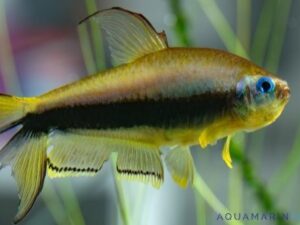
- Small tetra species (emperor tetras, cardinal tetras)
- Sparkling Gouramis (similar size and temperament)
- Mystery snails
- Amano shrimp
Invertebrate tank mates provide an excellent option, as they do not compete for food and help maintain water quality through algae consumption and debris removal. However, very small shrimp may be consumed by adult Samurai Gouramis.
Samurai Gourami Fish To Avoid
Certain fish pose significant compatibility problems for Samurai Gourami tanks. These incompatible species either display aggression, consume food too aggressively, or require different water parameters.
Fish to avoid include:
- Bettas - territorial and aggressive toward similar-shaped fish
- Other gourami species - Dwarf Gouramis, Blue Gouramis, or Gold Gouramis may bully or outcompete them
- Fast-swimming fish like danios - create constant activity that stresses shy fish
- Cichlids - generally too aggressive for peaceful community tanks
- Large or boisterous fish - anything that might view small gouramis as prey
- Fast feeders - species that rapidly consume all food before slow-eating gouramis can feed
Frequently Asked Questions About Samurai Gourami Care
Are Samurai Gouramis hard to keep?
Samurai Gouramis rank as intermediate to advanced in difficulty due to their specific water requirements. They need soft, acidic water (pH 4.0-6.5, hardness below 54 ppm) that differs from standard tap water. Success requires using RO water, rainwater, or extensive water modification. However, once proper conditions are established, they prove relatively hardy within their preferred parameters.
How many Samurai Gouramis should be kept together?
Samurai Gouramis can be kept successfully as a bonded pair or in small groups of 5 to 7 individuals. If keeping groups, maintain more females than males to reduce territorial disputes. Pairs work well in dedicated breeding setups or species tanks. A 30-gallon tank accommodates a pair comfortably, while groups require 40 gallons or more to establish stable social hierarchies.
Which gender carries the eggs in Samurai Gouramis?
The male Samurai Gourami carries the fertilized eggs in his mouth for 7 to 21 days until they hatch. This mouthbrooding behavior makes them unique among aquarium fish. During this period, the male does not eat and becomes even more secretive. The female plays no role in parental care after spawning.
Do Samurai Gouramis need a blackwater aquarium?
While not strictly mandatory, blackwater conditions significantly improve their health and coloration. The tannins from Indian almond leaves, oak leaves, or peat create the acidic, soft water they require while providing antimicrobial benefits. These fish display more natural behaviors and better coloration in properly tinted water.
Male or female Samurai Gourami - which is more colorful?
Female Samurai Gouramis display more vibrant coloration than males, exhibiting reversed sexual dimorphism. Females show emerald green bodies with vivid red stripes, while males remain brown or gray. The female's bright colors play an essential role in courtship, as she uses her appearance to attract the male and initiate spawning.
What pH do Samurai Gouramis need?
Samurai Gouramis require acidic water with pH between 4.0 and 6.5. The ideal range is 4.0 to 5.0, matching their natural peat swamp habitat. Values above 6.5 cause chronic stress, while attempting to maintain them at neutral pH (7.0) or higher typically leads to health problems and shortened lifespans.
Can Samurai Gouramis be kept in a community tank?
Samurai Gouramis can work in carefully planned community tanks with peaceful, slow-moving species that share their water requirements. Suitable companions include small Corydoras, Kuhli loaches, and tiny rasboras from similar blackwater habitats. They should not be kept with fast, aggressive, or competitive feeders that outcompete them for food or create stressful conditions.
Do I need RO water for Samurai Gouramis?
Most aquarists need RO (reverse osmosis) water or collected rainwater to maintain Samurai Gouramis successfully. Standard tap water in most regions exceeds the hardness limits these fish require. Blending RO water with small amounts of tap water, or using peat filtration, helps achieve the necessary softness and acidity.
Advantages Of Having Samurai Gourami In Your Tank
Samurai Gouramis offer several compelling benefits for dedicated aquarists willing to meet their specialized requirements. Their unique characteristics make them standout additions to appropriately designed setups.
Their striking reversed sexual dimorphism provides visual interest rarely seen in aquarium fish. Watching females display their brilliant green and red coloration while males perform their parental mouthbrooding duties creates fascinating behavioral observations unavailable with most other species.
These fish encourage the creation of beautiful, naturalistic blackwater biotopes. The dark, tea-colored water and leaf-littered substrate necessary for their health creates visually stunning aquascapes that stand apart from typical bright, sterile community tanks.
Their peaceful nature allows for creative tank mate combinations with other small, peaceful species from similar habitats. A well-designed blackwater community featuring Samurai Gouramis alongside tiny rasboras and dwarf Corydoras presents a slice of Borneo's peat swamp forests.
Disadvantages Of Having Samurai Gourami In Your Tank
Samurai Gouramis present several challenges that potential keepers must consider carefully before acquisition. Their specialized needs eliminate them as options for community tanks with standard water parameters.
Their extreme shyness means they often remain hidden, particularly in tanks with bright lighting or aggressive tank mates. Aquarists seeking active, constantly visible fish may find them disappointing. Many owners report seeing their fish only during feeding times or dim lighting conditions.
Water modification requirements add ongoing expense and effort. RO systems, continuous botanical additions, and careful monitoring of parameters demand more involvement than typical aquarium maintenance. These costs and efforts persist throughout the fish's lifespan.
Their slow eating makes feeding time challenging in community settings. Faster fish inevitably consume the food intended for gouramis, necessitating species-only tanks or complex feeding strategies. This characteristic also complicates attempts to administer medicated foods if treatment becomes necessary.
Wrapping Up
Samurai Gourami care requires dedication, specialized knowledge, and a willingness to create authentic blackwater conditions. These unique fish reward the effort with stunning coloration, fascinating breeding behaviors, and the satisfaction of maintaining a slice of Borneo's vanishing peat swamp forests.
Success hinges on understanding their essential requirements: soft, acidic water achievable through RO water and botanicals; gentle sponge filtration avoiding strong currents; dim lighting that mimics forest floor conditions; and peaceful tank mates that do not compete for food. The male's role as mouthbrooder and the female's brilliant reversed sexual dimorphism make them truly exceptional aquarium specimens.
While not suitable for beginners or standard community tanks, experienced aquarists seeking a challenging, rewarding species find Samurai Gouramis among the most interesting fish available. Their care promotes understanding of blackwater aquarium principles applicable to many other sensitive species from similar habitats.
We hope this guide helps you succeed with these remarkable fish. If you have questions about Samurai Gourami care or want to share your experiences, please leave a comment below.