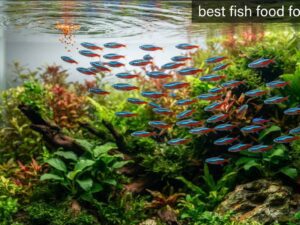
Silver dollar fish have earned a well-deserved reputation as one of the most captivating additions to large freshwater aquariums. These stunning South American natives combine the peaceful temperament of community fish with the impressive presence of much larger species. Whether you are setting up your first sizable tank or expanding an established aquatic collection, understanding proper Silver Dollar Fish Care is essential for maintaining healthy, vibrant specimens that thrive for over a decade.
Named for their distinctive circular, silvery bodies that resemble old American currency, these fish belong to the Characidae family and share distant relations with piranhas. Unlike their carnivorous cousins, silver dollars earn the nickname "vegetarian piranha" through their plant-focused diet and completely peaceful nature. A school of six or more creates a shimmering display as they move together through the water column, making them a centerpiece attraction in any spacious setup.
This comprehensive guide covers everything you need to know about silver dollar fish care in 2026. From selecting the right 75-gallon aquarium to understanding their herbivorous dietary needs, we address the questions aquarists ask most. You will learn about the different varieties available, compatible tank mates, breeding techniques, and how to prevent common health issues. By following these evidence-based recommendations, you will create an environment where your silver dollars can flourish and display their natural schooling behaviors.
Key Takeaways
- Tank Size: Minimum 75 gallons for a school of 5-6 silver dollar fish, with 10 additional gallons per extra fish
- Water Parameters: Temperature 75-82°F (24-28°C), pH 5.0-7.0, hardness 4-15 dGH
- Diet: Primarily herbivorous - requires spirulina flakes, algae wafers, and fresh vegetables
- Behavior: Peaceful schooling fish that must be kept in groups of six or more
- Lifespan: 10+ years with proper care, some specimens living over 20 years
- Scientific Name: Metynnis argenteus (closely related to Metynnis hypsauchen)
- Origin: South American rivers including the Amazon and Tapajos River Basin
Table of Contents
- Key Takeaways
- Species Summary
- Silver Dollar Fish Care
- Silver Dollar Fish Food and Diet
- Hikari® Algae Wafers™ Sinking Wafers for...
- Tank Size
- Water Parameters
- Filtration
- Marineland Bio-Wheel Penguin 350 GPH Power...
- Heater
- Orlushy Submersible Aquarium Heater, Adjustable...
- Lighting
- AQUANEAT LED Aquarium Light Full Spectrum for...
- Water Flow and Aeration
- Uniclife 64 GPH Aquarium Air Pump with Dual...
- Filter Media
- Fluval BioMax Biological Material Remover, 500 g
- Water Conditioners
- Seachem Prime -500 ml/ 17 fl. oz.
- Decorations and Tank Setup
- Cleaning and Maintenance
- Common Possible Diseases
- Preventing Diseases
- Treatment and Medications
- Foods to Avoid
- Silver Dollar Fish Tank Mates
- Fish to Avoid
- Advantages of Having Silver Dollar Fish in Your Tank
- Disadvantages of Having Silver Dollar Fish in Your Tank
- Frequently Asked Questions
- Conclusion
Species Summary
The silver dollar fish (Metynnis argenteus) represents one of the most recognizable and rewarding species for dedicated freshwater aquarists. These disc-shaped characins originate from the slow-moving waters of South America, primarily inhabiting the Amazon River Basin and Tapajos River Basin across Brazil, Guyana, and surrounding regions. Their natural habitat consists of calm, vegetation-rich waters where they graze on plant matter and algae throughout the day.

API Freshwater Master Test Kit 800-Test Freshwater...
800 tests for pH, ammonia, nitrite, nitrate
Essential for monitoring water parameters
More accurate than test strips
Industry standard for freshwater aquariums
What we like
- Tests all essential water parameters
- 800 tests per kit provides excellent value
- Trusted by aquarists worldwide
- More accurate than test strips
- Reagents remain stable in sealed bottles
What could be better
- Process takes longer than test strips
- Color matching requires good lighting
- Many pieces to keep track of
A closely related species, Metynnis hypsauchen, is often confused with M. argenteus in the aquarium trade. Both share nearly identical care requirements and physical characteristics, though M. hypsauchen typically displays more prominent black markings on the body. For practical purposes, aquarists can treat both species interchangeably regarding habitat, diet, and tank requirements.

Silver dollars belong to the family Characidae, making them relatives of tetras, pacus, and the infamous piranhas. However, their behavior could not be more different from their predatory cousins. These are peaceful, skittish fish that spend their days swimming in tight formation with their school mates. When kept in appropriate groups, they display fascinating coordinated swimming patterns that bring life and movement to the middle and upper water columns.
Their status as herbivores shapes every aspect of their care. In the wild, silver dollars graze constantly on aquatic vegetation, fallen fruits, and algae. This dietary preference means they require plant-based foods in captivity and will eagerly consume most aquarium plants unless specific species are selected. Understanding this fundamental trait is essential for creating a successful long-term setup.
Silver Dollar Fish Size and Growth Rate
Silver dollar fish reach an average adult size of 6 inches (15 cm) in standard aquarium conditions, though exceptional specimens may grow up to 8 inches (20 cm) when provided with optimal nutrition and spacious accommodations. These are not small community fish - their substantial body mass and active swimming style require significant tank volume.
Growth occurs relatively slowly compared to some other aquarium species. Juveniles purchased at 2-3 inches may take 2-3 years to reach their full adult dimensions. This gradual development allows aquarists to plan for their eventual size requirements, though starting with a sufficiently large tank from the beginning prevents the stress of later upgrades.
Occasional reports exist of giant specimens reaching 12+ inches, though these typically involve exceptional genetics, decades-long lifespans, or unusual captive conditions. Most healthy silver dollars in home aquariums stabilize between 5-7 inches. When selecting young fish, choosing specimens at least 4 inches long often indicates hardier stock that has survived the vulnerable early growth stages.
Silver Dollar Fish Lifespan
With proper care, silver dollar fish typically live 10 years or more in captivity. Well-maintained specimens have been documented living beyond 20 years, making them a long-term commitment comparable to many parrot species. This impressive longevity results from their hardy constitution and adaptability to varying water conditions.
Several factors influence individual lifespan. Genetics play a significant role - fish from healthy parent stock with robust immune systems naturally live longer. Water quality maintenance proves equally important, as consistent parameters with minimal ammonia and nitrite exposure reduce stress on internal organs. Diet quality affects longevity substantially, with varied plant-based nutrition supporting better health than single-food regimens.
Tank size and social environment also impact life expectancy. Silver dollars kept in undersized tanks or insufficient group numbers experience chronic stress that shortens their lives. A properly sized aquarium with a complete school of six or more fish allows natural behaviors that contribute to psychological and physical wellbeing over decades.
Silver Dollar Fish Appearance
The silver dollar fish presents a striking visual profile that justifies its common name. Their bodies form an almost perfect circular disc when viewed from the side, compressed laterally like a coin standing on edge. This flattened shape maximizes surface area for displaying their brilliant silvery coloration while allowing efficient movement through vegetation-rich waters.

Their scales are remarkably large and reflective, creating a mirror-like effect that catches aquarium lighting beautifully. Each scale has a slightly raised, textured surface that adds depth to their appearance. The silver base coloration typically extends across the entire body, though subtle variations exist between individual specimens and different varieties.
Black markings provide contrast against the silver background. Most specimens display a dark blotch at the shoulder area behind the gill cover, and many show faint vertical striping or spotting patterns. The fins often feature black margins or highlights, particularly the dorsal and anal fins. The caudal (tail) fin is distinctly forked, enabling their characteristic quick directional changes during schooling maneuvers.
Sexual dimorphism becomes apparent as fish mature. Males typically develop a more pronounced nuchal hump - a raised area behind the head that becomes especially prominent during breeding periods. Males also tend to be slightly larger with longer, more pointed dorsal and anal fins. Females maintain a smoother body profile and fuller abdominal area when carrying eggs.
Silver Dollar Fish Behavior and Temperament
Silver dollars embody the ideal peaceful community fish temperament. They show no aggression toward tank mates and rarely engage in fin-nipping behaviors that plague some other characin species. Their mild nature extends to interactions with their own kind, making them excellent candidates for community tanks with other non-aggressive species of appropriate size.
However, their peaceful disposition comes with an important caveat - silver dollars are naturally skittish. In the wild, they inhabit open waters where predators can approach from any direction. This evolutionary heritage means sudden movements, loud noises, or unfamiliar shadows near the tank can trigger panic responses. A startled school may dart wildly and potentially injure themselves against tank decorations or covers.
This skittishness makes secure tank covers absolutely essential. Silver dollars are powerful jumpers capable of launching several inches out of the water when frightened. Many aquarists have discovered this capability the hard way after finding dried specimens on the floor beside their tanks. Any opening larger than the fish's body width represents an escape risk.
Keeping them in proper school numbers significantly reduces skittish behavior. Groups of six or more provide security through numbers - with more eyes watching for threats, individual fish feel safer and display more natural behaviors. A properly sized school swims confidently through all water levels rather than hiding in corners.
Types of Silver Dollar Fish
While the classic silver variety dominates the aquarium trade, several distinctive types offer visual variety for collectors. Each variety maintains the same care requirements and peaceful temperament while displaying unique coloration or patterning that can create stunning visual interest in large aquariums.
Red Hook Silver Dollar (Myleus rubripinnis): Perhaps the most visually striking variety, the Red Hook features distinctive elongated dorsal and anal fins with vivid red coloration. The "hooks" refer to the pointed extensions on these fins that can reach dramatic lengths in mature specimens. Body coloration tends toward reddish-brown rather than pure silver, with variable spotting patterns.
Spotted Silver Dollar (Metynnis lippincottianus): This variety displays the classic silver base but covered with numerous small black spots across the body and fins. The spotting creates a distinctive "salt and pepper" appearance that distinguishes them immediately from other types. They typically remain slightly smaller than standard silver dollars, averaging 5-6 inches at maturity.
Tiger Silver Dollar (Metynnis fasciatus): Named for the bold vertical black stripes that cross their silvery bodies, Tiger silver dollars create an eye-catching display when kept in schools. The striping resembles tiger markings and becomes more pronounced as fish mature. This variety may show more active swimming behavior than other types.
Barred Silver Dollar: Similar to the Tiger variety but with wider, more irregular vertical bands rather than thin stripes. The barring pattern creates a unique visual texture that some aquarists prefer over the standard silver appearance. These fish may show more variation in pattern intensity between individuals.
Thai Silver Dollar: A paler variety with yellowish-silver coloration rather than the bright white-silver of standard specimens. Their fins often show reduced black markings, creating a softer overall appearance. This variety tends to be smaller, typically reaching only 3-4 inches, making it suitable for slightly smaller aquariums (though 55+ gallons remains recommended).
Many aquarists enjoy keeping mixed schools containing multiple varieties. Since all types share identical environmental and dietary needs, they school together naturally while creating a more visually diverse display. When mixing varieties, ensure all specimens are similar sizes to prevent any potential competition issues.
Silver Dollar Fish Breeding
Breeding silver dollar fish in home aquariums presents a rewarding challenge for experienced aquarists. These egg scatterers follow distinct spawning behaviors triggered by specific environmental conditions. Success requires understanding their natural reproductive cues and providing appropriate setups for egg and fry survival.
Silver dollars reach sexual maturity at approximately 12-18 months of age, though optimal breeding condition typically develops around the 2-year mark. During spawning periods, males display intensified coloration and more prominent humps behind the head. Females develop visibly rounded abdomens as eggs mature internally.
Triggering spawning requires simulating rainy season conditions from their natural habitat. This involves several simultaneous changes: raising the temperature to the upper range of their tolerance (80-82°F), performing larger water changes with slightly cooler replacement water, and increasing water flow to mimic flooded river conditions. Some breeders also reduce lighting intensity to simulate storm-clouded skies.
The spawning act itself involves vigorous chasing as males pursue ripe females throughout the tank. When ready, the female releases adhesive eggs that attach to plants, driftwood, or the substrate. Males immediately fertilize the scattered eggs. A single spawning may produce several hundred eggs, though not all will be viable or successfully fertilized.
Adult silver dollars typically consume their own eggs, so dedicated breeding tanks or immediate egg removal increases fry survival rates. Eggs hatch within 24-48 hours depending on temperature. Newly hatched fry absorb their yolk sacs for 3-4 days before becoming free-swimming and requiring food.
Initial fry foods should include infusoria, newly hatched brine shrimp, or commercially prepared fry powder. As they grow, transition to finely crushed flake foods and eventually regular juvenile pellets. Silver dollar fry grow relatively quickly, reaching 1-2 inches within 3-4 months under optimal conditions with frequent water changes and abundant food.
Silver Dollar Fish Care
Providing excellent Silver Dollar Fish Care requires attention to their specific environmental needs as large, active, herbivorous schooling fish. While generally hardy and adaptable, they thrive when their natural habitat conditions are replicated as closely as possible. The following sections detail the essential requirements for maintaining healthy, vibrant specimens over their decade-plus lifespans.
These fish represent a moderate care level - not challenging for experienced aquarists but requiring more planning and resources than typical beginner species. The primary considerations involve providing sufficient space, maintaining water quality in large volumes, and sourcing appropriate plant-based foods. Success comes from understanding their social nature and herbivorous biology.
Silver Dollar Fish Food and Diet
The "vegetarian piranha" nickname accurately describes silver dollar dietary preferences. In their natural South American habitat, these fish consume primarily plant matter including aquatic vegetation, fallen fruits, nuts, and algae. They supplement this with occasional protein from small insects, crustaceans, and worms, though plant material should constitute 80-90% of their captive diet.
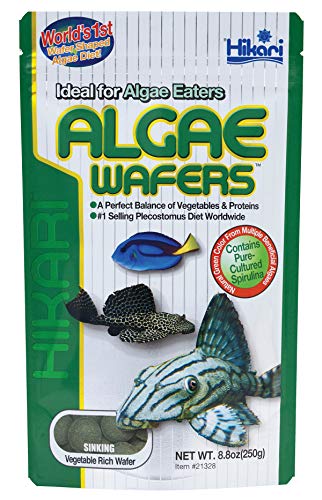
Hikari® Algae Wafers™ Sinking Wafers for...
Rich in pure cultured spirulina
High vegetable content for herbivores
Does not cloud water
#1 selling pleco diet worldwide
What we like
- High quality spirulina content
- Sinking wafers ideal for silver dollars
- Will not dissolve and cloud water
- Excellent value in large size
- Fish eagerly accept this food
What could be better
- May need softening for some fish
- Resealable bag can be tricky
- Can foul tank if uneaten
High-quality spirulina-based flake or pellet foods should form the dietary foundation. Spirulina provides essential nutrients while supporting the vibrant coloration these fish are prized for. Vegetable-based pellets, algae wafers, and specialized herbivore formulas from reputable manufacturers ensure balanced nutrition without excess protein that can cause digestive issues.

Fresh vegetables provide essential variety and enrichment. Blanched leafy greens including spinach, romaine lettuce, and kale offer nutrients in a natural form. Sliced cucumber, zucchini, and peeled peas (with shells removed) make excellent supplementary foods. These should be offered 2-3 times weekly alongside the staple prepared diet.
Feeding frequency depends on fish age and tank temperature. Adult silver dollars thrive on two meals daily, while growing juveniles benefit from three smaller feedings. Each meal should be consumed within 2-3 minutes. Remove any uneaten vegetable matter after several hours to prevent water quality deterioration. Silver dollars have fast metabolisms and will show interest in food throughout the day, but resist overfeeding even when they beg.
Tank Size
The minimum tank size for silver dollar fish is 75 gallons for a school of 5-6 specimens. This volume provides sufficient swimming space for their active nature while accommodating the substantial bioload produced by large, constantly grazing fish. Tanks measuring 48 inches in length or longer work best, as they allow the extended swimming corridors these fish prefer.
For each additional silver dollar beyond the initial group, add 10 gallons of water volume. A school of 8 fish requires approximately 95-100 gallons, while larger groups of 10+ need 125 gallons or more. These are not recommendations for optimal conditions - they represent the absolute minimum for long-term health and wellbeing.
Juvenile silver dollars under 3 inches can temporarily reside in smaller aquariums, but planning for their adult size is essential. Moving fish between tanks causes significant stress, and silver dollars particularly dislike environmental changes. Starting with an appropriately sized adult tank eliminates the need for stressful upgrades later.
Tank dimensions matter as much as total volume. Silver dollars are horizontal swimmers that utilize length more than height. A 75-gallon tank measuring 48x18x21 inches provides better usable space than a taller 75-gallon with smaller footprint. Avoid tall, narrow tanks regardless of volume - the restricted swimming length contradicts their natural behavior.
Water Parameters
Silver dollar fish tolerate a reasonably wide range of water conditions, reflecting their adaptability across diverse South American habitats. However, maintaining parameters within their preferred ranges supports better coloration, more active behavior, and stronger immune systems. Consistency matters more than hitting exact numbers - sudden changes cause more harm than stable suboptimal conditions.
Temperature: The ideal range is 75-82°F (24-28°C). This updated recommendation reflects current consensus among experienced breeders and researchers. Temperatures below 75°F slow metabolism and increase disease susceptibility, while sustained temperatures above 82°F may reduce oxygen saturation and accelerate aging. A stable temperature near 78°F suits most home aquariums perfectly.
pH: Silver dollars prefer slightly acidic to neutral conditions between 5.0-7.0. Their natural habitat waters are typically soft and acidic, particularly during rainy seasons. Captive specimens adapt well to pH values up to 7.5, though breeding attempts should utilize softer, more acidic water. Avoid sudden pH fluctuations that damage gill tissue and cause osmotic stress.
Hardness: Soft to moderately hard water between 4-15 dGH (degrees of general hardness) matches their natural conditions. Very hard water above 20 dGH may stress their systems over time, while extremely soft water below 3 dGH lacks sufficient mineral content for optimal physiological function. Most municipal tap water treated with quality conditioners falls within acceptable ranges.
Ammonia and Nitrite: These must remain at 0 ppm at all times. Silver dollars are sensitive to nitrogenous waste buildup despite their hardy reputation. Any detectable ammonia or nitrite indicates insufficient biological filtration or overfeeding.
Nitrate: Keep below 20-30 ppm through regular water changes. In heavily stocked silver dollar tanks, weekly 25-30% water changes maintain nitrate at healthy levels. High nitrates contribute to faded coloration and reduced disease resistance.
Filtration
Effective filtration is absolutely critical for silver dollar tanks due to their large size, active metabolism, and constant grazing. These fish produce substantial waste while requiring pristine water conditions. Filtration capacity should exceed standard recommendations - aim for turning the entire tank volume over 8-10 times hourly minimum.
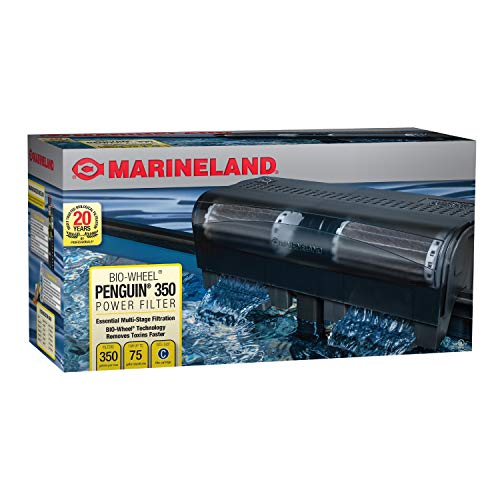
Marineland Bio-Wheel Penguin 350 GPH Power...
Patented Bio-Wheel biological filtration
Multi-stage mechanical, chemical, biological
350 GPH for 50-75 gallon tanks
Easy maintenance with Rite-Size cartridges
What we like
- Excellent biological filtration with Bio-Wheel
- Restarts automatically after power outages
- Adds oxygen to water through rotation
- Easy cartridge replacement system
- Affordable and reliable
What could be better
- Bulky design may intrude visually
- No flow adjustment capability
- Can become noisy if water drops
Canister filters represent the gold standard for silver dollar aquariums. Their high flow rates, substantial media capacity, and ability to remain hidden from view make them ideal for large tanks. Quality canister filters rated for tanks larger than your actual volume provide the biological filtration capacity necessary for these heavy feeders.
Hang-on-back filters offer a practical alternative for those preferring easier maintenance access. The best HOB filters for silver dollars feature substantial biological filtration components like Bio-Wheels or similar wet/dry systems. Multiple HOB units can be combined on larger tanks to achieve necessary flow rates while providing redundancy if one filter requires maintenance.
Sponge filters serve valuable supplementary roles but should not provide primary filtration for silver dollar tanks. They excel as biological filtration boosters and fry protection in breeding setups. When using sponge filters alongside primary filtration, ensure they do not create dead zones where debris accumulates.
Heater
Reliable heating is essential for maintaining the 75-82°F temperature range silver dollars require. Even in centrally heated homes, aquarium temperatures often drop below acceptable ranges during winter nights or summer air conditioning periods. A quality heater prevents the temperature fluctuations that stress immune systems and trigger disease.

Orlushy Submersible Aquarium Heater, Adjustable...
200W for 30-40 gallon tanks
68-89°F temperature range
Explosion-proof quartz glass
Includes free thermometer
What we like
- Affordable and reliable
- Heats quickly and maintains temperature
- Durable thick glass construction
- Comes with thermometer for verification
- Easy installation with suction cups
What could be better
- Dial may not be perfectly accurate
- Large size can be visually intrusive
- Bottom cap may trap small snails
Heater sizing follows the standard 3-5 watts per gallon guideline, though erring toward higher wattage provides better performance in large tanks. A 75-gallon tank requires 225-375 watts of heating capacity. Using two smaller heaters rather than one large unit provides redundancy - if one fails, the other maintains survivable temperatures until replacement.
Submersible heaters positioned near filter outputs distribute warmed water effectively throughout the tank. Avoid placing heaters in corners where poor circulation creates hot spots. Always use a separate thermometer to verify heater accuracy - internal thermostats can drift over time, showing incorrect temperatures while maintaining wrong actual temperatures.
Heater covers or guards prevent fish from contacting hot elements if they bump into equipment during active swimming. While silver dollars are not typically destructive to equipment, their size and speed during schooling maneuvers make accidental contact possible.
Lighting
Silver dollar fish prefer subdued lighting conditions reflecting their natural habitat under forest canopies. Bright, direct illumination causes stress and encourages hiding behavior, particularly in smaller schools. Providing appropriate lighting enhances their natural coloration while supporting any live plants that survive their herbivorous attentions.

AQUANEAT LED Aquarium Light Full Spectrum for...
Fits 48-54 inch tanks
Full spectrum 96 LED design
68 white, 14 blue, 7 pink, 7 green LEDs
Energy efficient 19-watt operation
What we like
- Excellent value for large tanks
- Bright full-spectrum lighting
- Easy installation with extendable brackets
- Durable aluminum construction
- Good for low-to-mid plant growth
What could be better
- No built-in timer included
- Not waterproof - avoid splashing
- Fixed brightness not adjustable
Standard aquarium lighting on a 10-12 hour daily cycle works well for viewing purposes. LED fixtures provide the best combination of energy efficiency, longevity, and adjustable color temperature. Full-spectrum LEDs bring out the silver iridescence while supporting photosynthesis in any surviving plants.
Floating plants can further diffuse overhead lighting while providing supplemental food sources. Silver dollars often nibble on roots and undersides of floating vegetation, so choose robust species like Amazon frogbit or water lettuce that can tolerate some grazing. These plants also help reduce nitrate levels through nutrient uptake.
Subdued lighting periods benefit these fish. Consider a "siesta" schedule with lights off midday, or use dimmable fixtures to create dawn/dusk transitions. Sudden illumination changes trigger startle responses, so gradual intensity changes support calmer behavior.
Water Flow and Aeration
Silver dollars inhabit slow-moving to moderately flowing waters in nature. They appreciate gentle water movement that prevents stagnant zones without creating exhausting currents. Proper flow ensures even temperature distribution, delivers food throughout the tank, and keeps waste suspended for filtration removal.

Uniclife 64 GPH Aquarium Air Pump with Dual...
64 GPH max flow rate
Dual outlets for multiple devices
Adjustable output with rotary knob
Includes air stones and tubing
What we like
- Complete kit with all accessories
- Adjustable airflow for different needs
- Dual outlets for flexibility
- Quiet operation at lower settings
- Compact and easy to hide
What could be better
- Louder at maximum airflow
- Single airline tube included
- Vibration noise may develop over time
Air pumps with airstones or sponge filters provide supplemental oxygenation and surface agitation. This proves particularly valuable in warmer tanks where oxygen solubility decreases. The bubbles also create visual interest and help break up surface film that can inhibit gas exchange.
Power heads can increase flow in larger tanks where filter output alone creates insufficient circulation. Position power heads to create gentle circular flow patterns rather than blasting currents. Silver dollars will swim against moderate flows as exercise, but constant struggle against strong currents causes chronic stress.
Observation guides flow adjustment. If fish constantly swim tilted or struggle to maintain position, reduce flow. If debris accumulates in corners or fish hover near the surface gasping, increase aeration. Finding the right balance supports both biological filtration needs and fish comfort.
Filter Media
Quality filter media selection maximizes the biological filtration capacity essential for silver dollar health. A combination of mechanical, biological, and chemical media addresses the full range of water purification needs in these heavily stocked herbivore tanks.
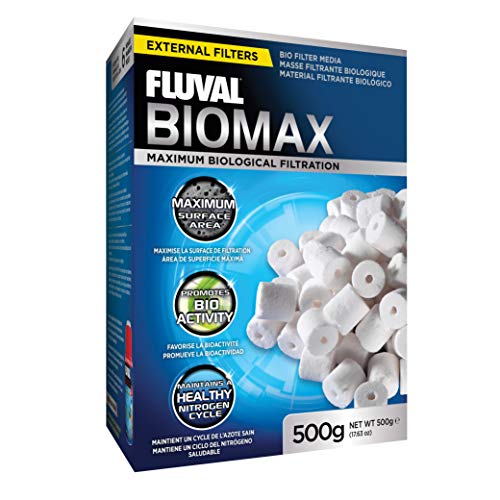
Fluval BioMax Biological Material Remover, 500 g
Premium-grade ceramic filter media
Complex porous structure for bacteria
Reduces ammonia and nitrate levels
500g package for multiple filters
What we like
- Excellent surface area for bacteria colonization
- Helps maintain stable water parameters
- Works in all canister filter brands
- Long-lasting ceramic construction
- Great for seeding new aquariums
What could be better
- Larger size may not fit compact filters
- Recommended replacement every 6 months
- Premium price vs generic alternatives
Mechanical filtration starts with coarse sponges or pads that capture large debris before it reaches biological media. Rinse these regularly in removed tank water to prevent clogging that reduces flow. Multiple mechanical stages - coarse followed by fine - extend maintenance intervals while protecting delicate biological media.
Biological media forms the heart of silver dollar filtration. Ceramic rings, Bio-Max, or similar high-surface-area media provide housing for beneficial nitrifying bacteria. Never replace all biological media simultaneously - stagger replacements by several weeks to preserve established bacterial colonies. Rinse biological media gently in removed tank water only, never tap water containing chlorine.
Chemical filtration through activated carbon or specialized resins removes dissolved organic compounds and medications when needed. Carbon becomes exhausted after 3-4 weeks and requires replacement. Some aquarists run carbon continuously in silver dollar tanks due to their heavy waste production, while others use it periodically for polishing water clarity.
Water Conditioners
Water conditioners are essential whenever adding tap water to silver dollar tanks. Municipal water supplies contain chlorine and chloramine that kill beneficial bacteria and damage fish gills. A quality conditioner instantly neutralizes these chemicals, making water safe for aquarium inhabitants.

Seachem Prime -500 ml/ 17 fl. oz.
Removes chlorine and chloramine instantly
Detoxifies ammonia for 48 hours
Concentrated - 1 capful treats 50 gallons
Suitable for fresh and saltwater
What we like
- Most trusted conditioner among aquarists
- Highly concentrated economical formula
- Detoxifies ammonia and nitrites temporarily
- Works in both fresh and saltwater
- Essential for cycling new tanks
What could be better
- Slight sulfur smell when opened
- Requires careful measuring for small tanks
- Higher upfront cost than alternatives
The best water conditioners do more than neutralize chlorine. Advanced formulas also detoxify heavy metals commonly present in tap water, bind ammonia and nitrite temporarily during emergencies, and add protective slime coat enhancers. For silver dollar tanks, choose conditioners specifically formulated for freshwater use.
Dosing follows manufacturer instructions based on treated water volume, not total tank volume. When performing a 25-gallon water change in a 75-gallon tank, dose for 25 gallons. Use a measuring syringe for accuracy - overdosing wastes product while underdosing leaves fish vulnerable.
During tank cycling or disease treatment, conditioners that temporarily detoxify ammonia provide crucial protection for fish while biological filtration establishes or recovers. These products bind ammonia into non-toxic forms for 24-48 hours, giving beneficial bacteria time to process it naturally.
Decorations and Tank Setup
Decorating a silver dollar tank requires balancing their need for open swimming space with the hiding spots that reduce skittish behavior. These large, active fish need unobstructed corridors for schooling while appreciating refuge areas where they can retreat when startled.
Substrate: Dark gravel or sand enhances the silver coloration of these fish while creating a natural appearance. Silver dollars occasionally pick at the substrate seeking edible bits, so avoid sharp-edged materials that could damage their mouths. Smooth river gravel or pool filter sand works excellently.
Hardscaping: Driftwood provides visual barriers that break up open space without restricting swimming corridors. Large pieces create territories and hiding spots while contributing tannins that soften water naturally. Ensure all hardscape is stable - these fish can dislodge poorly positioned decorations during active swimming.
Plant Considerations: Silver dollars are notorious plant eaters, making aquarium plant selection challenging. However, certain species withstand their herbivory better than others. Java moss and hornwort are excellent choices - their rapid growth rates allow them to recover from grazing faster than silver dollars consume them. Anubias attached to driftwood rather than planted in substrate often survives because the tough leaves prove less palatable. Many aquarists simply use artificial plants for decoration while accepting that live plants serve more as expensive food than permanent aquascaping.
Open Swimming Space: Regardless of other decorations, maintain a large central swimming area. Silver dollars are mid-water fish that utilize horizontal space for their schooling behaviors. Avoid cluttering the tank center with decorations or tall plants that interrupt their movement patterns.
Cleaning and Maintenance
Regular maintenance keeps silver dollar tanks healthy and visually appealing. These heavy feeders and waste producers require more frequent attention than lightly stocked community tanks, but consistent routines prevent the parameter swings that cause health issues.
Water Changes: Perform 25-30% water changes weekly in standard stocked tanks. Heavily fed tanks or those with larger schools may require 40-50% changes weekly. Use a gravel vacuum to remove accumulated debris from the substrate during each change. The siphoning action also removes uneaten food and plant debris that contribute to nitrate buildup.
Filter Maintenance: Clean mechanical filter media monthly or when flow visibly decreases. Rinse sponges and pads in removed tank water, never tap water. Clean biological media only when absolutely necessary, and never with chlorinated water that kills beneficial bacteria. Replace chemical media (carbon, resins) according to manufacturer schedules.
Glass Cleaning: Algae growth on viewing panels reduces visibility and appearance. Clean glass weekly using an algae scraper or magnetic cleaner. Be cautious when working in the tank - sudden movements startle silver dollars and may trigger jumping attempts. Work slowly and deliberately during maintenance sessions.
Equipment Checks: Weekly inspection of heaters, filters, and lighting ensures everything functions properly. Verify heater settings with a separate thermometer. Check filter intakes for debris blockages. Confirm all electrical connections remain dry and secure.
Common Possible Diseases
Silver dollar fish are generally hardy, but they remain susceptible to common aquarium diseases, particularly when water quality deteriorates or stress weakens immune systems. Early recognition and prompt treatment significantly improve recovery outcomes.

Ich (White Spot Disease): The most common affliction appears as tiny white spots resembling salt grains across the body and fins. Affected fish may rub against decorations and show rapid breathing. Treatment involves raising temperature gradually to 86°F while administering copper-based or formalin medications. The combination accelerates the parasite life cycle while killing free-swimming stages.
Fin Rot: Bacterial infection causes fin edges to appear ragged, discolored, or eroded. Poor water quality typically triggers this condition. Treatment requires pristine water conditions plus antibiotic medications either in food or water column. Severe cases affecting the fin base require immediate intervention to prevent body rot.
Dropsy: This serious condition presents as body swelling with scales protruding like a pinecone. It indicates internal organ failure, often from bacterial infection or poor water quality. Treatment success rates are low even with antibiotics, making prevention through excellent water quality essential.
Columnaris: Bacterial infection appears as white or grayish patches on skin, fins, or mouth. It spreads rapidly and can kill fish within days. Immediate antibiotic treatment in clean water offers the best chance. Reduce stress and improve water quality simultaneously.
Internal Parasites: Worms or protozoa may infect silver dollars, particularly wild-caught specimens. Symptoms include weight loss despite good appetite, stringy white feces, or bloating. Anti-parasitic medications in food prove most effective for treatment.
Preventing Diseases
Prevention remains far more effective than treatment for silver dollar health. A proactive approach focusing on water quality, nutrition, and quarantine protocols keeps fish healthy and reduces the need for medications that may disrupt biological filtration.
Maintaining pristine water quality stands as the single most important preventive measure. Regular water changes, adequate filtration, and avoiding overfeeding eliminate the environmental stressors that predispose fish to disease. Test water parameters weekly to catch problems before they affect fish health.
Quarantine new additions for 2-4 weeks before introducing them to the main tank. This isolation period allows observation for disease symptoms while preventing transmission to established residents. A simple 20-30 gallon quarantine tank with basic filtration protects your investment in the main display.
Varied, high-quality nutrition supports strong immune systems. Avoid relying on single food types - rotate between spirulina flakes, algae wafers, and fresh vegetables to provide complete nutrition. Properly store foods in cool, dry conditions to prevent spoilage that can introduce pathogens.
Minimize handling and disturbance. Silver dollars stress easily, and stress hormones suppress immune function. Plan maintenance activities to minimize tank disruption, and never chase or net fish unnecessarily. When catching is required, use large, soft nets appropriate for their size to prevent scale damage.
Treatment and Medications
When disease strikes despite preventive measures, prompt appropriate treatment maximizes recovery chances. Accurate diagnosis guides treatment selection - using antibiotics for parasitic infections wastes time while the condition worsens.
Antibiotics: Bacterial infections respond to medications containing erythromycin, tetracycline, or similar compounds. Many treatments work best in food rather than water column dosing, as this delivers higher concentrations directly to the infection site. Follow manufacturer dosing exactly and complete full treatment courses even if symptoms improve.
Anti-Parasitic Medications: Copper-based treatments, formalin, or malachite green preparations address external parasites like ich. These can be toxic to scaleless fish at normal doses, though silver dollars' heavy scaling provides some protection. Always remove chemical filtration during treatment as activated carbon removes medications from the water.
Fungicides: Fungal infections appear as cottony white growths and respond to specific antifungal medications. Salt baths (1-3 grams per liter) provide a supportive treatment that enhances medication effectiveness while reducing osmotic stress on infected tissue.
During any treatment, maintain excellent water quality through increased water changes. Many medications reduce dissolved oxygen, so additional aeration helps fish breathe. Monitor treated fish closely and be prepared to adjust treatment if adverse reactions occur. Consult an aquatic veterinarian for persistent or severe cases.
Foods to Avoid
Certain foods harm silver dollar health or create water quality problems. Avoiding these common mistakes prevents digestive issues and maintains tank cleanliness.
Meat-based proteins including beef, chicken, or pork prove difficult for herbivorous fish to digest. Their digestive systems evolved for plant matter, and animal proteins can cause intestinal blockages or fatty liver disease. Skip the temptation to offer "treats" from human food sources.
Processed human foods like bread, crackers, or cereals contain additives, preservatives, and inappropriate nutrition profiles. These foods expand in the fish's digestive tract, potentially causing dangerous blockages. They also foul water rapidly as they decompose.
Large quantities of protein-rich foods including bloodworms or brine shrimp should remain occasional supplements rather than dietary staples. While silver dollars accept these foods eagerly, excessive protein intake causes long-term health problems in herbivores. Limit protein treats to once weekly maximum.
Any uneaten food should be removed within a few hours. Decomposing food spikes ammonia and nitrite while encouraging bacterial growth. Feed only quantities consumed within 2-3 minutes, removing excess promptly.
Silver Dollar Fish Tank Mates
Silver dollars thrive in [community tanks](https://www.aquamarinepower.com/community-fish/) alongside other peaceful species of appropriate size. Their peaceful nature and mid-water swimming habits make them compatible with many South American and community aquarium inhabitants. When selecting tank mates, consider size compatibility, temperament, and water parameter requirements.
Bottom Dwellers: Species that occupy the lower tank regions complement silver dollars perfectly without competing for space. Large Corydoras catfish, including Sterbai and Bronze varieties, work excellently. [Bristlenose plecos](https://www.aquamarinepower.com/bristlenose-pleco/) and [clown plecos](https://www.aquamarinepower.com/clown-pleco/) stay small enough for community life while handling algae cleanup. Kuhli loaches add interesting activity to the substrate without bothering mid-water swimmers.
Peaceful Cichlids: Larger peaceful cichlids share water parameter preferences and temperament compatibility. Angelfish (despite their name) are not recommended as they may nip fins or be eaten by larger silver dollars. Instead, consider Geophagus species, Severums, or Uaru - all South American cichlids that appreciate similar soft, acidic conditions and peaceful communities.
Other Characins: Larger tetras and related species often work well, though size matching is crucial. Standard cardinal tetras or neon tetras are too small and may be eaten by adult silver dollars. Instead, consider larger tetras like Columbian, Congo, or Emperor tetras that approach similar sizes. These create stunning schooling displays together.
Large Barbs and Rainbows: Boesemani rainbows and larger barb species like Tinfoil or Filament barbs (which silver dollars are sometimes confused with) make active, colorful additions. Ensure all species have sufficient swimming space to prevent territorial disputes.
When adding new tank mates, observe carefully for the first several days. Even peaceful fish may show temporary territoriality when establishing hierarchy. Ensure plenty of space and visual barriers allow all species to establish comfortable territories without conflict.
Fish to Avoid
Certain species create compatibility problems with silver dollars due to aggression, size disparity, or behavioral mismatch. Avoiding these combinations prevents stress, injury, and unnecessary losses.
Aggressive Cichlids: Avoid any cichlid with territorial or fin-napping tendencies. [Betta fish](https://www.aquamarinepower.com/betta-fish-care/), while popular, are far too aggressive and will attack silver dollars relentlessly. Similarly, convict cichlids, jewel cichlids, and many African cichlids will harass or kill peaceful silver dollars. Even some medium-aggression species like Blue Acara may bully them.
Very Small Fish: Species under 2 inches at maturity risk becoming silver dollar food. While silver dollars are not predatory, they are opportunistic and may consume anything small enough to fit in their mouths. Standard guppies, small tetras, and dwarf shrimp are at risk even with well-fed silver dollars.
Fin Nippers: Species known for fin-nipping behaviors target the long fins of some silver dollar varieties. Tiger barbs, serpae tetras, and some danio species should be avoided regardless of their peaceful reputation with other fish.
Goldfish: Despite their popularity, [goldfish](https://www.aquamarinepower.com/goldfish-tank-mates/) make poor silver dollar companions. They require cooler temperatures, different diets, and produce such heavy waste that water quality suffers for both species. Their size and occasional aggression also pose problems.
Advantages of Having Silver Dollar Fish in Your Tank
Silver dollars offer numerous benefits that justify their space and care requirements. Understanding these advantages helps determine if these fish suit your aquarium goals and lifestyle.
Their peaceful temperament ranks among their greatest assets. Unlike many large fish that require species-only tanks due to aggression, silver dollars integrate smoothly into peaceful communities. They rarely bother tank mates and show no territorial behavior, allowing diverse stocking combinations in appropriately sized aquariums.
Schooling behavior creates stunning visual displays unmatched by solitary species. A group of six or more moving in coordinated patterns through open water transforms a static tank into a dynamic aquatic scene. Their synchronized swimming and flashing silver bodies catch light beautifully, creating living art that draws attention from across the room.
Hardiness makes them forgiving of minor husbandry mistakes that would harm more delicate species. Their adaptability to varied water conditions and disease resistance suit both developing aquarists and busy hobbyists who cannot obsess over perfect parameters daily. This resilience, combined with their decade-plus lifespan, provides long-term companionship without frequent replacement.
Herbivorous diet reduces feeding costs compared to carnivorous fish requiring constant live or frozen food purchases. Vegetable-based prepared foods, supplemented with inexpensive fresh produce from your kitchen, provide complete nutrition economically. Their grazing behavior also helps control algae growth, providing minor tank maintenance benefits.
Disadvantages of Having Silver Dollar Fish in Your Tank
Despite their many advantages, silver dollars present challenges that may make them unsuitable for some aquarists. Honest assessment of these limitations prevents poor placement decisions that lead to frustration or fish suffering.
Space requirements represent the most significant barrier for many hobbyists. A 75-gallon minimum tank demands substantial room, strong flooring support, and considerable equipment investment. This requirement eliminates them from consideration for apartment dwellers with weight limits, small homes, or budget constraints. The tank size also complicates relocation and limits placement options within homes.
Plant destruction frustrates aquascaping enthusiasts. Their constant grazing makes maintaining planted tanks nearly impossible with most common aquarium plants. Even "safe" choices like java moss and hornwort require constant replenishment. Aquarists dreaming of lush aquascapes must choose between different fish or accepting plastic plants.
Skittishness and jumping behaviors create maintenance challenges. Working in their tank triggers panic responses, and their powerful jumping ability demands secure covers with no gaps. This limits aquascaping flexibility - you cannot have open-top setups or hang equipment that creates escape routes.
Long lifespan creates long-term commitment requirements. A decade or more of care means planning for life changes that might affect your ability to maintain a large aquarium. College students, those planning moves, or anyone with uncertain long-term living situations should consider if they can commit to 10+ years of proper care.
Frequently Asked Questions
Conclusion
Silver Dollar Fish Care represents a rewarding endeavor for aquarists prepared to meet these magnificent fish's space and social requirements. Their combination of stunning appearance, peaceful temperament, and fascinating schooling behaviors makes them worth the investment in large aquariums and quality equipment. When provided with the 75-gallon minimum tank, stable 75-82°F water parameters, varied plant-based diet, and proper school numbers, these South American natives thrive for a decade or more.
The key to success lies in respecting their nature as large, herbivorous, skittish schooling fish. Attempting to keep them in undersized tanks, alone, or with aggressive companions inevitably leads to stress, disease, and shortened lifespans. Conversely, aquarists who plan appropriately find silver dollars among the most satisfying freshwater species available - hardy enough for developing hobbyists yet impressive enough to satisfy experienced collectors.
Whether you are drawn to the classic silver variety, the dramatic Red Hook, or the striking Tiger pattern, these fish bring unmatched visual impact to spacious community aquariums. By following the guidelines outlined in this comprehensive 2026 care guide, you will create an environment where your silver dollars display their natural behaviors and vibrant coloration for years to come. The "vegetarian piranha" nickname captures only their evolutionary heritage - in reality, these are peaceful giants that deserve a place in every large freshwater enthusiast's collection.