The Silver Tip Tetra (Hasemania nana) is a lively tropical freshwater fish that brings energy and personality to community aquariums. Native to the clear streams of Brazil's São Francisco River basin, these small characins have captured the hearts of aquarists with their distinctive silver-white fin tips and engaging behaviors that set them apart from more sedate tetra species. Whether you are setting up your first community tank or adding variety to an established planted aquarium, this comprehensive guide covers everything you need to know about keeping Silver Tip Tetras healthy and happy in 2026.
Unlike the more commonly known Neon Tetra care guide species, Silver Tips are active swimmers with a boisterous personality that many aquarists describe as more barb-like than typical tetra behavior. They exhibit fascinating "finger-following" behavior, readily approaching the glass when you approach their tank. However, their active nature requires specific care considerations that differ from slower, more peaceful schooling fish. In this guide, we will explore their care requirements, temperament quirks, breeding potential, and everything else you need to provide the best environment for these captivating fish.
Table of Contents
- Silver Tip Tetra: Quick Facts
- Silver Tip Tetra: Overview
- Silver Tip Tetra Complete Care Guide
- Tank Size Requirements
- Water Parameters
- API Freshwater Master Test Kit 800-Test Freshwater...
- Seachem Prime -500 ml/ 17 fl. oz.
- Tank Setup and Decorations
- Diet and Feering Requirements
- TetraMin Plus Tropical Flakes, Cleaner and Clearer...
- TetraMin Tropical Flakes Fish Food, 7.06 oz
- Hikari Usa Inc AHK21108 fish tropical Micropellets...
- Fluval Bug Bites Tropical Fish Food, 1.6 oz.
- Suitable Tank Mates
- Silver Tip Tetra Breeding
- Common Diseases and Health Issues
- API FIN & BODY CURE Freshwater Fish Powder...
- Frequently Asked Questions
- Conclusion
Silver Tip Tetra: Quick Facts
Before diving into the detailed care guide, here is a quick reference table with the essential information about Silver Tip Tetras:
- Scientific Name: Hasemania nana
- Common Names: Silver Tip Tetra, Dwarf Tetra, Copper Tetra
- Family: Acestrorhamphidae
- Origin: São Francisco River basin, Brazil (Minas Gerais region)
- Size: Up to 2 inches (5 cm) standard length
- Lifespan: 3-5 years with proper care
- Temperament: Active and boisterous, peaceful but energetic
- Tank Size: Minimum 20 gallons for a school
- Water Temperature: 74-82°F (23-28°C)
- pH Range: 6.0-8.0
- Water Hardness: Soft to hard (2-25 dGH)
- Diet: Omnivore
- Care Level: Beginner-friendly, hardy species
Silver Tip Tetra: Overview
The Silver Tip Tetra belongs to the family Acestrorhamphidae, a group of American characins native to South American waterways. These fish are endemic to the São Francisco River basin in Brazil, specifically found in the clear, well-oxygenated streams and tributaries of the Minas Gerais region. The species was first described scientifically in the early 20th century and has since become a staple in the aquarium trade due to its hardiness, striking appearance, and engaging behavior.
In their natural habitat, Silver Tip Tetras inhabit slow-moving streams with sandy or gravel substrates, often among submerged vegetation and fallen leaf litter. The water in their native range tends to be slightly acidic to neutral, though these adaptable fish can thrive in a wide range of water parameters. Most specimens available in the aquarium trade today are captive-bred, making them well-adjusted to aquarium life and less demanding than wild-caught alternatives. Their scientific classification places them in the order Characiformes, alongside other popular aquarium tetras, but their distinct genus Hasemania sets them apart with unique behavioral traits.
Silver Tip Tetras are considered an excellent choice for beginner aquarists due to their forgiving nature regarding water parameters and their generally robust health. They are listed as Least Concern by the IUCN, meaning their wild populations are stable, and responsible captive breeding practices ensure aquarium hobbyists can enjoy these fish without impacting wild stocks. However, prospective keepers should understand that their active temperament requires more space and different tank mate considerations than more docile tetra species.
How do Silver Tip Tetra Look?
Silver Tip Tetras possess a distinctive appearance that makes them easy to identify among similarly sized community fish. Their bodies are elongated and slightly compressed, typical of the characin form, with a torpedo-like shape built for active swimming. The most striking feature, and the one that gives them their common name, is the silvery-white coloration on the tips of their fins, particularly noticeable on the dorsal, anal, and pelvic fins. This shimmering accent contrasts beautifully against their otherwise translucent body.

The body coloration varies between sexes, with males displaying a rich coppery-orange or bronze hue over their flanks, while females tend toward a more subdued lemon-yellow or pale golden color. Both sexes feature a subtle dark lateral stripe running from the gills to the caudal peduncle, though this marking is less prominent than in some other tetra species. Their eyes are relatively large and reflect light with a coppery-red sheen, adding to their alert appearance.
Silver Tips have a forked caudal fin and relatively large scales that catch light, giving them a subtle sparkle as they move through the water. An albino variant exists in the aquarium trade, displaying the same body shape but with white-pink coloration and red eyes. The white fin tips are present in both the standard and albino forms, maintaining the species' namesake characteristic. When viewed from above, males in breeding condition show intensified coloration and may appear slightly deeper-bodied.
Difference Between Male Silver Tip Tetra and Female Silver Tip Tetra
Sexual dimorphism in Silver Tip Tetras becomes more pronounced as the fish mature, making adult specimens relatively easy to sex. The most noticeable difference lies in the body coloration. Mature males develop a rich coppery-orange to deep bronze coloration across their bodies, particularly vibrant during breeding periods or when establishing hierarchy within the group. Females, in contrast, maintain a paler lemon-yellow or golden hue throughout their lives, lacking the intense coloration of their male counterparts.

Males also display more prominent white tips on their fins, especially the dorsal and anal fins, which appear as distinct silvery-white edging. In females, these white tips are present but generally less pronounced. Additionally, males tend to have a slimmer, more streamlined body shape, while females often appear slightly rounder, especially when carrying eggs. The difference in body depth becomes particularly noticeable when viewing the fish from above.
Behavioral differences can also help identify sexes. Males are more active in establishing and defending small territories within the school, leading to more frequent chasing and display behaviors. They may flare their fins and intensify their colors when interacting with other males or when courting females. Juvenile Silver Tip Tetras are difficult to sex accurately, as these differences only become apparent once the fish reach approximately one inch in length and approach sexual maturity.
Life Span & Growth of Silver Tip Tetra
Silver Tip Tetras typically reach a maximum standard length of 2 inches (5 centimeters), though most adult specimens in home aquariums measure between 1.5 and 2 inches. This modest size makes them suitable for medium-sized community tanks while still being large enough to avoid predation by most appropriately-sized tank mates. Their growth rate is relatively steady during the first year of life, with fish reaching approximately three-quarters of their adult size by six to eight months of age under optimal conditions.
The average lifespan for Silver Tip Tetras ranges from three to five years when provided with proper care, nutrition, and stable water conditions. Genetics, diet quality, and environmental factors all play roles in determining individual longevity. Fish kept in larger groups tend to experience less stress from hierarchical competition, potentially contributing to longer lifespans. Similarly, specimens maintained in spacious tanks with excellent water quality often outlive those kept in cramped or poorly maintained conditions.
Sexual maturity typically occurs when fish reach approximately one inch in length, usually around six to eight months of age. At this point, the differences between males and females become more apparent, and breeding behaviors may begin to manifest. Growth continues more slowly after sexual maturity is reached, with fish filling out rather than significantly increasing in length. Proper nutrition during the growth phase is essential for developing strong immune systems and vibrant coloration that persists throughout their adult lives.
Temperament & Behavior of Silver Tip Tetra
Silver Tip Tetras possess a unique temperament that sets them apart from many other tetra species commonly kept in community aquariums. While often marketed as peaceful community fish, experienced aquarists describe them as boisterous, active, and somewhat assertive in their interactions. Unlike the tight schooling behavior seen in Serpae Tetra care guide references or other tetras, Silver Tips tend to scatter throughout the tank, engaging in continuous low-level chasing and sparring, particularly among males establishing a pecking order.
One of the most endearing traits of Silver Tip Tetras is their "finger-following" behavior. These curious fish readily approach the aquarium glass when a person approaches, seemingly recognizing their keepers and following finger movements along the tank walls. This interactive behavior makes them engaging pets that respond to human presence, unlike more reclusive species that hide when approached. Many aquarists report their Silver Tips gathering at the front glass during feeding time or when people enter the room.
Their active swimming style occupies all levels of the aquarium, though they show a preference for the middle and upper water columns. They are not true schooling fish in the traditional sense; instead, they form loose aggregations while maintaining individual territories within the group. This behavior means they do not typically exhibit the synchronized swimming patterns seen in species like Cardinal Tetras. When frightened, however, they will bunch together briefly before resuming their scattered, active foraging.
Fin-nipping tendencies can emerge when Silver Tips are kept in groups smaller than eight individuals. In insufficient numbers, their natural hierarchical sparring can escalate to actual fin damage, particularly toward slower-moving tank mates with long fins like bettas or guppies. Maintaining a proper group size of eight to ten or more specimens helps distribute this behavior within the school, preventing any single fish from becoming a target. Their diurnal activity pattern means they are most active during daylight hours, resting in plants or near the substrate after the aquarium lights turn off.
Silver Tip Tetra Complete Care Guide
Providing optimal care for Silver Tip Tetras requires understanding their specific needs regarding tank size, water parameters, diet, and social structure. While they are considered hardy and beginner-friendly fish, meeting their requirements ensures they display their best colors, exhibit natural behaviors, and live full, healthy lives.
Tank Size Requirements
A minimum tank size of 20 gallons is essential for keeping a proper school of Silver Tip Tetras. While individual fish are small, their active nature and need for group living make larger tanks necessary. A 20-gallon long or standard 29-gallon tank provides the horizontal swimming space these fish prefer. Attempting to house them in smaller aquariums, such as 10-gallon setups, leads to increased aggression, stress, and suppressed natural behaviors. The additional space allows them to establish their loose territories while still maintaining group cohesion.

For larger groups of twelve or more specimens, or when planning a community setup with other active species, a 40-gallon breeder or 55-gallon tank offers significantly improved conditions. The extra space reduces competition for territory and provides more stable water parameters, which benefits these active fish that generate more waste relative to their size than sedentary species. Long tanks are preferable to tall tanks, as Silver Tips utilize horizontal swimming space more than vertical.
Filtration should be appropriately sized for the tank and bioload, with options ranging from hang-on-back filters to canister systems depending on aquarium size. Moderate to strong water flow mimics their natural stream habitat and helps maintain the clean, well-oxygenated conditions they prefer. However, avoid creating excessively turbulent currents that could exhaust these small fish. A combination of mechanical and biological filtration maintains water quality, as Silver Tips are sensitive to ammonia and nitrite spikes despite their hardy reputation.
Water Parameters
Silver Tip Tetras thrive in a broad range of water parameters, contributing to their reputation as adaptable, hardy fish. The optimal temperature range spans 74 to 82 degrees Fahrenheit (23 to 28 degrees Celsius), with mid-range temperatures around 76-78°F promoting best coloration and activity. A reliable heater and thermometer are essential for maintaining stable temperatures, as sudden fluctuations stress these fish and compromise their immune systems. During breeding attempts, slightly warmer temperatures of 78-80°F may stimulate spawning behavior.
The pH tolerance of Silver Tips ranges from 6.0 to 8.0, making them suitable for both soft, acidic water and harder, more alkaline conditions. Most captive-bred specimens adapt readily to local tap water conditions, provided chlorine and chloramines are properly neutralized. Water hardness can vary from soft (2 dGH) to moderately hard (25 dGH) without negative effects. Regular water changes of 25-30% weekly help maintain stable parameters and remove accumulated waste products from these active fish.
Water quality monitoring is crucial for long-term health. Ammonia and nitrite levels should remain at zero ppm, while nitrate should stay below 20-40 ppm through regular maintenance. Well-oxygenated water supports their active metabolism, achieved through surface agitation from filters or air stones. Testing water parameters weekly, especially in newer tanks or heavily stocked community setups, prevents problems before they affect fish health. Products like quality water conditioners help prepare tap water for safe aquarium use.
Recommended Water Testing Products

API Freshwater Master Test Kit 800-Test Freshwater...
800 tests per kit
Tests pH, ammonia, nitrite, nitrate
7 testing solution bottles
Includes color card and 4 test tubes
Freshwater aquarium use
What we like
- More accurate than test strips
- Covers all essential parameters
- Lasts a very long time
- Top rated in category
- Easy color comparison system
What could be better
- Does not include GH and KH tests
- Color matching requires good lighting
Accurate water testing is fundamental for maintaining healthy Silver Tip Tetras. The API FRESHWATER MASTER TEST KIT provides comprehensive testing capabilities for the five most critical water parameters in your aquarium. Unlike test strips that can give inconsistent readings, this liquid test kit offers precise measurements that help you identify potential problems before they impact your fish. The included 800 tests mean this kit will last through many months of regular monitoring, making it an economical choice for serious aquarists.
Regular testing allows you to track the nitrogen cycle in new tanks, monitor the effectiveness of your maintenance routine, and ensure water changes are performed before parameters drift into dangerous ranges. For Silver Tip Tetras, keeping ammonia and nitrite at zero while maintaining nitrates below 40 ppm supports their active metabolism and helps prevent stress-related diseases. The clear color comparison cards make interpreting results straightforward, even for beginners.
Essential Water Conditioner

Seachem Prime -500 ml/ 17 fl. oz.
Removes chlorine and chloramine
Detoxifies ammonia, nitrite, nitrate
500ml treats 5,000 gallons
5x emergency dose safe
Heavy metal detoxifier
What we like
- Highly concentrated formula
- Detoxifies multiple harmful compounds
- Emergency dosing capability
- Trusted for 20+ years
What could be better
- Slight sulfur odor
- Requires careful measurement for small tanks
Preparing tap water for your Silver Tip Tetra aquarium requires a quality water conditioner that eliminates harmful chlorine and chloramine while providing additional benefits. Seachem Prime stands out as the industry standard for water conditioning, offering far more than basic dechlorination. Its ability to temporarily detoxify ammonia, nitrite, and nitrate for up to 48 hours provides a safety buffer during tank cycling, water changes, or emergency situations when parameters spike unexpectedly.
The highly concentrated formula means a single 500ml bottle treats up to 5,000 gallons of water, making it extremely economical for long-term use. For Silver Tip Tetra keepers, this is particularly valuable during the initial tank setup and cycling process, or when performing the regular water changes these active fish require. The product's safety up to 5x the normal dose allows for emergency treatment if ammonia or nitrite levels rise suddenly, potentially saving your fish from poisoning while you address the underlying cause.
Tank Setup and Decorations
Creating an ideal environment for Silver Tip Tetras involves balancing their need for open swimming space with the security provided by plants and hardscape. In their natural habitat, these fish inhabit streams with sandy substrates, submerged wood, and patches of aquatic vegetation. Replicating elements of this environment in the aquarium encourages natural behaviors and reduces stress.
A dark substrate, whether gravel or sand, enhances the visibility of their silver fin tips and coppery body coloration. Fine gravel or smooth sand prevents damage to their delicate barbels and allows natural foraging behavior. Dark backgrounds on the aquarium further accentuate their colors and provide visual security. Driftwood pieces offer additional grazing surfaces for algae and biofilm, which Silver Tips will pick at between feedings, mimicking their natural foraging habits.
Plant selection should include tall background plants like Vallisneria, Amazon swords, or Cryptocoryne to provide security and line-of-sight breaks that reduce aggression within the group. Dense planting along the back and sides of the tank, with open swimming space in the center, creates the ideal layout. Fine-leaved plants like java moss or water sprite offer additional cover and can serve as spawning sites for those interested in breeding. Floating plants help diffuse bright lighting and provide a sense of security, though they should not cover so much surface that they impede gas exchange.
Diet and Feering Requirements
Silver Tip Tetras are omnivores with hearty appetites that accept a wide variety of foods. Their natural diet consists of small invertebrates, insect larvae, zooplankton, and plant matter in their native streams. In the aquarium, providing a varied diet ensures optimal nutrition, vibrant coloration, and robust health. High-quality flake food can form the dietary staple, supplemented with frozen and live foods for variety and enhanced nutrition.
Feed small amounts two to three times daily, offering only what the fish can consume within two to three minutes. This feeding schedule matches their active metabolism while preventing overfeeding and water quality issues. Silver Tips are eager feeders that quickly learn to associate human presence with food, often rushing to the front glass during feeding time. Their position in the water column means they readily accept floating, slow-sinking, and mid-water foods.
Supplement their diet with frozen or live foods such as brine shrimp, bloodworms, daphnia, and tubifex worms two to three times weekly. These protein-rich foods promote growth, color development, and breeding condition. For breeding pairs or growing juveniles, increased protein through live or frozen foods supports development. Vegetable matter can be provided through spirulina-based flakes or blanched vegetables like zucchini slices, though Silver Tips show less interest in vegetable matter than some other tetra species.
Recommended Food Products
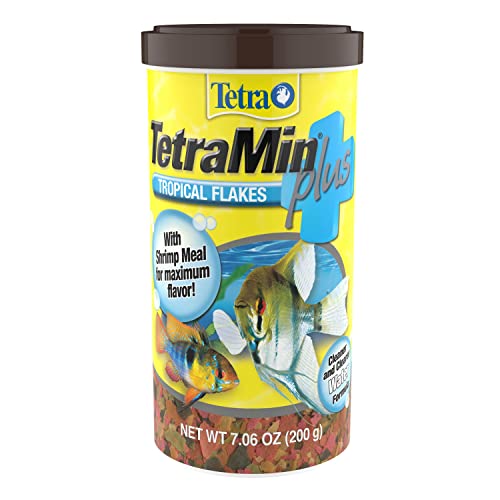
TetraMin Plus Tropical Flakes, Cleaner and Clearer...
Natural shrimp formula
ProCare immune support blend
Clear-water formula
Color enhancing
7.06 oz container
What we like
- Does not cloud water
- Natural shrimp attracts fish
- Large container great value
- Supports immune health
- Fish love the taste
What could be better
- Slight fishy smell when opening
TetraMin Plus Tropical Flakes serve as an excellent staple food for Silver Tip Tetras, providing balanced nutrition with the added benefit of natural shrimp that makes the flakes highly palatable. The ProCare blend supports immune system health, which is particularly important for active fish like Silver Tips that may experience more stress and minor injuries from their boisterous interactions. The clear-water formula ensures that proper feeding amounts do not cloud your aquarium water, maintaining the clean conditions these fish prefer.
The large 7.06-ounce container offers excellent value for maintaining a school of Silver Tips over many months. The flakes are appropriately sized for adult tetras, though you may want to crush them slightly for juvenile fish under one inch in length. The color-enhancing properties of this formula help bring out the coppery-orange coloration in males and the golden hues in females, making your fish look their best under aquarium lighting.

TetraMin Tropical Flakes Fish Food, 7.06 oz
Nutritionally balanced formula
Active Life Formula antioxidants
Clear-water formula
Feed 2-3 times daily
7.06 oz size
What we like
- Excellent value for price
- High quality ingredients
- Fish respond immediately with strong color
- Does not cloud water
What could be better
- Flakes may need crushing for smaller fish
The classic TetraMin Nutritionally Balanced Tropical Flake Food provides another excellent option for Silver Tip Tetra nutrition. The Active Life Formula includes added antioxidants for healthy cell function, select proteins for growth, and prebiotics that support digestion. This comprehensive approach to nutrition addresses the needs of active fish that expend significant energy throughout the day. The feeding instructions recommend offering food two to three times daily, only as much as fish can consume within three minutes, which aligns perfectly with Silver Tip Tetra care requirements.
As the second-best-selling fish food in its category, this product has proven itself through decades of use by aquarists worldwide. The high review count reflects the trust the aquarium community places in this formula. For Silver Tip Tetra keepers, the value proposition is strong, providing months of quality nutrition at a reasonable price point. The balanced nutrition supports both everyday health and the enhanced coloration that makes these fish so attractive in the aquarium.

Hikari Usa Inc AHK21108 fish tropical Micropellets...
Superior nutrition for small fish
Marine and vegetable proteins
Semi-floating slow sinking
Micro-coating prevents clouding
1.58 oz package
What we like
- Perfect size for small fish
- Semi-floating for all tank levels
- Excellent color enhancement
- High quality ingredients
- Prevents water clouding
What could be better
- Pellets swell quickly - use sparingly
- Smaller package than some alternatives
Hikari Micropellets offer a premium alternative to flake foods, providing scientifically proven nutrition specifically formulated for tetras, barbs, and other small tropical fish. The semi-floating nature of these micro-pellets allows them to sink slowly through the water column, making them accessible to fish feeding at all tank levels. This is particularly beneficial for Silver Tip Tetras, which actively swim throughout the aquarium and appreciate food that stays available longer than rapidly sinking pellets or floating flakes alone.
The unique micro-coating virtually eliminates nutrition loss and water clouding, ensuring that the food retains its nutritional value until consumed and does not pollute the water. The balance of krill and spirulina supports the vivid coloration that distinguishes healthy Silver Tip Tetras. For aquarists seeking the best nutrition for their fish, these micropellets represent a step up from basic flake foods, though at a somewhat higher cost per ounce than flake alternatives.

Fluval Bug Bites Tropical Fish Food, 1.6 oz.
40% Black Soldier Fly Larvae
Whole salmon with Omega 3 & 6
Slow sinking 0.7-1mm granules
No artificial fillers
1.6 oz package
What we like
- High quality insect protein
- Perfect size for nano fish
- No artificial preservatives
- Fish show improved color and energy
What could be better
- Some fish may prefer flakes
- Sinks faster than some slow feeders prefer
Fluval Bug Bites Tropical Fish Food represents an innovative approach to fish nutrition, using Black Soldier Fly Larvae as the primary protein source. This sustainable ingredient provides excellent nutrition that mimics the insect-based diet many tropical fish consume in nature. For Silver Tip Tetras, the small granule size (0.7-1mm) is perfect for their mouth size, and the slow-sinking format ensures all fish in the school can feed comfortably. The inclusion of whole salmon provides Omega 3 and 6 fatty acids that support healthy scales and fins.
The absence of artificial fillers, colors, or preservatives makes this an excellent choice for aquarists focused on providing the most natural diet possible. The sustainably processed small batches ensure maximum freshness and quality control. Many aquarists report improved coloration and energy levels in their fish after switching to Bug Bites, and the #8 Best Seller ranking in the aquarium fish food category demonstrates growing recognition of insect-based nutrition benefits.
Suitable Tank Mates
Choosing appropriate tank mates for Silver Tip Tetras requires understanding their active, boisterous nature. While generally peaceful, their constant movement and occasional fin-nipping tendencies make them unsuitable companions for slow-moving, long-finned fish. Ideal tank mates share their activity level and can hold their own without becoming aggressive toward the tetras.
Compatible tetra species include Red Eye Tetra care guide recommendations, which match Silver Tips in size and activity level. Other good choices include most danios, particularly zebra danios and leopard danios, which can outpace the tetras and occupy the same upper water column. Small barbs like cherry barbs and gold barbs also work well, having the energy to keep up with Silver Tips while not being aggressive enough to bully them. Pristella Tetra care guide species also make suitable companions due to their similar size and activity.

Bottom-dwelling species that complement Silver Tips include Corydoras catfish of various species, small loaches like kuhli loaches, and otocinclus catfish. These peaceful bottom dwellers occupy different tank regions and ignore the active tetras above them. Small rasboras, particularly harlequin rasboras, can also work in larger tanks with plenty of space. For a more dramatic community, dwarf cichlids like Flame Tetra guide references or Apistogramma species can coexist, though monitoring is required to ensure the tetras do not harass the cichlids during spawning.
Avoid keeping Silver Tips with slow-moving, long-finned fish like bettas, guppies, angelfish, and fancy goldfish varieties. The tetras may nip at flowing fins, causing stress and injury. Similarly, extremely small shrimp like cherry shrimp may become snacks for adult Silver Tips, though larger amano shrimp typically coexist safely. Large, aggressive fish like cichlids or predatory species should also be avoided, as they may view the small tetras as food or bully them relentlessly.
Silver Tip Tetra Breeding
Breeding Silver Tip Tetras in the home aquarium is achievable with proper setup and attention to their specific spawning requirements. These egg scatterers show no parental care, consuming their own eggs if given the opportunity. Success requires either a dedicated breeding tank or specific techniques to protect eggs and fry in a community setting.

Conditioning breeding pairs involves feeding high-quality live and frozen foods for one to two weeks before attempting to spawn. Males in breeding condition intensify their coppery coloration, while females fill with eggs and appear rounder. Spawning typically occurs in the morning hours among fine-leaved plants like java moss, water sprite, or spawning mops. Some breeders prefer using marbles or a bare bottom with a mesh barrier that allows eggs to fall through where adults cannot reach them.
The breeding tank should be approximately 10-20 gallons with a sponge filter for gentle water movement and to prevent fry from being sucked into filtration. Water parameters should be slightly softer and more acidic than the main tank, around pH 6.5-7.0, with a temperature of 78-80°F. Dim lighting reduces stress and encourages spawning behavior. Introducing the conditioned pair in the evening often results in spawning the following morning.
After spawning, remove the adults immediately to prevent egg predation. Eggs hatch within 24-36 hours, and the fry become free-swimming after another 2-3 days. Initially, they require infusoria, vinegar eels, or commercially available liquid fry food. As they grow, they can transition to newly hatched brine shrimp and eventually crushed flake food. The fry grow quickly under optimal conditions, reaching sellable size within 3-4 months. Regular small water changes maintain water quality without shocking the delicate fry.
Common Diseases and Health Issues
Silver Tip Tetras are generally hardy fish, but they are susceptible to common aquarium diseases when kept in suboptimal conditions. Understanding the signs, causes, and treatments for these ailments helps maintain a healthy school. Prevention through proper water quality, nutrition, and quarantine practices remains the best approach to fish health.
Fin rot and fungal infections are among the most common issues, typically manifesting when water quality declines or when fish experience stress from aggressive tank mates or improper group sizes. Symptoms include ragged or receding fins, white cottony growths on the body or mouth, and lethargy. Treatment involves improving water conditions through increased water changes and using appropriate medications. API FIN & BODY CURE effectively treats bacterial fin rot, while clean water and proper nutrition support natural healing.
Parasitic infections such as ich (white spot disease) appear as small white dots across the body and fins. This highly contagious disease requires prompt treatment of the entire tank, raising temperature gradually to 86°F and using appropriate medications. General Cure from API addresses various parasitic infections including gill and skin flukes that may affect Silver Tips. Always remove activated carbon from filters during medication treatments, as it absorbs medications and renders them ineffective.
"Lockjaw," a condition mentioned by experienced aquarists, causes difficulty in closing the mouth and can result from physical injury during aggressive interactions within the school or from poor water conditions. Maintaining proper group sizes of eight or more fish helps distribute aggression and reduces the risk of individual fish becoming targets. Quarantine new additions for 2-4 weeks prevents introduction of diseases to established tanks. Observe fish daily for changes in behavior, appetite, or appearance to catch problems early.
Recommended Fish Medications

API FIN & BODY CURE Freshwater Fish Powder...
Treats body slime and eye cloud
Fin and tail rot treatment
Hemorrhagic septicemia
10-count powder packets
Freshwater use
What we like
- Effective for fin rot and bacterial infections
- Easy-to-use pre-measured packets
- Saved many fish from severe infections
- Pre-measured doses prevent errors
What could be better
- Water gets pinkish tint during treatment
- May cause temporary surface foam
- Requires dosing calculations for small tanks
API FIN & BODY CURE provides an effective treatment for the bacterial infections commonly affecting Silver Tip Tetras, including fin rot, body slime, and eye cloud conditions. The pre-measured powder packets eliminate dosing errors and make treatment straightforward for aquarists of all experience levels. When used as directed over four days, this medication has proven successful in saving fish from severe bacterial infections that might otherwise prove fatal. The treatment targets the specific gram-negative bacteria responsible for many common aquarium fish diseases.
While the medication causes slight water discoloration that appears pinkish-red, this is normal and temporary. Adding activated carbon after treatment completion removes the color and any remaining medication. For Silver Tip Tetras experiencing fin damage from tank mate aggression or poor water conditions, this medication supports healing while you address the underlying cause. The broad-spectrum effectiveness makes it a valuable addition to any aquarist's medicine cabinet for emergency situations.
Eliminates parasitic fish disease
Gill and skin flukes treatment
Hole-in-the-head and wasting disease
Fresh and saltwater safe
10 powder packets
What we like
- Effective for parasites and internal worms
- Works in both freshwater and saltwater
- Saved fish from severe parasite infections
- Safe for biological filter
- Fish show improvement within 24 hours
What could be better
- Requires 2 doses 48 hours apart
- 10-pack not divisible by 4-day schedule
API General Cure offers comprehensive treatment for parasitic infections that can affect Silver Tip Tetras, including gill flukes, skin flukes, and internal parasites that cause wasting disease or swollen abdomens. The two-dose treatment regimen, administered 48 hours apart, ensures that parasites at various life stages are eliminated. Many aquarists report seeing improvement in their fish's condition within 24 hours of the first dose, making this a fast-acting solution for parasitic problems.
The medication's safety for biological filtration means you can treat affected fish without destroying the beneficial bacteria colony in your filter. This is particularly important for maintaining water quality during treatment when fish are already stressed. The dual-application requirement addresses the life cycle of parasites that might survive a single treatment, ensuring complete eradication rather than temporary suppression of symptoms. For Silver Tip Tetras showing signs of parasite infection, early treatment with General Cure often leads to full recovery.
Frequently Asked Questions
How big do silvertip tetras get?
Are silver tip tetras aggressive?
What fish can go with silver tip tetras?
Are silvertip tetras fin nippers?
Are silver tip tetras hardy?
Are silver tip tetras easy to care for?
What is the lifespan of a Silvertip Tetra?
How often should I feed silver tip tetras?
Conclusion
Silver Tip Tetras offer aquarists a delightful combination of hardiness, personality, and visual appeal that few other small tetra species can match. Their distinctive silver-white fin tips, coppery-orange male coloration, and engaging "finger-following" behavior make them stand out in any community aquarium. When provided with proper care, including a school of at least eight individuals, a minimum 20-gallon tank, and compatible active tank mates, they thrive and display their full range of natural behaviors.
Their adaptability to various water parameters and acceptance of standard aquarium foods make them an excellent choice for both beginners and experienced aquarists. However, their boisterous nature and occasional fin-nipping tendencies require more careful tank mate selection than more docile tetra species. Understanding their need for group living and adequate space prevents the behavioral problems that sometimes give these fish an undeserved reputation for aggression.
If you enjoy active, interactive fish that respond to your presence and maintain constant movement throughout the aquarium, Silver Tip Tetras make an excellent addition to your collection. Captive-bred specimens are readily available from reputable aquarium stores and online vendors. For those seeking a larger tetra with similar activity levels, consider exploring Congo Tetra care guides for a more dramatic alternative. Whatever your experience level, Silver Tip Tetras provide years of enjoyment when their straightforward care requirements are met.