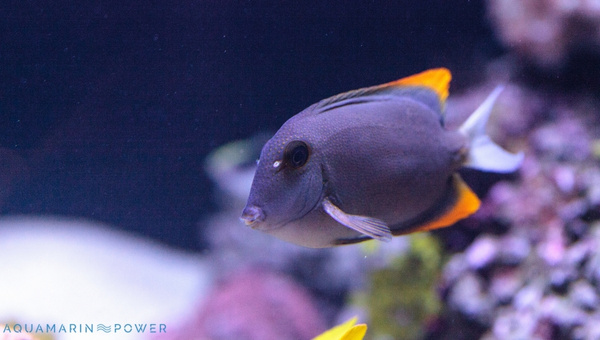
Tomini Tang, scientifically known as Ctenochaetus tominiensis, is a captivating marine surgeonfish that has become a favorite among saltwater aquarium enthusiasts. Also called the Flame Fin Tang, Bristletooth Tomini Tang, and Orange Tip Bristletooth, this species brings both beauty and functionality to reef aquariums with its unique appearance and excellent algae-grazing abilities.
Native to the Indo-Pacific region stretching from the Great Barrier Reef to the Tonga Islands, these fish have adapted to life on coral reefs where they constantly graze on filamentous algae and detrital material. Their specialized bristle teeth allow them to efficiently remove unwanted algae growth, making them valuable additions to marine aquariums struggling with hair algae issues.
This comprehensive Tomini Tang care guide covers everything you need to know about housing, feeding, and maintaining these beautiful surgeonfish in your marine aquarium. Whether you are a beginner looking for your first tang or an experienced reefer adding to your collection, this guide will help you provide the best care for Ctenochaetus tominiensis throughout its lifespan.
Table of Contents
- Species Summary
- Tomini Tang Care
- Tank Size
- Water Parameters
- Filtration
- Heating
- Lighting
- Live Rock and Grazing Surfaces
- Water Conditioners
- Aquarium Bacteria
- Substrate
- Decorations
- Water Changes
- Testing The Water
- Acclimation and Quarantine
- Common Possible Diseases
- Preventing Diseases
- HLLE Prevention
- Tomini Tang Diet
- Hair Algae Control
- Diet Foods To Avoid
- Feeding Schedule
- Reef Compatibility
- Tomini Tang Tank Mates
- Comparing to Kole Tang
- Fish To Avoid
- Advantages Of Having Tomini Tang In Your Tank
- Disadvantages Of Having Tomini Tang In Your Tank
- Frequently Asked Questions
- Wrapping Up
Species Summary
| Scientific name: | Ctenochaetus tominiensis |
| Other names: | Flame Fin Tang, Bristletooth Tomini Tang, Tomini Surgeonfish, Orange Tip Bristletooth |
| Family: | Acanthuridae (Surgeonfishes) |
| Size: | Up to 6 inches (15 cm) |
| Life expectancy: | 5-10 years with proper care |
| Habitat: | Indo-Pacific reefs, lagoons, and outer reef slopes |
| Behavior: | Peaceful but territorial with other tangs |
| Tank size: | Minimum 70 gallons recommended (55 gallons absolute minimum) |
| pH range: | 8.1-8.4 |
| Temperature range: | 75°-80°F (24°-27°C) |
| Water type: | Marine saltwater |
| Salinity: | 1.020-1.025 specific gravity |
| Water hardness: | 8-12 dKH |
| Activity Level: | Moderate to high |
| Sociability: | Social but establishes pecking order |
| Care level: | Easy to Moderate |
| Breeding: | Not bred in captivity; wild caught |
| Diet: | Herbivore/detritivore (primary algae grazer) |
The Tomini Tang belongs to the Ctenochaetus genus, commonly referred to as bristletooth tangs, which contains approximately 38 recognized species. These surgeonfish are distinguished from other tangs by their specialized mouths equipped with comb-like teeth designed for scraping algae from rocks and glass surfaces.
Current market prices for Tomini Tangs range from $60 to $250 depending on size, coloration, and source. Juvenile specimens typically cost less than adults showing full coloration. Purchasing from reputable marine livestock dealers who practice proper quarantine protocols is essential, as these fish are known to be susceptible to ich and other parasitic infections when stressed from shipping.
Tomini Tang Appearance
Adult Tomini Tangs display an elegant body shape typical of the surgeonfish family, featuring an oval compressed body that facilitates quick maneuvering around reef structures. Their base coloration ranges from brown to dark tan, accented by distinctive yellow highlights along the dorsal fin edges and face.
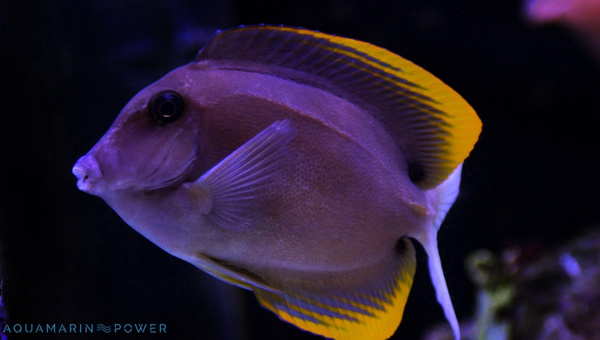
The most striking feature of adult Tomini Tangs is their brilliant caudal fin. The tail displays a clean white base color with vibrant blue margins, creating a flame-like appearance that gives rise to their alternative name, Flame Fin Tang. A yellow stripe often runs through the eye area, and the pectoral and pelvic fins may show blue edging.
Like all surgeonfish, Tomini Tangs possess a sharp scalpel spine located on each side of the caudal peduncle (the narrow area just before the tail fin). These defensive weapons can cause serious injury to other fish during territorial disputes and can even harm aquarists during handling. Exercise caution when netting or transferring these fish.
Males and females appear visually identical, with no reliable external characteristics for sex determination. The specialized bristle teeth that define this genus are located inside the mouth and appear as numerous fine, comb-like projections that efficiently scrape algae from surfaces.
Juvenile vs Adult Color Changes
One of the most fascinating aspects of Tomini Tang development is their dramatic color transformation from juvenile to adult stages. Juvenile specimens display a completely different appearance than mature adults, often leading to confusion among aquarists.
Young Tomini Tangs exhibit a lighter tan or yellowish-brown base coloration with more prominent yellow highlights across the body. Their dorsal fin shows bright yellow-orange tips, giving rise to the "Orange Tip Bristletooth" common name. The tail fin in juveniles lacks the distinctive white and blue coloration seen in adults, appearing more uniformly colored.
As the fish matures over approximately 12 months, the body darkens to deeper brown tones. The yellow dorsal highlights become more defined edges rather than solid coloration. Most dramatically, the caudal fin undergoes a complete transformation, developing the characteristic white base with brilliant blue margins that create the signature "flame fin" look.
This color change process occurs gradually and may appear uneven during transition periods. Stress, poor nutrition, or inadequate lighting can delay or disrupt normal color development. Maintaining stable water conditions and providing a vegetable-rich diet helps ensure your Tomini Tang develops its full adult coloration.
Tomini Tang Size & Growth Rate
Tomini Tangs reach a maximum adult size of approximately 6 inches (15 cm) in length, making them one of the smaller tang species available in the marine aquarium trade. This modest size contributes to their popularity among aquarists with medium-sized reef tanks.
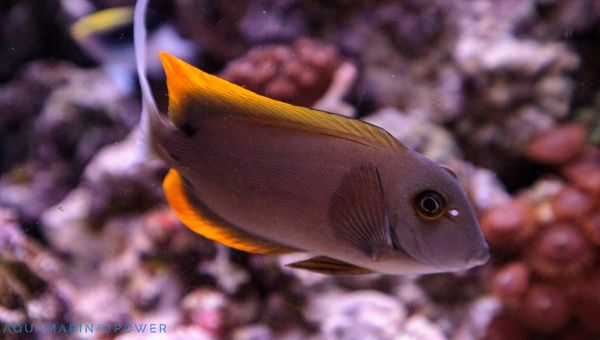
Growth rate varies depending on diet quality, tank size, and water parameters. Juveniles purchased at 2-3 inches typically reach adult size within 12-18 months when provided optimal conditions. Growth may slow significantly if the fish is kept in tanks at the minimum recommended size or fed inadequate diets lacking vegetable matter.
Despite their smaller maximum size compared to tangs like the Sohal Tang or Kole Tang, Tomini Tangs remain active swimmers requiring substantial swimming space. Their size makes them suitable for 70-gallon and larger aquariums, though experienced aquarists have successfully maintained them in well-managed 55-gallon setups.
Tomini Tang Lifespan
With proper care and optimal water conditions, Tomini Tangs typically live 5 to 10 years in captivity. The wide range reflects differences in aquarium maintenance quality, diet, and disease prevention protocols.
Fish that receive excellent nutrition including daily vegetable matter supplementation, stable water parameters, and proper quarantine protocols when first acquired tend toward the longer end of the lifespan spectrum. Conversely, specimens that experience ich outbreaks, HLLE (Head and Lateral Line Erosion), or chronic stress often have reduced lifespans.
In the wild, Tomini Tangs may live longer due to constant access to natural grazing surfaces and open swimming areas. Captive aquarists should aim to replicate these conditions through large tanks with abundant live rock for grazing and stable, high-quality water parameters.
Tomini Tang Behavior & Temperament
Tomini Tangs display generally peaceful behavior toward non-similar fish, making them suitable for community reef aquariums. They spend their days actively swimming and grazing on available surfaces, constantly searching for algae and detrital material to consume.
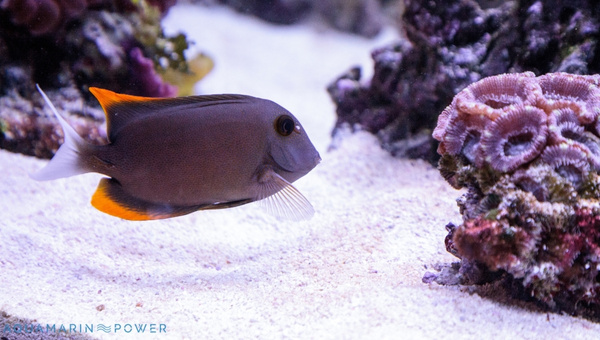
Within the aquarium, these fish establish a clear pecking order, particularly when kept with other surgeonfish or tangs. This hierarchical behavior often leads to "tang police" situations where established tangs harass newcomers. To minimize aggression, introduce the Tomini Tang as the first tang or simultaneously with other tang species in a new tank setup.
While generally peaceful, Tomini Tangs can become territorial toward fish with similar body shapes or color patterns. They may also develop aggressive tendencies toward newly added tank mates, particularly other algae-eating fish they perceive as competition for food resources. Providing abundant live rock and ensuring all fish receive adequate nutrition helps reduce territorial behavior.
These fish are active swimmers that utilize the entire water column but prefer staying close to reef structure. They rarely hide for extended periods once established, instead maintaining constant movement as they graze. This active behavior makes them excellent additions to larger display tanks where their movement and coloration can be fully appreciated.
Compatibility with Other Tangs
The question of keeping multiple tangs together generates significant debate in reef-keeping forums, often called the "tang police" arguments. Tomini Tangs can coexist with other surgeonfish in larger aquariums, but success requires careful planning and adequate space.
For multiple tang compatibility, aquariums should provide at least 6 feet of swimming length and abundant rockwork to break sightlines. When adding a Tomini Tang to an established tank containing other surgeonfish, rearrange rockwork before introduction to disrupt existing territories. Adding multiple tangs simultaneously rather than individually reduces aggression.
Tomini Tangs generally mix well with less aggressive tang species such as Kole Tangs, Convict Tangs, and Yellow Tangs in appropriately sized systems. Avoid housing them with highly aggressive species like the Sohal Tang or Achilles Tang, which will likely dominate and stress the more peaceful Tomini.
Monitor all new introductions carefully for the first several weeks. Signs of excessive aggression include torn fins, reduced appetite, or hiding behavior. Be prepared to separate fish if aggression becomes life-threatening.
Tomini Tang Breeding
Tomini Tangs have not been successfully bred in captivity for the aquarium trade. All specimens available for purchase are wild-caught from their natural Indo-Pacific reef habitats. This reality makes proper quarantine protocols absolutely essential, as wild-caught fish frequently carry parasites including ich and marine velvet.
In their natural environment, Tomini Tangs function as broadcast spawners that release eggs and sperm into the water column during group spawning events. Spawning typically occurs during evening hours in deeper reef areas. The pelagic eggs drift with currents before hatching into larvae that undergo a planktonic stage lasting several weeks.
The breeding challenge in captivity involves replicating the vast water volume, specific spawning triggers, and extended larval rearing conditions needed for successful development. Until commercial breeding programs develop reliable protocols, aquarists should focus on sustainable collection practices by purchasing from dealers who support reef conservation and practice responsible collection methods.
Tomini Tang Care
Proper Tomini Tang care requires understanding their marine habitat needs and natural behaviors. As saltwater fish native to coral reef environments, they demand stable water parameters, appropriate marine aquarium equipment, and specialized nutrition that differs significantly from freshwater fish care.
Success with Ctenochaetus tominiensis depends on creating an environment that mimics their natural reef habitat while providing the specific dietary components these herbivores need to thrive. The following sections detail every aspect of creating a healthy home for your Tomini Tang.
Tank Size
The minimum tank size for Tomini Tangs generates considerable debate among aquarists. While some sources suggest 55 gallons as an absolute minimum, the consensus among experienced reef keepers points toward 70 gallons or larger for long-term success. This larger volume provides adequate swimming space and helps maintain stable water parameters crucial for sensitive marine fish.
For a single Tomini Tang, plan for a minimum aquarium length of 4 feet regardless of total volume. These active swimmers need horizontal swimming space to exhibit natural behaviors and maintain good health. Tanks smaller than 4 feet in length often result in stunted growth, increased aggression, or premature death.
If you plan to keep multiple tangs or maintain a community reef tank with other active swimmers, increase the minimum size to 100 gallons or more with at least 5-6 feet of horizontal space. The 55-gallon recommendation only applies to dedicated species tanks with exceptional maintenance practices and should be considered expert-level territory.
Beyond volume and dimensions, tank shape matters. Standard rectangular tanks provide better swimming corridors than cube or column-style aquariums. The footprint (length x width) matters more than total height for these fish, as they primarily swim horizontally rather than vertically.
Water Parameters
Maintaining stable marine water parameters proves essential for Tomini Tang health. These fish originate from stable reef environments and react poorly to fluctuations in temperature, salinity, or chemistry. Target the following parameters for optimal health:
Temperature should remain between 75-80°F (24-27°C) with minimal fluctuation. Use a reliable heater and monitor temperature during summer months when ambient heat can cause dangerous spikes. Sudden temperature changes stress the fish and compromise their immune systems.
Salinity levels between 1.020-1.025 specific gravity match natural reef conditions. While Tomini Tangs tolerate brief dips to 1.018 during treatment protocols, maintain normal marine salinity for long-term housing. Regular testing with a refractometer ensures accuracy.
pH should range from 8.1-8.4, representing the alkaline conditions of coral reef habitats. Monitor pH during lighting cycles, as photosynthesis can cause daily fluctuations. Alkalinity levels of 8-12 dKH help buffer pH and support overall water chemistry stability.
Ammonia and nitrite must remain at zero at all times. Even brief spikes prove toxic to marine fish. Nitrate levels should stay below 20 ppm, with lower being better. Regular water changes and proper filtration keep these parameters in check.
Filtration
Marine aquarium filtration for Tomini Tangs must handle the bioload of an active, moderately sized fish while maintaining the pristine water quality required for long-term health. A combination of mechanical, biological, and chemical filtration works best.
Canister filters provide excellent mechanical filtration, removing particulate matter and debris before it breaks down into ammonia. Choose a model rated for at least twice your tank volume to ensure adequate flow rates. Clean canisters regularly to prevent them from becoming nitrate factories.
Protein skimmers represent essential equipment for marine tanks housing surgeonfish. These devices remove dissolved organic compounds before they enter the nitrogen cycle, significantly improving water quality. Invest in a quality skimmer rated appropriately for your tank size.
Biological filtration occurs through live rock, which serves dual purposes as both filtration media and grazing surface for your Tomini Tang. Aim for 1-2 pounds of live rock per gallon of tank volume. The porous structure houses beneficial bacteria while the surface provides natural algae growth for grazing.
Water flow should be moderate to strong, mimicking reef conditions without creating overwhelming turbulence. Use powerheads or return pumps to achieve 10-20 times turnover per hour. Multiple flow sources create random flow patterns that encourage natural swimming behaviors.
Heating
Maintaining stable water temperature between 75-80°F requires reliable heating equipment sized appropriately for your aquarium. For Tomini Tang tanks, choose heaters from reputable manufacturers known for marine aquarium applications.
Aqueon Pro heaters and Cobalt Aquatics Neo-Therm heaters both offer reliable temperature control with accurate thermostats. Select a wattage providing 3-5 watts per gallon of tank volume. Larger tanks may require multiple heaters distributed throughout the system to prevent cold spots.
Always use a heater guard or place heaters in sumps rather than display tanks to prevent accidental scalpel spine contact. Tomini Tangs may strike at foreign objects in their territory, and a damaged heater can deliver electrical shocks or cause temperature crashes.
Redundant heating systems provide insurance against equipment failure. Consider a backup heater or temperature controller with alarms to alert you to dangerous fluctuations. Temperature swings of more than 2-3 degrees stress marine fish and can trigger disease outbreaks.
Lighting
Tomini Tangs do not require specialized lighting for their health, but your lighting choices affect the overall reef ecosystem if you keep corals or macroalgae. These fish appreciate a normal day-night cycle that mimics natural reef lighting patterns.
For reef tanks containing corals alongside your Tomini Tang, LED lighting systems provide energy-efficient illumination with adjustable spectrums. Options from AI Hydra, Ecotech Radion, or similar manufacturers allow programming natural lighting ramps that gradually increase and decrease intensity.
Lighting duration of 8-12 hours daily supports natural behaviors. Sudden on/off cycles startle fish; use gradual ramping features available on modern LED fixtures. Moonlight settings provide dim nocturnal illumination that allows you to observe nighttime behaviors without disturbing sleep cycles.
If your tank includes macroalgae for nutrient export or natural grazing opportunities, ensure lighting supports photosynthesis. Full spectrum LEDs or specialized grow lights promote healthy algae growth that your Tomini Tang can consume between feedings.
Live Rock and Grazing Surfaces
Live rock serves as the foundation of a healthy Tomini Tang habitat. Unlike freshwater planted tanks, marine aquariums for surgeonfish focus on cured live rock that provides biological filtration and natural grazing opportunities.
Quality live rock contains beneficial bacteria, tiny invertebrates, and establishing algae films that serve as natural food sources. Tomini Tangs constantly graze these surfaces, consuming filamentous algae, diatoms, and detrital material between formal feedings. This natural foraging behavior supports both physical and mental health.
Aim for 1-2 pounds of live rock per gallon of water, arranged to create caves and hiding spots while maintaining open swimming areas. The rockwork should allow the fish to establish territories while providing escape routes from potential aggression.
Over time, your Tomini Tang will clean the rock surfaces of desirable algae. Supplement this natural grazing by periodically adding fresh live rock rubble or establishing macroalgae refugiums connected to the main tank. These additions provide fresh grazing opportunities and help control nutrient levels.
Water Conditioners
Marine water conditioners help maintain the specific chemistry requirements of saltwater aquariums housing Tomini Tangs. These products address the unique challenges of keeping reef fish in closed systems.
Seachem Prime serves multiple functions in marine tanks, removing chlorine and chloramines from tap water used for salt mix while binding ammonia and nitrite during emergency situations. Though primarily marketed for freshwater, Prime works effectively in marine systems at the appropriate dosing.
Kent Marine Superbuffer-dKH maintains stable pH and alkalinity, crucial parameters for marine fish health. Regular supplementation prevents pH crashes that commonly occur in heavily stocked or poorly maintained aquariums.
When performing water changes, ensure new saltwater matches the existing tank temperature and salinity precisely. Sudden parameter changes during maintenance stress fish and can trigger disease outbreaks. Mix saltwater 24 hours in advance to ensure complete dissolution and parameter stability.
Aquarium Bacteria
Beneficial bacteria colonies process nitrogenous waste in marine aquariums, converting toxic ammonia to nitrite and then to relatively harmless nitrate. Establishing and maintaining these bacterial populations proves essential for Tomini Tang health.
Seachem Stability introduces beneficial bacteria to new tanks or supplements existing colonies after water changes or filter maintenance. This product helps cycle new aquariums faster and prevents mini-cycles that can harm fish.
Live rock provides the primary biological filtration surface in reef tanks. The porous structure houses denitrifying bacteria deep within the rock that complete the nitrogen cycle by converting nitrate to nitrogen gas. Maintain adequate rock quantities to support your bioload.
Avoid over-cleaning filtration media, as this removes beneficial bacteria. Rinse mechanical filters in old tank water rather than tap water to preserve bacterial colonies. Never replace all filter media simultaneously; stagger changes to maintain bacterial populations.
Substrate
Substrate choice for Tomini Tang aquariums matters less than for many other fish types, as these surgeonfish spend most of their time swimming and grazing on rock surfaces rather than interacting with the bottom. However, appropriate substrate supports overall tank health and aesthetics.
Aragonite sand provides the ideal substrate for marine reef aquariums. This calcium-based sand helps buffer pH and maintain alkalinity while providing a natural appearance. Choose grain sizes between 1-3mm for optimal detritus management and sand-sifting creature compatibility.
A sand bed depth of 1-2 inches provides aesthetic benefits without creating dangerous anaerobic zones. Deep sand beds can develop pockets of toxic hydrogen sulfide if not properly maintained. Tomini Tangs do not require specific substrate types, focusing their activity on the water column and rockwork.
Some aquarists choose bare bottom tanks for ease of maintenance and maximum water flow. While functionally acceptable for the fish, bare tanks lack natural aesthetics and require careful management of detritus that would normally settle in substrate.
Decorations
Decorative elements in Tomini Tang aquariums should focus on creating natural reef environments while providing functional hiding spots and territorial boundaries. Unlike freshwater tanks with plastic decorations, marine tanks benefit from natural materials.
Live rock forms the primary decorative and functional element, creating caves and crevices where fish can retreat when stressed. Arrange rockwork to create multiple hiding spots throughout the tank, preventing a single dominant fish from controlling all territories.
Clean reef-safe base rock provides additional structure without introducing unwanted pests. Dry rock can be seeded with bacteria and coralline algae over time, eventually functioning similarly to live rock. This approach avoids common live rock pests while still providing grazing surfaces.
Avoid sharp decorations that could damage fins or cause injury during the active swimming these fish engage in. The surgeonfish scalpel spines can also become caught in narrow crevices, so ensure all hiding spots have multiple exits.
Water Changes
Regular water changes maintain water quality in Tomini Tang aquariums by removing accumulated nitrates, replenishing trace elements, and maintaining stable parameters. Marine fish require consistent water quality that only regular maintenance can provide.
Perform 10-20% water changes weekly for tanks with normal stocking levels. Increase frequency or volume for heavily stocked aquariums or systems with high bioloads. Use this maintenance time to siphon detritus from the substrate and clean visible algae from glass surfaces.
Prepare replacement saltwater 24 hours in advance using quality synthetic sea salt mixed with reverse osmosis or dechlorinated tap water. Match temperature and salinity precisely to the existing tank water before adding. Sudden parameter changes stress fish and can trigger disease.
Test parameters before and after water changes to track trends and catch problems early. Monitor salinity, pH, and temperature of both tank and replacement water. Keep detailed logs to identify patterns that might indicate equipment problems.
Testing The Water
Consistent water testing prevents problems before they harm your Tomini Tang. These sensitive fish show stress quickly when parameters drift outside acceptable ranges. Invest in quality test kits and establish a regular testing schedule.
Test ammonia, nitrite, and nitrate weekly using liquid test kits rather than strips for accuracy. Ammonia and nitrite should always read zero. Nitrate should stay below 20 ppm. Higher readings indicate inadequate filtration or insufficient water changes.
Monitor pH and alkalinity regularly, as these parameters indicate system stability. Test calcium and magnesium levels monthly if keeping corals alongside your tang. Salinity checks with a refractometer should occur weekly, as evaporation concentrates salt levels.
Keep a log book of all test results to track trends over time. Gradual parameter shifts often precede visible fish health problems. Early detection allows corrective action before serious issues develop.
Acclimation and Quarantine
Proper acclimation and quarantine protocols prove essential for Tomini Tang success. As wild-caught fish frequently carrying parasites, rushing the introduction process commonly leads to disease outbreaks that threaten the entire aquarium.
Quarantine all new Tomini Tangs in a separate tank for 4-6 weeks before introducing them to your display aquarium. This observation period allows you to detect and treat any diseases without risking your established livestock. Quarantine tanks should provide at least 20 gallons with basic filtration and hiding spots.
Drip acclimation represents the safest method for introducing Tomini Tangs to new water parameters. Float the sealed bag in the destination tank for 15 minutes to equalize temperature. Then set up a drip line using airline tubing with a knot or valve to regulate flow, slowly adding tank water to the bag over 45-60 minutes.
When adding to the main tank, introduce Tomini Tangs after other fish have established territories, or simultaneously with all tangs to prevent severe pecking order aggression. Rearranging rockwork before introduction disrupts existing territories and reduces aggression.
Common Possible Diseases
Tomini Tangs face several health challenges in captivity, with certain diseases appearing more frequently in this species than in other marine fish. Understanding these conditions helps you recognize problems early and take appropriate action.
Ich (Cryptocaryon irritans) represents the most common threat to Tomini Tangs. These fish are frequently called "ich magnets" by experienced aquarists due to their susceptibility to this parasitic infection. Symptoms include white spots resembling grains of salt, rapid breathing, and rubbing against surfaces. Without prompt treatment, ich proves fatal.
Marine velvet (Amyloodinium ocellatum) causes similar but more rapidly progressing symptoms. Affected fish display a fine yellow or rust-colored dusting rather than distinct spots. Velvet destroys gill tissue and typically kills fish within days without aggressive treatment.
Head and Lateral Line Erosion (HLLE) particularly affects surgeonfish including Tomini Tangs. This condition causes pits and erosion along the lateral line and head region, believed to result from nutritional deficiencies and poor water quality. Prevention through excellent diet and water conditions proves far more effective than treatment after symptoms appear.
Fin rot, caused by bacterial infections, results in deteriorating fin tissue that appears ragged or discolored. This condition typically follows physical damage or environmental stress that compromises the immune system. Improved water quality and antibiotic treatments address the underlying causes.
Preventing Diseases
Disease prevention in Tomini Tangs relies on proactive management rather than reactive treatment. The stress of disease treatment often proves as harmful as the disease itself, making prevention protocols essential for long-term success.
Strict quarantine of all new fish prevents introduction of parasites to established tanks. The 4-6 week observation period in a separate system allows you to detect and treat diseases without risking your display aquarium inhabitants. This practice alone prevents the majority of disease outbreaks in home aquariums.
Maintaining pristine water quality through regular maintenance, adequate filtration, and proper feeding reduces stress that weakens immune systems. Stable parameters prevent the environmental stress that makes fish susceptible to infections they might otherwise resist.
Proper nutrition specifically formulated for herbivorous marine fish prevents HLLE and supports immune function. Include vitamin supplements and ensure vegetable matter comprises the majority of the diet. Malnourished fish show dramatically increased disease susceptibility.
HLLE Prevention
Head and Lateral Line Erosion prevention deserves special attention for Tomini Tang keepers. This disfiguring condition causes permanent scarring along the sensory lateral line system and represents a preventable condition through proper care.
Research suggests HLLE results from nutritional deficiencies, particularly insufficient vitamin C and other antioxidants combined with poor water quality. Carbon dust from activated carbon filtration has also been implicated in some cases. Addressing these factors prevents the condition from developing.
Feed a varied diet rich in vegetable matter including nori, quality algae-based pellets, and frozen preparations designed for herbivores. Supplement with vitamin C and other additives designed for marine fish. Garlic-enhanced foods may increase palatability and provide additional immune support.
Maintain excellent water quality with minimal dissolved organics. Use effective protein skimming and avoid overusing activated carbon that may leach compounds contributing to HLLE. Regular water changes remove accumulated substances that might contribute to the condition.
Tomini Tang Diet
Tomini Tangs are primarily herbivores that require a diet rich in vegetable matter to maintain health and prevent nutritional deficiencies. Their specialized bristle teeth evolved specifically for grazing algae from reef surfaces, and captive diets must replicate this natural feeding pattern.
In their natural Indo-Pacific reef habitat, these fish consume filamentous algae, diatoms, and detrital material scraped from rocks and coral surfaces. This constant grazing provides both nutrition and the roughage needed for proper digestive function. Captive diets must provide similar grazing opportunities and nutritional composition.
The foundation of a healthy Tomini Tang diet consists of dried seaweed (nori) offered via veggie clips or rubber-banded to rocks. High-quality nori sheets designed for human consumption or marine fish specifically provide essential nutrients unavailable in prepared foods alone. Offer nori daily, replacing it once consumed or after 24 hours.
Supplement nori with algae-based pellets and flakes formulated for herbivorous marine fish. Brands containing spirulina and other marine algae provide balanced nutrition. Frozen preparations containing marine algae and vegetable matter offer variety and encourage natural foraging behaviors.
While primarily herbivores, Tomini Tangs benefit from occasional protein offerings. Mysis shrimp, brine shrimp, and other frozen preparations provide variety and ensure complete nutrition. However, animal protein should comprise less than 20% of the total diet to prevent digestive issues and fatty liver disease common in overfed surgeonfish.
Hair Algae Control
One of the most valued attributes of Tomini Tangs is their appetite for filamentous algae, commonly called hair algae. This problematic algae plagues many reef tanks, and Tomini Tangs provide biological control that complements manual removal and nutrient management.
Healthy Tomini Tangs constantly graze rock surfaces, glass, and equipment, removing developing algae before it becomes problematic. Their specialized mouths allow them to crop algae closely without damaging coral tissue, making them safe for reef aquariums unlike some less discriminating algae eaters.
However, do not rely solely on Tomini Tangs for algae control. Address the underlying nutrient issues (excess nitrates and phosphates) that fuel algae growth through proper feeding practices, adequate filtration, and regular water changes. A well-fed Tomini Tang in a low-nutrient tank maintains algae at manageable levels.
Note that newly acquired specimens may ignore hair algae initially while adjusting to captivity. Offer supplemental nori during this transition period. Once established, most Tomini Tangs eagerly consume hair algae along with their prepared foods.
Diet Foods To Avoid
Certain foods harm Tomini Tang health or create water quality problems in marine aquariums. Understanding these dietary restrictions prevents common feeding mistakes that compromise fish health.
Avoid meat-based foods designed for carnivorous fish. Beef heart, poultry, and fatty meat products cause digestive problems in herbivorous surgeonfish and rapidly foul water quality. These foods lack the nutrients tangs require and contain fats they cannot properly metabolize.
Feeding only prepared flakes or pellets without vegetable supplementation leads to HLLE and other nutritional deficiencies. Even high-quality prepared foods cannot replace the diverse algae and vegetable matter these fish evolved to consume. Supplement all prepared diets with fresh nori and frozen vegetable preparations.
Fresh vegetables from the grocery store offer limited value. While some aquarists offer blanched spinach or lettuce, these freshwater plants lack the specific nutritional profile of marine algae. Focus on marine-sourced foods including nori, spirulina, and algae-based preparations designed for saltwater fish.
Feeding Schedule
Tomini Tangs thrive on multiple small feedings daily rather than single large meals. In nature, they graze continuously throughout daylight hours. Replicating this pattern in captivity supports optimal health and reduces aggression by keeping fish occupied.
Offer nori or vegetable matter twice daily, morning and evening. Leave nori in the tank for several hours to allow continuous grazing. Remove any uneaten portions after 24 hours to prevent decomposition that affects water quality.
Supplement vegetable feedings with small amounts of prepared foods or frozen preparations once daily. Target feeding amounts that fish consume within 2-3 minutes. Overfeeding creates water quality problems and contributes to obesity-related health issues common in overfed surgeonfish.
Observe feeding behavior to assess fish health. A healthy Tomini Tang actively grazes throughout the day and eagerly accepts offered foods. Reduced appetite indicates stress, disease, or water quality problems requiring immediate investigation.
Reef Compatibility
Tomini Tangs rank among the most reef-safe surgeonfish available to aquarists. Their herbivorous diet and feeding behavior make them ideal inhabitants for coral reef aquariums, as they do not prey upon corals, clams, or other desirable invertebrates.
These fish ignore sessile invertebrates including corals, sea anemones, and clams. They may accidentally disturb loose frags while grazing but do not intentionally damage coral tissue. Their constant algae grazing actually benefits corals by removing competitive algae that might otherwise overgrow coral skeletons.
Small ornamental shrimp and crabs generally remain safe with Tomini Tangs. However, very small shrimp may occasionally be consumed if the fish mistakes them for food. Larger ornamental shrimp including cleaner shrimp and peppermint shrimp coexist safely.
One consideration for reef tanks involves water flow requirements. Tomini Tangs appreciate moderate to strong flow that some corals may not tolerate. Position corals in lower-flow areas while maintaining swimming corridors with adequate current for your tang.
Tomini Tang Tank Mates
Tomini Tangs generally coexist peacefully with appropriate marine tank mates in community reef aquariums. Their peaceful nature toward non-similar fish makes them suitable for mixed communities when proper stocking guidelines are followed.
Excellent tank mate choices include peaceful community fish such as clownfish, wrasses, gobies, and blennies. These species occupy different ecological niches and do not trigger territorial responses from Tomini Tangs. Chromis and anthias also make suitable companions in larger systems.
Dwarf angelfish from the Centropyge genus can work in larger tanks with abundant rockwork. However, monitor these combinations carefully as both species graze rock surfaces and may compete for food resources. Ensure adequate feeding to prevent aggression.
Peaceful bottom-dwelling fish including dartfish, tilefish, and certain gobies occupy different tank regions and rarely interact with mid-water swimming tangs. These combinations create visually interesting community displays with diverse behaviors.
Comparing to Kole Tang
Many aquarists debate between adding a Tomini Tang or Kole Tang (Ctenochaetus strigosus) to their aquarium. These closely related bristletooth tangs share many characteristics but show distinct differences worth considering.
Kole Tangs, also called Yellow Eye Tang or Yellow Eye Surgeonfish, grow slightly larger than Tomini Tangs, reaching 7 inches compared to the Tomini's 6-inch maximum. Both species share similar care requirements, diet preferences, and general temperament, making them nearly interchangeable in terms of tank size and compatibility.
Coloration represents the primary distinguishing factor. Kole Tangs display more uniform brown coloration with distinctive yellow rings around the eyes. Tomini Tangs show more dramatic color variation with their striking white and blue caudal fin. Personal aesthetic preference often drives the selection between these two excellent aquarium species.
Some experienced aquarists successfully keep both species together in large tanks, as their similar ecological niches rarely create severe territorial disputes when adequate space and food are provided. The two species often school loosely together, creating an attractive display of slightly different color patterns.
Fish To Avoid
Certain fish create compatibility problems with Tomini Tangs and should be avoided in community aquariums. Understanding these incompatibilities prevents costly mistakes and livestock losses.
Aggressive surgeonfish including Sohal Tangs, Clown Tangs, and Achilles Tangs frequently dominate and harass the more peaceful Tomini Tang. These aggressive species establish large territories and relentlessly pursue less dominant tank mates until stress-induced disease or physical injury results.
Large predatory fish pose obvious threats. Groupers, lionfish, eels, and large triggers may consume Tomini Tangs, particularly when the tang is newly introduced and still adjusting. Even if not immediately consumed, the constant threat from predators creates chronic stress that compromises health.
Highly aggressive angelfish including large Pomacanthus species often attack tangs. While dwarf angels sometimes work in large tanks, the larger angelfish species should be avoided. Their similar body shapes trigger territorial responses that lead to ongoing aggression.
Never attempt to keep Tomini Tangs with freshwater fish. These are strictly marine species requiring saltwater conditions. Any recommendations suggesting otherwise represent fundamental errors that would prove fatal to both the tang and any freshwater species involved.
Advantages Of Having Tomini Tang In Your Tank
Adding a Tomini Tang to your marine aquarium provides multiple benefits beyond their attractive appearance. Understanding these advantages helps aquarists appreciate the full value these fish contribute to reef ecosystems.
The primary advantage involves algae control. Tomini Tangs constantly graze surfaces, consuming developing hair algae and diatom blooms before they become problematic. This biological control reduces maintenance requirements and supports coral health by removing competitive algae.
Their reef-safe nature allows worry-free inclusion in coral-dominated displays. Unlike some algae-eating fish that nip coral polyps or attack ornamental invertebrates, Tomini Tangs ignore desirable tank inhabitants while targeting nuisance algae. This makes them ideal for sensitive reef aquascapes.
Tomini Tangs add movement and visual interest to aquariums. Their active swimming and bright coloration draw the eye and create dynamic displays. The white and blue flame fin provides a striking contrast against typical reef backgrounds, serving as a focal point in aquascape design.
Their manageable size suits medium to large reef tanks without the massive tank requirements of larger surgeonfish. At 6 inches maximum, they provide tang beauty and behavior in systems as small as 70 gallons, making quality surgeonfish accessible to aquarists without room for 200+ gallon displays.
Disadvantages Of Having Tomini Tang In Your Tank
Despite their many advantages, Tomini Tangs present certain challenges that aquarists must consider before purchase. Understanding these limitations ensures realistic expectations and proper preparation.
Disease susceptibility represents the most significant concern. Their reputation as "ich magnets" reflects real vulnerability to parasitic infections, particularly when stressed from shipping or poor water conditions. Quarantine requirements add expense and delay before adding them to display tanks.
Specialized dietary needs demand commitment to vegetable feeding and nori supplementation. Aquarists unwilling to provide proper herbivore nutrition will eventually face HLLE and other deficiency diseases. The ongoing cost and effort of proper feeding exceeds that required for generalist carnivores.
Territorial behavior toward other tangs limits stocking options in smaller tanks. The "tang police" pecking order dynamics can create stress and aggression issues when mixing surgeonfish species. Successful multi-tang aquariums require large tanks with careful introduction protocols.
Wild-caught sourcing raises sustainability concerns for environmentally conscious aquarists. Unlike clownfish or other commonly captive-bred species, all Tomini Tangs come from wild reef populations. Responsible aquarists should purchase from dealers supporting sustainable collection practices and reef conservation efforts.
Frequently Asked Questions
How big do Tomini Tang get?
Tomini Tangs reach a maximum adult size of approximately 6 inches (15 cm) in length. Juveniles purchased at 2-3 inches typically reach adult size within 12-18 months when provided optimal water conditions and proper nutrition.
Are Tomini Tang hardy?
Tomini Tangs are moderately hardy fish that adapt well to aquarium life when provided proper care. However, they are known as ich magnets due to susceptibility to parasitic infections. Strict quarantine protocols and stable water parameters are essential for success with this species.
Does Tomini Tang eat hair algae?
Yes, Tomini Tangs are excellent hair algae eaters. Their specialized bristle teeth efficiently scrape filamentous algae from rocks, glass, and equipment. They provide valuable biological algae control in reef aquariums when combined with proper nutrient management.
Is Tomini Tang reef safe?
Yes, Tomini Tangs are completely reef safe. They ignore corals, clams, and other desirable invertebrates while grazing on nuisance algae. Their herbivorous diet and feeding behavior make them ideal inhabitants for coral reef aquariums.
What do you feed a Tomini Tang?
Tomini Tangs require a primarily herbivorous diet consisting of dried seaweed (nori), algae-based pellets, and frozen vegetable preparations. Supplement with occasional protein foods like mysis shrimp. Vegetable matter should comprise 80% of their diet to prevent HLLE and maintain health.
Do tomini tangs change color?
Yes, Tomini Tangs undergo dramatic color changes from juvenile to adult. Juveniles display tan or yellowish-brown with orange-tipped dorsal fins. Over approximately 12 months, they develop darker brown bodies and the characteristic white and blue flame tail that gives them their alternative name Flame Fin Tang.
What size tank does a Bristletooth Tomini Tang need?
While some sources suggest 55 gallons as a minimum, 70 gallons or larger is recommended for long-term success with Tomini Tangs. The tank should provide at least 4 feet of horizontal swimming space regardless of total volume to accommodate their active swimming behavior.
Are tomini tangs reef safe?
Tomini Tangs are completely reef safe and highly compatible with coral reef aquariums. They graze algae without damaging coral tissue and ignore ornamental invertebrates. Their algae-eating behavior actually benefits corals by removing competitive algae growth.
What fish are compatible with Tangs?
Tomini Tangs are compatible with peaceful community fish including clownfish, wrasses, gobies, blennies, chromis, and anthias. They can coexist with other tangs in large tanks with adequate space and proper introduction protocols. Avoid aggressive surgeonfish, large predators, and similarly shaped aggressive species.
Wrapping Up
The Tomini Tang represents an excellent choice for marine aquarists seeking a beautiful, functional addition to their reef aquarium. As one of the smaller and more peaceful surgeonfish species, Ctenochaetus tominiensis offers the color and activity of tangs without the massive tank requirements or extreme aggression of larger species.
Success with Tomini Tangs requires understanding their specific needs as herbivorous marine fish. Providing a vegetable-rich diet with daily nori supplementation, maintaining pristine water parameters, and following strict quarantine protocols addresses the primary challenges these fish present. When their needs are met, they thrive for 5-10 years, providing constant algae control and visual interest.
Whether you are battling hair algae issues or simply want an attractive active swimmer for your reef display, the Flame Fin Tang deserves consideration. Their dramatic color transformation from juvenile to adult, reef-safe nature, and compatible temperament make them suitable for dedicated aquarists willing to meet their specialized care requirements. With proper preparation and ongoing attention to their herbivore diet, a Tomini Tang can become a highlight of your marine aquarium for years to come.