
Water sprite plant care is simpler than most beginners expect, yet this delicate aquatic fern still manages to puzzle aquarists when its leaves start melting or turning brown. I have kept Ceratopteris thalictroides in various setups over the years, from low-tech betta tanks to heavily stocked community aquariums, and this plant has consistently proven itself as one of the most adaptable beginner-friendly aquarium plants available in the hobby today.
Also known as Indian fern or water fern, this remarkable plant belongs to the Pteridaceae family and originates from tropical regions across Southeast Asia, India, and parts of Africa. What makes water sprite genuinely special is its dual growth capability. It thrives both as a floating plant with fractal-like surface patterns and as a rooted specimen in the substrate. Unlike many aquatic plants that demand precise conditions, this fern tolerates a wide range of water parameters while delivering fast growth and tangible benefits for your aquarium ecosystem.
This comprehensive guide covers everything you need to know about water sprite plant care in 2026, from correcting common misinformation about CO2 requirements to mastering the crown positioning technique that prevents premature plant death. Whether you are struggling with melting leaves, browning foliage, or simply want to maximize this plant's nitrate-absorbing potential, the following sections provide actionable advice based on current aquarium keeping practices and extensive community experience.
Table of Contents
- Water Sprite Plant Overview and Species Profile
- Water Sprite vs Water Wisteria: Know the Difference
- How to Plant Water Sprite: Crown Positioning and Techniques
- Essential Care Requirements for Water Sprite
- Propagation Through Daughter Plants
- Benefits of Water Sprite in Your Aquarium
- Compatible Tank Mates and Incompatibilities
- Troubleshooting Common Water Sprite Problems
- Frequently Asked Questions About Water Sprite Plant Care
- Final Thoughts on Water Sprite Plant Care
Water Sprite Plant Overview and Species Profile
Before diving into care requirements, understanding the fundamental biology of Ceratopteris thalictroides helps explain why certain practices work better than others. This section establishes the baseline knowledge every aquarist needs to succeed with this versatile aquatic fern.
Species Summary and Taxonomy
Water sprite carries several scientific names in older literature, including Ceratopteris thalictroides, Ceratopteris cornuta, and Osmunda ceratopteris. Modern taxonomy recognizes Ceratopteris thalictroides as the primary designation. The plant is a true fern, not a stem plant or moss, which explains its unique propagation methods through adventitious plantlets rather than simple stem division.
The species displays two distinct morphological forms depending on how you grow it. The emersed form produces broader, lighter green leaves adapted to atmospheric conditions, while the submersed form develops darker, more delicate fronds optimized for underwater light absorption. When purchasing from pet stores, you typically receive the emersed form grown in nursery conditions, which undergoes a transition period when submerged in your aquarium.
Key parameters for successful water sprite plant care include a temperature range of 72-82 degrees Fahrenheit (22-28 degrees Celsius), a pH between 6.5 and 7.5, and soft to moderately hard water between 3-10 dGH. The growth rate is fast, not moderate as some outdated sources claim, meaning regular trimming becomes essential maintenance rather than optional grooming. Light requirements remain modest, with low to medium illumination sufficient for healthy growth.
Visual Characteristics and Identification
Water sprite presents lacy, fern-like foliage that resembles delicate lattice work more than typical aquarium leaves. Submersed specimens display finely divided fronds in a light to medium green coloration, while emersed plants appear bushier with broader leaflets. The plant can reach 12-18 inches in height when rooted, though floating specimens may spread horizontally across the surface creating a dense canopy.
The root system deserves special attention because it behaves differently from typical aquatic plants. Water sprite produces long, floating roots that drape downward whether the plant floats or anchors in substrate. These roots appear delicate and can seem insufficient to hold the plant firmly, which causes frustration when newly planted specimens drift away. Understanding that these roots primarily absorb nutrients from the water column rather than anchoring explains why floating placement often succeeds where substrate planting fails initially.
Identifying healthy specimens requires examining the crown area where new growth emerges. Vibrant green coloration at the center indicates active growth, while brown or mushy crowns signal declining health. Fronds should appear firm yet flexible, with no black spots or slimy texture that indicates bacterial infection.
Water Sprite vs Water Wisteria: Know the Difference
Aquarium Co-Op and other reputable sources frequently address confusion between water sprite and water wisteria (Hygrophila difformis). These plants share superficial similarities but require different care approaches that can cause problems when expectations are mismatched.
Water wisteria develops more robust stems and distinctly shaped leaves with deeper lobes, while water sprite produces finer, more delicate fronds without true stems in the traditional sense. Water wisteria demands more light and shows slower growth, whereas water sprite explodes with new foliage weekly under proper conditions. When you purchase a plant labeled water sprite that seems unusually sturdy, verify you received the correct species because care requirements differ substantially.
Both plants serve similar functions in aquascapes, providing cover and nutrient absorption, but water sprite excels as a floating plant while water wisteria performs better anchored in substrate. Understanding these distinctions helps aquarists select the appropriate species for their specific setup and aesthetic goals.
How to Plant Water Sprite: Crown Positioning and Techniques
Proper planting technique separates thriving water sprite from specimens that melt within days. The crown positioning rule stands as the most critical yet frequently overlooked aspect of water sprite plant care, and mastering this technique dramatically increases success rates.
The Golden Rule: Crown Visibility
The crown is the central point where all fronds emerge from the root mass. When planting water sprite in substrate, bury only the roots while keeping the crown completely exposed and visible above the gravel or soil. Burying the crown causes rot, while leaving roots exposed prevents proper nutrient uptake. This delicate balance explains why many beginners struggle with initial planting and why their specimens fail to establish.
Aquarium Care Basics recommends gently pushing roots into the substrate until the crown rests at surface level, then lightly patting surrounding gravel to secure the root mass without covering the central growth point. If the crown sits too high, roots desiccate and the plant starves. If buried, the plant suffocates and rots. After planting, observe for floating behavior; if the specimen drifts up within hours, the roots were not seated deeply enough or the substrate is too coarse for the fine root hairs to grip effectively.
Patience during this initial phase pays dividends. Water sprite requires several days to anchor properly, and during this time the plant may appear loose or unstable. Resist the urge to repeatedly reposition the plant, as this disrupts the delicate root attachment process and extends establishment time.
Floating Placement: The Beginner-Friendly Alternative
Forum consensus across Reddit communities confirms that floating water sprite often outperforms planted specimens, particularly during the first month after purchase. Simply release the plant onto the water surface and allow roots to drape downward naturally. This method eliminates crown positioning concerns while providing maximum light exposure and water column nutrient access.
As a floating plant, water sprite develops a more fractal growth pattern with specialized surface leaves. Many experienced aquarists recommend starting new specimens as floating plants, then transitioning to substrate once substantial root systems develop. This approach circumvents the weak root issue that causes newly planted water sprite to float away before establishing.
If you want to explore other floating plant options that pair well with water sprite, check out our guide to the best floating plants for aquariums. Combining multiple floating species creates diverse surface coverage and maximizes nutrient absorption efficiency.
Securing Water Sprite When Planted
Because water sprite roots are naturally weak, additional anchoring methods help prevent floating in substrate setups. Place small stones, plant weights, or driftwood pieces on the root mass without covering the crown. Some aquarists use plant anchors or tie the root mass to rocks with fishing line until roots establish naturally.
Be patient during the establishment period; water sprite may take two to three weeks to anchor firmly, and some specimens never develop sufficient hold for high-flow tanks. Consider switching to floating culture if repeated planting attempts fail, as some genetic lines produce weaker root systems than others.
Essential Care Requirements for Water Sprite
Contrary to outdated advice stating that water sprite requires CO2 injection to grow correctly, this plant thrives in low-tech setups without pressurized systems. The following sections clarify proper care parameters that align with modern aquascaping knowledge and dispel persistent myths about difficulty levels.
Lighting Requirements
Water sprite performs excellently under low to medium lighting conditions, making it ideal for low light aquarium setups. Provide 8-12 hours of daily light with an intensity of 20-40 PAR at substrate level. LED fixtures rated around 4000-6500K color temperature work perfectly. Excessive high-intensity lighting may actually encourage algae growth on the delicate fronds while providing marginal additional growth benefits.
One often overlooked benefit is water sprite's ability to create shade for underlying plants. When allowed to float or grow tall, the dense canopy blocks light for other low-light aquarium plants beneath, allowing aquarists to maintain mixed-light communities in a single tank. This characteristic makes water sprite valuable for aquascapes combining highlight and low-light species.
Carbon Dioxide: Optional But Beneficial
Water sprite absolutely does not require CO2 injection for healthy growth. This plant grows robustly in low-tech setups without any carbon supplementation, making it accessible to beginners without expensive equipment. However, adding CO2 through liquid carbon sources or pressurized systems accelerates growth and produces bushier specimens with more vibrant coloration.

Seachem Flourish Excel 500 ml
Liquid carbon alternative
500ml size
Daily dosing
Iron reducing properties
Safe for fish and shrimp
What we like
- Excellent alternative to pressurized CO2 systems
- Effectively combats black beard algae
- Promotes strong plant growth and vibrant colors
- Safe for fish shrimp and snails when dosed correctly
- Easy to use liquid formula
What could be better
- May harm Anacharis Elodea if overdosed
- Requires daily or frequent dosing
- Not as effective as pressurized CO2 for high-tech tanks
Liquid carbon products like Seachem Flourish Excel provide bioavailable organic carbon that plants absorb directly from the water column. These products offer an affordable middle ground between no supplementation and full CO2 injection systems. Dose according to manufacturer instructions, typically daily or every other day. Water sprite responds particularly well to liquid carbon because its leaf structure allows efficient absorption.
Many aquarists report noticeable growth improvement within two weeks of starting liquid carbon supplementation. The product also helps control algae by making carbon available to desirable plants before algae can utilize it. For tanks struggling with black beard algae or hair algae, liquid carbon can be a valuable tool in the treatment arsenal.
If you prefer an alternative liquid carbon source, API CO2 Booster provides similar benefits at a lower price point. Both products effectively promote plant growth while controlling algae by making carbon available to desirable plants before algae can utilize it.
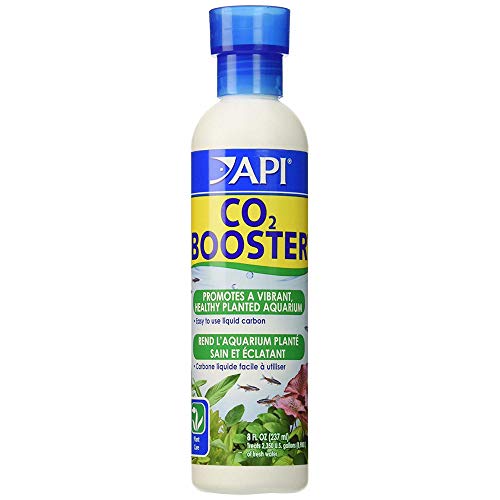
API Co2 Booster Freshwater Aquarium Plant...
Liquid CO2 booster
8 fl oz bottle
Daily dosing
pH neutral formula
What we like
- Affordable liquid carbon source
- Promotes noticeable plant growth
- Helps control algae growth
- Does not affect water pH
- Safe for fish shrimp and snails at proper dosage
What could be better
- Requires daily dosing for best results
- Can be toxic to snails shrimp if overdosed
- Bottle may not last long for larger tanks
Pressurized CO2 systems remain entirely optional for water sprite. If you already run a high-tech planted tank, the plant will certainly appreciate the additional carbon and respond with faster growth and more intense coloration. However, do not avoid this species due to perceived CO2 requirements; forum consensus across aquarium communities confirms thriving specimens in completely low-tech environments without any carbon supplementation beyond what fish provide.
For beginners specifically, starting without CO2 injection allows you to understand the plant's basic needs before adding complexity. Water sprite grows fast enough without pressurized systems that many aquarists never feel the need to upgrade.
Water Parameters and Conditions
Water sprite tolerates a broader parameter range than many aquatic plants, but targeting optimal conditions prevents the browning and melting issues that frustrate beginners. Maintain water temperature between 72-82 degrees Fahrenheit (22-28 degrees Celsius) consistently. Temperature fluctuations trigger dormancy responses that cause leaf drop and stunted growth.
The ideal pH range spans 6.5 to 7.5, with neutral pH around 7.0 being optimal. Unlike some sources suggesting ranges as wide as 5.8-9.0, narrower parameters produce healthier specimens with stronger growth and better coloration. Water hardness between 3-10 dGH provides sufficient minerals without causing leaf tip burn. Soft water below 3 dGH may require additional supplementation through water changes or mineral additives.
Stable parameters matter more than perfect numbers. Water sprite often melts when introduced to new tanks due to parameter differences between nursery water and your aquarium. Acclimate slowly by floating the plant in its packaging for 15-30 minutes before release, and avoid introducing specimens to uncycled tanks where ammonia spikes can cause immediate damage.
Fertilization and Nutrient Requirements
Water sprite exhibits unusual nutrient preferences compared to other aquarium plants. While most species struggle with elevated nitrates, water sprite functions as a nitrate buster, actively thriving when nitrates register between 10-20 ppm. This characteristic makes it exceptional for natural aquarium filtration setups and heavily stocked community tanks where nitrate accumulation concerns aquarists.

Seachem Flourish Nitrogen 500 mL / 17 fl. oz.
Nitrogen supplement
500ml size
15,000 mg/L blend
Nitrate and ammonium forms
What we like
- Provides essential nitrogen for plant growth
- Dual-form nitrogen for better absorption
- Highly concentrated formula lasts long
- Trusted Seachem brand quality
- Easy to dose with included cap
What could be better
- Can cause algae blooms if overdosed
- Requires water testing for proper dosing
- Not for casual beginner aquarists without testing kits
Comprehensive liquid fertilizers containing nitrogen, phosphorus, potassium, and micronutrients support robust growth. Dose weekly following manufacturer guidelines, increasing frequency if leaves show yellowing or stunted growth. Water sprite primarily feeds through its leaves and floating roots rather than substrate uptake, making water column dosing more effective than root tab placement alone.
Because water sprite grows rapidly, it consumes nutrients aggressively. In tanks with multiple fast-growing plants, nitrogen can become limiting despite regular fertilization. Supplemental nitrogen products like Seachem Flourish Nitrogen provide both nitrate and ammonium forms that plants absorb efficiently through leaf tissues. Test water parameters regularly when dosing nitrogen to prevent algae outbreaks from excessive nutrients.
Iron supplementation often benefits water sprite, particularly in tanks with high lighting where chlorophyll production demands increase. Yellowing between leaf veins indicates iron deficiency correctable with chelated iron products. Combine macronutrient and micronutrient supplementation for best results.
Substrate Considerations
Water sprite grows in virtually any substrate or no substrate at all when floating. Gravel, sand, aquasoil, or bare glass all support growth provided water column nutrients are available. The root system is designed for nutrient absorption rather than anchorage, explaining why fine-grained substrates often work better than coarse gravel for planted specimens.
When planting in gravel, choose substrates with grain sizes between 2-5mm. Coarse pebbles leave gaps too large for fine root hairs to grip, causing the plant to float away. Sand substrates work well but may compact and restrict root expansion over time. Aquasoils provide the best results for planted growth but remain entirely optional for success.
Propagation Through Daughter Plants
Water sprite propagates primarily through adventitious plantlets, commonly called daughter plants, that form on mature leaf tips. This natural reproduction method differs from stem cuttings and explains why propagation seems mysterious to aquarists unfamiliar with fern reproduction patterns.
How Daughter Plants Form
As water sprite matures, small plantlets emerge at leaf tips or along leaf margins. These miniature copies develop their own root systems while still attached to the parent plant. Under optimal conditions, a single mature specimen may produce dozens of daughter plants weekly, explaining why this species spreads so aggressively in established tanks and why it is considered invasive in some wild environments.
Leave daughter plants attached until they develop substantial roots measuring at least one inch in length. Premature separation reduces survival rates because detached plantlets lack sufficient nutrient stores to establish independently. Once roots are established, simply snip the connecting tissue and move the new specimen to desired locations or share with fellow aquarists.
The daughter plant propagation method is remarkably efficient. Each new plantlet carries the genetic characteristics of the parent and establishes quickly when placed in suitable conditions. This characteristic makes water sprite one of the most economical plants for filling out aquascapes or starting new tanks.
Alternative Propagation Methods
While daughter plants represent the primary reproduction method, water sprite also propagates through stem division in mature specimens. Cut healthy stems with multiple nodes and either float them or plant immediately. Each node can produce new growth, though success rates are lower than with daughter plantlets.
Some aquarists intentionally fragment overgrown specimens during trimming, planting the cut sections separately. This method works best with established, healthy plants rather than newly purchased specimens still adjusting to tank conditions. Always use sharp, clean scissors to prevent crushing tissue and introducing infection.
Benefits of Water Sprite in Your Aquarium
Beyond aesthetic appeal, water sprite delivers tangible ecological benefits that improve tank health and reduce maintenance requirements. Understanding these advantages helps aquarists utilize this plant strategically within their aquascapes.
Nitrate Absorption and Natural Filtration
Water sprite excels at removing nitrates from the water column, functioning as living filtration that complements mechanical and biological systems. In natural aquarium setups without filters, dense water sprite colonies maintain water quality by absorbing ammonia, nitrite, and nitrate compounds before they reach harmful concentrations.
Aquarists with high bioloads or sensitive species utilize water sprite specifically for its nitrate-busting properties. The plant converts fish waste into new growth, effectively recycling nutrients that would otherwise fuel algae outbreaks. Regular harvesting of excess growth permanently removes accumulated nitrates from the system, making water changes more efficient.
Shade Creation and Algae Prevention
By outcompeting algae for nutrients, water sprite helps prevent common types of aquarium algae from taking over your tank. The dense canopy created by floating specimens blocks excess light from reaching the substrate, reducing algae growth in lower tank regions while providing dim conditions suitable for Anubias, Java fern, and other shade-loving species.
Strategic placement allows aquarists to create microhabitats with varying light intensities within a single aquarium. Bright light penetrates gaps between fronds while shaded pockets develop beneath the canopy, increasing habitat complexity and behavioral options for tank inhabitants. This microhabitat diversity supports more natural fish behavior and reduces stress in community setups.
Shrimp and Fry Habitat
The intricate lattice of water sprite fronds creates perfect foraging grounds for shrimp and shelter for fish fry. Baby shrimp graze on biofilm accumulating on leaf surfaces while hiding from predators within the dense foliage. Breeding tanks frequently utilize water sprite specifically because fry can evade hungry parents among the fine fronds.
Floating roots provide additional grazing surfaces and hiding places. The combination of surface coverage and underwater structure makes water sprite among the best plants for shrimp-focused aquascapes and breeding setups. Neocaridina and Caridina shrimp both thrive in tanks with abundant water sprite coverage.
Compatible Tank Mates and Incompatibilities
Water sprite is strictly a freshwater plant and should never be placed in saltwater or brackish aquariums. This clarification addresses persistent misinformation that has circulated in older aquarium guides. The following compatibility information focuses on appropriate freshwater community setups only.
Ideal Tank Mates
Small peaceful fish, shrimp, and snails coexist beautifully with water sprite. Tetras, rasboras, guppies, and bettas appreciate the cover and security provided by dense plantings. Community tanks with mixed small species benefit from the hiding places and territory boundaries that water sprite creates. Corydoras catfish enjoy resting on broad leaves or foraging among shed foliage.
Shrimp species of all varieties thrive alongside water sprite. Cherry shrimp, amano shrimp, and crystal reds graze constantly on the biofilm-covered fronds while utilizing the dense growth for molting security. The plant's fine structure provides ideal surfaces for shrimplets to cling and feed without competition from larger tank mates.
Fish fry from livebearing species find refuge among the fine fronds, significantly increasing survival rates in community tanks. Guppy fry, molly fry, and platy fry all benefit from water sprite coverage.
Species to Avoid
Herbivorous fish destroy water sprite rapidly. Goldfish, silver dollars, and certain cichlids including severums and uaru consider this plant a delicacy. Even large angelfish may nibble tender fronds. Avoid housing water sprite with any species known for plant consumption unless you intend the plant as sacrificial food.
Large cichlids present additional risks beyond direct consumption. Aggressive digging and territory defense uproot planted specimens constantly. Oscar fish, jack dempseys, and similar species prevent water sprite from establishing sufficient root systems for long-term survival. Floating placement partially mitigates this issue, but vigorous fish may still shred floating plants during territorial disputes.
Troubleshooting Common Water Sprite Problems
Even experienced aquarists encounter issues with water sprite. The following troubleshooting guide addresses the most common complaints with actionable solutions based on community consensus and practical experience.
Melting Leaves and Transition Shock
Melting is the most frequent complaint among new water sprite keepers. When transitioning from emersed nursery conditions to submerged aquarium environments, existing leaves often deteriorate rapidly. This is normal and expected rather than evidence of poor care. The plant sheds atmospheric-adapted foliage to grow new submerged leaves better suited for underwater life.
To minimize melting, maintain stable water parameters and provide consistent lighting without sudden changes. Remove melted leaves promptly to prevent ammonia spikes from decaying plant matter. Within two to three weeks, new growth should emerge from the crown. If melting continues beyond one month, investigate water quality issues or lighting problems.
Browning Leaves and Nutrient Deficiencies
Leaves turning brown from the bottom up typically indicate nitrate deficiency, iron deficiency, or excessive light exposure. Unlike most plants that suffer from high nitrates, water sprite shows browning when nitrates drop below detectable levels. This phenomenon is particularly common in lightly stocked tanks or heavily planted aquascapes with fast-growing species competing for nutrients.
Address browning by testing nitrate levels and adjusting fertilization accordingly. Dose nitrogen supplements if nitrates register below 10 ppm. Check iron levels as well; pale or yellowing new growth with brown older leaves suggests iron deficiency correctable with micronutrient supplementation. Reduce lighting intensity if brown spots appear with algae-like texture, indicating photodamage.
Floating Up from Substrate
Water sprite naturally has weak roots that struggle to anchor in coarse substrates or high-flow environments. If your planted specimen repeatedly floats to the surface, verify that the crown is not buried too deeply and that substrate grain size is appropriate. Try anchoring with small stones or switching to floating culture temporarily until roots strengthen.
Filter intake placement may contribute to floating issues. Strong water currents near the substrate pull at delicate roots and prevent proper anchoring. Position water sprite away from filter outflows or use baffles to reduce direct flow across the planting area.
Filter Intake Clogging
The fine, lacy nature of water sprite fronds makes them prone to being sucked into filter intakes, particularly with hang-on-back filters. Install sponge pre-filters over intake tubes to prevent plant matter from clogging mechanical filtration while protecting the plant from damage. Sponge filters are recommended over power filters for tanks where water sprite grows densely.

Segarty Aquarium Tools Kit, 5 in 1 Stainless Steel...
26.5 inch extendable handle
10 replaceable blades
Stainless steel construction
Corrosion resistant
What we like
- Long reach perfect for deep tanks
- Sturdy stainless steel construction
- Replaceable blades provide long-term value
- Extendable handle adapts to different tank sizes
- Effective at removing stubborn algae
What could be better
- No blade cover included for safety
- May feel fragile when fully extended
- Blade attachment can be tricky to screw on
Regular maintenance including algae scraping and debris removal keeps the tank environment healthy for water sprite. A quality algae scraper with extendable reach helps maintain viewing areas without disturbing planted specimens. Removing debris also prevents anaerobic pockets from forming in dense plantings.
Weekly glass cleaning prevents algae from blocking light and ensures your aquascape remains visually appealing. For tanks with multiple hardscape elements, the extendable reach allows cleaning without repositioning decorations or disrupting established plantings.
Frequently Asked Questions About Water Sprite Plant Care
Is Water Sprite easy to care for?
Yes, water sprite is an excellent beginner plant that tolerates a wide range of conditions. It grows well in low to medium light without requiring CO2 injection. The plant adapts to various water parameters and can grow either floating or planted in substrate. While melting may occur during the initial transition from store conditions to your tank, new growth typically establishes within two to three weeks with minimal intervention.
How to keep Water Sprite alive?
Keep water sprite alive by maintaining stable water temperature between 72-82 degrees Fahrenheit, ensuring the crown remains visible when planted in substrate, and providing adequate nutrients through water column fertilization. Allow the plant to float initially if substrate planting fails, trim dead leaves promptly, and maintain nitrate levels between 10-20 ppm. Avoid sudden parameter changes and acclimate new specimens slowly to prevent transition shock.
Can Water Sprite grow in gravel?
Yes, water sprite can grow in gravel provided the grain size is appropriate. Use fine gravel between 2-5mm diameter rather than coarse pebbles, which prevents the delicate roots from gripping properly. When planting, bury only the roots while keeping the crown exposed at the substrate surface. For coarse gravel tanks, consider floating the plant instead or anchoring the roots with small stones until establishment occurs.
Does Water Sprite spread?
Yes, water sprite spreads rapidly through daughter plants that form on mature leaf tips. These adventitious plantlets develop their own roots while attached to the parent, then detach naturally or can be manually separated for propagation. A single healthy specimen can produce dozens of new plants monthly under optimal conditions, making water sprite an excellent choice for filling out planted tanks or sharing with fellow aquarists.
Final Thoughts on Water Sprite Plant Care
Water sprite plant care rewards aquarists willing to work with its specific needs rather than against them. By understanding that this fern grows rapidly without CO2, requires exposed crowns when planted, and propagates through daughter plants rather than simple cuttings, you eliminate the common pitfalls that cause failures in the first month. The plant's ability to thrive floating or rooted, combined with its exceptional nitrate absorption and habitat creation, makes it among the most versatile options for freshwater aquariums in 2026.
Whether you are establishing a shrimp tank, breeding setup, or community aquascape, water sprite delivers tangible benefits beyond simple decoration. Start new specimens as floating plants if substrate planting proves challenging, dose adequate nitrogen to prevent browning, and trim aggressively to prevent overgrowth. With these practices, water sprite transforms from a potentially frustrating purchase into a cornerstone species that improves water quality while providing beautiful, lacy coverage for your aquarium inhabitants.
As you gain experience with this adaptable plant, you will discover its many uses in aquascaping and fishkeeping. From natural filtration to fry protection, water sprite earns its place in virtually any freshwater setup. The key is patience during the initial establishment phase and acceptance of its fast growth nature. Embrace the daughter plants as opportunities to expand your aquascape or share with fellow hobbyists, and you will find water sprite becomes one of your most reliable aquatic plants.


![Java Moss Aquarium Plant: Plantation, Technique To Grow | [cy]](https://www.aquamarinepower.com/wp-content/uploads/2026/07/featured-update-3775-1784090916295-300x225.jpg)