Crystal Red Shrimp have earned their reputation as the crown jewels of the freshwater aquarium hobby. These striking dwarf shrimp, with their distinctive red and white banding, descend from the wild Bee Shrimp of Taiwan and represent decades of careful selective breeding by Japanese aquarist Hisayasu Suzuki. Unlike their hardier cousins the Cherry Shrimp, Crystal Reds belong to the Caridina genus and demand precise water parameters that mirror their native soft, acidic streams.
For aquarists ready to step beyond beginner Neocaridina species, crystal red shrimp care offers a rewarding challenge that combines scientific precision with aesthetic beauty. This comprehensive guide covers everything from the grading system that determines their value to the specialized equipment needed for maintaining the acidic conditions these delicate creatures require. Whether you are setting up your first Caridina tank or troubleshooting breeding issues, you will find actionable advice based on current best practices for 2026.
Before investing in these premium shrimp, understand that their care level is moderate to difficult. Crystal Reds cannot thrive in standard tap water conditions. They require active substrates, remineralized RO water, and stable parameters that remain within narrow acceptable ranges. Success demands patience, proper preparation, and quality equipment. The following sections walk you through every aspect of creating a thriving colony.
Table of Contents
- Top 3 Essential Products for Crystal Red Shrimp
- Essential Crystal Red Shrimp Equipment and Supplies
- Species Summary
- Crystal Red Shrimp Care Guide
- Crystal Red Shrimp Tank Size
- Crystal Red Shrimp Tankmates
- Crystal Red Shrimp Water Parameters
- Active Substrate for Crystal Red Shrimp
- ADA Aqua Soil Amazonia Ver 2 (9L)
- RO Water and Remineralization
- Aquatic Life RO Buddie 4-Stage Aquarium Water...
- SALTYSHRIMP Salty Shrimp Bee Shrimp Mineral GH...
- Drip Acclimation Process
- Filtration for Crystal Red Shrimp
- AQUANEAT 3 Pack Aquarium Bio Sponge Filter...
- Heating Crystal Red Shrimp Tanks
- hygger Small Aquarium Betta Heater, Submersible...
- Water Testing and Monitoring
- API FRESHWATER MASTER TEST KIT 800-Test Freshwater...
- Crystal Red Shrimp Feeding
- Dennerle Shrimp King Complete 1.587 oz (45g...
- SunGrow 50 pcs Catappa Indian Almond Leaves...
- Water Changes and Maintenance
- Advantages Of Having Crystal Red Shrimp In Your Tank
- Disadvantages Of Having Crystal Red Shrimp In Your Tank
- Frequently Asked Questions
- Conclusion
Top 3 Essential Products for Crystal Red Shrimp
Success with Crystal Red Shrimp starts with having the right equipment and supplies. After researching what successful breeders and experienced hobbyists recommend, these three products form the foundation of any properly equipped Caridina tank. Each addresses a critical requirement: filtration safety, water quality management, and proper nutrition for color development and breeding.

AQUANEAT Bio Sponge Filter
- Shrimp-safe sponge filtration
- No fry or adults sucked in
- Provides biological and mechanical filtration
- Gentle water flow
- 3-pack value

API Freshwater Master Test Kit
- 800 tests per kit
- Tests pH ammonia nitrite nitrate
- More accurate than strips
- Industry standard for aquariums
- Essential for water monitoring
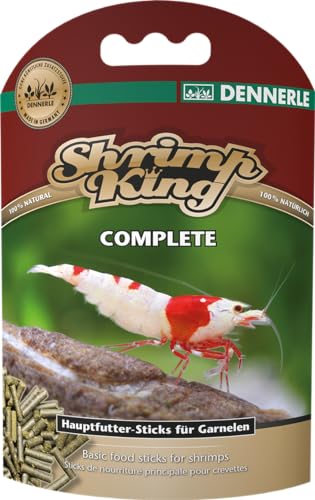
Dennerle Shrimp King Complete
- 100% natural ingredients
- Sinkable water-stable sticks
- Promotes breeding and color
- Complete balanced nutrition
- Professional grade formula
Essential Crystal Red Shrimp Equipment and Supplies
Building a successful Crystal Red Shrimp colony requires specific products designed for the unique demands of Caridina species. The following comparison table includes all eight recommended items that address critical aspects of shrimp keeping: filtration, water preparation, nutrition, heating, and testing. Each product has been selected based on proven performance in shrimp-specific applications and value for both beginners and experienced breeders.
| Product | Highlights | Action |
|---|---|---|
|
AQUANEAT Bio Sponge Filter
|
|
Check Latest Price |
|
API Freshwater Master Test Kit
|
|
Check Latest Price |
|
Dennerle Shrimp King Complete
|
|
Check Latest Price |
 ADA Aqua Soil Amazonia Ver 2
|
|
Check Latest Price |
 Salty Shrimp Bee Shrimp Mineral GH+
|
|
Check Latest Price |
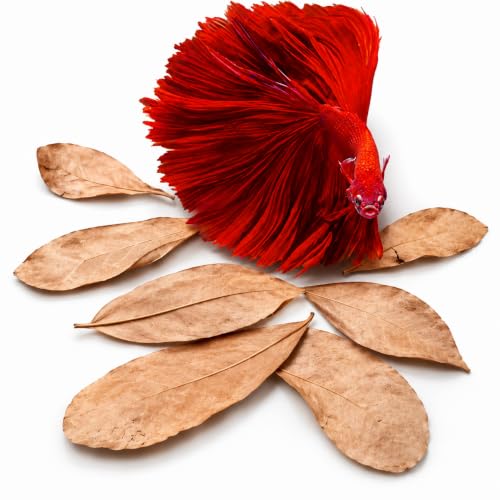 SunGrow Indian Almond Leaves
|
|
Check Latest Price |
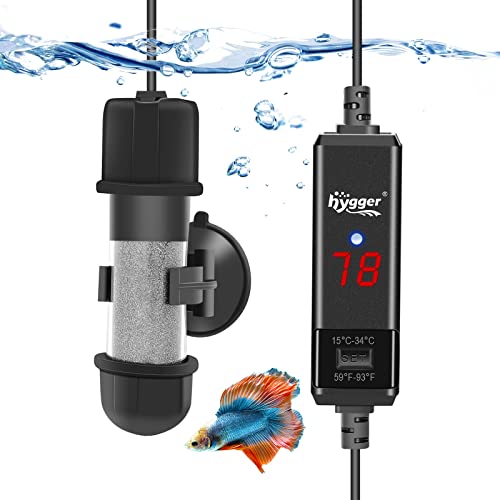 hygger Small Aquarium Heater
|
|
Check Latest Price |
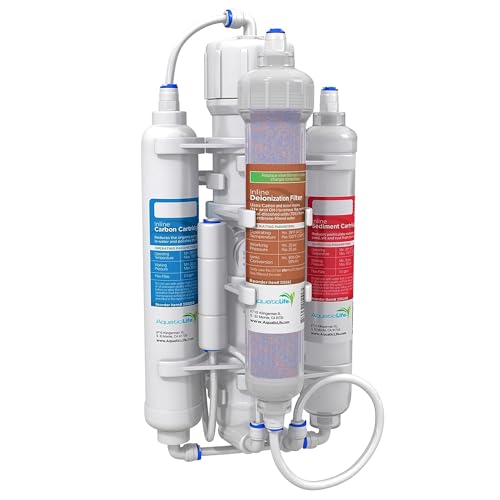 Aquatic Life RO Buddie System
|
|
Check Latest Price |
Species Summary
Scientifically classified as Caridina cantonensis var. "Crystal Red," these dwarf freshwater shrimp represent one of the most significant achievements in ornamental aquaculture. Originally developed through selective breeding of wild Bee Shrimp (Caridina cantonensis) from Taiwan and southern China, the Crystal Red variant was first stabilized by Japanese breeder Hisayasu Suzuki in the mid-1990s. This breakthrough transformed a relatively plain wild shrimp into the vibrant red-and-white patterned specimen coveted by collectors today.
Understanding the fundamental characteristics of Crystal Red Shrimp helps set realistic expectations for their care and longevity. Unlike hardy Neocaridina species such as Cherry Shrimp, these Caridina shrimp require specialized conditions and attentive maintenance. The following summary provides accurate baseline information for prospective keepers.
| Scientific Name: | Caridina cantonensis var. "Crystal Red" |
| Common Names: | Crystal Red Shrimp, Red Bee Shrimp, CRS |
| Adult Size: | 1 to 1.2 inches (2.5 to 3 cm) |
| Origin: | selectively bred from Taiwan wild types |
| Color Form: | Red and white banding (candy cane pattern) |
| Care Level: | Moderate to Difficult |
| Temperament: | Peaceful, non-aggressive |
| Tank Size: | Minimum 10 gallons |
| Lifespan: | 18 to 24 months under optimal conditions |
| pH Level: | 6.2 to 6.8 (softly acidic) |
| Water Temperature: | 68° to 74°F (20° to 23°C) |
| General Hardness (GH): | 3 to 6 dGH |
| Carbonate Hardness (KH): | 0 to 1 dKH |
| Total Dissolved Solids (TDS): | 100 to 200 ppm |
| Diet: | Omnivore (biofilm, algae, specialized foods) |
| Breeding: | Moderate difficulty, requires stable parameters |
The care level for Crystal Red Shrimp is correctly classified as moderate to difficult. This classification reflects their specific water chemistry requirements rather than complicated daily maintenance. Once established in a properly cycled tank with appropriate parameters, they prove surprisingly resilient. However, they cannot tolerate the parameter fluctuations or harder water conditions that Neocaridina species handle with ease.
Crystal Red Shrimp Appearance
Crystal Red Shrimp display one of the most recognizable color patterns in the aquarium hobby. Their bodies feature alternating bands of opaque white and vibrant red, creating a candy cane or striped appearance that intensifies as the shrimp matures. The quality and distribution of these colors determine their grade and market value, with higher grades showing more extensive white coverage and cleaner separation between colors.

Sexual dimorphism in Crystal Reds becomes apparent as they mature. Females grow larger and more robust, typically reaching 1.2 inches while males remain closer to 1 inch. Female shrimp develop a deeper body profile to accommodate developing eggs, and their ovaries may appear as a yellowish or greenish saddle-shaped structure visible through the carapace behind the head. Males appear slimmer with a more streamlined profile and slightly more pointed abdominal segments.
The most reliable method for sexing adult Crystal Red Shrimp involves observing the abdomen. Females possess a broader, more rounded abdominal plate designed to hold and fan eggs. When carrying fertilized eggs (known as being "berried"), females display a cluster of 20 to 40 small eggs beneath their tails, which they actively oxygenate by fanning with their pleopods. Only female shrimp can produce and carry eggs; males play no role in egg production or carrying.
Crystal Red Shrimp Grading System
The Crystal Red Shrimp grading system provides a standardized method for evaluating color quality and pattern distribution. Understanding these grades helps hobbyists make informed purchasing decisions and set appropriate price expectations. The grading scale ranges from C (lowest commercial grade) to SSS (highest quality), with each level representing progressively better color coverage and definition.
- C Grade: Entry-level shrimp with approximately 60% white coverage. Red coloration dominates with patchy or incomplete white sections. Ideal for beginners learning CRS care without significant financial investment.
- B Grade: Intermediate quality showing 70-75% white coverage. More balanced red and white distribution with cleaner banding patterns. Suitable for those wanting better aesthetics at moderate prices.
- A Grade: High quality with 80% or more white coverage. Clear separation between colors with minimal bleeding. These shrimp display the classic candy cane appearance expected from quality stock.
- S Grade: Premium specimens with 85-90% white coverage and exceptional pattern clarity. Often exhibitsmosaic or tiger-style patterning variations. S grade shrimp command premium prices and make excellent display or breeding stock.
- SS Grade: Superior quality approaching 90-95% white coverage. Near-perfect color separation with minimal red intrusion into white areas. These represent top-tier selective breeding results.
- SSS Grade: The pinnacle of Crystal Red Shrimp quality with 95%+ white coverage and pristine pattern definition. Often called "Mosura" grade after the Japanese company that popularized extreme selective breeding. SSS grade shrimp can cost hundreds of dollars individually.
When selecting Crystal Red Shrimp for breeding projects, consider that higher grades do not necessarily indicate better breeding potential. Lower grade shrimp often prove hardier and more prolific, while extreme high grades may have reduced fertility due to intensive inbreeding. Many successful breeders maintain separate colonies: lower grades for quantity production and higher grades for selective improvement.
Crystal Red Shrimp Lifespan
Under optimal aquarium conditions, Crystal Red Shrimp typically live 18 to 24 months. Some exceptional individuals may reach 30 months, though this remains uncommon. Their relatively short lifespan compared to fish necessitates continuous breeding to maintain colony populations. Proper water parameters, nutrition, and stress reduction directly influence longevity.
Several factors significantly impact lifespan. Stable water parameters matter more than perfect parameters; constant fluctuations stress shrimp and shorten lives regardless of average parameter values. Nutrition quality affects molting success, which determines overall health. Overcrowding creates competition for food and increases stress. Predatory tankmates or aggressive fish cause continuous stress that reduces longevity dramatically.
Crystal Red Shrimp Behavior
Crystal Red Shrimp display peaceful, non-aggressive behavior making them ideal for community tanks with appropriate tankmates. They spend daylight hours grazing continuously on biofilm, algae, and available food sources. Their feeding activity provides entertainment value as they methodically work through the tank using their fan-like appendages to filter microscopic particles from the water column.
Social dynamics within Crystal Red colonies remain relatively simple. They establish loose hierarchies based on size, with larger shrimp often claiming prime feeding locations first. However, aggression between individuals remains minimal, and serious conflicts rarely occur. When kept in adequate numbers (minimum 10 individuals), they display more natural behaviors and feel secure enough to explore openly.
Crystal Red Shrimp Molting
Molting represents one of the most critical and vulnerable periods in a Crystal Red Shrimp's life. As invertebrates with rigid exoskeletons, shrimp must periodically shed their outer shell to accommodate growth. This process occurs every 3 to 6 weeks depending on age, diet, and water parameters. Young shrimp molt more frequently, sometimes weekly, while adults may go 6-8 weeks between molts.
Successful molting requires adequate calcium and minerals in the diet to build the new exoskeleton, and proper water parameters to facilitate the shedding process. Before molting, shrimp typically appear less active and may hide more frequently. They will stop eating 24-48 hours prior to the molt as their body prepares for the energy-intensive process. During the actual molt, which takes only minutes, the shrimp rapidly backs out of its old shell.
The period immediately following molting leaves shrimp extremely vulnerable. Their new exoskeleton remains soft for 24-48 hours, making them unable to defend themselves and susceptible to injury from hardscape or aggressive tankmates. During this time, they usually hide in dense planting or crevices. Do not disturb the tank or attempt to move shrimp during this recovery window. The old shed exoskeleton should be left in the tank, as shrimp will consume it to recover minerals.
Crystal Red Shrimp Breeding
Breeding Crystal Red Shrimp follows the standard Caridina reproduction pattern with specific requirements for success. Understanding the biological process helps breeders optimize conditions for maximum survival rates. Unlike some misconceptions, only female shrimp produce and carry eggs; males serve solely to fertilize the eggs externally.
The breeding cycle begins when a mature female molts, releasing pheromones that signal her readiness to mate. Males become more active and search for the receptive female. Once located, the male deposits sperm packets (spermatophores) near the female's genital opening located on her underside between the walking legs. This external fertilization process differs from many animals where fertilization occurs internally.
Following successful mating, the female lays eggs and immediately fertilizes them as they pass the stored sperm. She then transfers the eggs to her pleopods (swimmerets) located on her abdomen, where she attaches them using sticky threads. This "berried" condition is visible as a cluster of 20 to 40 eggs carried beneath her tail. The female actively fans these eggs with her pleopods for approximately 30 days to ensure oxygenation and prevent fungal growth.

Newly hatched shrimplets emerge as perfect miniature replicas of adult shrimp, measuring only 2-3 millimeters. They require no special care beyond appropriate food particle sizes and safe filtration. Shrimplets feed on biofilm, infusoria, and specially powdered foods. Their survival rate depends heavily on water quality, food availability, and the absence of predators. With proper conditions, a healthy female can produce offspring every 6-8 weeks during her reproductive prime.
Crystal Red Shrimp Breeding Compatibility
Crystal Red Shrimp belong to the Caridina cantonensis species complex and can interbreed with several related varieties. Crossbreeding with Crystal Black Shrimp, Golden Bees, or other color variants of Caridina cantonensis produces fertile offspring, typically resulting in wild-type brown coloration that dilutes the selective breeding achievements. Maintaining separate tanks for different color lines preserves strain purity.
Crossbreeding between Crystal Reds and Neocaridina species (Cherry Shrimp, Blue Velvet, etc.) remains theoretically possible but practically unlikely due to differing water parameter requirements. Even if attempted, the genetic distance between genera usually results in infertile offspring or failed breeding attempts. For hobbyists wanting to maintain pure Crystal Red lines, keeping only Caridina species together requires careful management to prevent hybridization.
Crystal Red Shrimp Care Guide
Successful Crystal Red Shrimp care requires understanding their specific environmental needs as Caridina species native to soft, acidic waters. This section provides comprehensive guidance on setting up and maintaining optimal conditions. Following these recommendations helps prevent the most common causes of shrimp mortality and creates an environment where colonies can thrive and reproduce.
Crystal Red Shrimp Tank Size
The minimum recommended tank size for Crystal Red Shrimp is 10 gallons. While they can physically survive in smaller volumes, successful long-term keeping and breeding requires the stability that larger water volumes provide. Smaller tanks experience rapid parameter fluctuations that stress Caridina shrimp and lead to failed molts or death.
For dedicated breeding projects or display colonies, 15 to 20 gallons offers even better stability and allows for more elaborate aquascaping with driftwood and dense planting. Larger tanks also accommodate the recommended shrimp-safe filtration systems more effectively. A 10-gallon setup properly maintained can support a colony of 50-100 adult shrimp with regular culling of excess offspring.
Crystal Red Shrimp Tankmates
Selecting appropriate tankmates for Crystal Red Shrimp requires prioritizing shrimp safety over aesthetic preferences. Due to their small size and peaceful nature, they cannot coexist safely with most fish species. Even fish too small to eat adult shrimp may harass them or prey on shrimplets, creating constant stress that prevents breeding.
Ideal tankmates share similar water parameter requirements and demonstrate genuinely peaceful temperaments. Consider these compatible options:
- Other Caridina Shrimp: Crystal Black Shrimp, Taiwan Bees, and Golden Bees share parameters but may hybridize.
- Amano Shrimp: Larger and peaceful, they coexist well and handle similar water conditions.
- Cherry Shrimp (in soft water): While typically kept in harder water, Cherry Shrimp can adapt to CRS parameters but should not be kept together to avoid hybridization concerns.
- Otocinclus Catfish: Peaceful algae eaters too small to threaten shrimp and suitable for soft, acidic water.
- Pygmy Corydoras: Tiny bottom dwellers that ignore shrimp and appreciate similar planted tank environments.
- Small Snails: Nerite snails, Ramshorn snails, and bladder snails pose no threat and help clean.
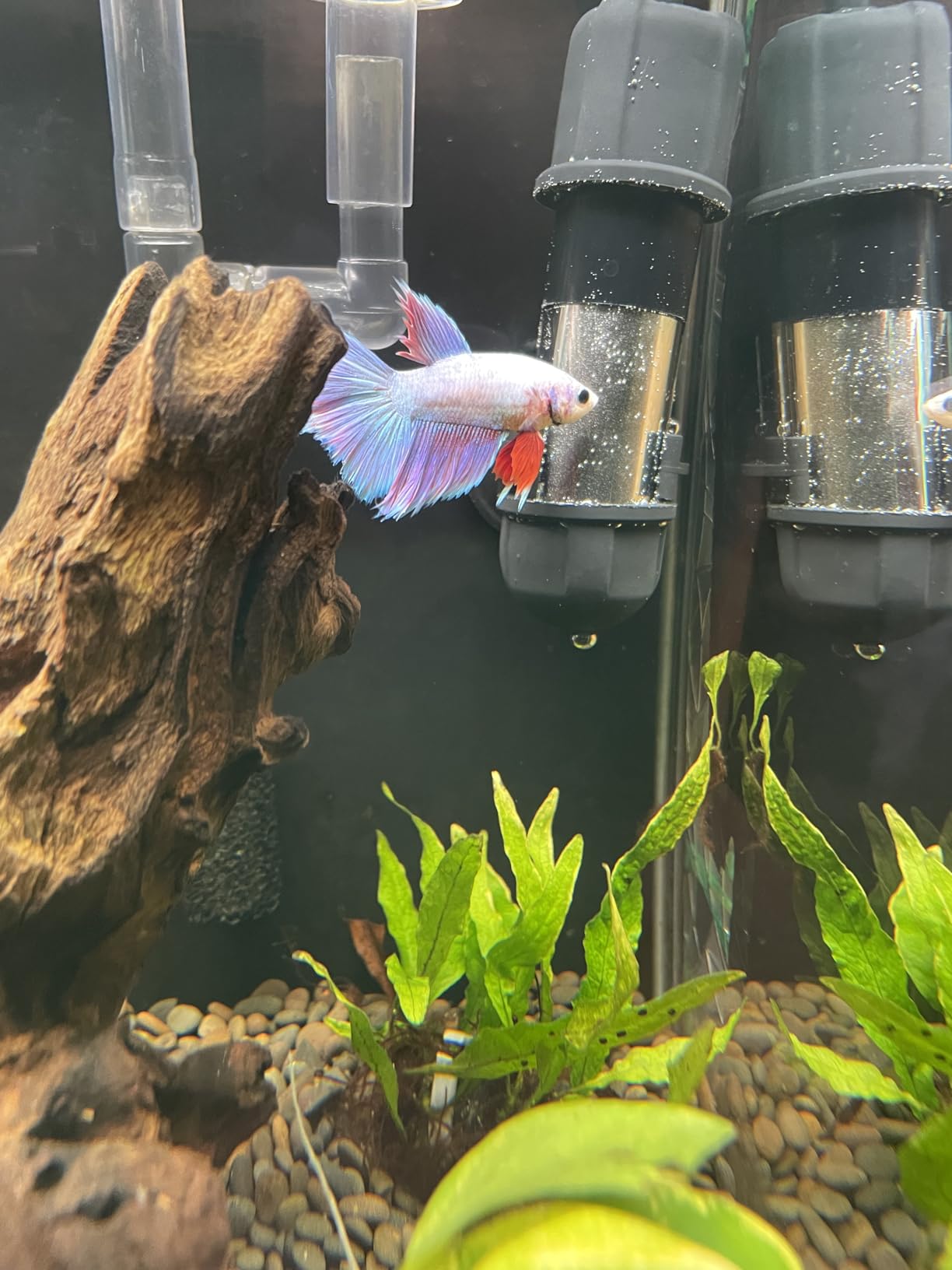
Avoid all fish that might prey on shrimp, including Bettas, Gouramis, Cichlids, and most tetras. Even peaceful-looking fish like Neon Tetras may nip at shrimp antennae or eat shrimplets. For maximum breeding success, maintain species-only tanks.
Crystal Red Shrimp Water Parameters
Water parameters represent the most critical aspect of Crystal Red Shrimp care. Unlike hardy Neocaridina species, Crystal Reds require specific ranges and, more importantly, stability within those ranges. The following parameters represent the ideal targets for maintaining healthy, breeding colonies:
| Parameter | Ideal Range | Acceptable Range | Notes |
| Temperature | 70-72°F (21-22°C) | 68-74°F (20-23°C) | Lower temps slow metabolism, improve color |
| pH | 6.4-6.6 | 6.2-6.8 | Softly acidic essential for Caridina |
| General Hardness (GH) | 4-5 dGH | 3-6 dGH | Calcium for molting, magnesium for uptake |
| Carbonate Hardness (KH) | 0-1 dKH | 0-2 dKH | Low KH allows pH buffering by soil |
| Total Dissolved Solids (TDS) | 120-150 ppm | 100-200 ppm | Measure with TDS pen for accuracy |
| Ammonia | 0 ppm | 0 ppm | Toxic at any detectable level |
| Nitrite | 0 ppm | 0 ppm | Toxic at any detectable level |
| Nitrate | <10 ppm | <20 ppm | Lower is better for shrimp health |
Total Dissolved Solids (TDS) deserves special attention as a critical but often overlooked parameter. TDS measures all dissolved substances in water, including minerals, salts, and organic compounds. Crystal Red Shrimp require TDS levels between 100-200 ppm, significantly lower than typical tap water which often exceeds 300-400 ppm. Measuring TDS with an inexpensive pen-style meter provides quick water quality assessment and helps determine when water changes are needed.
Active Substrate for Crystal Red Shrimp
Active substrates form the foundation of successful Crystal Red Shrimp tanks. Unlike inert gravels or sand, active substrates contain organic compounds and humic substances that naturally lower and buffer pH to the acidic range Caridina shrimp require. They also provide essential plant nutrients and create a biologically active environment that supports beneficial bacteria and biofilm growth.
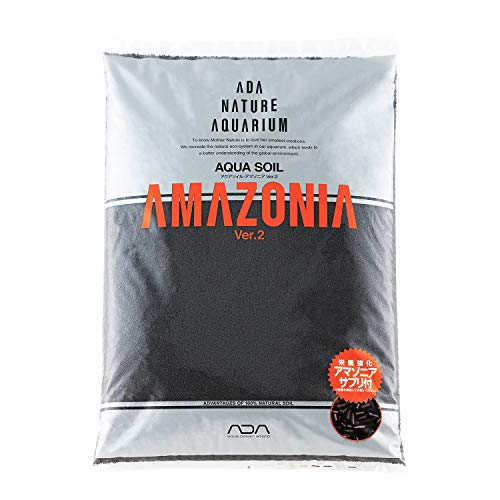
ADA Aqua Soil Amazonia Ver 2 (9L)
Rare Japanese black soil
Includes Amazon concentrate
Lowers pH to 5.5-6.5
Ideal for Caridina
Includes root tabs
What we like
- Best aquasoil for shrimp tanks
- Naturally acidic pH
- Nutrient rich
- Promotes plant growth
- Long-lasting buffering
What could be better
- Premium price
- Initial ammonia spike
- Requires cycling before shrimp
ADA Aqua Soil Amazonia represents the industry standard for Caridina tanks. Made from rare Japanese plant-based black soil, it actively buffers pH to 5.5-6.5 and provides excellent nutrient content for plant growth. The Ver 2 formulation includes concentrated organic supplements for enhanced performance. While premium-priced, its effectiveness justifies the investment for serious CRS keepers.
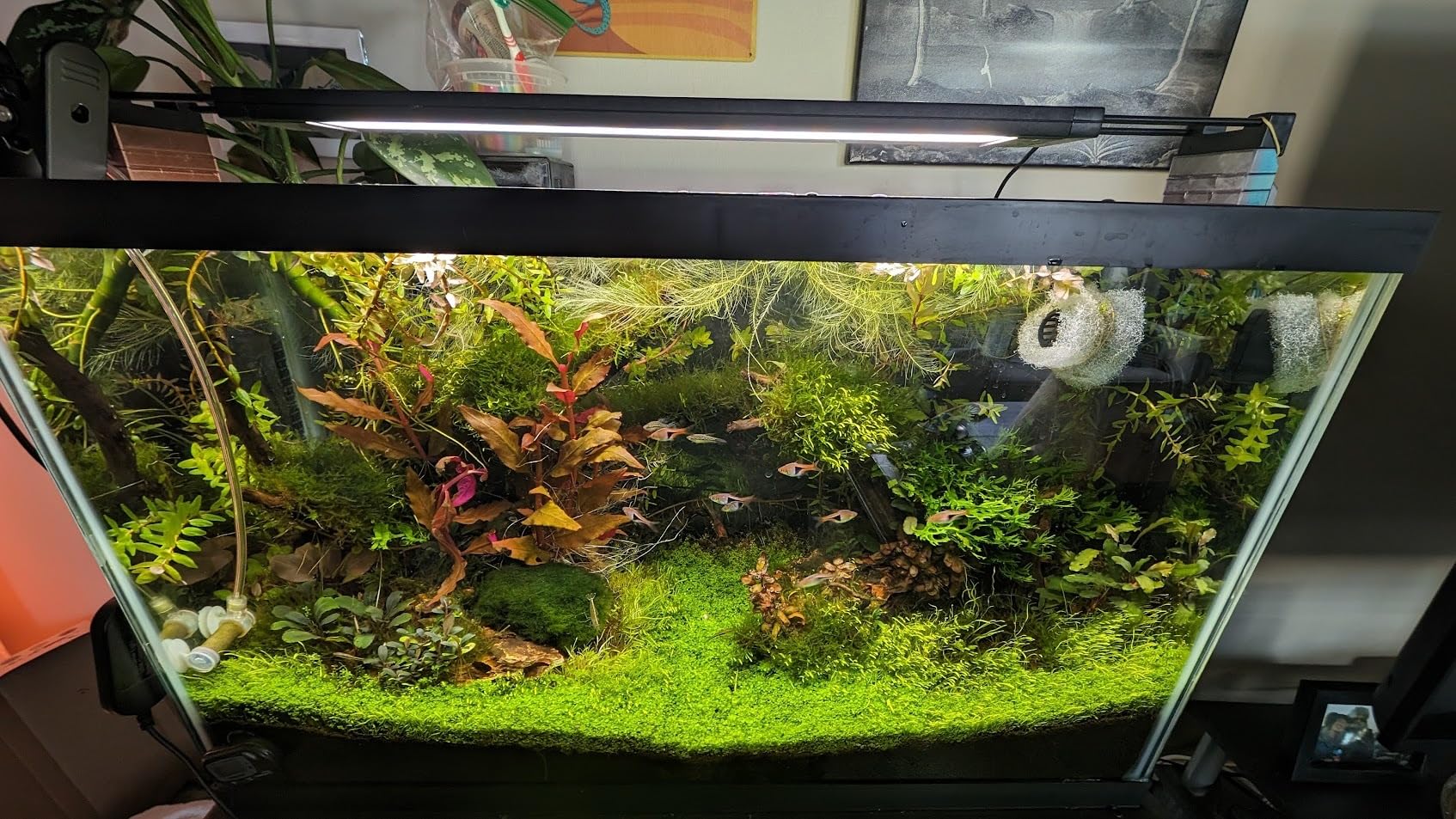
Fluval Stratum offers a mid-range alternative that also effectively buffers pH and supports plant growth. While it may not buffer as aggressively as Amazonia, it remains suitable for Crystal Red Shrimp and comes at a more accessible price point. Both substrates require careful preparation: rinse gently to remove dust, then allow the tank to cycle completely before introducing shrimp, as new aquasoil releases ammonia for several weeks.
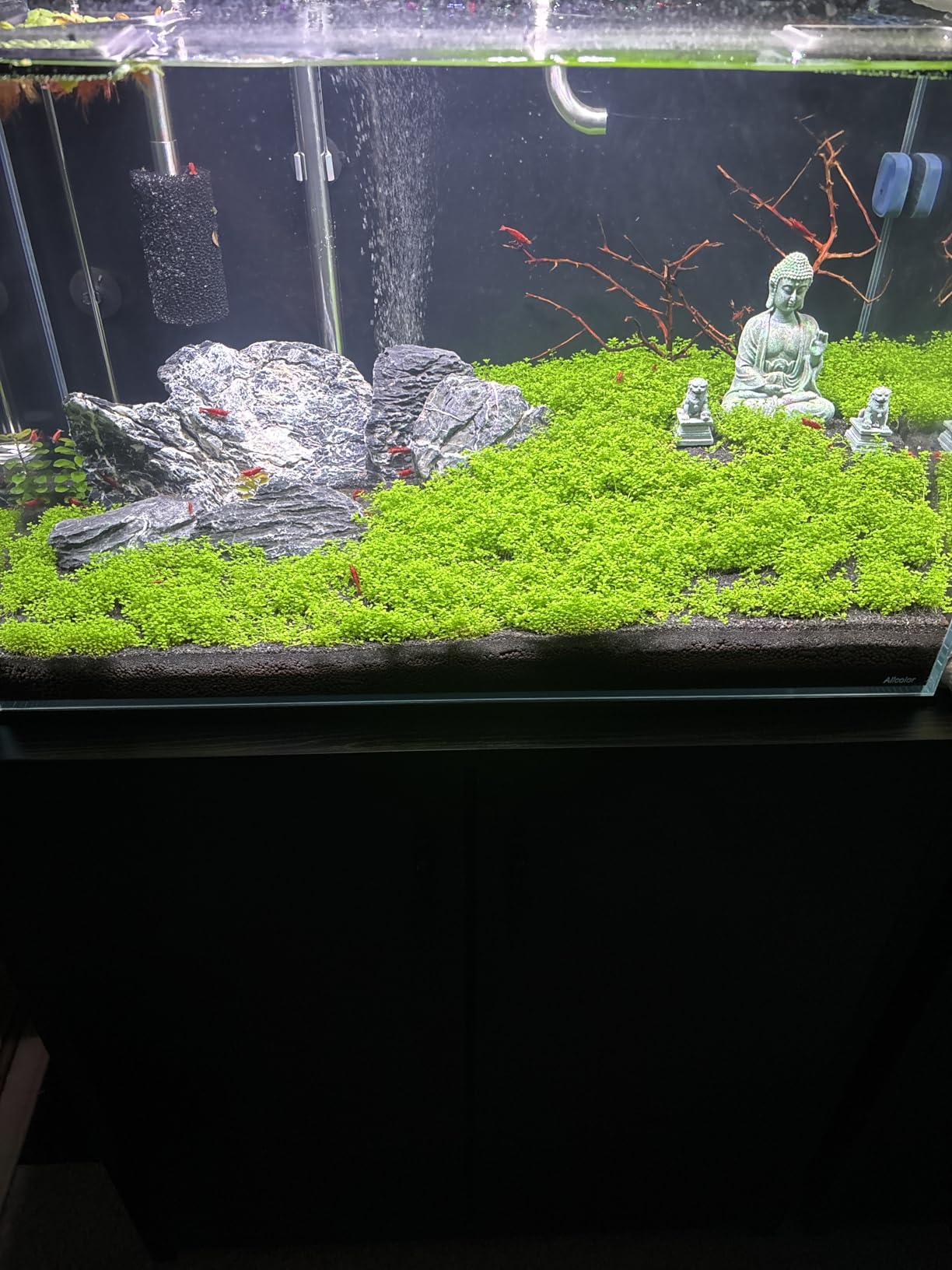
When setting up an active substrate tank, plan for a minimum 2-inch depth to ensure proper buffering capacity. Avoid disturbing the substrate after initial setup, as this releases trapped nutrients and ammonia. Over time (typically 1-2 years), the buffering capacity diminishes, indicating the need for substrate replacement or supplementation with additional pH-lowering measures like Indian almond leaves.
RO Water and Remineralization
Reverse Osmosis (RO) or Reverse Osmosis/Deionization (RO/DI) water forms the basis of optimal Crystal Red Shrimp keeping in many areas. Most tap water contains excessive minerals, heavy metals, or chloramines that harm sensitive Caridina shrimp. RO systems remove up to 99% of contaminants, producing nearly pure water with 0 TDS that must then be remineralized to appropriate levels for shrimp.
Aquatic Life RO Buddie 4-Stage Aquarium Water...
4-stage RO/DI filtration
Produces 0 TDS water
Color-changing DI resin
Entry-level pricing
Compact design
What we like
- Produces pure water for shrimp
- Affordable compared to competitors
- Color indicator for resin changes
- Easy installation
- Essential for Caridina
What could be better
- Slow production rate
- 4:1 wastewater ratio
- Requires remineralization
- DI resin needs replacement
- Not for chloramines
The Aquatic Life RO Buddie provides an accessible entry point for hobbyists needing RO/DI water. This compact 4-stage system removes sediment, chlorine, dissolved solids, and finally any remaining ions through the deionization resin. The color-changing resin visually indicates when replacement is needed, taking guesswork out of maintenance.
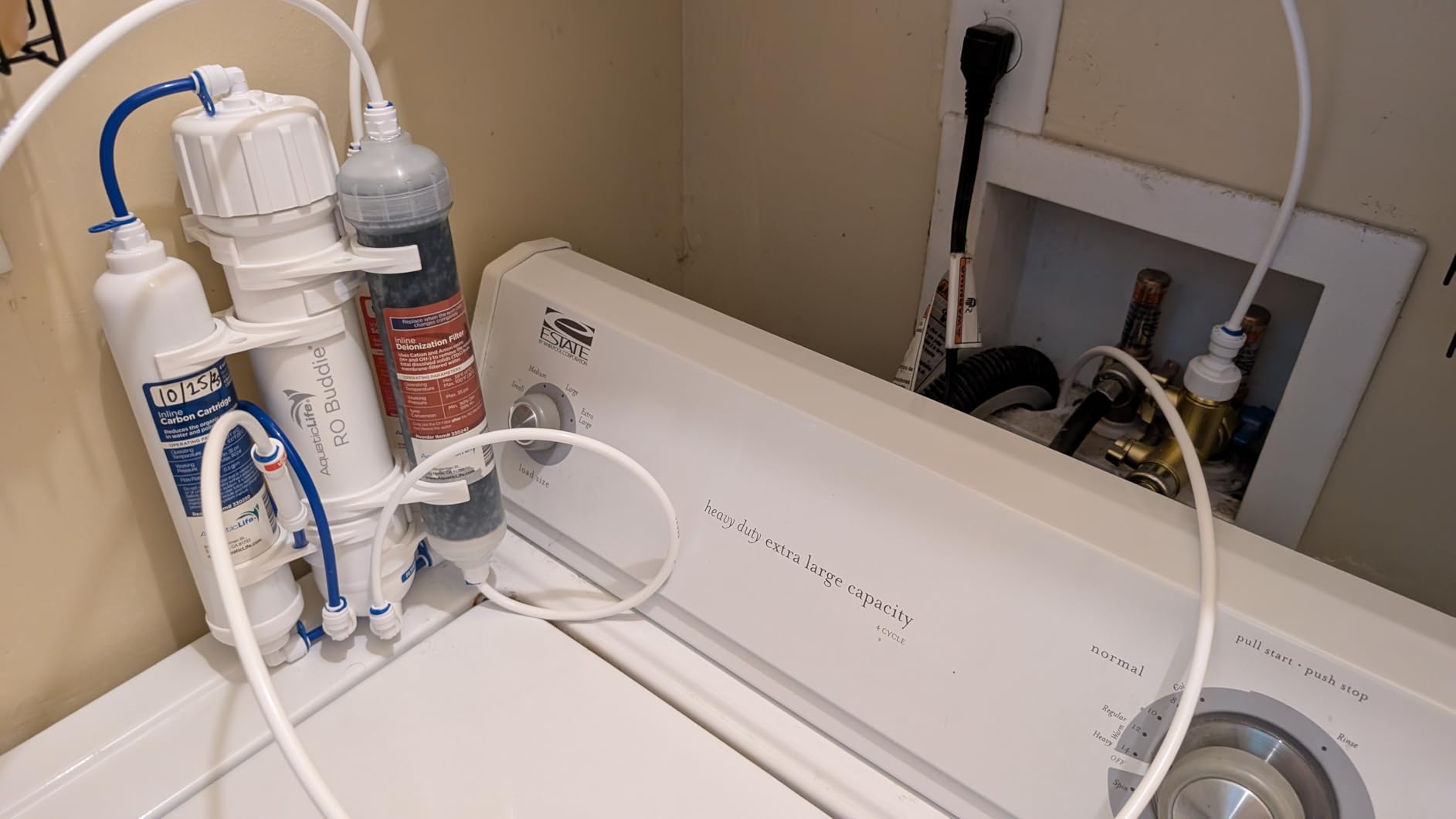
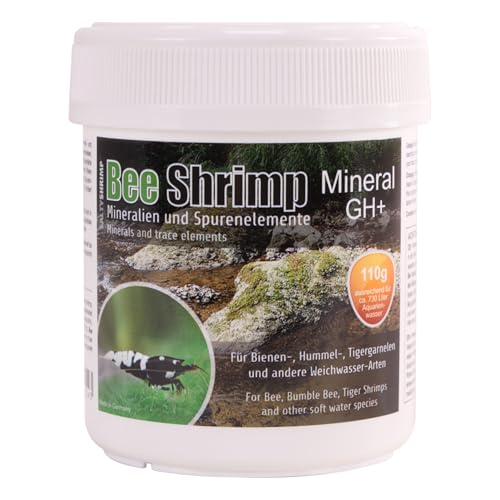
Remineralizing RO water requires specialized products designed for Caridina shrimp. Salty Shrimp Bee Shrimp Mineral GH+ provides the precise mineral blend needed, raising general hardness (GH) without affecting carbonate hardness (KH). This distinction matters because Crystal Reds need minerals for molting but require low KH to allow the active substrate to buffer pH effectively.
SALTYSHRIMP Salty Shrimp Bee Shrimp Mineral GH...
Specifically for Caridina
Raises GH not KH
Essential minerals included
Supports healthy molting
Professional grade
What we like
- Industry standard for CRS
- Cost effective long-term
- Easy to measure
- Improves breeding success
- Prevents molting deaths
What could be better
- Requires TDS meter
- Does not add KH
- May need additional supplements
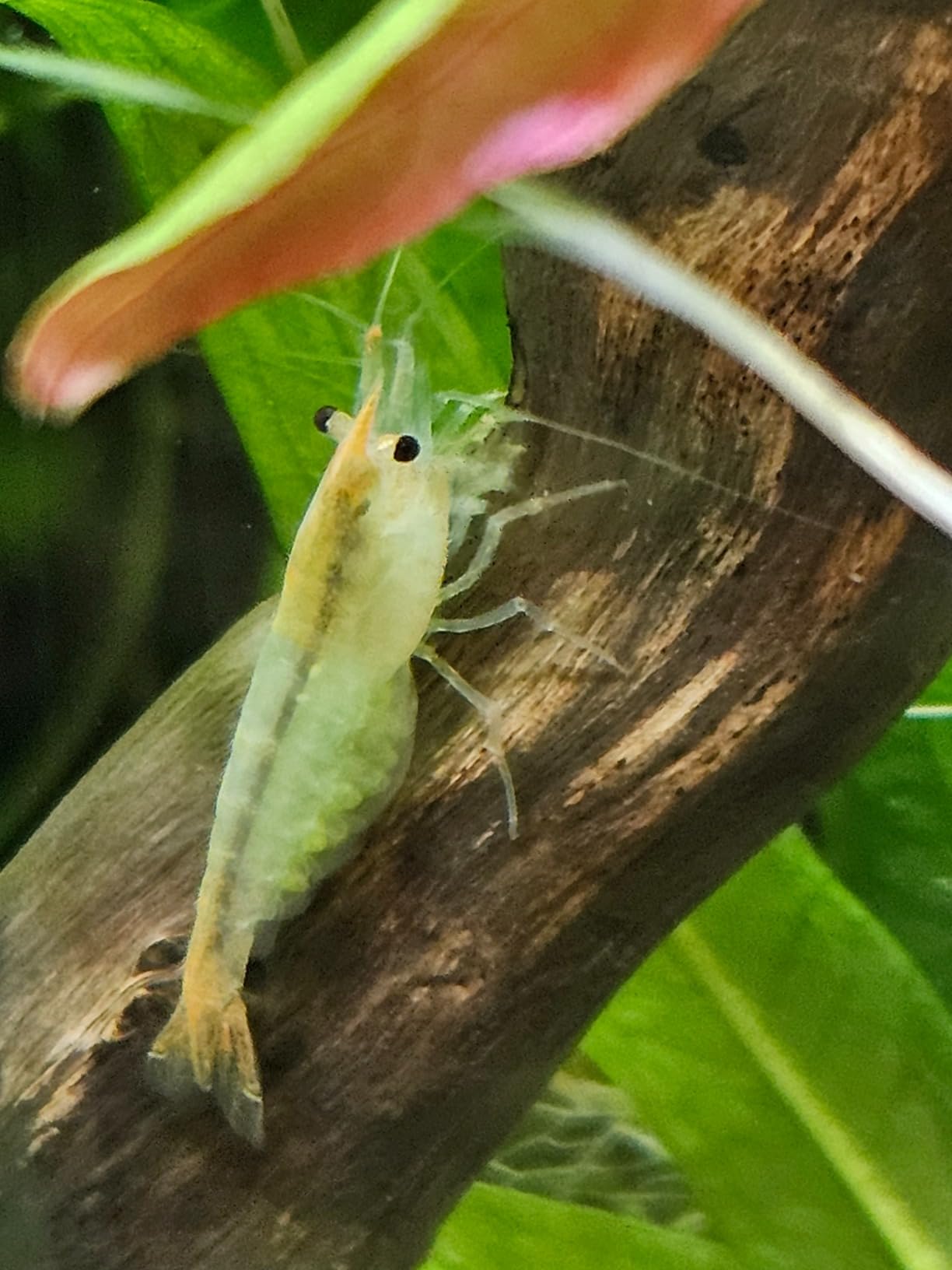
To remineralize RO water for Crystal Red Shrimp, start with a baseline measurement of 0 TDS. Add Salty Shrimp GH+ gradually while testing with a TDS pen until reaching 120-150 ppm. Verify GH falls within 4-5 dGH using a liquid test kit. Prepare water 24 hours before water changes to allow complete dissolution and temperature equalization.
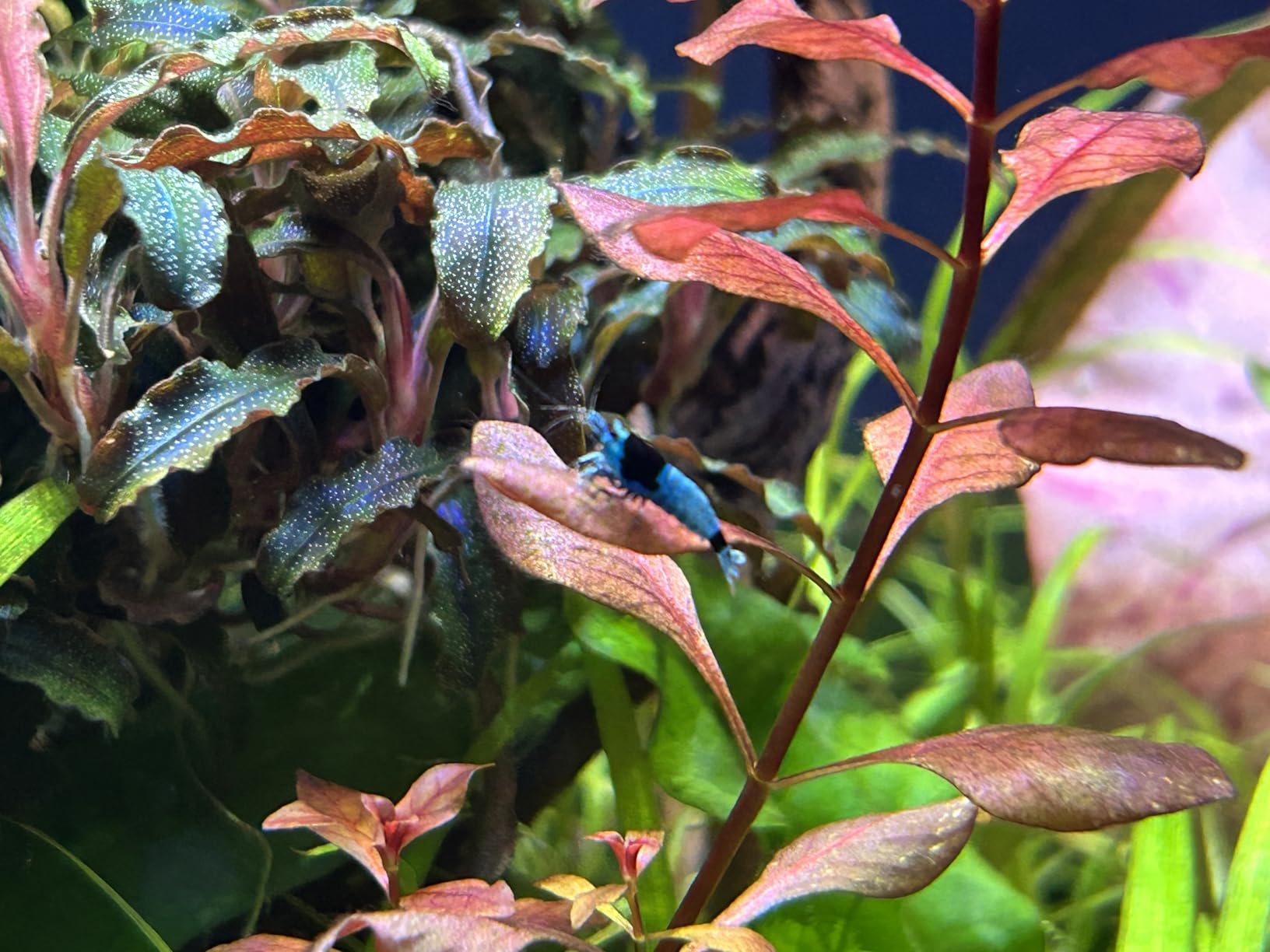
Some hobbyists successfully use tap water treated with conditioners, but only if their source water is exceptionally soft and free from copper, chloramines, and heavy metals. Test tap water thoroughly before committing to this approach. Even acceptable tap water may fluctuate seasonally or during municipal treatment changes, making RO water the safer long-term investment.
Drip Acclimation Process
Drip acclimation stands as a non-negotiable procedure when introducing Crystal Red Shrimp to a new tank. These sensitive invertebrates cannot tolerate sudden changes in water chemistry. The difference in pH, TDS, or temperature between their transport water and your aquarium can shock and kill them within hours without proper acclimation.
The drip acclimation process requires approximately 1-2 hours but dramatically improves survival rates. Start by floating the sealed bag in your aquarium for 15 minutes to equalize temperature. Then transfer shrimp and their water to a clean bucket. Using airline tubing with a knot or valve to restrict flow, begin a slow siphon from your aquarium to the bucket. Adjust the flow to 1-2 drops per second.
Allow the volume in the bucket to triple over 60-90 minutes. Periodically test TDS or GH to confirm the bucket water approaches your tank parameters. When parameters match, use a soft net to transfer shrimp to the aquarium. Never add the acclimation water to your tank, as it may contain shipping contaminants or different parameters that disrupt your system.
Filtration for Crystal Red Shrimp
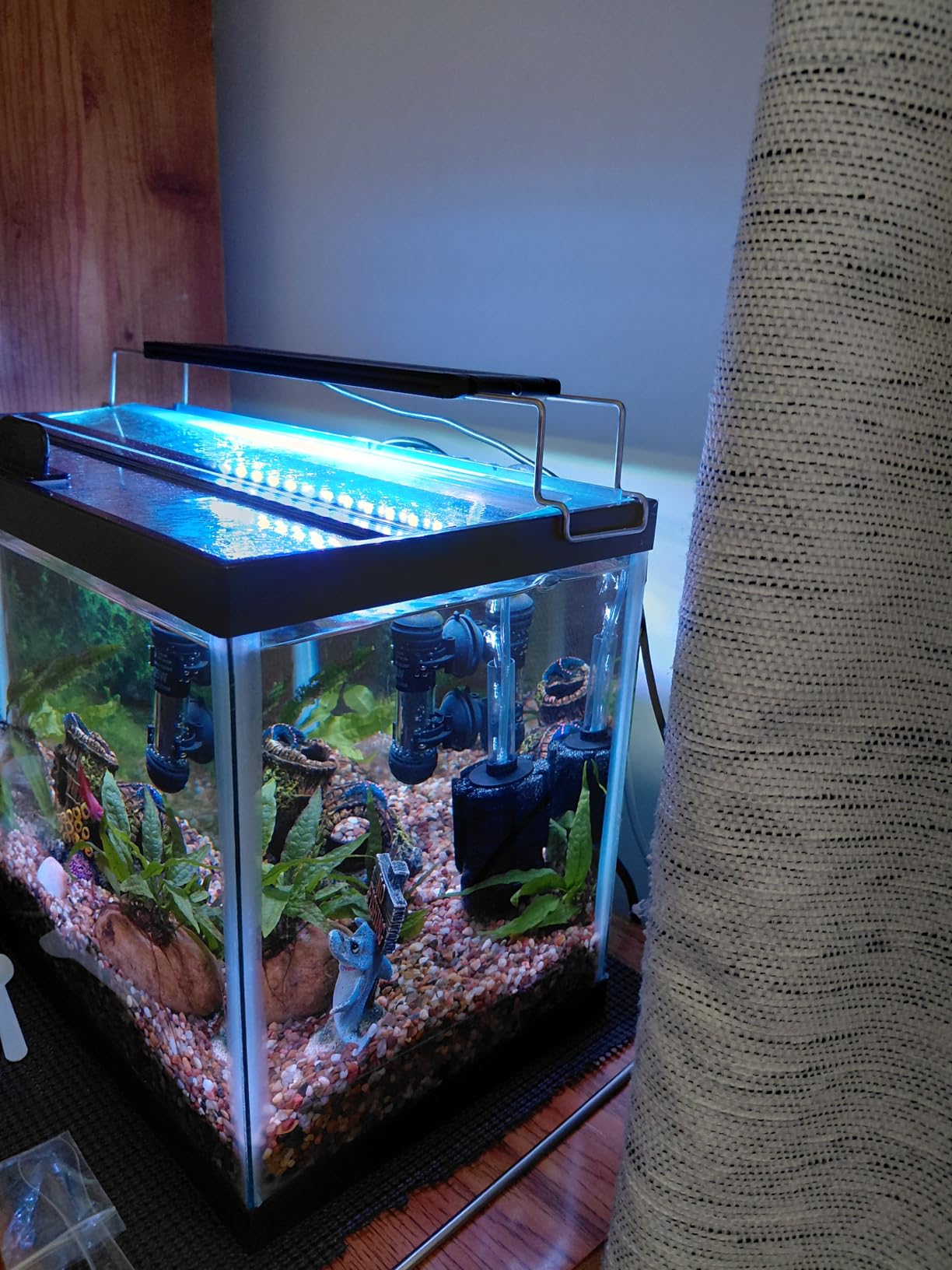
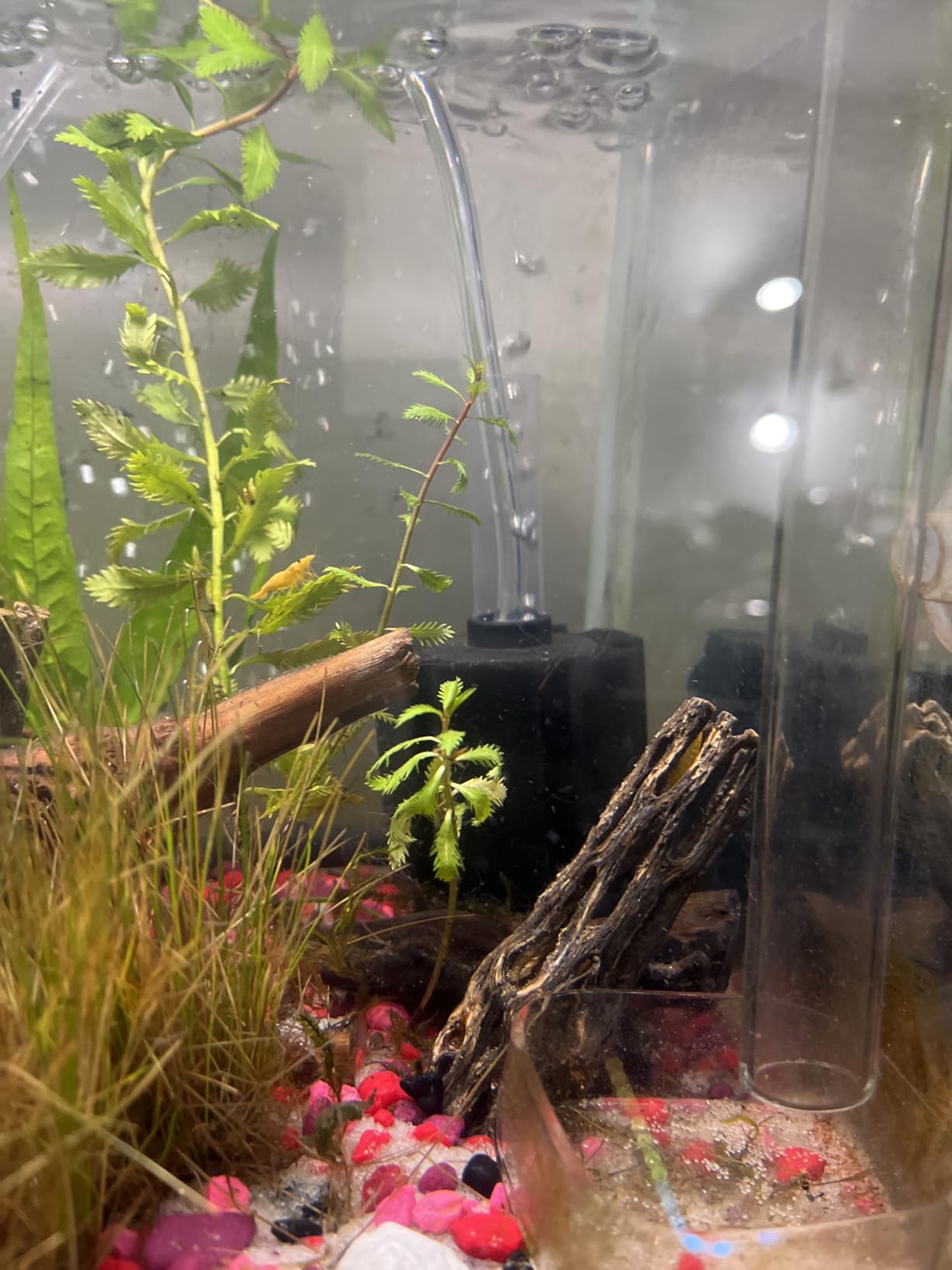
Sponge filters represent the gold standard for Crystal Red Shrimp filtration. Their gentle operation prevents sucking shrimplets or adults into filter intakes, a common cause of mortality with hang-on-back or canister filters. Additionally, the porous sponge material provides extensive surface area for beneficial bacteria while growing biofilm that serves as a constant food source.
AQUANEAT 3 Pack Aquarium Bio Sponge Filter...
Provides mechanical and bio filtration
Air infusion for oxygen
Soft sponge - safe for babies
Won't suck up shrimp
3-pack value
What we like
- Shrimp safe - no losses
- Gentle filtration
- Excellent biological surface
- Very affordable
- Easy maintenance
What could be better
- Requires air pump
- Can clog faster
- Needs occasional cleaning
The AQUANEAT Bio Sponge Filter provides both mechanical and biological filtration in a shrimp-safe design. The soft sponge material traps debris while allowing tiny shrimplets to graze safely. Air-driven operation creates gentle water flow that oxygenates without creating strong currents that stress shrimp. The 3-pack offers excellent value for those running multiple tanks or wanting backup filters during cleaning rotations.
If using hang-on-back or canister filters, cover all intakes with fine sponge pre-filters secured with zip ties. Check these daily for trapped shrimp. Pre-filters require weekly rinsing in old tank water to maintain flow rates. For nano tanks under 10 gallons, a well-maintained sponge filter often provides adequate filtration without the risks associated with powered filters.
Heating Crystal Red Shrimp Tanks
Crystal Red Shrimp thrive at temperatures between 68° and 74°F (20° to 23°C), with the lower portion of this range generally preferred. Cooler water holds more oxygen, slows shrimp metabolism (potentially extending lifespan), and often results in more vivid coloration. In heated homes maintaining 70-72°F, additional heating may prove unnecessary unless the tank location experiences temperature swings.
hygger Small Aquarium Betta Heater, Submersible...
LED digital display
External controller
Dry run protection
Thickened quartz glass
Super compact nano size
What we like
- Perfect for small tanks
- Easy temperature monitoring
- Safety features included
- Reliable accuracy
- External controls
What could be better
- May need calibration
- Suction cups tricky
- Display hard to read in bright light
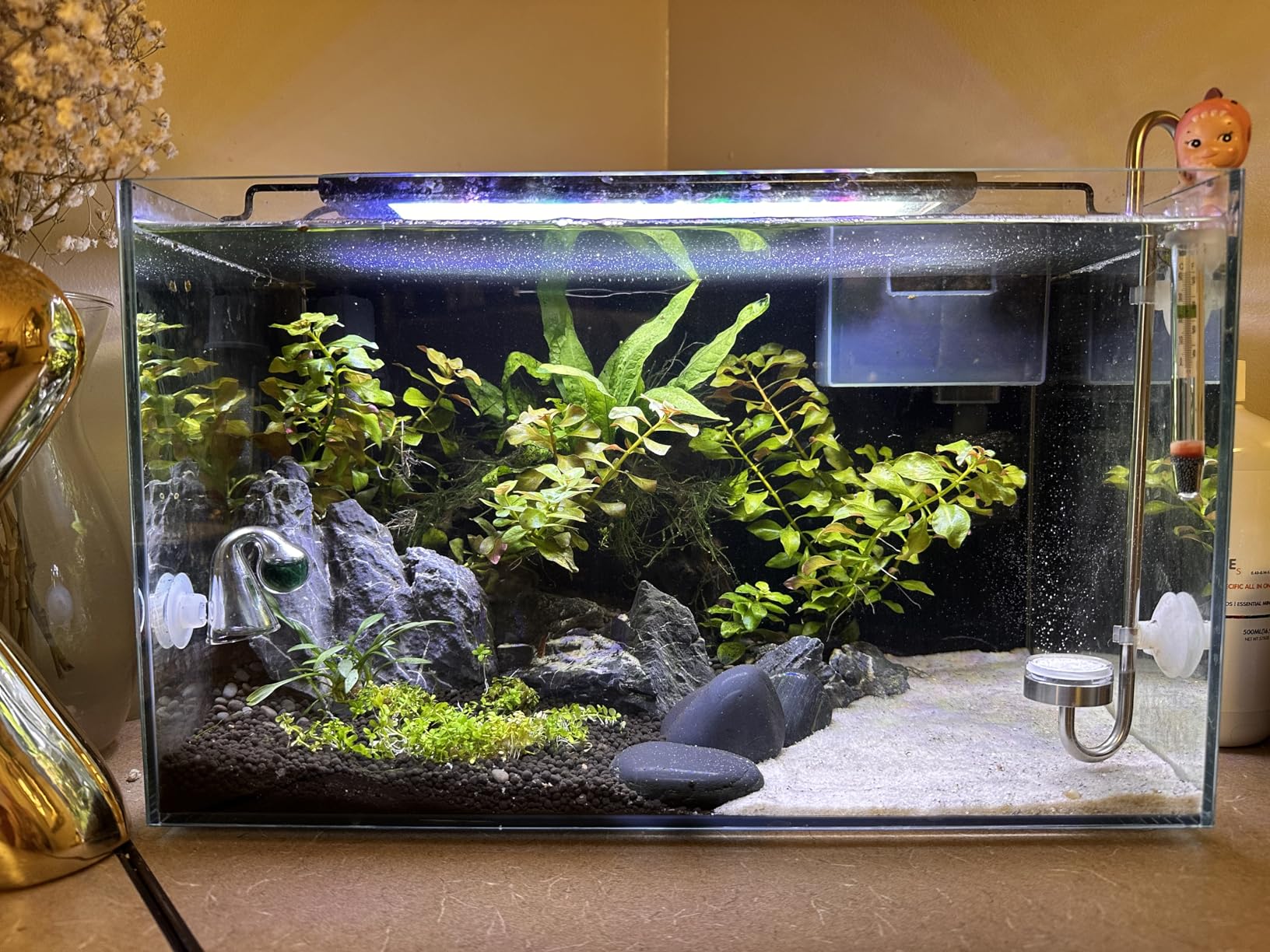
The hygger Small Aquarium Heater offers compact dimensions ideal for nano tanks where space is limited. Its digital display allows easy temperature monitoring without submerging hands, while safety features including dry-run and overheating protection prevent accidents during water changes or equipment failures. Choose the appropriate wattage for your tank size: 10-25 watts for tanks up to 10 gallons.
Temperature stability matters more than the specific temperature within the acceptable range. Avoid placing tanks near heating vents, drafty windows, or exterior walls. Use a reliable thermometer to verify heater accuracy, as even quality units may drift over time. During summer heat waves, consider small fans for evaporative cooling to prevent dangerous temperature spikes that stress shrimp.
Water Testing and Monitoring
Accurate water testing forms the foundation of successful Crystal Red Shrimp keeping. Liquid test kits provide superior accuracy compared to test strips, which often lack precision for the narrow parameter ranges Caridina shrimp require. Regular testing allows early detection of problems before they become fatal to sensitive shrimp.
API FRESHWATER MASTER TEST KIT 800-Test Freshwater...
800 tests included,Tests 5 vital parameters,More accurate than strips,Industry standard quality,Essential for cycling
What we like
- Highly accurate results
- Long lasting value
- Tests complete nitrogen cycle
- Dual pH ranges included
- Trusted brand reliability
What could be better
- More time consuming than strips
- Requires color matching
- Needs proper technique
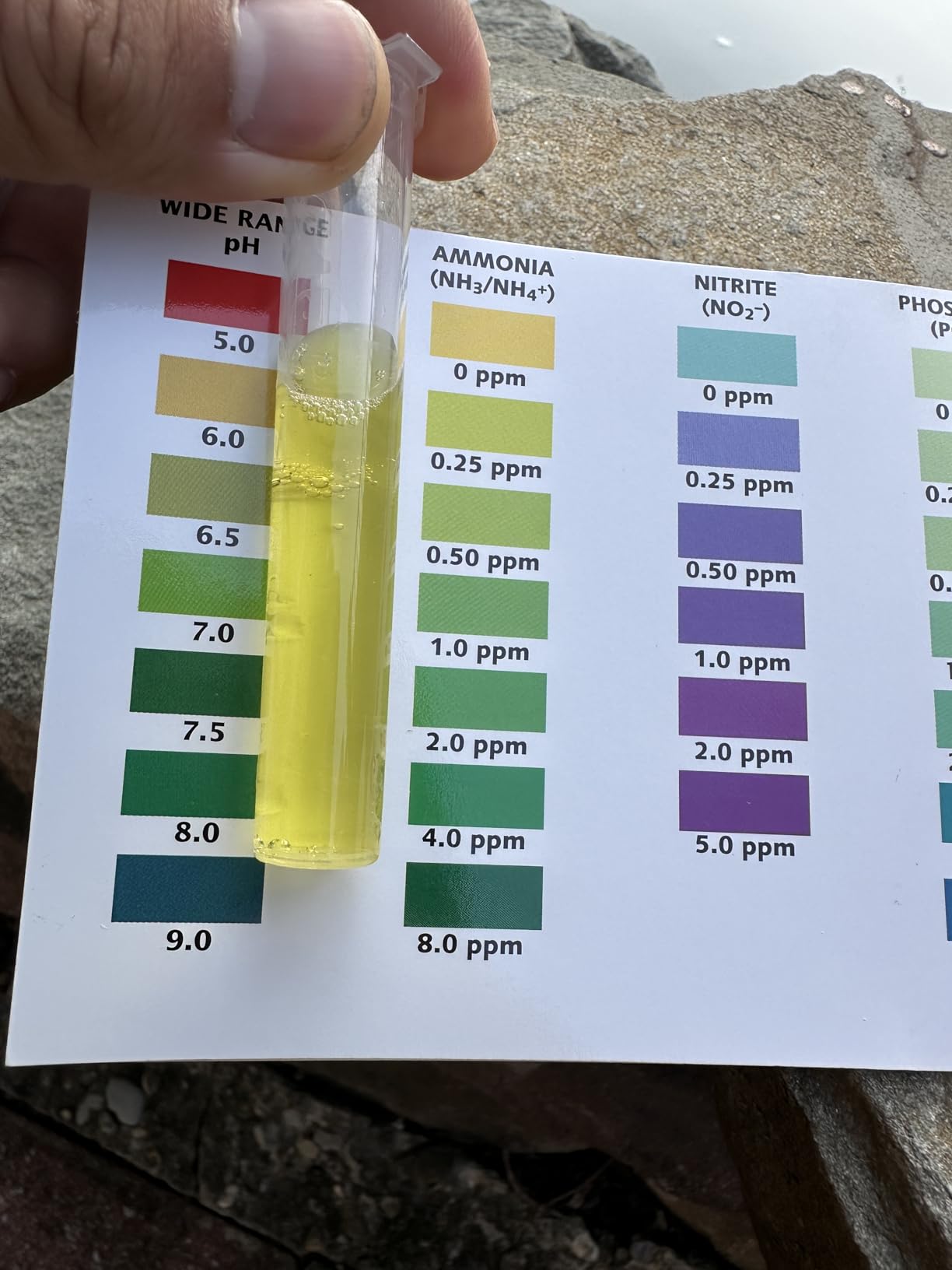
The API Freshwater Master Test Kit tests the five most critical parameters for shrimp tanks: pH, high-range pH, ammonia, nitrite, and nitrate. With 800 tests per kit, this investment lasts years and proves essential during the initial cycling period and ongoing maintenance. For Crystal Red Shrimp, pay particular attention to pH (target 6.2-6.8), ammonia (must be 0), and nitrite (must be 0).
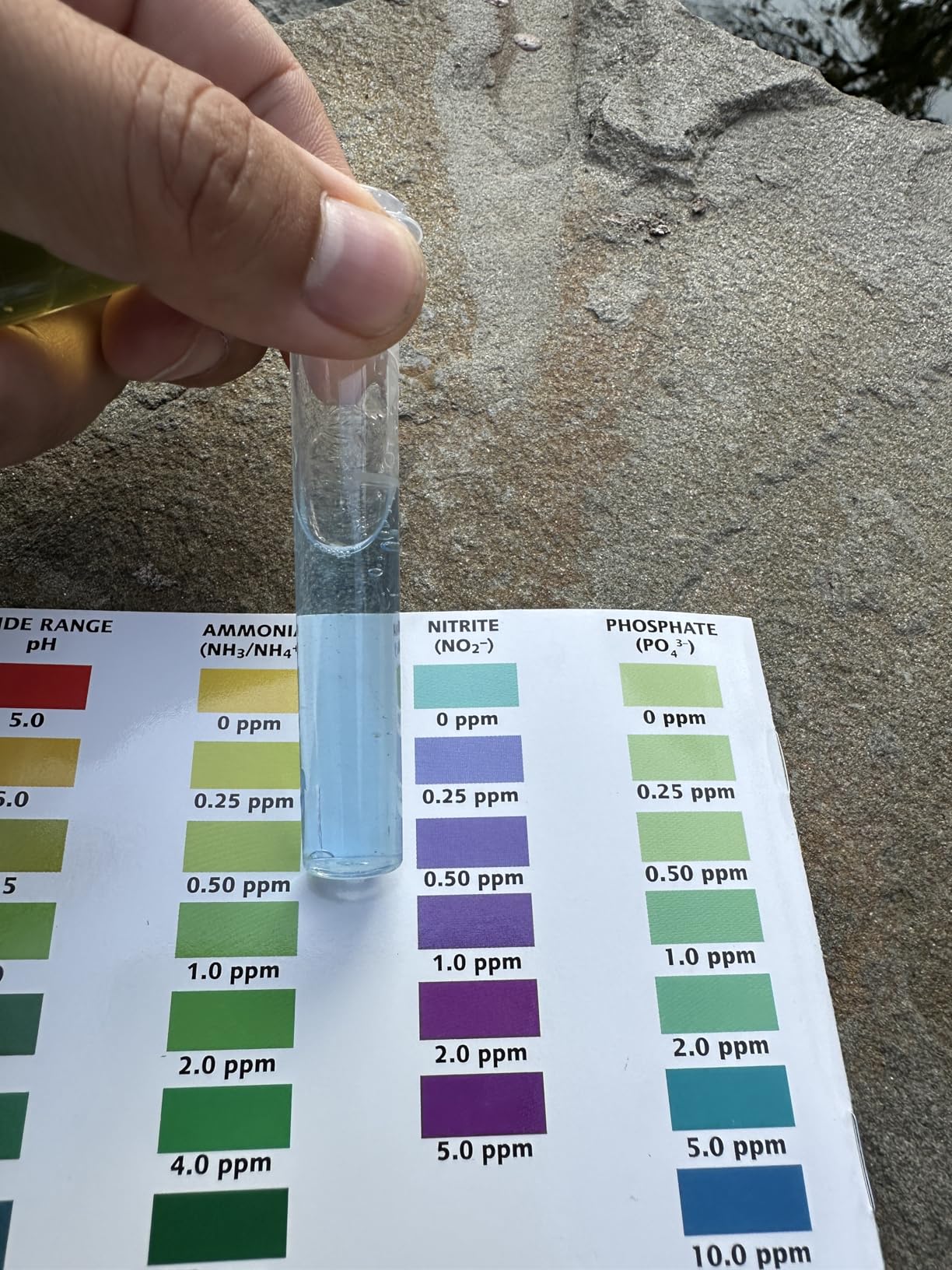
Supplement the liquid kit with a TDS pen for quick daily checks and a GH/KH test kit for hardness monitoring. Test new water before water changes to ensure proper remineralization. During the first month of a new tank, test ammonia and nitrite every 2-3 days. Once established, weekly testing of pH and TDS helps catch trends before they become problems.
Crystal Red Shrimp Feeding
Crystal Red Shrimp are omnivorous scavengers that naturally feed on biofilm, algae, aufwuchs (periphyton), and decaying plant matter. In a well-established planted tank with mature driftwood and leaf litter, supplemental feeding may require only 2-3 times per week. However, in newer tanks or breeding setups, quality commercial foods ensure proper nutrition for growth, color, and reproduction.
Dennerle Shrimp King Complete 1.587 oz (45g...
100% natural ingredients,Sinkable water-stable sticks,High-quality proteins,Amino acids from aquatic sources,Complete balanced nutrition
What we like
- Shrimp love the taste
- Promotes breeding
- Supports healthy molting
- Natural ingredients safe for all ages
- Long lasting supply
What could be better
- Higher price than generic brands
- Sticks may need breaking for small tanks
Dennerle Shrimp King Complete stands out as the premium choice for daily feeding. These sinkable sticks contain 100% natural ingredients with high-quality proteins and essential amino acids specifically balanced for freshwater dwarf shrimp. The formula supports healthy growth, vibrant coloration, and successful breeding while remaining safe for shrimplets. Many experienced breeders report increased breeding activity when switching to this food.
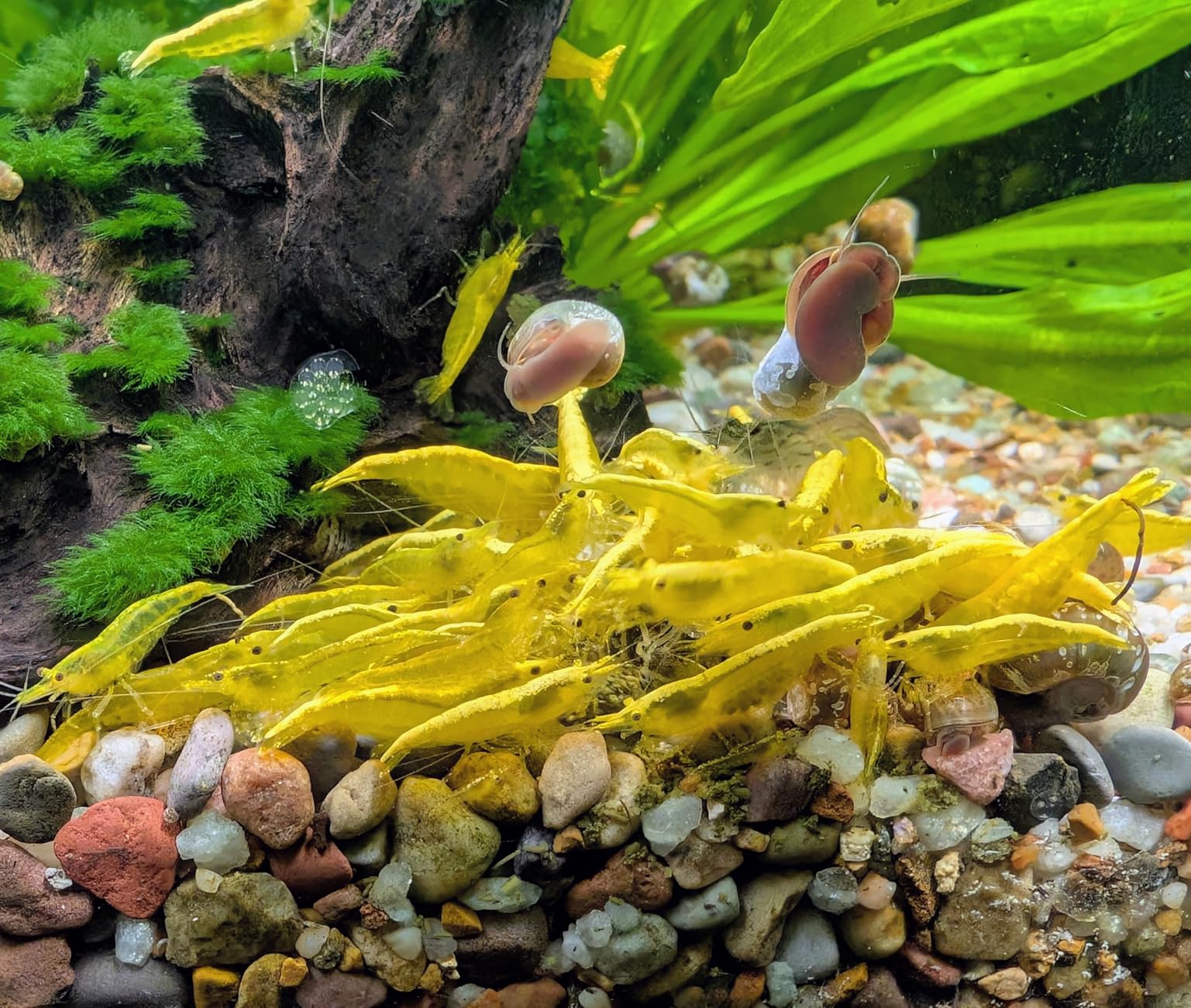
Supplement commercial foods with natural options for optimal health. Blanched vegetables (spinach, zucchini, cucumber) provide variety and fiber. Indian almond leaves (Catappa leaves) serve dual purposes as natural water conditioners and food sources as they decompose. The biofilm that grows on driftwood and botanicals provides constant grazing opportunities that mimic natural feeding behaviors.
SunGrow 50 pcs Catappa Indian Almond Leaves...
Natural water conditioner,Releases beneficial tannins,Lowers pH naturally,Antibacterial antifungal properties,Creates natural habitat
What we like
- Very affordable value pack
- Natural alternative to chemicals
- Reduces stress in shrimp
- Creates leaf litter habitat
- Helps treat fin issues
What could be better
- Stains water brown naturally
- Takes time to see pH effects
- Needs regular replacement
- Small size for large tanks
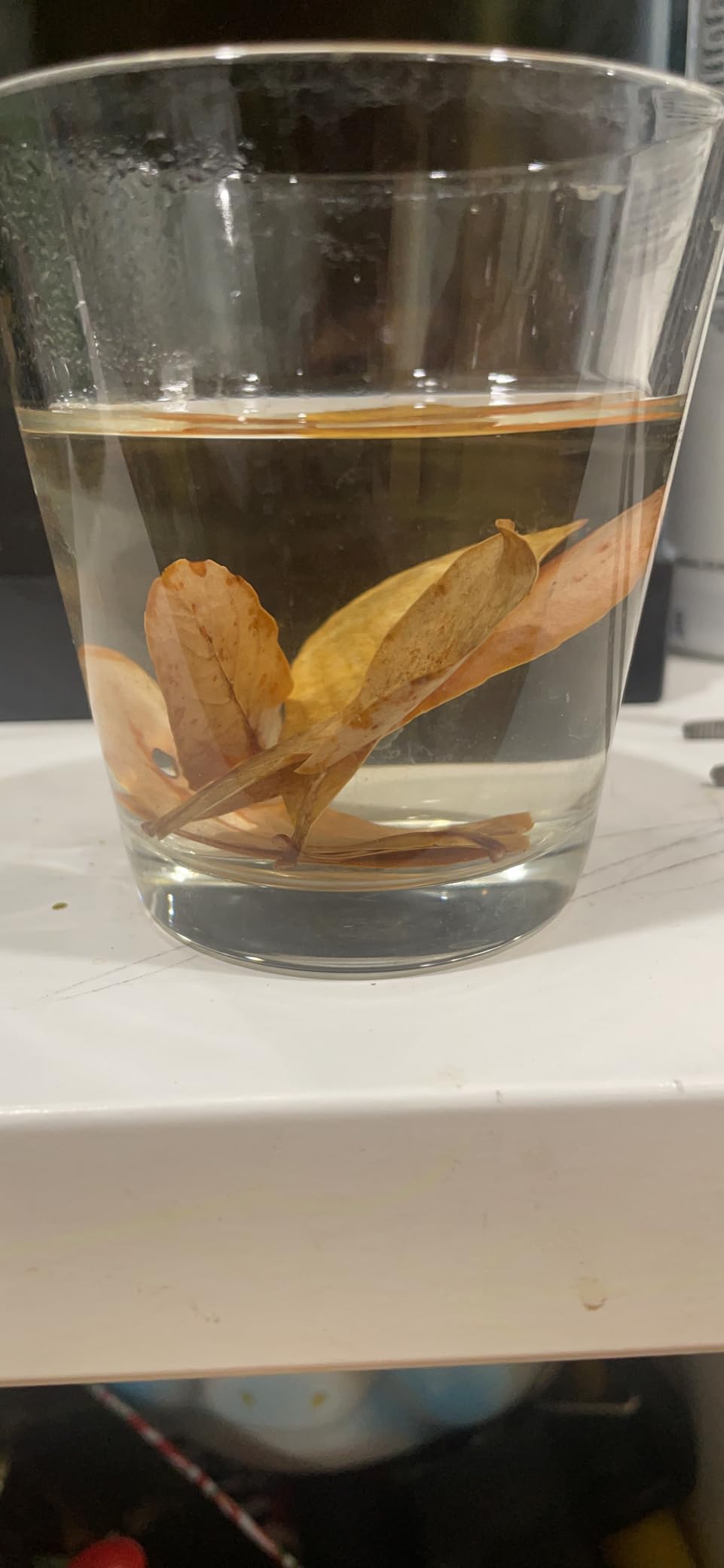
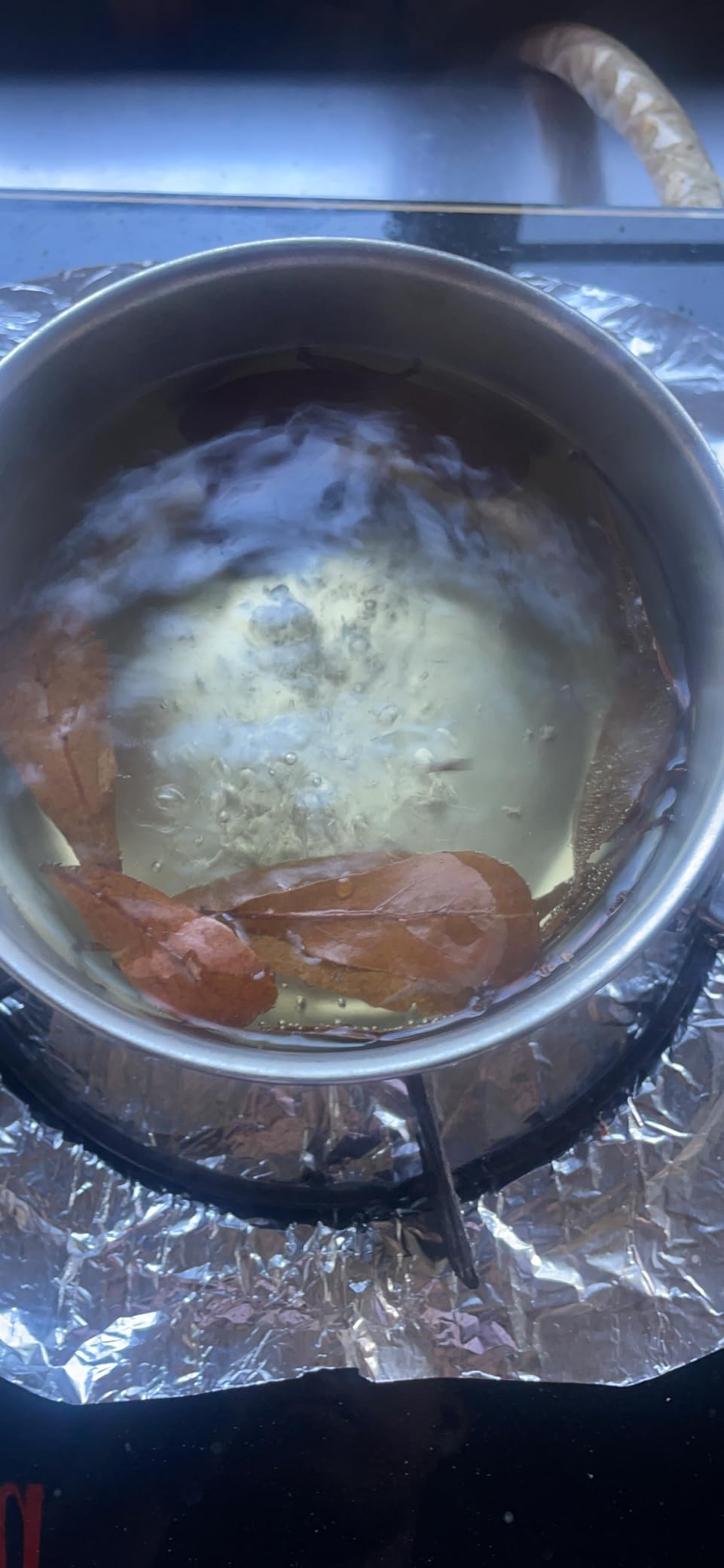
SunGrow Indian Almond Leaves provide natural tannins that lower pH and soften water while offering antibacterial and antifungal benefits. As they decompose, they create leaf litter that shrimplets particularly appreciate for grazing and hiding. Use 1 leaf per 10 gallons, replacing as they break down completely. The tannins may tint water brown, which is natural and beneficial for shrimp health.
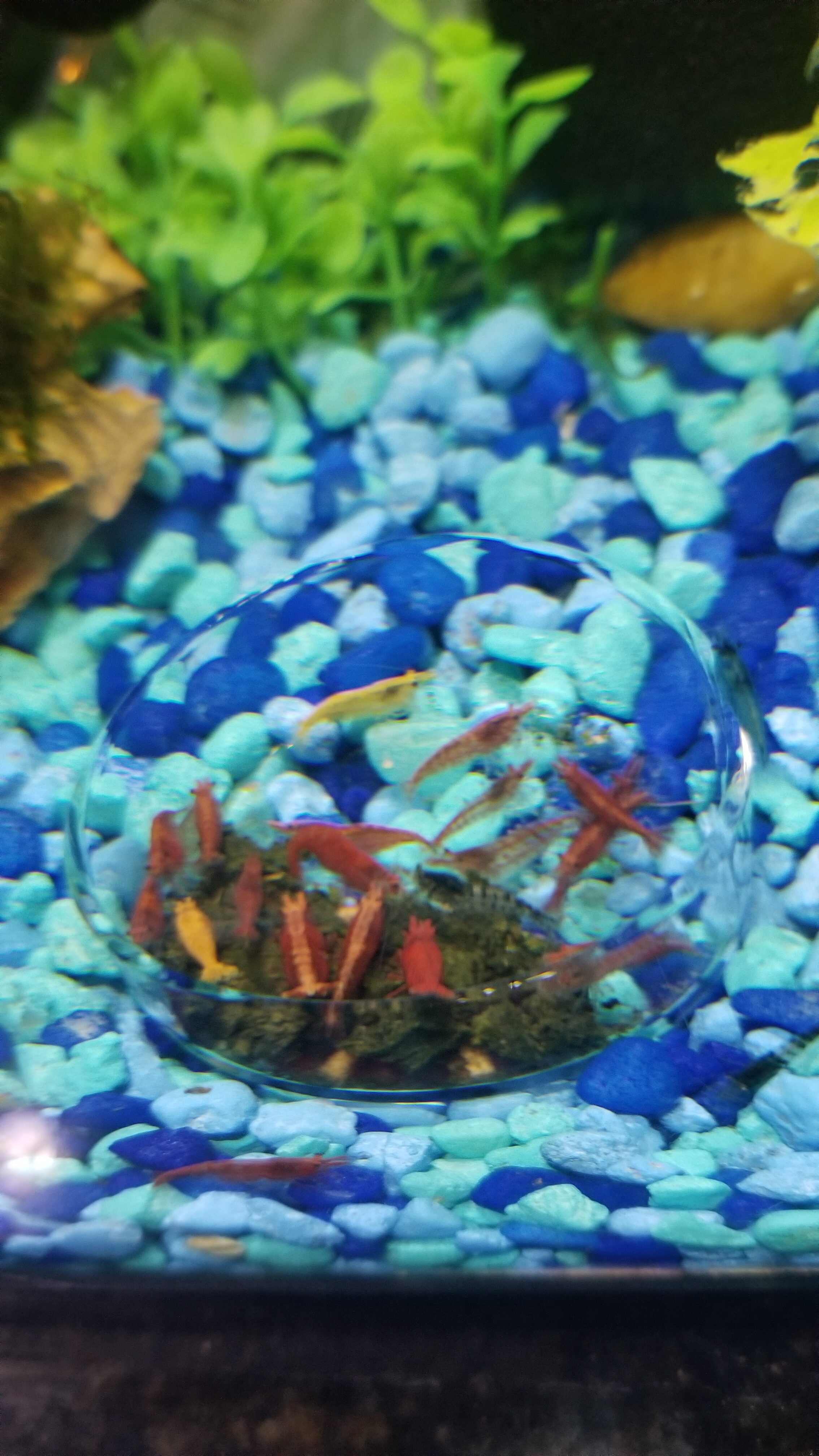
Feed only what shrimp consume within 2-3 hours. Remove uneaten food promptly to prevent water quality degradation. Overfeeding causes more problems than underfeeding in shrimp tanks, as excess nutrients fuel algae blooms and ammonia spikes. A varied diet including commercial foods, vegetables, and natural biofilm provides complete nutrition for thriving colonies.
Water Changes and Maintenance
Regular water changes maintain water quality while preventing dangerous parameter swings in Crystal Red Shrimp tanks. For established colonies, change 10-15% of the water weekly using properly prepared RO water remineralized to match tank parameters. Smaller, more frequent changes prove safer than large monthly changes that risk shocking the system.
Always ensure new water matches tank temperature within 1-2 degrees and parameters match closely. Use a drip method for water reintroduction if the difference exceeds 0.2 pH units or 20 ppm TDS. Never change more than 25% at once except in emergencies, as this disrupts the biofilm and established biological balance shrimp depend on.
Clean sponge filters monthly by gently squeezing in old tank water removed during changes. Never use chlorinated tap water to clean filter media, as this kills beneficial bacteria. Vacuum the substrate surface lightly only when debris accumulates excessively, as disturbing active soil releases ammonia and nutrients. Spot-clean visible waste and uneaten food daily using a turkey baster.
Advantages Of Having Crystal Red Shrimp In Your Tank
- Stunning Visual Appeal: The red and white coloration creates an attractive focal point in any planted aquarium, rivaling many expensive fish in beauty.
- Educational Value: Maintaining these sensitive shrimp teaches valuable lessons about water chemistry, biological filtration, and aquatic ecosystems.
- Peaceful Community Members: Their non-aggressive nature allows for harmonious community tanks with appropriate tankmates.
- Natural Algae Control: Constant grazing on biofilm and algae helps maintain clean surfaces in planted tanks.
- Breeding Potential: Successful breeding provides ongoing replenishment of the colony and potential for selective improvement.
- Active Behavior: Continuous foraging and social interactions provide entertainment value for aquarium observation.
- Small Space Requirements: Suitable for nano tanks where fish might feel cramped, making them ideal for apartment dwellers.
- Silent Operation: Unlike some tank inhabitants, shrimp make no noise, perfect for bedroom or office aquariums.
Disadvantages Of Having Crystal Red Shrimp In Your Tank
- Demanding Water Requirements: They require soft, acidic water that demands RO systems and active substrates, increasing setup costs.
- Parameter Sensitivity: Sudden changes in temperature, pH, or hardness can cause mass die-offs within hours.
- Copper Sensitivity: They cannot tolerate copper-based medications or plant fertilizers that contain copper, limiting treatment options.
- Limited Tankmate Options: Most fish either eat them or stress them, restricting community tank possibilities.
- Short Lifespan: With only 18-24 month average lifespans, maintaining long-term colonies requires continuous breeding success.
- Higher Initial Investment: Quality stock, specialized equipment, and proper substrates cost more than beginner shrimp setups.
- Prone to Failed Molts: Improper water parameters or nutrition can cause molting failures that prove fatal.
- Slow Colony Establishment: Breeding rates remain lower than Neocaridina species, requiring patience to build populations.
Frequently Asked Questions
Are crystal red shrimp hard to care for?
Crystal Red Shrimp are considered moderate to difficult in care level. They require specific water parameters (pH 6.2-6.8, soft water with GH 3-6, low KH 0-1) and stable conditions. Unlike hardy Cherry Shrimp, they cannot adapt to standard tap water and need RO water, active substrates, and careful acclimation. Success requires more preparation and equipment but rewards attentive keepers with stunning coloration and breeding success.
Can crystal shrimp live in tap water?
Most Crystal Red Shrimp cannot thrive in standard tap water. Their wild ancestors come from soft, acidic streams, and selective breeding has not increased their hardiness. Tap water often contains excessive minerals (TDS above 300), chloramines, copper, or other contaminants that harm Caridina shrimp. Successful keepers typically use RO/DI water remineralized to appropriate parameters with products like Salty Shrimp GH+.
What is the ideal tank size for crystal reds?
The minimum recommended tank size is 10 gallons. While they can survive in smaller volumes, larger tanks provide the stability necessary for long-term success. Crystal Red Shrimp are sensitive to parameter fluctuations that occur rapidly in small water volumes. A 10-gallon setup with proper filtration can support 50-100 adults, while 15-20 gallons offers even better stability for breeding colonies.
How often do crystal red shrimp molt?
Adult Crystal Red Shrimp typically molt every 3-6 weeks, while juveniles molt more frequently as they grow. The molting process is vulnerable; shrimp require proper GH (3-6 dGH) for exoskeleton formation and stable parameters for successful shedding. After molting, they remain soft and vulnerable for 24-48 hours while their new shell hardens. Never disturb the tank or handle shrimp during this recovery period.
What do SSS grade crystal red shrimp mean?
SSS grade represents the highest quality level in the Crystal Red Shrimp grading system. These specimens display 95% or more white coverage with pristine pattern definition and minimal color bleeding. The Mosura designation often applies to extreme SSS examples. Such premium shrimp command high prices and require excellent care to maintain their quality. Lower grades like C or B grade offer more affordable entry points for beginners.
Do male crystal red shrimp carry eggs?
No, only female Crystal Red Shrimp produce and carry eggs. After mating, females transfer fertilized eggs to their pleopods (swimmerets) where they carry them for approximately 30 days. The eggs are visible as a cluster beneath the tail. Males play only a fertilization role and never carry eggs. A berried female actively fans her eggs to oxygenate them until they hatch into miniature shrimplets.
Conclusion
Crystal Red Shrimp represent both a challenge and a reward for dedicated aquarists willing to provide the specialized care they require. Success with these beautiful Caridina shrimp demands understanding their specific needs: soft acidic water maintained by active substrates, RO water properly remineralized with shrimp-specific minerals, shrimp-safe sponge filtration, and stable parameters that avoid the fluctuations that stress sensitive invertebrates. The investment in proper equipment and careful acclimation procedures pays dividends in thriving colonies that display stunning red and white coloration.
For those considering crystal red shrimp care in 2026, approach the endeavor with patience and preparation. Start with quality equipment including reliable test kits, appropriate substrates, and safe filtration. Select healthy stock from reputable sources and acclimate them properly using drip methods. Maintain stable conditions rather than chasing perfect numbers, and remember that these shrimp reward attentive, consistent care with active behavior, successful breeding, and striking beauty that justifies their reputation as the jewels of the freshwater shrimp hobby.
Whether you are drawn to the challenge of maintaining precise water chemistry, the satisfaction of successful breeding projects, or simply the aesthetic appeal of watching these striped invertebrates graze through a planted aquascape, Crystal Red Shrimp offer a fulfilling aquarium experience. With the knowledge from this guide and quality products properly applied, you can join the community of successful CRS keepers enjoying these remarkable creatures in their home aquariums.
![Dwarf Crayfish Care Guide101: Appearance, Diet, & More |[cy]](https://www.aquamarinepower.com/wp-content/uploads/2026/07/featured-update-5842-1783855536283-300x225.jpg)
![Amano Shrimp Care101: Habitat, Look, Diet Size & More | [cy]](https://www.aquamarinepower.com/wp-content/uploads/2026/07/featured-update-5829-1783184652907-300x225.jpg)