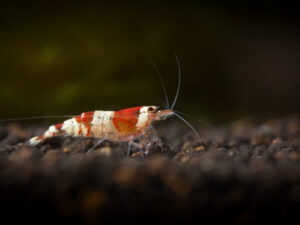
Dwarf Crayfish, also known as CPO crayfish or Mexican Dwarf Crayfish, have become one of the most popular invertebrates for freshwater aquariums in 2026. Their compact size, vibrant orange coloration, and active personalities make them an excellent choice for both beginner and experienced aquarists. These mini lobsters bring personality and movement to tanks without the aggression and space requirements of their larger crayfish cousins.
Whether you are setting up your first community tank or adding a cleanup crew to an established aquarium, this complete Dwarf Crayfish care guide covers everything you need to know. From their natural habitat in Mexico's Lake Pátzcuaro to proper water parameters, diet, breeding, and tank mate selection, you will find all the essential information to keep these fascinating crustaceans thriving.
This guide draws on the latest research and practical experience to help you provide the best possible care for your Cambarellus patzcuarensis. Let us dive into everything you need to know about these captivating little creatures.
Table of Contents
- Quick Facts: Dwarf Crayfish at a Glance
- Dwarf Crayfish: Species Summary
- Dwarf Crayfish: Food and Diet
- Dwarf Crayfish: Care and Tank Requirements
- Dwarf Crayfish: Tank Size
- Dwarf Crayfish: Water Parameters
- Filtration
- Heating
- Lighting
- Substrate
- Plants
- Decorations
- Dwarf Crayfish: Other Tank Accessories
- Dwarf Crayfish: Water Change Schedules
- Dwarf Crayfish: Monitoring Water Parameters
- Dwarf Crayfish: Cleaning The Tank
- Dwarf Crayfish: Cleaning The Filter
- Dwarf Crayfish: Common Possible Diseases
- Dwarf Crayfish: Preventing Diseases
- Dwarf Crayfish: Treatment and Medications
- Dwarf Crayfish: Tank Mates
- Advantages Of Having Dwarf Crayfish In Your Tank
- Disadvantages Of Having Dwarf Crayfish In Your Tank
- FAQ: Frequently Asked Questions About Dwarf Crayfish
- Conclusion
Quick Facts: Dwarf Crayfish at a Glance
| Scientific Name: | Cambarellus patzcuarensis |
| Common Names: | Dwarf Crayfish, Mexican Dwarf Crayfish, CPO Crayfish, Orange Dwarf Crayfish |
| Family: | Cambaridae |
| Origin: | Lake Pátzcuaro, Michoacán, Mexico |
| IUCN Status: | Endangered (extinct in the wild in Lake Pátzcuaro) |
| Average Size: | 1.5 - 2 inches (3.8 - 5 cm) |
| Lifespan: | 1.5 - 3 years (up to 5 years in optimal conditions) |
| Temperament: | Peaceful, active, social |
| Minimum Tank Size: | 5 gallons (10+ gallons for groups) |
| Ideal Temperature: | 65° - 75°F (18° - 24°C) |
| pH Range: | 6.5 - 8.0 |
| Water Hardness (gH): | 3 - 25 dGH |
| Carbonate Hardness (kH): | 1 - 15 dKH |
| TDS Range: | 100 - 500 ppm |
| Diet: | Omnivore (algae, detritus, pellets, vegetables) |
| Care Level: | Easy (Beginner-friendly) |
| Tank Region: | Bottom dweller with occasional climbing |
Dwarf Crayfish: Species Summary
Cambarellus patzcuarensis, commonly known as the Dwarf Crayfish or Mexican Dwarf Crayfish, belongs to the family Cambaridae. These fascinating crustaceans are among the smallest crayfish species available in the aquarium trade, making them ideal for nano tanks and community setups where larger crayfish would be unsuitable.
The abbreviation "CPO" stands for Cambarellus patzcuarensis orange, referring to the most common orange color morph found in the hobby. While wild specimens often display brown or dull coloration, selective breeding has produced vibrant orange, blue, and even bicolored variants that add a striking visual element to any aquarium.
Dwarf Crayfish: Natural Habitat
The natural history of the Dwarf Crayfish is both fascinating and sobering. These crustaceans are endemic to Lake Pátzcuaro, a high-altitude volcanic crater lake located in the Mexican state of Michoacán at approximately 7,200 feet above sea level. The lake spans roughly 32 miles of shoreline and maintains cool, stable water temperatures throughout the year.
In their native waters, Dwarf Crayfish inhabit rocky shorelines, submerged vegetation, and areas with abundant hiding places among stones and debris. They prefer slow-moving or still water with plenty of structure. The water chemistry of Lake Pátzcuaro is moderately hard with neutral to slightly alkaline pH, which explains their adaptability to a range of aquarium conditions.
Unfortunately, the IUCN Red List classifies Cambarellus patzcuarensis as Endangered, with the species believed to be extinct in the wild within Lake Pátzcuaro due to habitat degradation, pollution, and competition from introduced species. Today, virtually all Dwarf Crayfish in the aquarium trade are captive-bred specimens, making the hobby population crucial for the species' continued survival. This conservation context makes responsible keeping and captive breeding programs even more important.
Dwarf Crayfish: Appearance and Colors
Dwarf Crayfish possess the classic crayfish body plan scaled down to a miniature size. Their bodies consist of a fused cephalothorax (head and thorax combined) covered by a hard carapace, followed by a segmented abdomen ending in a broad tail fan. Like all crustaceans, they have ten legs, with the first pair modified into prominent chelipeds (claws) used for defense, feeding, and communication.

Their eyes sit atop movable stalks, giving them nearly 360-degree vision to spot predators and food. Beneath the tail, you can observe swimmerets (pleopods), small appendages used for swimming and, in females, for carrying eggs. Males can be distinguished from females by examining these swimmerets. Males have modified first swimmerets called gonopods, which are used for transferring sperm during mating.
Color variations in the hobby include the classic CPO (orange) morph, which displays vibrant orange to reddish-orange coloration with distinctive dark bands on the claws. Blue morphs show striking steel-blue to sapphire coloration, while wild-type specimens may appear brown, tan, or olive. Bicolored variants displaying combinations of red and blue also exist. Males typically grow slightly larger than females and may show more intense coloration, especially during breeding condition.
When purchasing Dwarf Crayfish, always inspect the exoskeleton carefully. Healthy specimens should have smooth, intact shells without cracks, white patches, or signs of damage. A damaged exoskeleton can indicate poor water conditions, nutritional deficiencies, or recent trauma that may compromise the animal's health.
Dwarf Crayfish: Size and Growth Rate
Adult Dwarf Crayfish reach a maximum size of 1.5 to 2 inches (3.8 to 5 cm) from the tip of the rostrum to the end of the tail. This compact size makes them among the smallest crayfish species available and allows them to thrive in aquariums much smaller than what their larger cousins require.
Their growth rate is relatively slow compared to fish. Juveniles may take 4 to 6 months to reach full adult size, depending on temperature, diet quality, and genetics. They grow through a series of molts, shedding their exoskeleton periodically as they outgrow it. Each molt allows for a rapid size increase before the new shell hardens.
Their diminutive size is a major selling point for aquarists with limited space. Unlike larger crayfish that need 20+ gallon tanks, Dwarf Crayfish can thrive in nano tanks of 5 to 10 gallons, making them accessible to hobbyists with space constraints or those interested in creating compact aquascapes.
Dwarf Crayfish: Lifespan
Under proper aquarium conditions, Dwarf Crayfish typically live between 1.5 and 3 years. While this is relatively short compared to many aquarium fish, some exceptionally well-cared-for specimens have been reported to reach 5 years of age. The key to maximizing their lifespan lies in maintaining stable water parameters, providing excellent water quality, and ensuring proper nutrition with adequate calcium for shell health.
The most common causes of premature death in Dwarf Crayfish include poor water conditions (especially ammonia or nitrite spikes), inadequate calcium leading to failed molts, copper exposure (which is fatal to all crustaceans), and aggression from incompatible tank mates. Stress from improper temperatures or aggressive companions can also significantly shorten their lifespan.
Because they are relatively short-lived compared to fish, many aquarists establish ongoing breeding programs to maintain their populations. Fortunately, Dwarf Crayfish are among the easiest crayfish species to breed in captivity, making self-sustaining colonies quite achievable with proper care.
Dwarf Crayfish: Breeding
One of the most rewarding aspects of keeping Dwarf Crayfish is their willingness to breed in home aquariums. Unlike many aquatic species that require specific triggers or conditions to reproduce, Dwarf Crayfish will often breed readily when provided with clean water, proper nutrition, and suitable hiding places.

The breeding process begins with mating behavior where the male deposits sperm packets (spermatophores) which the female stores internally. When ready to lay eggs, the female extrudes them and fertilizes them as they pass out of her body. She then attaches the eggs to her swimmerets using a sticky substance, carrying them beneath her abdomen for protection. This brooding period lasts approximately 2 to 4 weeks, during which the female continues normal activities while protecting her precious cargo.
A typical clutch contains 20 to 60 eggs, though first-time mothers may produce smaller batches. The eggs start dark and gradually lighten as they develop, eventually showing tiny eyespots and developing limbs before hatching. During the brooding period, it is crucial to provide the female with plenty of hiding spots and avoid stressing her with water changes or aggressive tank mates.
Upon hatching, the tiny larvae are miniature versions of adults and do not pass through a free-swimming larval stage like many marine crustaceans. They immediately begin foraging for microscopic food particles. Baby Dwarf Crayfish should be fed infusoria, powdered algae, or specially formulated fry foods until they are large enough to accept baby brine shrimp, microworms, or crushed pellets.
As the juveniles grow, they will molt frequently. Each molt makes them vulnerable to predation from tank mates, including adult crayfish. Providing plenty of hiding places and dense plant cover significantly improves survival rates. Juveniles typically reach breeding age within 3 to 4 months under optimal conditions.
Dwarf Crayfish: Behavior and Temperament
Dwarf Crayfish display remarkably complex behaviors for such small creatures. Unlike their larger, more aggressive crayfish relatives, CPOs are relatively peaceful and can be kept in groups without constant warfare. In fact, they seem to prefer social settings and are often observed interacting with conspecifics in what appears to be a loose social hierarchy.

Their activity level is one of their most endearing traits. While many crayfish hide all day and emerge only at night, Dwarf Crayfish are active throughout the day, constantly exploring, foraging, and interacting with their environment. They make excellent "cleanup crew" members, diligently scavenging for uneaten food and algae.
Perhaps the most critical behavioral aspect to understand is their vulnerability during molting. Like all crustaceans, Dwarf Crayfish must shed their rigid exoskeleton periodically to grow. During and immediately after a molt, they are soft, defenseless, and highly vulnerable to predation. They will typically hide completely for 24 to 48 hours while their new shell hardens. Providing abundant hiding places is not just a luxury but essential for their survival. Without adequate cover, even normally peaceful tank mates may attack and kill a molting crayfish.
Dwarf Crayfish communicate through various means including chemical signals, posturing with their claws, and tactile interaction. Males may display to females and rival males by raising their claws. They also engage in fascinating "boxing" matches where they gently spar with their claws, rarely causing actual harm.
These crayfish are also surprisingly adept climbers. Using their strong legs and claws, they can scale aquarium glass, filter tubes, and plant stems. This climbing ability makes a secure lid absolutely essential. Many hobbyists have learned this lesson the hard way after finding their crayfish dried out on the floor. A tight-fitting lid with no gaps larger than a few millimeters is mandatory.
Dwarf Crayfish: Food and Diet
Dwarf Crayfish are true omnivores with a strong scavenging instinct. In nature, they consume a varied diet of plant matter, algae, detritus, small invertebrates, and whatever protein sources they can capture or scavenge. This opportunistic feeding strategy makes them easy to feed in captivity, as they accept most standard aquarium foods.
A balanced diet for Dwarf Crayfish should include high-quality sinking pellets or algae wafers as a staple. These provide consistent nutrition and are readily accepted. Supplement this base diet with a variety of protein and vegetable foods to ensure optimal health and coloration.
Excellent food choices include:
- Commercial sinking pellets: High-quality shrimp or crayfish pellets provide balanced nutrition. Look for formulas with spirulina and calcium content.
- Algae wafers: These provide plant matter and spirulina, supporting digestive health and natural coloration.
- Blanched vegetables: Zucchini, spinach, cucumber, and carrots offer fiber and vitamins. Blanch vegetables briefly in boiling water to soften them, then cool before adding to the tank.
- Protein treats: Bloodworms, brine shrimp, daphnia, and mysis shrimp provide essential protein. Feed these 2 to 3 times per week for optimal growth and breeding condition.
- Calcium-rich foods: For shell health, offer occasional treats like blanched kale, calcium-fortified foods, or small pieces of cuttlebone. Proper calcium levels are critical for successful molting.
For more detailed information about crayfish nutrition and feeding strategies, you may also want to explore our comprehensive guide on what crayfish eat.
Dwarf Crayfish: Diet Foods To Avoid
While Dwarf Crayfish are not picky eaters, certain foods should be avoided to maintain their health. These include processed human foods, which often contain excessive salt, preservatives, and seasonings that can harm sensitive invertebrates.
- Spicy or seasoned foods: Avoid anything with garlic, onion, salt, or spices. These can cause digestive upset and stress.
- High-fat foods: Fatty meats and oily foods can lead to obesity and liver problems in crayfish.
- Copper-containing foods: Never feed foods formulated for other animals that may contain copper sulfate, as copper is lethal to all crustaceans.
- Sugary foods: Fruits high in sugar can cause digestive fermentation and water quality issues.
Feeding Schedule
Adult Dwarf Crayfish should be fed once daily, offering only as much food as they can consume within a few hours. Overfeeding leads to obesity, poor water quality, and increased aggression. Juveniles benefit from twice-daily feedings to support their rapid growth rate.
Because they are natural scavengers, Dwarf Crayfish will also consume algae, biofilm, and detritus in the tank, supplementing their diet naturally. This makes them excellent "tank janitors" that help keep the aquarium clean between maintenance sessions.
Dwarf Crayfish: Care and Tank Requirements
Proper Dwarf Crayfish care is straightforward and accessible even for beginners. These hardy crustaceans adapt well to a range of conditions, but providing optimal care ensures vibrant coloration, active behavior, and successful breeding. The following sections detail every aspect of creating the perfect environment for your mini lobsters.

The key to success with Dwarf Crayfish lies in understanding their specific needs regarding water parameters, hiding places, and the critical issue of molting vulnerability. While they are forgiving of minor mistakes, consistent care pays dividends in the form of healthy, colorful, and active specimens.
Dwarf Crayfish: Tank Size
The minimum recommended tank size for a single Dwarf Crayfish or a pair is 5 gallons. However, for groups or community setups, a 10 to 20-gallon tank provides better stability and more territory for multiple individuals. In larger tanks, you can keep groups of 5 to 10 crayfish comfortably, provided there are abundant hiding places to prevent territorial disputes.
A secure lid is absolutely non-negotiable. Dwarf Crayfish are escape artists that can climb glass, filter tubes, and airline hoses. A tight-fitting glass or mesh lid prevents tragic losses. Check regularly for any gaps larger than a few millimeters, as these determined crustaceans will test every possible exit point.
When designing the tank layout, prioritize floor space over height. Crayfish are bottom dwellers that spend most of their time foraging along the substrate. A long, shallow tank provides more usable territory than a tall, narrow one of the same volume.
Dwarf Crayfish: Water Parameters
Maintaining appropriate water parameters is essential for Dwarf Crayfish health and successful molting. While they are adaptable, consistent parameters within their preferred range will result in more active, colorful, and long-lived specimens.
The ideal water temperature range for Dwarf Crayfish is 65° to 75°F (18° to 24°C). They can tolerate brief periods slightly outside this range but should not be exposed to temperatures above 80°F or below 60°F for extended periods. In warmer climates or during summer months, a chiller or careful tank placement may be necessary to prevent overheating.
pH should be maintained between 6.5 and 8.0, with a target around 7.0 to 7.5 being ideal. Stability is more important than the exact value within this range. Sudden pH swings stress crayfish and can cause molting problems.
Water hardness deserves special attention for Dwarf Crayfish. General hardness (gH) should be between 3 and 25 dGH, while carbonate hardness (kH) should be 1 to 15 dKH. These minerals are essential for shell development and successful molting. Very soft water can lead to shell problems and failed molts. Total Dissolved Solids (TDS) should ideally fall between 100 and 500 ppm.
Perhaps the most critical parameter for any invertebrate is the complete absence of copper. Copper is toxic to all crustaceans at even minute concentrations. Never use copper-based medications in a crayfish tank. Ensure all water conditioners, fertilizers, and treatments are explicitly labeled as safe for invertebrates. Even trace amounts of copper from tap water pipes or certain plant fertilizers can be fatal.
Ammonia and nitrite should always read zero, while nitrates should be kept below 20 ppm through regular water changes. A well-cycled tank is essential before adding Dwarf Crayfish, as they are sensitive to ammonia and nitrite spikes.
Filtration
Good filtration is essential for maintaining the clean water conditions Dwarf Crayfish require. However, filter selection requires careful consideration for these small invertebrates. Powerful hang-on-back filters or canister filters with strong intake currents can suck in and kill small crayfish or baby specimens.
Sponge filters are often the best choice for Dwarf Crayfish tanks, particularly for breeding setups or tanks with juveniles. They provide gentle filtration, biological colonization for beneficial bacteria, and zero risk of sucking up baby crayfish. Additionally, sponge filters create a surface for biofilm growth, which provides a constant food source for grazing.
If using hang-on-back or canister filters, always cover the intake with a sponge pre-filter or fine mesh to prevent accidents. The sponge will need periodic cleaning to maintain flow rates but protects the crayfish while allowing beneficial filtration.
Regardless of filter type, aim for a filtration capacity that can turn over the tank volume 4 to 6 times per hour. This provides adequate oxygenation and waste removal without creating excessive current, which crayfish generally dislike.
Heating
Given their preferred temperature range of 65° to 75°F, Dwarf Crayfish typically do not require heating in most homes. Room temperature is often perfect for these cool-water crustaceans. In fact, higher temperatures can increase metabolism, shorten lifespan, and reduce oxygen levels in the water.
However, if you live in a very cold climate or keep the room temperature below 65°F, a submersible heater may be necessary. Choose a heater with a thermostat and place it where crayfish cannot climb onto it and get trapped or burned. A heater guard provides additional protection.
Always use a reliable aquarium thermometer to monitor temperature, regardless of whether you use a heater. Digital thermometers with probes provide the most accurate readings. Check temperature daily during seasonal transitions when ambient conditions may fluctuate.
Lighting
Dwarf Crayfish do not have specific lighting requirements and generally prefer subdued lighting to bright illumination. In nature, they inhabit areas with dappled light or shade provided by vegetation and rocks. In the aquarium, moderate lighting that supports plant growth is sufficient.
Standard LED aquarium lights set on a timer for 8 to 10 hours daily work well. The lighting should primarily serve the needs of any live plants in the tank, with the understanding that crayfish appreciate shaded areas created by decorations and dense vegetation.
Avoid intense lighting that would be required for high-tech planted tanks, as this can stress crayfish and encourage excessive algae growth. If you must use bright lights for plants, ensure there are plenty of caves, driftwood, and plant cover providing dim retreats.
Substrate
Dwarf Crayfish are natural burrowers that enjoy digging through the substrate. A soft, sandy substrate of 1 to 2 inches depth allows them to exhibit this natural behavior while being gentle on their delicate appendages. Fine gravel can also work but avoid sharp substrates that could damage their exoskeleton.
Dark-colored sand, such as black or dark brown aquarium sand, makes an excellent choice. It creates a natural-looking environment and helps showcase the bright orange or blue coloration of the crayfish. The dark background makes them easier to observe as they forage.
Avoid coarse gravel or substrates with sharp edges, as these can scratch or damage the crayfish's soft underbelly and appendages. Crushed coral or aragonite sand can help buffer pH and increase hardness, which may be beneficial in soft water areas but should be used cautiously as it may raise pH above the preferred range.
Plants
Live plants serve multiple purposes in a Dwarf Crayfish tank. They provide hiding places, improve water quality, offer surfaces for biofilm growth, and create a more natural environment. While crayfish may occasionally uproot or nibble on plants, they are generally less destructive than larger crayfish species.
Excellent plant choices include:
- Java Fern: Tough, low-light plant that attaches to rocks or driftwood. Its dense leaves provide excellent hiding spots.
- Anubias: Another hardy rhizome plant that crayfish rarely eat. Slow-growing and tolerant of various conditions.
- Hornwort: Fast-growing floating plant that provides cover and helps remove nitrates from the water.
- Mosses: Java moss, Christmas moss, and peacock moss create dense carpets where baby crayfish can hide and forage.
- Amazon Sword: Larger plant with sturdy leaves that can withstand some crayfish attention while providing cover.
Plant heavily to provide cover throughout the tank. This is especially important during molting when crayfish need secure hiding spots. Fast-growing stem plants can also work but may need frequent replacement if crayfish damage them excessively.
Decorations
Hiding places are not optional for Dwarf Crayfish. They are essential for reducing stress, preventing aggression, and ensuring survival during molting. Each crayfish should have access to multiple hiding spots throughout the tank.
Excellent decoration options include:
- Caves and tubes: Commercially available shrimp caves, PVC pipe sections, and ceramic tubes provide secure retreats.
- Driftwood: Mopani wood, spider wood, and Malaysian driftwood create natural hiding places and surfaces for biofilm.
- Rock piles: Smooth river rocks or pebbles stacked to create crevices and caves. Ensure rocks are stable and cannot collapse.
- Clay or ceramic pots: Flower pots or specialized aquarium caves made from inert materials provide excellent hiding spots. Overturned pots with entrance holes drilled in the sides work particularly well.
Arrange decorations to create a variety of open areas for foraging and sheltered zones for hiding. A well-structured tank reduces stress and aggression while encouraging natural behaviors.
Dwarf Crayfish: Other Tank Accessories
Several additional items will help maintain optimal conditions for your Dwarf Crayfish:
- Water test kit: A liquid test kit for pH, ammonia, nitrite, and nitrate is essential for monitoring water quality. Test weekly or when issues arise.
- Thermometer: Digital or stick-on thermometers help ensure temperature stays within the 65° to 75°F range.
- Water conditioner: A dechlorinator that is explicitly labeled safe for invertebrates. Ensure it does not contain any copper or aloe vera, which can harm crustaceans.
- Cuttlebone or calcium source: A piece of cuttlebone, crushed eggshells, or specialized calcium supplements help ensure adequate calcium for shell health. Place cuttlebone in the tank where crayfish can graze on it.
Dwarf Crayfish: Water Change Schedules
Regular water changes are critical for maintaining the clean conditions Dwarf Crayfish need. Perform a 20% to 30% water change weekly for established tanks. Smaller, more frequent changes are preferable to larger, infrequent changes that can shock the system.
Always use a dechlorinator safe for invertebrates when adding new water. Match the temperature of the new water to the tank water to avoid temperature shock. Never change more than 50% of the water at once except in emergencies, as this can destabilize the biological balance and stress inhabitants.
During water changes, use a siphon to remove debris from the substrate surface. This removes uneaten food and waste before they decompose and foul the water. Be careful not to disturb crayfish hiding in the substrate. Work around them or temporarily remove decorations to avoid accidentally harming burrowed specimens.
Dwarf Crayfish: Monitoring Water Parameters
Consistent monitoring prevents problems before they become critical. Test water parameters weekly using a reliable liquid test kit. Record results in a log to track trends over time. Sudden parameter shifts often indicate problems requiring immediate attention.
Key parameters to monitor:
- Ammonia: Should always be 0 ppm. Any detectable ammonia indicates a problem with the biological filter or overstocking.
- Nitrite: Should always be 0 ppm. Nitrite is toxic even at low levels.
- Nitrate: Keep below 20 ppm through water changes. While less toxic than ammonia or nitrite, high nitrates stress crayfish and promote algae growth.
- pH: Should remain stable within the 6.5 to 8.0 range. Sudden pH crashes can be fatal.
- Temperature: Check daily to ensure it remains within 65° to 75°F.
Dwarf Crayfish: Cleaning The Tank
Beyond water changes, occasional thorough cleaning maintains a healthy environment. Every few months, gently clean the glass with an algae magnet or scraper. Avoid using soap or chemicals inside the tank. If removing decorations for cleaning, rinse them in tank water during a water change to preserve beneficial bacteria.
Never clean the entire tank at once. This can destroy the biological filtration and crash the nitrogen cycle. Instead, clean different areas during different maintenance sessions. This preserves enough beneficial bacteria to maintain water quality.
Dwarf Crayfish: Cleaning The Filter
Filter maintenance depends on the filter type. Sponge filters should be gently squeezed in old tank water during water changes to remove debris while preserving beneficial bacteria. Never use chlorinated tap water to clean filter media, as this kills the bacteria essential for maintaining water quality.
For hang-on-back or canister filters, rinse mechanical media in tank water and replace chemical media (carbon, etc.) according to manufacturer recommendations. Biological media should rarely be cleaned and only in tank water when absolutely necessary.
Clean only one filter at a time in tanks with multiple filters. This prevents a complete loss of biological filtration. Never clean the filter and the substrate during the same maintenance session.
Dwarf Crayfish: Common Possible Diseases
Dwarf Crayfish are generally hardy but can suffer from several health issues. Understanding these problems helps with early detection and treatment.
Bacterial infections are the most common health problem. They typically manifest as white patches, fuzzy growths, or discolored areas on the shell. Infected crayfish may become lethargic, stop eating, or display unusual behavior. Bacterial infections usually result from poor water quality, injury, or stress. Treatment involves improving water conditions and may require veterinary-prescribed antibiotics safe for invertebrates.
Failed molts occur when a crayfish cannot shed its old exoskeleton properly. This usually results from inadequate calcium, improper water parameters, or sudden environmental changes. A crayfish stuck in a molt is in mortal danger. Prevention through proper calcium supplementation and stable parameters is far more effective than treatment.
Crayfish Plague (Aphanomyces astaci) is a devastating fungal-like disease that is fatal to all freshwater crayfish. Though primarily a problem in Europe affecting wild populations, awareness is important. It spreads through contaminated water, equipment, or food. There is no cure, and prevention through strict quarantine and equipment sterilization is essential. Never release aquarium crayfish into the wild or use wild-caught food items.
Dwarf Crayfish: Preventing Diseases
Prevention is always more effective than treatment with crayfish diseases. Maintain excellent water quality through regular water changes and proper filtration. Quarantine all new specimens in a separate tank for 2 to 4 weeks before adding them to the main display. This prevents introducing diseases to established populations.
Provide a calcium-rich diet and maintain proper gH and kH levels to support strong shells and successful molts. Avoid copper in all forms and ensure all water additives are invertebrate-safe. Minimize stress by providing adequate hiding places, compatible tank mates, and stable conditions.
When performing maintenance, use dedicated equipment for each tank or sterilize items between tanks. This prevents cross-contamination of potential pathogens. Simple measures like washing hands and equipment between tanks significantly reduce disease transmission risks.
Dwarf Crayfish: Treatment and Medications
Treating sick crayfish presents unique challenges because most fish medications contain copper or other ingredients lethal to invertebrates. Always read labels carefully and only use medications explicitly labeled safe for crustaceans.
Safe treatments include:
- Antibiotics specifically formulated for invertebrates (consult an aquatic veterinarian)
- Salt baths using aquarium salt at very low concentrations (research proper dosing carefully)
- Improved water conditions and nutrition to support the immune system
Never use:
- Copper-based medications (fatal to crayfish)
- Malachite green or formalin-based treatments
- Any medication not explicitly labeled invertebrate-safe
When in doubt, consult an aquatic veterinarian experienced with invertebrates. Many fish medications will kill crayfish faster than the disease would.
Dwarf Crayfish: Tank Mates
Choosing compatible tank mates is crucial for Dwarf Crayfish success. While they are more peaceful than larger crayfish, they are still opportunistic predators that will eat anything small enough to overpower. Similarly, they can fall prey to larger or more aggressive fish.
Good tank mates include:
Peaceful Community Fish
Small, peaceful fish that swim in the upper and middle water columns make excellent companions. These species are large enough to avoid being prey but small enough not to threaten adult crayfish:
- Neon Tetra - Small, peaceful schooling fish that occupy different tank regions
- Harlequin Rasbora - Active, peaceful fish that stay away from the bottom
- Rummy Nose Tetra - Tight-schooling fish that are too large for crayfish to eat
- Guppies - Peaceful livebearers, though fry may be eaten
- Celestial Pearl Danio - Small but quick enough to avoid crayfish
- Platies - Peaceful, hardy fish that occupy open water
- Swordtail Fish - Active swimmers that generally ignore crayfish
- Ember Tetra - Tiny but fast enough to avoid predation
Other Invertebrates
Peaceful invertebrates can coexist with Dwarf Crayfish, though monitoring is essential:
- Assassin Snails - Too large and armored for crayfish to harm
- Cherry Shrimp and Neocaridina - Sometimes compatible, though small shrimp may be eaten. Provide dense plant cover.
- Nerite Snails - Excellent algae eaters with hard shells that resist crayfish claws
- Mystery Snails - Large enough to coexist safely with adult crayfish
Tank Mates to Avoid
Certain fish should never be housed with Dwarf Crayfish:
- Large or aggressive fish: Cichlids, large barbs, and predatory fish will eat crayfish, especially during molts when they are defenseless.
- Fin nippers: Tiger barbs, serpae tetras, and similar species will harass crayfish and damage their delicate appendages.
- Slow-moving fish with long fins: Betta fish, gouramis, and fancy goldfish may have fins nipped by curious crayfish.
- Very small fish or fry: Baby fish will be eaten by even the smallest crayfish.
- Bottom-dwelling competitors: Loaches and catfish may compete for territory and food, leading to stress and aggression.
Interested in other small invertebrates? Check out our Thai Micro Crab care guide or our Freshwater Pom Pom Crab care guide for more crustacean options.
Advantages Of Having Dwarf Crayfish In Your Tank
Adding Dwarf Crayfish to your aquarium brings numerous benefits beyond their undeniable charm. Understanding these advantages helps you maximize their potential in your setup.
- Entertainment value: Their active, inquisitive nature makes them fascinating to watch. Unlike shy aquarium inhabitants, CPOs are constantly exploring, foraging, and interacting with their environment.
- Algae control: As constant grazers, they help keep algae in check. While not as specialized as algae-eating shrimp or snails, they contribute significantly to tank cleanliness.
- Cleanup crew duties: They enthusiastically consume uneaten food, detritus, and decaying plant matter. This reduces waste buildup and improves water quality.
- Small footprint: Their compact size allows keeping them in smaller tanks where larger crayfish would be unsuitable. A 10-gallon tank can support a small colony.
- Breeding potential: Their willingness to breed in captivity provides an ongoing supply of fascinating juveniles and may allow you to share or trade with other hobbyists.
- Beginner-friendly: Their hardiness and adaptability make them excellent first invertebrates for those transitioning from fish-only tanks.
- Educational value: Observing molting, breeding, and social behaviors provides insight into crustacean biology that is both educational and rewarding.
Disadvantages Of Having Dwarf Crayfish In Your Tank
Despite their many positive attributes, Dwarf Crayfish are not perfect for every situation. Consider these potential drawbacks before adding them to your aquarium.
- Escape risk: Their climbing ability means you must maintain a secure lid at all times. Even small gaps can provide an exit route, leading to dried-out casualties on the floor.
- Plant damage: While less destructive than larger crayfish, they may uproot delicate plants or nibble on soft leaves. Plant selection and secure planting techniques are important.
- Predatory tendencies: Small fish, shrimp, and snails may be eaten, especially baby specimens or molting adults. This limits tank mate options.
- Short lifespan: With an average lifespan of 1.5 to 3 years, you will need to maintain breeding populations or purchase replacements periodically.
- Copper sensitivity: Their extreme sensitivity to copper limits medication options if diseases strike your tank. Treatment becomes complicated if other inhabitants require copper-based medications.
- Hiding during molts: For several days each month, they will hide completely while molting. This can concern new owners who think their crayfish has disappeared or died.
- Waste production: Like all crayfish, they produce noticeable waste. Regular maintenance is necessary to keep water quality high.
FAQ: Frequently Asked Questions About Dwarf Crayfish
Are dwarf crayfish easy to keep?
Yes, dwarf crayfish are considered easy to care for and make excellent beginner invertebrates. They are hardy, adaptable to various water conditions within their preferred range, and tolerate beginner mistakes better than many sensitive shrimp species. They require basic aquarium maintenance, stable water parameters, and a secure lid to prevent escapes. Their omnivorous diet makes feeding simple, and they help keep the tank clean by consuming algae and uneaten food.
What size tank do dwarf crayfish need?
A single dwarf crayfish or pair can live comfortably in a 5-gallon tank. However, a 10-gallon tank is recommended for groups or community setups. For colonies of 5 to 10 crayfish, a 20-gallon tank provides adequate space and stability. The most important consideration is providing plenty of hiding places regardless of tank size, as crayfish need secure retreats during molting.
Do dwarf crayfish need a bubbler?
While not strictly required if you have adequate filtration, an air stone or bubbler can provide beneficial supplemental oxygenation. Dwarf crayfish prefer well-oxygenated water, and gentle surface agitation helps maintain gas exchange. A sponge filter with an air pump serves dual purposes by providing both filtration and aeration, making it an excellent choice for crayfish tanks.
What fish can live with a dwarf crayfish?
Peaceful community fish that occupy the upper water column make the best tank mates. Good options include tetras (neon tetra, cardinal tetra, ember tetra), rasboras, guppies, platies, swordtails, and celestial pearl danios. Avoid large or aggressive fish, fin nippers, bottom dwellers, and very small fish that might be eaten. Always provide abundant hiding places for crayfish to retreat during molting when they are vulnerable.
How often do dwarf crayfish molt?
Juvenile dwarf crayfish molt frequently, sometimes every few days, as they grow rapidly. Adult crayfish typically molt every 3 to 6 weeks depending on temperature, diet, and growth rate. Each molt takes 24 to 48 hours from the initial split of the old shell to full hardening of the new exoskeleton. During this time, the crayfish remains hidden and should never be disturbed or fed, as they are completely defenseless.
Why is copper dangerous for dwarf crayfish?
Copper is extremely toxic to all crustaceans, including dwarf crayfish, because it damages their respiratory system and interferes with oxygen transport in their blood. Even trace amounts found in some tap water, medications, or fertilizers can be lethal. Always use copper-free water conditioners and medications explicitly labeled safe for invertebrates. Never use copper-based treatments in a tank containing crayfish.
How can I tell male from female dwarf crayfish?
Males are typically slightly larger with a more streamlined abdomen. Females have a broader abdomen to accommodate eggs and possess a sperm receptacle between the walking legs. The most reliable method is examining the swimmerets under the tail. Males have the first pair of swimmerets modified into gonopods (longer, specialized appendages), while females have uniform swimmerets used for carrying eggs.
Conclusion
Dwarf Crayfish represent an excellent entry point into the world of freshwater invertebrates. Their combination of hardiness, vibrant coloration, manageable size, and fascinating behaviors makes them suitable for aquarists of all experience levels. Whether you keep a single specimen in a nano tank or maintain a breeding colony in a larger community setup, these mini lobsters provide endless entertainment and educational value.
Success with Dwarf Crayfish care comes down to a few key principles: maintain stable water parameters within their preferred 65° to 75°F range, provide abundant hiding places for molting security, ensure copper-free water conditions, and supplement their diet with calcium for proper shell development. By following the guidelines in this comprehensive care guide, you can expect your Cambarellus patzcuarensis to thrive, display natural behaviors, and possibly even produce the next generation of these fascinating crustaceans.
Remember that these remarkable creatures are essentially extinct in their native Lake Pátzcuaro habitat. Every healthy captive population helps preserve the species for future generations. By providing excellent care and potentially breeding your crayfish, you contribute to the conservation of this unique Mexican endemic.
If you have any questions about Dwarf Crayfish care, or if you would like to share your own experiences with these captivating invertebrates, please leave a comment below. Your insights and questions help build our community of knowledgeable crayfish keepers.
Thanks for reading, and happy crayfish keeping in 2026!
![Amano Shrimp Care101: Habitat, Look, Diet Size & More | [cy]](https://www.aquamarinepower.com/wp-content/uploads/2026/07/featured-update-5829-1783184652907-300x225.jpg)