
Rabbit snails, also known as Tylomelania snails or Sulawesi snails, have become one of the most sought-after freshwater invertebrates in the aquarium hobby. These fascinating creatures from the lakes of Indonesia bring unique personality and practical algae-eating benefits to community tanks. Their distinctive elephant-like snouts and active burrowing behavior set them apart from typical aquarium snails.
Unlike common pest snails that reproduce uncontrollably, rabbit snails are slow breeders that add charm without overwhelming your tank. They are active during the day, constantly exploring and sifting through substrate in search of food. Their peaceful nature makes them excellent companions for community fish and shrimp setups.
In this guide, we will cover everything you need to know about keeping rabbit snails healthy and thriving. From their specific water requirements to proper feeding techniques and breeding behaviors, you will learn how to create the perfect environment for these remarkable snails. Whether you are a beginner or experienced aquarist, this comprehensive guide will help you succeed with Tylomelania snails.
Table of Contents
- Types and Species of Rabbit Snails
- Buying Guide: Selecting Healthy Rabbit Snails
- Rabbit Snail: Species Summary
- Rabbit Snail: Care Guide
- Rabbit Snail: Tank Size
- Rabbit Snail: Water Parameters
- Filtration
- AQUANEAT Aquarium Bio Sponge Filter Breeding Fry...
- Heating
- Orlushy Submersible Aquarium Heater, Adjustable...
- Substrate
- Aqua Natural Substrate, Sugar White Sand, 10lb
- Plants
- Adding Calcium to the Tank
- KatsAquatics Calcium + Protein, for Strong Shells...
- Water Change Schedules
- Shell Health Troubleshooting
- Leech Treatment and Quarantine
- Rabbit Snail: Food and Diet
- Rabbit Snail: Tank Mates
- Frequently Asked Questions
- Advantages Of Having Rabbit Snail In Your Tank
- Disadvantages Of Having Rabbit Snail In Your Tank
- Conclusion
Types and Species of Rabbit Snails
The name "rabbit snail" actually encompasses over 50 described species within the Tylomelania genus, all native to the ancient lakes of Sulawesi, Indonesia. Each species has distinct coloration and shell patterns that appeal to different aquarists. Understanding these varieties helps you choose the perfect addition for your aquarium.
Orange Poso Snail (Tylomelania gemmifera): Perhaps the most popular variety, featuring bright orange to golden bodies with contrasting dark shells. They often display white spots or markings on their shells, creating a striking appearance against plants and substrate. The gemmifera species typically grows 2 to 3 inches in length.
Chocolate Rabbit Snail (Tylomelania zemis): Named for their rich brown coloration, these snails display deep chocolate to black bodies with elegant spiraled shells. They are slightly smaller than the orange variety but equally active. The zemis species often shows subtle shell striping that adds visual interest.
Yellow Rabbit Snail (Tylomelania patriarchalis): A stunning bright yellow variant that stands out in planted tanks. Their golden-yellow bodies paired with dark shells create an eye-catching contrast. This species tends to be more sensitive to water parameters than others.
White Spotted Rabbit Snail: Features distinctive white spots across their dark shells, creating a speckled appearance. These snails are highly variable in spot pattern, making each individual unique. They are generally hardy and adapt well to established aquariums.
Golden Rabbit Snail: Similar to the orange variety but with more golden-yellow tones. Their shells often show beautiful amber to brown coloration with fine striations. These snails are favorites among aquascapers for their aesthetic appeal.
All Tylomelania species share similar care requirements, making it easy to keep multiple varieties together. They originate from Lake Matano and Lake Towuti, ancient crater lakes with unique water chemistry that shapes their captive care needs.
Buying Guide: Selecting Healthy Rabbit Snails
When purchasing rabbit snails, careful selection ensures you bring home healthy specimens that will thrive in your aquarium. These snails are often wild-caught from Indonesia, so inspecting them before purchase is essential. Knowing what to look for can save you from common problems that plague imported invertebrates.
Signs of a Healthy Snail: Active movement is the first indicator of health. A good snail will extend its proboscis and tentacles, exploring the tank actively. Look for thick, solid shells without cracks, chips, or white patches indicating erosion. The operculum (trapdoor) should close completely when the snail retracts. Healthy snails have firm, fleshy bodies without discoloration or visible parasites.
Red Flags to Avoid: Never purchase snails with cracked or paper-thin shells, as these indicate calcium deficiency that may be irreversible. Avoid specimens that remain completely retracted for extended periods or show no response to touch. White, cottony patches may indicate fungal infections. Snails floating at the surface may have air trapped in their shells or be near death.
Check for Parasites: Imported rabbit snails frequently carry leeches, small worms, or other parasites. Examine the shell and body carefully for any hitchhikers. Dark spots moving on the shell or body indicate leeches that require treatment. Always quarantine new snails for two weeks before adding them to your main tank.
Acclimation Process: Rabbit snails are sensitive to parameter changes. Use drip acclimation over 1-2 hours when introducing them to your tank. Float the bag to match temperature, then slowly add tank water to the bag every 10 minutes. Never dump store water into your aquarium, as it may contain contaminants or pathogens.
Rabbit Snail: Species Summary
| Scientific Name: | Tylomelania |
| Common Name: | Rabbit Snail, Sulawesi Snail, Elephant Snail, Bunny Snail, Black Rabbit Snail, Chocolate Rabbit Snail, Golden Rabbit Snail, White Spotted Rabbit Snail, Yellow Rabbit Snail, Poso Snail |
| Family: | Pachychilidae |
| Origin: | Central Sulawesi, Indonesia (Lake Matano, Lake Towuti) |
| Size: | 2 - 5 inches (5 - 12 cm) |
| Average Lifespan: | 2 - 3 years (up to 5 years with optimal care) |
| Habitat: | Freshwater only |
| Color: | Orange, Yellow, Brown, Black, Chocolate |
| Behavior: | Peaceful, active grazers |
| Tank size: | 10 gallons minimum per snail |
| pH range: | 7.2 - 8.5 (alkaline preferred) |
| Temperature range: | 76° - 84°F (24° - 29°C) |
| Water type: | Freshwater only - hard, alkaline |
| Water Hardness: | GH 6-12 dGH, KH 4-8 dKH |
| TDS: | 100 - 200 ppm |
| Activity level: | Active daytime grazers |
| Reproduction: | Livebearers (ovoviviparous) - release 1-2 live young |
| Lighting needs: | Low to moderate |
| Care Level: | Moderate |
| Tankmates: | Peaceful fish and invertebrates |
| Diet: | Herbivores - algae, biofilm, vegetables |
Also known as the Elephant Snail, the Rabbit Snail is a prominent member of the family Pachychilidae. These snails are native to the ancient crater lakes of Central Sulawesi, specifically Lake Matano and Lake Towuti. These lakes have unique water chemistry with high pH and hardness, which shapes the care requirements for keeping these snails healthy in captivity.
The Rabbit Snail gets its name from its long, cylindrical shell that resembles a rabbit's ear, combined with its distinctive elephant-like proboscis. The shell is typically dark brown or black with varying patterns depending on the species. The most popular varieties display orange, yellow, or chocolate-brown body coloration that contrasts beautifully with their dark shells.
Rabbit Snail: Appearance
Rabbit snails possess several distinctive anatomical features that set them apart from other aquarium snails. Their most notable characteristic is the long, flexible proboscis that extends from the head, resembling a miniature elephant trunk. This proboscis helps them reach into crevices and scrape food from surfaces.
Their shells are elongated and conical, growing up to 5 inches in larger specimens. The shell comprises calcium carbonate layers that require consistent mineral supplementation to maintain strength. Healthy shells display a smooth, glossy surface without pitting or white patches.
Rabbit snails have two pairs of tentacles extending from their heads. The longer upper pair contains eyes at the base, providing vision and sensory input. The shorter lower pair is used for feeling and navigating the environment. These tentacles are highly mobile and retractable, helping the snail explore and sense food sources.

The body is soft and muscular, covered in a thin layer of protective mucus. This mucus helps the snail move smoothly across surfaces while preventing desiccation. Unlike many snails, rabbit snails have a textured skin surface with tiny bumps that provide grip and sensory feedback.
They possess a hard operculum, commonly called a trapdoor, that seals the shell opening when the snail retracts. This protective feature distinguishes them from snails like ramshorns that lack this covering. The operculum prevents predators from accessing the soft body and helps maintain moisture during dry periods.
Rabbit Snail: Size and Growth Rate
The typical adult size of a rabbit snail ranges from 2 to 5 inches, depending on the species and individual genetics. Tylomelania gemmifera tends to stay smaller at 2-3 inches, while other species may reach the upper end of the size range. Growth occurs gradually throughout their first year of life.
Young snails purchased at pet stores are often 1-2 inches long and will continue growing for 6 to 12 months before reaching full size. Growth rate depends heavily on diet quality, calcium availability, and water parameters. Snails kept in soft water with poor nutrition may experience stunted growth and shell deformities.
Shell growth occurs at the aperture (opening), with new calcium deposits forming as the snail grows. You can observe growth lines on the shell surface, similar to tree rings. Proper calcium supplementation ensures these new deposits remain strong and resistant to damage.
Rabbit Snail: Lifespan
In captivity, the average rabbit snail lifespan is 2 to 3 years under standard care conditions. However, with optimal water parameters, excellent nutrition, and proper calcium supplementation, some individuals have been documented living up to 5 years. Lifespan is directly tied to shell health, as erosion and damage accumulate over time.
Like all invertebrates, rabbit snails are sensitive to copper and certain medications that are safe for fish. Even trace amounts of copper can be lethal, so avoiding copper-based treatments in tanks containing snails is essential. Water quality stability is paramount, as sudden parameter swings stress the snail and shorten its life.
Senior snails may show signs of aging through slower movement, reduced appetite, and shell thickening at the aperture. While you cannot reverse aging, maintaining excellent water quality and providing ample food can help older snails remain comfortable in their final months.
Rabbit Snail: Behavior and Temperament
Rabbit snails are peaceful, active invertebrates that spend most of their day grazing and exploring. Unlike many snail species that hide during daylight hours, rabbit snails are often visible moving about the tank, making them entertaining additions to community aquariums. They show no aggression toward tank mates.
They are excellent climbers, scaling plants, rocks, and glass surfaces with ease using their muscular foot. This climbing behavior serves both exploration and feeding purposes, as they search for algae and biofilm on all available surfaces. However, their climbing ability means they can escape uncovered tanks.

Burrowing is a signature behavior of rabbit snails. They regularly dig into substrate, sometimes disappearing completely beneath the surface for hours. This natural behavior helps them search for food particles and may provide a sense of security. Sand substrate is essential for allowing this natural behavior.
While generally peaceful, rabbit snails may push smaller snails or shrimp aside when competing for food. This is not true aggression but rather food-motivated assertiveness. They pose no threat to other tank inhabitants and can be kept with the most delicate shrimp or small fish.
Rabbit Snail: Senses
Rabbit snails have well-developed sensory capabilities that help them navigate and find food. Their sense of smell is particularly acute, allowing them to detect food from surprising distances across the aquarium. The upper tentacles wave constantly, sampling chemical signals in the water.
The eyes located at the base of the upper tentacles provide basic vision, primarily detecting light, dark, and movement. They cannot see fine details but can distinguish between bright and shadowed areas. This helps them find hiding spots during rest periods and locate well-lit areas where algae grows best.
Their sense of touch is distributed across their entire body, with the tentacles and foot being particularly sensitive. This helps them navigate complex terrain and detect obstacles before collision. The textured skin surface contains numerous sensory cells that respond to pressure and chemical stimuli.
Rabbit Snail: Care Guide
Rabbit snails require specific care conditions to thrive long-term. Their origin in the hard, alkaline waters of Sulawesi's ancient lakes means they need consistent water parameters different from many tropical fish. Understanding and maintaining these requirements is essential for their health and longevity.

Before adding rabbit snails to your tank, ensure your aquarium is fully cycled and established. Newly set-up tanks lack the biofilm and algae these snails need for food. An established tank aged at least 3-6 months provides the mature ecosystem necessary for their survival.
Rabbit Snail: Tank Size
Rabbit snails need a minimum of 10 gallons per individual to accommodate their active behavior and size. A 20-gallon tank comfortably houses 2-3 adult snails along with appropriate tank mates. Larger tanks provide more stable parameters and additional grazing territory.
Tank dimensions matter more than total volume. Rabbit snails prefer tanks with substantial floor space rather than tall narrow configurations. A 20-gallon long provides better grazing area than a 20-gallon high tank. Extra floor space allows them to exhibit natural burrowing and exploration behaviors.
A tight-fitting lid is absolutely essential. These snails are notorious escape artists that will climb out of any opening. Even small gaps around filter cords or lids can provide escape routes. A secure lid prevents costly losses and protects your snails from drying out on the floor.
Rabbit Snail: Water Parameters
Water parameters for rabbit snails should mimic their natural Sulawesi habitat as closely as possible. They require hard, alkaline freshwater conditions with stable temperatures. Sudden fluctuations cause stress and can lead to rapid deterioration or death.
Ideal Parameters:
- Temperature: 76° to 84°F (24° to 29°C) - slightly warmer than many tropical tanks
- pH: 7.2 to 8.5 - alkaline water is essential for shell health
- General Hardness (GH): 6 to 12 dGH - provides calcium for shell growth
- Carbonate Hardness (KH): 4 to 8 dKH - stabilizes pH and prevents crashes
- TDS (Total Dissolved Solids): 100 to 200 ppm
- Ammonia/Nitrite: 0 ppm - toxic at any level
- Nitrate: Below 20 ppm - high nitrates damage shell integrity
The combination of high pH and hardness is critical for shell health. Soft, acidic water causes shell erosion that appears as white, pitted areas on the shell surface. Once erosion begins, it is difficult to reverse, making prevention through proper parameters essential.
Filtration
Rabbit snails need clean, stable water but are vulnerable to strong filter currents. Gentle filtration that maintains water quality without creating excessive flow is ideal. Sponge filters work exceptionally well for snail tanks, providing biological filtration while creating gentle water movement.
A critical consideration is protecting snails from filter intake suction. Standard hang-on-back and canister filters can trap and kill snails that venture too close. Always use sponge pre-filters over intake tubes, or choose filtration systems designed for delicate invertebrates.

AQUANEAT Aquarium Bio Sponge Filter Breeding Fry...
Sponge filter up to 60Gal
Mechanical & bio filtration
Safe for baby snails
What we like
- Won't suck up snails or shrimp
- Excellent biological filtration
- Very quiet operation
- Easy to clean and maintain
What could be better
- Requires air pump
- Sponge needs periodic replacement
Sponge filters provide the dual benefits of gentle filtration and biofilm growth. The sponge surface harbors beneficial bacteria while also collecting edible microorganisms that snails graze upon. This makes them functionally beneficial beyond simple mechanical filtration.
For larger tanks, canister filters with spray bar returns work well when combined with intake sponges. Position the spray bar to create gentle circulation without strong direct currents. Maintain filter media regularly, but never replace all media at once to preserve beneficial bacteria colonies.
Heating
Rabbit snails require warm water temperatures between 76° and 84°F, which is slightly warmer than many tropical community tanks. Most homes require an aquarium heater to maintain these temperatures consistently. Temperatures below 70°F slow their metabolism and can lead to health problems.
Choose a heater rated appropriately for your tank size. As a general rule, use 5 watts per gallon as a baseline. A 100-watt heater works well for 20-gallon tanks, while larger setups may need 200-300 watts. Always use a reliable thermometer to verify the heater is maintaining correct temperatures.

Orlushy Submersible Aquarium Heater, Adjustable...
100W for 10-20Gal
68-89°F range
Explosion proof quartz glass
What we like
- Perfect range for rabbit snails
- Adjustable temperature dial
- Compact and easy to hide
- Includes free thermometer
What could be better
- May need calibration
- Check suction cups periodically
Position the heater near filter outputs for even heat distribution. Use a heater guard if your snails might contact the heating element directly. Maintaining stable temperatures is more important than hitting exact target numbers, so avoid heaters with wide temperature fluctuations.
Substrate
Substrate choice significantly impacts rabbit snail health and behavior. These snails are natural burrowers that spend considerable time sifting through the bottom for food. The ideal substrate allows this behavior while maintaining water quality.
Sand is the best substrate choice for rabbit snails. Fine gravel or sand with 0.5-2mm grain size allows easy burrowing without compacting too tightly. Avoid sharp gravel that can damage their soft foot tissue. Dark substrates make snail waste less visible, while light substrates show off their colorful bodies.

Aqua Natural Substrate, Sugar White Sand, 10lb
10lb fine sand
0.5-1mm grain
Triple washed & kiln dried
What we like
- Perfect size for burrowing
- Soft and safe for snail bodies
- Pre-washed minimal rinsing needed
- Does not cloud water
What could be better
- 10lb may need supplementing
- May compact over time
Substrate depth should be at least 2 inches to allow meaningful burrowing behavior. Deeper areas of 3-4 inches provide variety and allow snails to completely bury themselves if desired. The substrate bed also supports plant roots and beneficial bacteria essential for tank health.
Consider adding crushed coral or aragonite sand to the substrate mix. These calcium-rich materials slowly dissolve, helping maintain pH and hardness. They provide a constant, mild calcium source that benefits shell health over time. Mix them into the lower substrate layers for gradual release.
Plants
Rabbit snails generally do not eat healthy plants, making them safe for planted aquariums. However, they may nibble on decaying leaves or tender new growth. They are particularly fond of Java Fern, which can be damaged by persistent grazing. Choose robust plants that tolerate some handling.
Recommended plants include Anubias, Java Fern (with caution), Cryptocoryne, Vallisneria, and Amazon Sword. These plants tolerate the alkaline water conditions rabbit snails need while providing cover and grazing surfaces. Floating plants help diffuse lighting and reduce algae growth that might otherwise coat plant leaves.
Avoid delicate or expensive rare plants until you observe your snails' behavior. While most rabbit snails are plant-safe, individual snails may develop preferences. Feed adequate vegetables to reduce the likelihood of plant grazing motivated by hunger.
Adding Calcium to the Tank
Calcium is absolutely critical for rabbit snail health. Their shells require constant calcium input to maintain strength and repair minor damage. Without adequate calcium, shells develop white patches, pitting, and eventually become fragile. Prevention through supplementation is far easier than correcting deficiencies.
Cuttlebone is the traditional calcium source for snails. Place a piece in the tank where snails can rasp against it. The cuttlebone slowly dissolves, releasing calcium into the water. Position it in a high-traffic area where snails will encounter it naturally.
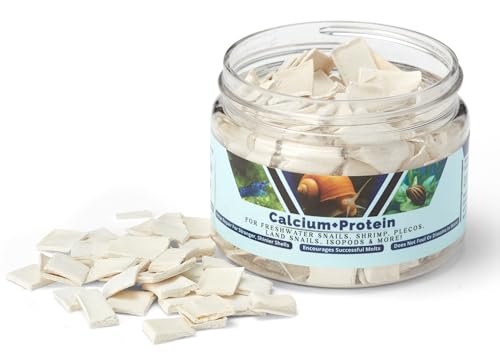
KatsAquatics Calcium + Protein, for Strong Shells...
For all aquatic snails
Does NOT dissolve in water
Fast sinking solid tablets
What we like
- Specifically for aquatic invertebrates
- Noticeably improves shell health
- Fast sinking for bottom feeders
- Made in USA
What could be better
- May cause white waste visible
- Some fish may steal food
Calcium-enriched foods provide dietary calcium that snails absorb internally. These supplements often include additional vitamins that support overall health. Alternate between different calcium sources to provide balanced nutrition and prevent boredom with any single food type.
Water changes with hard, alkaline water also contribute to calcium availability. If your tap water is naturally soft, consider using products that increase GH and KH, or blend in some mineral-rich water from other sources. Test water parameters regularly to ensure adequate hardness levels.
Water Change Schedules
Regular water changes maintain water quality and replenish minerals essential for snail health. For established tanks with rabbit snails, change 20-30% of the water weekly. This removes accumulated waste while preserving beneficial bacteria colonies.
Always treat tap water with a dechlorinator before adding it to the tank. Chlorine and chloramine are toxic to invertebrates even at low levels. Match the new water temperature to the tank water to avoid temperature shock. Slowly pour new water into the tank or use a drip system to prevent parameter swings.
If your tap water is too soft for rabbit snails, you can remineralize it using commercial products designed for Sulawesi shrimp and snails. These products add specific minerals that raise GH and KH to appropriate levels. This allows you to maintain proper parameters even in regions with naturally soft water.
Shell Health Troubleshooting
Shell problems are common in rabbit snails kept in inappropriate water conditions. Early detection and correction can save affected snails, though severe damage may be permanent. Regular observation helps you spot issues before they become critical.
White Patches on Shell: This indicates shell erosion caused by acidic or soft water. The white areas show where the outer shell layer has dissolved. Immediately test and adjust your water parameters. Add calcium supplements and consider crushed coral in the filter to raise pH and hardness.
Cracked or Chipped Shells: Physical damage may heal if the crack is not too severe. Ensure excellent water quality and abundant calcium to support repair. The snail will deposit new calcium at the crack site, though visible lines may remain. Severe cracks affecting the body chamber require immediate attention.
Thin or Transparent Shell: Indicates chronic calcium deficiency. Increase calcium supplementation and verify your water hardness is adequate. Feed calcium-rich foods daily rather than occasionally. With proper support, new shell growth should appear thicker and more opaque.
Leech Treatment and Quarantine
Wild-caught rabbit snails frequently arrive with leech parasites attached to their shells or bodies. These leeches appear as small, dark worms that move independently of the snail. While not immediately fatal, heavy infestations stress the snail and can introduce disease.
Always quarantine new snails for at least two weeks before adding them to your main tank. This isolation period allows you to observe for parasites and treat if necessary. A simple quarantine tank needs only basic filtration, a heater, and some hiding spots.
Salt Dip Method: Prepare a salt bath using aquarium salt at 1 tablespoon per gallon of tank water. Place the affected snail in the salt bath for 5-10 minutes. The salt irritates leeches, causing them to detach. Rinse the snail in fresh tank water before returning to quarantine. Repeat if necessary.
Manual Removal: For stubborn leeches, use tweezers to gently grasp and remove them. Take care not to damage the snail's soft tissue. Dip the tweezers in alcohol between snails to prevent cross-contamination. Monitor treated snails for several days to ensure no new leeches appear.
Rabbit Snail: Food and Diet
Rabbit snails are primarily herbivorous grazers that feed continuously throughout the day. In their natural habitat, they consume algae, biofilm, decaying plant matter, and microorganisms. In captivity, they require a varied plant-based diet supplemented with calcium-rich foods for shell health.
Contrary to some outdated information, rabbit snails are not scavengers that will eat fish waste or leftover fish food. They need dedicated herbivore foods designed for their nutritional needs. Proper feeding prevents starvation and ensures they do not damage plants out of hunger.
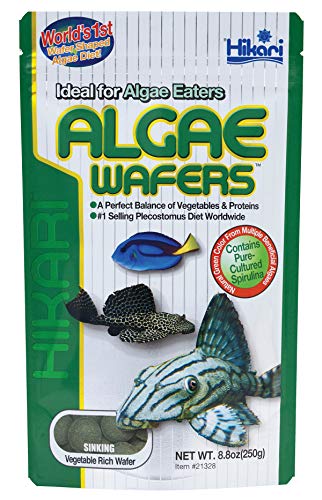
Hikari® Algae Wafers™ Sinking Wafers for...
8.8oz algae wafers
Rich in spirulina
High vitamin C content
What we like
- Excellent for snails and bottom feeders
- Does not cloud water
- Large bag provides great value
- Snails find it highly palatable
What could be better
- Bag reseal could improve
- Wafers need to soften first
Sinking algae wafers form an excellent dietary staple for rabbit snails. These wafers provide balanced vegetable nutrition that supports growth and health. Look for formulas rich in spirulina and other plant matter. Place wafers directly on the substrate where snails can find them easily.
Fresh vegetables should supplement commercial foods. Blanched zucchini, cucumber, spinach, and pumpkin are favorites. Blanching softens vegetables and makes them more accessible for snails to rasp. Remove uneaten vegetables within 24 hours to prevent water quality issues.
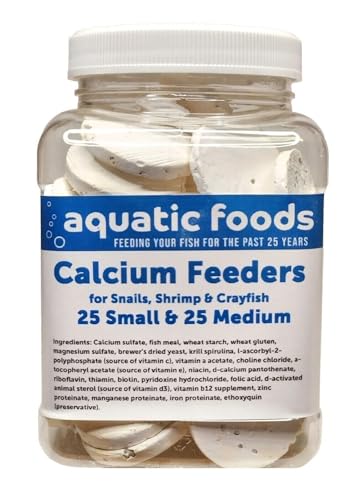
Aquatic Foods Inc. Calcium Enriched Sinking Food...
50 calcium discs per jar
Enriched sinking food
For snails and shrimp
What we like
- Dual food and calcium source
- Fast sinking and holds shape
- Improved shell growth
- Long shelf life
What could be better
- Some tablets may crush in shipping
- Higher price than basic foods
Calcium-enriched foods serve double duty, providing nutrition while supporting shell development. These specialized foods are particularly valuable for growing juveniles and breeding females. Alternate between regular algae wafers and calcium-enriched options for balanced nutrition.
Avoid any foods containing copper, as this metal is toxic to snails at very low concentrations. Read ingredient lists carefully on all aquarium foods and medications. Even trace copper can accumulate over time and cause fatal poisoning.
Rabbit Snail: Diet Foods To Avoid
Certain foods can harm rabbit snails or fail to provide adequate nutrition. Understanding what not to feed is as important as knowing proper foods. Avoid these common mistakes that can compromise snail health.
- Copper-containing foods: Check all fish foods and medications for copper. Even small amounts accumulate and become toxic.
- Lettuce: Provides minimal nutritional value and may cause digestive issues. Dark leafy greens are superior choices.
- Processed human foods: Breads, crackers, and snacks contain preservatives and ingredients harmful to snails.
- Citrus fruits: Too acidic for snails and can disrupt their digestive system. Avoid oranges, lemons, and limes.
- Raw beans and legumes: Contain compounds that interfere with digestion. Cook thoroughly if feeding these vegetables.
Rabbit Snail: Feeding Schedule
Feed rabbit snails 3-4 times per week, providing enough food that it is consumed within 12-24 hours. Adult snails eat surprisingly large amounts relative to their size. Multiple feeding stations ensure all snails get adequate nutrition in community tanks.
A typical weekly feeding schedule might include algae wafers twice weekly, calcium-enriched foods once weekly, and fresh vegetables once or twice weekly. This variety prevents nutritional deficiencies and keeps snails interested in eating. Adjust quantities based on snail numbers and tank size.
Monitor your snails' shells and activity levels to gauge if feeding is adequate. Active snails with thick, glossy shells are receiving proper nutrition. Sluggish behavior combined with thin shells indicates underfeeding or calcium deficiency that needs correction.
Rabbit Snail: Tank Mates
Rabbit snails are peaceful invertebrates that coexist well with many community fish and shrimp species. Their calm demeanor and large size make them unlikely targets for aggression, though their slow movement makes them vulnerable to predatory fish. Careful tank mate selection ensures long-term success.
Compatible Tank Mates:
- Neon Tetras and Cardinal Tetras - too small to harm snails
- Guppies and Swordtails - peaceful livebearers
- Corydoras Catfish - bottom dwellers that ignore snails
- Honey Gourami and Sparkling Gourami - peaceful labyrinth fish
- Otocinclus - algae eaters that coexist peacefully
- Amano Shrimp and Ghost Shrimp - compatible invertebrates
- Celestial Pearl Danio - small, peaceful shoalers
- Kuhli Loaches - shy bottom dwellers
Tank Mates to Avoid:
- Assassin Snails - will actively hunt and kill rabbit snails
- Snail-eating fish including loaches, puffers, and some cichlids
- Betta fish - may nip tentacles and stress snails
- Crayfish - will attack and eat snails
- Large or aggressive fish that may view snails as food
Critical Warning: Never keep rabbit snails with assassin snails. Assassin snails are predatory hunters that will attack and consume rabbit snails over time. Even large rabbit snails are not safe from these specialized snail predators.
Filter Intake Protection: When housing small snails or baby rabbit snails with any fish, cover filter intakes with sponge pre-filters. Baby snails are tiny and easily sucked into filters, where they die. Even adult snails may explore intake tubes and become trapped.
Rabbit Snail: Breeding
Rabbit snails are livebearers (ovoviviparous), meaning they give birth to fully formed live young rather than laying eggs. This reproductive strategy is rare among freshwater snails and requires both male and female individuals for successful breeding. They cannot reproduce asexually.
Sexual dimorphism in rabbit snails is subtle but observable. Males typically have slightly thicker, more elongated shells compared to females. Females often appear fuller in the body, particularly when carrying young. However, distinguishing sexes with certainty often requires observing mating behavior or seeing a female give birth.

Female rabbit snails gestate eggs internally, carrying 1-2 developing young in a white or creamy egg sac visible near their head. This egg sac resembles a small, round blob attached to the mother's body. Gestation typically lasts 4-6 weeks, after which the female releases miniature versions of adult snails.
Baby rabbit snails are born fully formed at about 1/4 to 1/2 inch in size. They are miniature copies of adults with complete shells and all features functional from birth. Unlike many snail species that produce hundreds of offspring, rabbit snails release only 1-2 babies per reproductive cycle, making overpopulation impossible.
Newborn snails should be moved to a separate grow-out tank or protected from fish that might eat them. They require the same water parameters and foods as adults, though calcium supplementation is especially important for their developing shells. With proper care, babies reach breeding size in 6-12 months.
Frequently Asked Questions
Are rabbit snails easy to take care of?
Rabbit snails are relatively easy to care for but have specific requirements. They need stable, established aquariums with hard, alkaline water (pH 7.2-8.5, GH 6-12), warm temperatures (76-84°F), and calcium supplementation for shell health. While not difficult for experienced aquarists, beginners must research proper water parameters before purchasing.
Can I keep just one rabbit snail?
Yes, a single rabbit snail can thrive alone in a properly maintained 10-gallon tank. They do not require companions for happiness or health. However, they are peaceful and multiple snails can be kept together without issues. A pair of opposite sexes will breed slowly, producing only 1-2 babies every 4-6 weeks.
How many rabbit snails for a 20 gallon tank?
A 20-gallon tank comfortably houses 2-3 adult rabbit snails. Provide 10 gallons minimum per snail to ensure adequate grazing territory and stable parameters. Overcrowding leads to competition for food and potential water quality issues. Remember that baby snails will occasionally appear if keeping mixed sexes.
Do rabbit snails clean a tank?
Yes, rabbit snails help keep tanks clean by eating algae, uneaten food, and organic debris. They continuously graze on surfaces, removing biofilm and algae growth. However, they are not a replacement for proper maintenance. They produce waste themselves and cannot eliminate all algae or tank maintenance needs.
What is the best substrate for rabbit snails?
Sand is the best substrate for rabbit snails. Fine gravel or sand with 0.5-2mm grain size allows their natural burrowing behavior while remaining soft enough to prevent foot damage. Avoid sharp gravel. Substrate should be at least 2 inches deep to allow meaningful digging and exploration activities.
Are rabbit snails herbivores?
Yes, rabbit snails are primarily herbivores. They feed on algae, biofilm, decaying plant matter, and vegetable foods. While they may occasionally ingest small amounts of protein from dead organisms, their digestive systems are adapted for plant matter. Feed them algae wafers, blanched vegetables, and calcium supplements for optimal health.
Why do my rabbit snails keep dying?
Common causes include copper exposure (from medications or tap water), soft/acidic water causing shell erosion, poor water quality, starvation from inadequate feeding, and improper acclimation. Test water parameters immediately if experiencing losses. Ensure pH is above 7.0 and provide calcium supplements. Always drip acclimate new snails for 1-2 hours.
Can a rabbit snail repair its shell?
Rabbit snails can repair minor shell damage with proper care and calcium availability. Small chips and cracks will slowly fill in as the snail deposits new calcium carbonate. However, severe damage or erosion cannot be fully reversed. Prevention through proper water hardness and pH is essential, as damaged shells remain vulnerable points.
Advantages Of Having Rabbit Snail In Your Tank
Rabbit snails offer numerous benefits for aquarium keepers. Their peaceful nature, unique appearance, and practical cleaning abilities make them valuable additions to many community tanks. Understanding these advantages helps you appreciate these fascinating invertebrates.
First, rabbit snails excel at algae and biofilm control. Their constant grazing keeps glass, decorations, and plant leaves cleaner than tanks without snails. They reach areas that fish cannot access, providing comprehensive cleaning coverage throughout the aquarium.
Second, they pose no threat to peaceful community fish or shrimp. Unlike some snails that eat shrimp eggs or attack small fish, rabbit snails are completely harmless tank mates. Their large size also means they are not easily bullied by moderately sized fish.
Third, they reproduce slowly and controllably. With only 1-2 offspring produced every 4-6 weeks, you will never face the population explosions common with bladder snails or ramshorns. This makes them ideal for aquarists who want snails without constant culling.
Finally, their daytime activity and interesting behaviors provide endless entertainment. Watching them burrow, climb, and explore with their elephant-like proboscis is genuinely engaging. They become pets in their own right rather than just utilitarian tank cleaners.
Disadvantages Of Having Rabbit Snail In Your Tank
Despite their many benefits, rabbit snails present some challenges that potential keepers should consider. Being aware of these drawbacks helps you prepare properly and decide if rabbit snails fit your aquarium goals.
First, they require specific water parameters that may not match your existing fish. The hard, alkaline water they need is incompatible with many soft-water species like discus or some tetras. You must plan your stocking around these parameter requirements.
Second, they may nibble on certain plants, particularly Java Fern. While generally plant-safe, hungry or curious snails can damage delicate foliage. This is usually manageable with proper feeding but worth considering for heavily planted tanks with rare specimens.
Third, they are accomplished escape artists that require tight-fitting lids. Finding a dried snail on your floor is a heartbreaking experience that is entirely preventable with proper tank coverage. This adds a consideration for open-top aquascapes.
Finally, wild-caught specimens may carry parasites like leeches that require treatment and quarantine. This adds complexity to the purchase process and necessitates a quarantine setup for responsible keeping. Captive-bred specimens avoid this issue but are less commonly available.
Conclusion
Rabbit snails are remarkable invertebrates that bring personality, utility, and visual interest to freshwater aquariums. Their unique appearance, peaceful temperament, and manageable care requirements make them suitable for dedicated aquarists willing to provide proper water conditions. Success with Tylomelania snails depends on maintaining hard, alkaline water with adequate calcium supplementation.
By understanding their specific needs regarding water parameters, diet, and tank setup, you can enjoy these fascinating creatures for their full lifespan of 2-3 years or more. The time invested in learning proper rabbit snail care pays dividends in the form of healthy, active snails that enhance your aquarium experience.
Thanks for reading this comprehensive rabbit snail care guide. We hope this updated information helps you succeed with these wonderful Sulawesi snails. If you have any questions or experiences to share, please leave them in the comments below.
Happy snail-keeping!