Nothing is more heartbreaking than watching your beloved aquarium fish die one by one, leaving you wondering why your fish die despite your best efforts. If you have ever stared at an empty tank after losing another fish, you are not alone. Fish keeping can feel overwhelming when things go wrong, and the causes of fish death are often invisible to the untrained eye. In this comprehensive guide, we will explore the 13 most critical reasons why your fish die in a tank and provide actionable solutions to help you build a thriving aquatic environment in 2026.
Understanding why your fish die requires looking beyond the obvious and diving into water chemistry, fish behavior, and proper tank management. Many beginners blame themselves when their fish perish, but the truth is that most fish deaths result from preventable issues that can be corrected with the right knowledge. Whether you are dealing with a sudden die-off or gradual losses over time, this guide will help you identify the root causes and take immediate action to save your remaining fish.
13 Critical Reasons Why Your Fish Die in Aquariums
Table of Contents
- 13 Critical Reasons Why Your Fish Die in Aquariums
- Water Quality and the Nitrogen Cycle
- Water Temperature and Temperature Shock
- Disease and Common Aquarium Illnesses
- Detailed Disease Profiles: Recognizing and Treating Common Illnesses
- Lack of Oxygen and Poor Aeration
- Stress and Its Deadly Consequences
- Stress Symptoms Identification Guide
- Overcrowding and Overstocking Problems
- Incompatible Tank Mates and Aggression
- Improper Diet and Overfeeding
- Old Age and Natural Lifespan Limits
- New Tank Syndrome and the Importance of Tank Cycling
- Dirty Tank and Poor Maintenance Habits
- Injury from Sharp Decorations and Handling
- The Wrong Substrate and Its Hidden Dangers
- Food Intolerance and Dietary Sensitivities
- Emergency Response: What to Do When Fish Are Dying
- Frequently Asked Questions About Fish Death
- Conclusion: Preventing Fish Death in 2026
Water Quality and the Nitrogen Cycle

Poor water quality remains the number one reason why your fish die in home aquariums. The invisible parameters in your tank water can turn from safe to deadly overnight, and without proper water testing, you may never see the danger coming. Understanding the nitrogen cycle is essential for every fish keeper because this biological process determines whether your aquatic pets thrive or perish.
The nitrogen cycle begins when fish produce waste and uneaten food decomposes, releasing ammonia into the water. Ammonia is highly toxic to fish, burning their gills and causing internal damage even at low concentrations. In a properly cycled tank, beneficial bacteria convert ammonia into nitrite, which is also toxic but slightly less dangerous. A second type of beneficial bacteria then converts nitrite into nitrate, which is relatively harmless in moderate amounts. Without adequate beneficial bacteria colonies, ammonia and nitrite levels spike, leading to rapid fish death.
Ammonia spikes often occur after cleaning your filter too thoroughly, removing the very bacteria that keep your fish alive. Adding too many fish at once can also overwhelm your biological filtration, causing an ammonia spike that kills your entire stock within days. You should test your aquarium water at least once a week using a reliable water testing kit, and more frequently when you notice any changes in fish behavior. The ideal ammonia level is 0 ppm, the perfect nitrite level is 0 ppm, and nitrate should remain below 20 ppm through regular partial water changes.
If you discover elevated ammonia or nitrite levels, perform an immediate 50 percent water change using dechlorinated water. Adding an air stone can help reduce stress by increasing oxygen levels during a toxicity crisis. You can also use water conditioner products that temporarily neutralize ammonia while your bacteria colonies catch up. For ongoing maintenance, gravel vacuuming during weekly water changes removes organic waste before it can decompose and pollute your water.
Check Freshwater Flounder Care Guide: Appearance, Diet, Breeding & All
Water Temperature and Temperature Shock
Water temperature fluctuations represent another common cause of sudden fish death that many aquarists overlook. Fish are cold-blooded creatures, meaning their body temperature matches their environment. When water temperature changes rapidly, fish experience temperature shock, which can be fatal within hours. Even hardy species have limits, and tropical fish kept in cold water become sluggish, lose their appetite, and eventually succumb to stress-related illnesses.
The ideal water temperature for most tropical fish ranges between 75 and 82 degrees Fahrenheit, though specific requirements vary by species. Goldfish and other cold-water species prefer temperatures between 65 and 72 degrees. Sudden drops in temperature often occur during water changes when you add cold tap water directly to the tank. Heater malfunctions represent another common cause of temperature-related deaths, either cooking your fish when thermostats fail or allowing temperatures to crash during winter months.
To prevent temperature shock, always match the temperature of new water to your tank water before performing water changes. Use a reliable aquarium heater with a built-in thermostat, and consider a backup heater for valuable tanks. Position your tank away from drafts, air conditioning vents, and direct sunlight, which can cause rapid temperature swings. Investing in a digital thermometer with alarms can alert you to dangerous temperature changes before they kill your fish.
Also, check Water Sprite Plant: Best Care Guide Explained in Details
Disease and Common Aquarium Illnesses
Disease outbreaks can decimate an aquarium population within days, yet many fish keepers fail to recognize early warning signs. Fish diseases fall into three categories: parasitic infections like ich and flukes, bacterial infections such as fin rot and dropsy, and fungal problems that often attack wounds or weakened fish. Understanding these common illnesses helps you spot problems early and treat them before they spread throughout your entire tank.
Ich, also known as white spot disease, appears as tiny salt-like grains covering your fish's body and fins. This parasite is highly contagious and causes fish to scratch against decorations or gasp at the surface. Fin rot presents as ragged, deteriorating fins that may show red streaks or white edges as tissue dies. Dropsy causes a fish's scales to stick out like a pinecone due to fluid buildup from organ failure, and while treatable in early stages, advanced dropsy is often fatal. Swim bladder disease affects your fish's buoyancy, causing them to float upside down, sink to the bottom, or swim at odd angles.
Prevention remains your best defense against disease. Always quarantine new fish in a separate tank for two to four weeks before adding them to your main aquarium. This isolation period allows you to observe for signs of illness and treat problems without risking your established community. Never share nets or equipment between tanks without sterilization, as this transfers diseases instantly. Maintaining excellent water quality also boosts fish immune systems, making them less susceptible to infections that might kill weaker specimens.
When disease strikes, identify the specific illness before treating. Ich responds to elevated temperatures and aquarium salt, while bacterial infections require antibiotic medications. Always remove carbon filtration during treatment, as activated carbon absorbs medications before they can help your fish. For severe outbreaks, a dedicated quarantine tank allows you to treat sick fish individually while monitoring your main tank for secondary infections.
Also, check How To Cure Fish Fungus (Aquarium Fish) Ultimate Treatment & Medication.
Detailed Disease Profiles: Recognizing and Treating Common Illnesses
Successful fish keeping requires the ability to identify specific diseases quickly and accurately. Each common aquarium illness presents unique symptoms, progression patterns, and treatment protocols. Understanding these differences can mean the difference between saving your fish and watching them die. Here are the five most common diseases that cause fish death in home aquariums.
Ich (White Spot Disease): This parasite appears as tiny white dots resembling salt grains across the fish's body, fins, and gills. Infected fish often rub against decorations, show rapid breathing, and may gasp at the surface. Ich spreads rapidly in temperatures below 80 degrees, completing its life cycle faster in cooler water. Treatment involves raising water temperature to 86 degrees gradually over 48 hours while adding aquarium salt at one tablespoon per five gallons. The heat speeds up the parasite's life cycle, while salt kills the free-swimming stages before they can reinfect fish.
Fin Rot: This bacterial infection begins at the edges of fins, creating a ragged, frayed appearance that progresses toward the body. Advanced cases show red streaks or white fuzzy edges as tissue dies. Fin rot typically strikes fish stressed by poor water conditions, particularly ammonia spikes or aggressive tank mates. Treatment requires clean water conditions and antibacterial medications containing furan compounds or melafix for mild cases. Severe fin rot affecting the body fin rays may require antibiotics prescribed by a veterinarian.
Dropsy: Perhaps the most feared aquarium disease, dropsy causes a fish's body to swell with fluid while scales stand out like a pinecone. This symptom indicates kidney and liver failure from bacterial infection, and while early treatment can save some fish, advanced dropsy is usually fatal. Affected fish lose appetite, hide constantly, and may show pale gills. Treatment involves isolating the fish in a hospital tank with excellent water quality and feeding antibiotic-treated food. Prevention through stress reduction and water quality maintenance offers the best protection.
Swim Bladder Disease: Fish with this condition lose their ability to control buoyancy, floating helplessly at the surface, sinking to the bottom, or swimming at odd angles. Causes include overfeeding, constipation compressing the swim bladder, physical injury, or bacterial infection. Treatment depends on the cause: fasting for three days followed by cooked pea pieces for constipation, isolation for physical injuries, or antibiotics for bacterial cases. Keeping water depth shallow during recovery helps fish reach the surface for air without exhausting themselves.
Flukes: These microscopic parasites attach to fish gills and skin, causing excessive mucus production, rapid breathing, and flashing behavior where fish rub against objects. Gill flukes specifically target the respiratory system, causing fish to gasp at the surface with wide-open mouths. Skin flukes create visible irritation and secondary bacterial infections from the wounds they create. Treatment requires anti-parasitic medications containing praziquantel or formalin, administered in a quarantine tank to avoid harming beneficial bacteria in your main filter.
Lack of Oxygen and Poor Aeration
Fish require dissolved oxygen to survive, and when oxygen levels drop, they suffocate slowly while showing distressing symptoms. Low oxygen often occurs in overcrowded tanks, during summer heat waves when warm water holds less oxygen, or when filter flow is inadequate. Signs of oxygen deprivation include fish gasping at the surface, rapid gill movement, and lethargy that precedes death.
Several factors deplete oxygen from aquarium water. Overstocking beyond your tank's capacity creates a biological demand that outpaces oxygen supply. High temperatures reduce the water's ability to hold dissolved oxygen while simultaneously increasing your fish's metabolic rate and oxygen needs. Stagnant water without surface agitation prevents gas exchange with the atmosphere. Even overfeeding contributes to oxygen depletion as decaying food consumes oxygen during decomposition.
Improving oxygen levels requires multiple approaches working together. An air stone connected to an air pump creates bubbles that maximize surface area for gas exchange. Positioning your filter outlet to create surface ripple achieves the same effect while also improving circulation throughout the tank. Live aquatic plants produce oxygen during daylight hours through photosynthesis, though they consume oxygen at night. For emergency situations, reducing the water level slightly allows more surface area exposure, while adding an additional air stone provides immediate relief.
You may also check Water Sprite Plant: Best Care Guide Explained in Details
Stress and Its Deadly Consequences
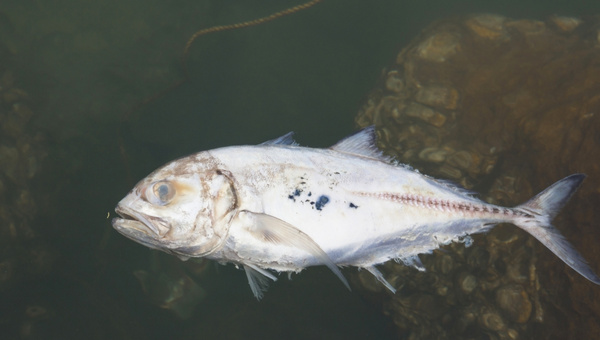
Stress kills more fish than most aquarists realize, weakening immune systems and making fish susceptible to diseases they would normally resist. Chronic stress from poor conditions creates a cascade of health problems that often end in death. Unlike sudden causes like ammonia poisoning, stress-related deaths occur over days or weeks, giving observant keepers time to intervene if they recognize the warning signs.
Common stress triggers include poor water quality with detectable ammonia or nitrite, aggressive tank mates that chase or nip at vulnerable fish, inadequate hiding places that leave fish feeling exposed, and sudden changes in environment such as new decorations or rearranged tanks. Even bright lights without dimming periods can stress nocturnal species, while excessive noise or vibration from nearby equipment keeps fish in a constant state of alert.
Long-term stress manifests in visible symptoms before death occurs. Stressed fish often lose their vibrant coloration, appearing pale or washed out compared to healthy tank mates. Their appetite decreases, leading to weight loss and weakened condition. Clamped fins, where fish hold their fins tight against their body rather than flowing freely, indicate discomfort or fear. Some species develop stress stripes, dark vertical bands that appear along their flanks.
Eliminating stress requires addressing its root cause. Test your water parameters to rule out ammonia spikes or pH swings that irritate fish. Observe tank mate interactions to identify bullies that need removal or rearranging. Add plants, caves, or other hiding places where subordinate fish can escape aggression. Maintain consistent lighting schedules with periods of darkness for rest. When you remove stress factors, most fish recover remarkably quickly, regaining color and appetite within days.
Stress Symptoms Identification Guide
Learning to read your fish's behavior provides early warning of problems before they become fatal. Fish communicate distress through specific behavioral patterns that experienced aquarists recognize immediately. Understanding these stress symptoms allows you to intervene while correction is still possible.
Surfing Glass: When fish swim repeatedly up and down the front glass or pace along tank walls, they are displaying stress from inadequate space, poor water conditions, or seeing their reflection. This behavior indicates frustration and anxiety that will eventually weaken their health. Glass surfing often occurs in tanks too small for the species or when water parameters drift outside acceptable ranges.
Hiding Behavior: While some fish naturally seek shelter, excessive hiding indicates stress or illness. Fish that suddenly disappear into decorations, refuse to come out for feeding, or cower in corners feel threatened by tank mates, bright lights, or external disturbances. Newly added fish hide temporarily during acclimation, but persistent hiding after two weeks suggests ongoing stress that requires attention.
Gasping at Surface: Fish breathing at the water surface with rapid gill movements signal oxygen deprivation or gill damage from ammonia burns or parasites. Healthy fish should breathe steadily with gills moving rhythmically while swimming comfortably throughout the water column. Surface gasping combined with clamped fins often indicates severe water quality problems requiring immediate action.
Loss of Appetite: Refusing food for more than two days indicates stress, illness, or water parameter problems. Fish are programmed to eat when healthy, and appetite loss suggests something is wrong internally or environmentally. Monitor uneaten food in the tank, as it decomposes and worsens water quality, creating a vicious cycle that kills more fish.
Clamped Fins: Healthy fish display fins fully extended, flowing gracefully with their movements. Stressed or sick fish clamp fins tight against their body, making them appear smaller and less graceful. This defensive posture indicates discomfort, fear, or illness requiring investigation.
Weight Loss and Emaciation: Fish losing body mass despite eating normally may have internal parasites consuming nutrients before the fish can use them. Visible weight loss shows as a hollow belly, sunken eyes, or prominent skeletal structure along the spine. Quarantine and treatment with anti-parasitic medication can save fish before starvation occurs.
Also, check Otocinclus Catfish Care Guide: Appearance, Lifespan, Food & Diet, Breeding & All.
Overcrowding and Overstocking Problems
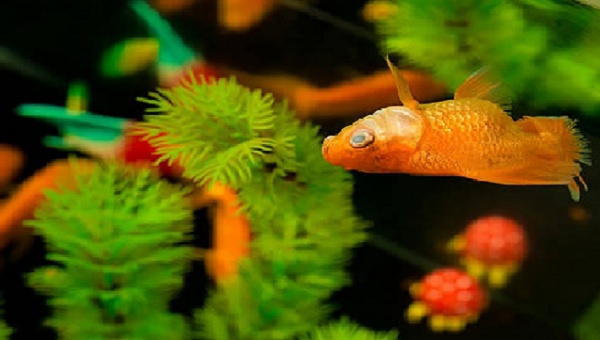
Overcrowding represents one of the most common beginner mistakes and a leading cause of why your fish die prematurely. When too many fish share limited space, the biological load overwhelms your filtration system, leading to toxic ammonia spikes and chronic stress. Overstocked tanks also suffer from oxygen depletion, aggressive competition for territory, and rapid disease transmission when illness strikes.
The traditional inch-per-gallon rule provides only a rough guideline, as it fails to account for fish body mass, activity level, and waste production. A ten-inch goldfish produces far more waste than ten one-inch tetras, requiring significantly more filtration and water volume. Active swimmers like danios need longer tanks for exercise, while territorial cichlids require space to establish domains regardless of total inch count. Research each species' specific requirements rather than relying on oversimplified rules.
Signs of overcrowding include constant territorial disputes, rapid water quality deterioration between maintenance, and fish that appear stunted or stressed despite good care. Ammonia and nitrite levels that rise quickly after water changes indicate your bioload exceeds your bacterial colony's capacity. Aggressive behavior increases as fish compete for limited territory and hiding places, causing stress that leads to disease susceptibility.
Preventing overcrowding starts with realistic planning. Calculate your tank's capacity based on adult fish sizes, not the juveniles you purchase. Factor in the additional bioload from heavy feeding required for growing fish. Consider upgrading filtration before adding more stock, and maintain conservative stocking levels that allow for growth and occasional breeding. Remember that less crowded tanks are easier to maintain, more stable, and healthier for your fish.
You may also check Butterfly Betta Care Guide: Appearance, food & Diet, Breeding & All.
Incompatible Tank Mates and Aggression
Not all fish get along, and housing incompatible species together leads to stress, injury, and death from aggression or bullying. Understanding fish compatibility prevents the heartbreak of watching peaceful fish get terrorized by tank mates. Aggression manifests through fin nipping, chasing, territory defense, and outright attacks that wound or kill vulnerable fish.
Common compatibility mistakes include mixing fin-nippers like tiger barbs with long-finned species such as bettas or angelfish. territorial cichlids often slaughter peaceful community fish added to their established domain. Predatory fish naturally hunt smaller tank mates, while schooling fish kept in insufficient numbers become aggressive toward other species to compensate for their insecurity. Even size differences within compatible species can cause problems when larger fish bully smaller ones away from food.
Research fish compatibility before purchasing, considering temperament, adult size, water parameter needs, and swimming level preferences. Community tanks work best when combining peaceful species with similar care requirements. Create distinct territories using plants and decorations to break lines of sight and reduce confrontations. When aggression occurs, remove the bully immediately rather than waiting for the victim to adapt, as stress from constant harassment kills fish slowly even without physical injury.
Some species require species-only tanks due to their aggressive nature. African cichlids, bettas, and many predatory fish do poorly in general community setups. If you already have incompatible fish showing aggression, separate them into different tanks or return the problematic individual to your local fish store. The cost of a second tank is less than replacing dead fish repeatedly.
Improper Diet and Overfeeding
Improper diet and overfeeding kill fish through multiple pathways, from direct digestive problems to water pollution that poisons the entire tank. Many beginners believe feeding more shows love, but excess food causes far more harm than moderate hunger ever would. Understanding proper nutrition and feeding practices keeps your fish healthy while maintaining water quality.
Fish require balanced nutrition with appropriate protein levels for their species. Carnivorous fish need high-protein foods like frozen bloodworms or quality pellets, while herbivores require plant matter and algae to prevent digestive blockages. Generic flake food often lacks essential nutrients, leading to deficiencies that weaken immune systems over time. Research your specific fish species to provide appropriate foods that meet their natural dietary needs.
Overfeeding creates immediate water quality crises as uneaten food decays on the substrate. This organic waste produces ammonia spikes and feeds algae blooms that deplete oxygen at night. Fish that overeat develop swim bladder problems, fatty liver disease, and constipation that can be fatal. A good rule is to feed only what your fish can consume in two minutes, twice daily, removing any uneaten food immediately.
Establish feeding schedules that include fasting days once weekly, allowing fish to clear their digestive systems naturally. Vary the diet with frozen, freeze-dried, and fresh foods to provide complete nutrition and prevent boredom. For herbivorous species, add blanched vegetables like zucchini or cucumber as supplements. Proper feeding practices reduce waste production while maximizing your fish's health and coloration.
Also, check Panther Grouper Care Guide: Appearance, Lifespan & Coloration & Breeding.
Old Age and Natural Lifespan Limits

While most fish deaths are preventable, some occur simply because fish reach the end of their natural lifespan. Understanding typical lifespans helps set realistic expectations and recognize when age-related decline is the cause rather than husbandry errors. Most aquarium fish live between two and ten years, though species like goldfish and koi can survive for decades with proper care.
As fish age, their immune systems weaken and they become more susceptible to diseases they would have resisted in their prime. Organ function declines, causing weight loss despite good appetite and normal feeding. Activity levels decrease as elderly fish spend more time resting in favorite spots. Coloration often fades, and fins may appear tattered even without active disease.
Supporting elderly fish requires adjusting care to their changing needs. Offer easily digestible foods in smaller, more frequent meals to accommodate reduced digestive efficiency. Maintain pristine water quality with more frequent partial water changes, as aged kidneys process waste less effectively. Reduce stress by keeping tank mates peaceful and avoiding major changes to their familiar environment. While you cannot prevent age-related death, you can ensure your fish live their full lifespan comfortably.
Also, check Do Fish Sleep? Complete Guide to Fish Rest & Sleep Patterns.
New Tank Syndrome and the Importance of Tank Cycling
New tank syndrome kills thousands of fish every year when eager beginners add fish to uncycled aquariums. This condition occurs when tanks lack the beneficial bacteria colonies necessary to process toxic ammonia into safer compounds. Without proper tank cycling, ammonia levels rise rapidly, burning fish gills and causing death within days or weeks of setup.
Understanding the nitrogen cycle explains why tank cycling is absolutely essential before adding fish. A new aquarium starts sterile, without the bacteria that break down fish waste. When fish are added immediately, they produce ammonia that accumulates because no bacteria exist to convert it. Beneficial bacteria colonize surfaces slowly, taking four to six weeks to establish colonies capable of handling a normal fish load. During this maturation period, ammonia and nitrite levels spike dangerously, killing fish that cannot tolerate these toxins.
Proper tank cycling involves establishing beneficial bacteria before adding fish. Fishless cycling uses pure ammonia or decaying fish food to feed developing bacteria colonies without risking live animals. Add a bacterial starter culture from established filter media, gravel, or commercial products to seed your new tank with beneficial microbes. Test water daily, adding more ammonia only when levels drop to zero, indicating bacterial processing capacity. Once your tank converts two ppm of ammonia to nitrate within 24 hours, it is safe for fish.
Signs of new tank syndrome include fish gasping at the surface, red or inflamed gills, lethargy, and death occurring days or weeks after setup. If you suspect new tank syndrome, perform immediate water changes to dilute toxins while bacteria colonies develop. Adding established filter media from a healthy tank can jumpstart bacterial growth and save remaining fish. Prevention through proper cycling before adding fish remains the only guaranteed solution.
Also, check How To Cycle A Fish Tank: Navigating The Nitrogen Cycle.
Dirty Tank and Poor Maintenance Habits
A dirty tank creates a toxic environment where fish struggle to survive. Organic waste accumulates in gravel, decorations, and filter media, decomposing into ammonia and consuming oxygen. Poor maintenance habits compound over time, gradually degrading conditions until fish die from the accumulated stress and pollution. Regular cleaning prevents this slow decline into deadly water quality.
Maintenance tasks include weekly partial water changes of 25 to 30 percent to dilute accumulated nitrates and remove dissolved organic compounds. Gravel vacuuming during water changes removes uneaten food and solid waste before they decompose. Filter cleaning maintains flow rates without destroying beneficial bacteria colonies housed in biological media. Glass cleaning removes algae that, while not directly harmful, indicates excess nutrients that feed more problematic organisms.
Signs of inadequate maintenance include persistent algae problems, cloudy water, unpleasant odors, and fish showing stress from poor water conditions. Nitrate levels exceeding 40 ppm indicate insufficient water change frequency or volume. Clogged filters reduce circulation and oxygenation while creating dead zones where debris accumulates and rots.
Weekly and Monthly Maintenance Schedule: Perform 25 percent water changes weekly, testing parameters before and after to track trends. Vacuum gravel thoroughly, paying special attention to areas under decorations where debris collects. Rinse mechanical filter media in old tank water monthly to remove solids without killing beneficial bacteria. Clean glass and remove algae from decorations during water changes. Monthly, inspect all equipment for proper function, replacing worn parts before they fail catastrophically.
You may also check Tomini Tang Fish Care Guide: Appearance, Breeding & All
Injury from Sharp Decorations and Handling
Physical injuries open pathways for bacterial and fungal infections that kill fish days or weeks after the initial wound. Sharp decorations, aggressive tank mates, and rough handling during maintenance all cause injuries that become infected. Even minor fin tears can develop into fatal fin rot if water quality is poor or the fish's immune system is compromised.
Common sources of injury include plastic plants with sharp edges that slice delicate fins, rough rocks with abrasive surfaces that scrape scales, and decorations with small holes where fish become trapped. Aggressive tank mates inflict bite wounds during territorial disputes, while breeding activities sometimes cause injuries between mates. Netting fish for transfer or tank cleaning damages the protective slime coat and scales, leaving them vulnerable.
Preventing injuries requires careful selection of aquarium decorations and gentle handling practices. Choose silk or live plants over sharp plastic alternatives. Test decorations for rough edges before adding them to your tank, sanding down any sharp points. Use soft, knotless nets when moving fish, and wet your hands before touching them to avoid removing protective slime. When aggression causes injuries, separate the bully immediately to prevent further attacks while the victim heals.
Also, check Ultimate Betta Fish Fin Rot care: Causes And Treatment
The Wrong Substrate and Its Hidden Dangers
Substrate choice significantly impacts fish health in ways many beginners overlook. The material at the bottom of your aquarium affects water chemistry, provides habitat for beneficial bacteria, and can either support or harm fish depending on their species. Choosing the wrong substrate causes physical injury, digestive blockages, and chemical imbalances that kill fish over time.
Gravel size matters enormously for fish that sift substrate through their gills searching for food. Large gravel traps debris that rots and pollutes water while being too coarse for small fish to handle. Sharp gravel cuts the delicate barbels of bottom-dwelling catfish like corydoras, leading to infections that spread to the entire fish. Very fine sand can compact and create anaerobic dead zones that release toxic hydrogen sulfide when disturbed.
Certain substrates alter water chemistry dangerously. Crushed coral and limestone raise pH and hardness, which benefits African cichlids but kills acid-loving species like discus or cardinal tetras. Conversely, peat and certain driftwoods lower pH too far for fish adapted to alkaline conditions. Some decorative substrates release heavy metals or toxic chemicals that poison fish slowly over months.
Select substrate based on your specific fish species' needs. Smooth, rounded gravel or sand works best for most community tanks, providing surface area for bacteria without injuring fish. Corydoras catfish and loaches require soft sand to protect their sensitive barbels during constant bottom feeding. Research your fish's natural habitat and replicate those conditions for optimal health and longevity.
Also, check the 12 Most Popular Types Of Danios: Appearance, Care, LIfespan & All.
Food Intolerance and Dietary Sensitivities
Some fish species have specific dietary requirements or intolerances that cause health problems when ignored. Feeding inappropriate foods leads to digestive blockages, nutritional deficiencies, and allergic-type reactions that stress fish and eventually kill them. Understanding your fish's natural diet prevents these preventable deaths.
Herbivorous fish like plecos and some cichlids require plant matter to maintain proper digestion. When fed only protein-rich foods, they develop constipation and internal blockages that become fatal. Conversely, carnivorous fish fed herbivore formulas suffer from protein deficiencies and organ damage over time. Some species are sensitive to certain ingredients common in commercial foods, showing reactions to wheat, fish meal sources, or artificial additives.
Research each species' natural diet before purchasing, and provide appropriate foods that match their digestive needs. Offer variety including frozen, freeze-dried, and fresh alternatives to commercial flakes. Observe how fish respond to new foods, watching for bloating, color changes, or behavioral shifts that indicate intolerance. When introducing new foods, offer small amounts initially to test acceptance before making them dietary staples.
You may also check Sand Sifting Starfish 101: Care, Appearance, Lifespan, Diet & All.
Emergency Response: What to Do When Fish Are Dying
When you discover dying fish in your aquarium, quick action can save the survivors and prevent total tank collapse. Panic often leads to poor decisions that worsen the situation, so having an emergency protocol prepared helps you respond effectively under pressure. Knowing what steps to take immediately versus what requires observation separates successful interventions from failures.
Step one is always testing water parameters using a reliable liquid test kit. Check ammonia, nitrite, nitrate, pH, and temperature to identify obvious environmental causes. If ammonia or nitrite reads above zero, perform an immediate 50 percent water change using dechlorinated water matched to tank temperature. Add an extra air stone to boost oxygen levels, as stressed fish require more oxygen and poor water quality often coincides with low dissolved oxygen.
Remove obviously dying fish to a hospital tank or humane euthanasia if recovery is impossible. Dead fish left in the tank decompose rapidly, causing ammonia spikes that kill remaining inhabitants. In a hospital tank with pristine water conditions, some fish recover from illness or injury when given peace away from tank mates and improved water quality.
If multiple fish show similar symptoms, disease is likely the culprit. Identify visible signs like white spots, fin damage, or unusual swimming patterns to determine appropriate treatment. Quarantine the sick fish immediately and treat them separately while monitoring the main tank. Never treat the entire display tank with strong medications unless absolutely necessary, as these chemicals harm beneficial bacteria and plants.
For unexplained deaths with perfect water parameters, consider less obvious causes. Test for chlorine or chloramine if you recently performed water changes without dechlorinator. Check for electrical current in the water using a simple voltage meter, as heater or filter malfunctions can electrocute fish. Inspect for signs of poisoning from aerosols, cleaning products, or airborne contaminants near the tank. Document everything for future reference and consider consulting an experienced aquarist or veterinarian if deaths continue despite your interventions.
Frequently Asked Questions About Fish Death
What is causing my fish to die?
The most common causes of fish death include poor water quality with ammonia or nitrite spikes, inadequate tank cycling before adding fish, stress from aggressive tank mates or overcrowding, improper diet or overfeeding, and diseases like ich, fin rot, or dropsy. Testing your water parameters with a reliable kit helps identify environmental causes, while observing fish behavior reveals stress or illness indicators.
Can we save a dying fish?
You can sometimes save a dying fish if you act quickly and identify the cause. Immediately test water parameters and perform large water changes if ammonia or nitrite is present. Move sick fish to a hospital tank with pristine water conditions and appropriate medication for visible diseases. However, fish showing advanced symptoms like severe dropsy with pinecone scales or complete lethargy often cannot be saved despite your best efforts.
What to do if an aquarium fish is dying?
First, test your water parameters to rule out ammonia spikes, nitrite poisoning, or pH problems. If water quality is poor, perform an immediate 50 percent water change and add an air stone for extra oxygen. Remove dying fish to a quarantine tank if disease is suspected, or humanely euthanize fish that are clearly suffering with no chance of recovery. Always remove dead fish immediately to prevent ammonia spikes from decomposition.
What are the signs of new tank syndrome?
Signs of new tank syndrome include fish gasping at the surface with inflamed red gills, lethargy and loss of appetite, fish dying one by one over days or weeks after setup, and ammonia readings above zero despite a new tank. This occurs when tanks are not properly cycled before adding fish, leaving insufficient beneficial bacteria to process toxic waste. The only cure is daily water changes until bacterial colonies establish.
Why do my fish keep dying when I just got them?
New fish often die from inadequate acclimation to your tank water, pre-existing illness from the pet store, or adding them to an uncycled tank experiencing new tank syndrome. Always float the bag for temperature matching, then slowly mix tank water into the bag over 30 minutes before release. Quarantine new fish for two to four weeks in a separate tank to observe for illness before adding them to your main aquarium.
Should you remove dying fish from an aquarium?
Yes, you should remove dying fish from your aquarium as soon as you identify them. Dying and dead fish decompose rapidly, releasing ammonia that threatens your remaining fish. Removing them also prevents disease spread if the fish is ill, and eliminates opportunities for healthy fish to nip at or bully weakened tank mates. For fish that might recover, move them to a hospital tank with pristine conditions rather than leaving them in the main aquarium.
Conclusion: Preventing Fish Death in 2026
Understanding why your fish die empowers you to create an aquatic environment where your pets thrive for years. Most aquarium losses result from preventable causes that proper knowledge and consistent maintenance can eliminate entirely. By mastering the nitrogen cycle, maintaining stable water parameters, choosing compatible tank mates, and recognizing stress and disease symptoms early, you transform fish keeping from a frustrating struggle into a rewarding hobby.
The 13 reasons outlined in this guide represent the most common causes of fish mortality, but they also provide a roadmap for prevention. Test your water weekly using a reliable kit to catch ammonia spikes and nitrite poisoning before they kill. Cycle new tanks completely before adding fish to avoid new tank syndrome. Quarantine new arrivals and observe them for disease before introducing them to your community tank. Feed appropriate amounts of quality food while maintaining regular maintenance schedules that keep your aquarium clean and stable.
If you are currently experiencing fish deaths, do not despair. Every aquarist loses fish while learning, and even experienced keepers face occasional setbacks. Use the emergency response guidelines to save what you can, then methodically address the underlying causes using the information provided here. With patience, attention to detail, and commitment to your fish's wellbeing, you can build a thriving aquarium that brings joy rather than disappointment.
Remember that fish keeping is a journey of continuous learning. Stay observant, test your water regularly, and never stop researching the specific needs of your chosen species. The effort you invest in understanding why your fish die pays dividends in healthy, vibrant aquatic pets that reward your care with beauty and behavior for years to come. Share your experiences with other aquarists, ask questions when problems arise, and enjoy the peaceful world you create beneath the water's surface.